Float Plane Lakes in Interior Alaska
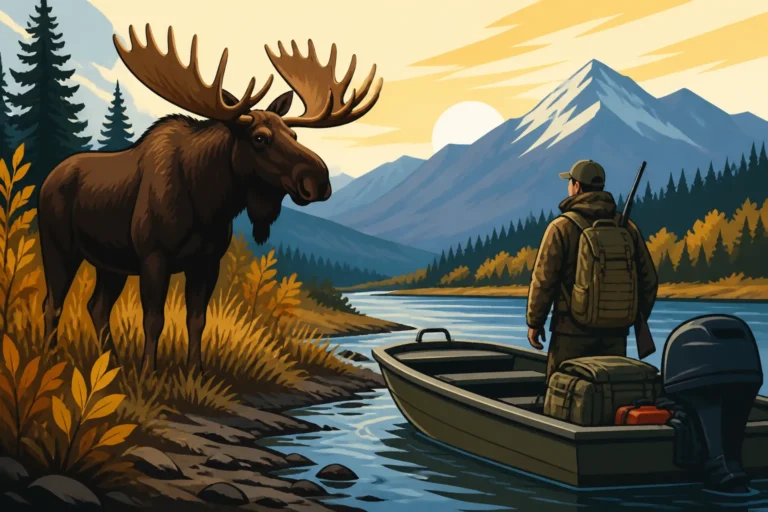
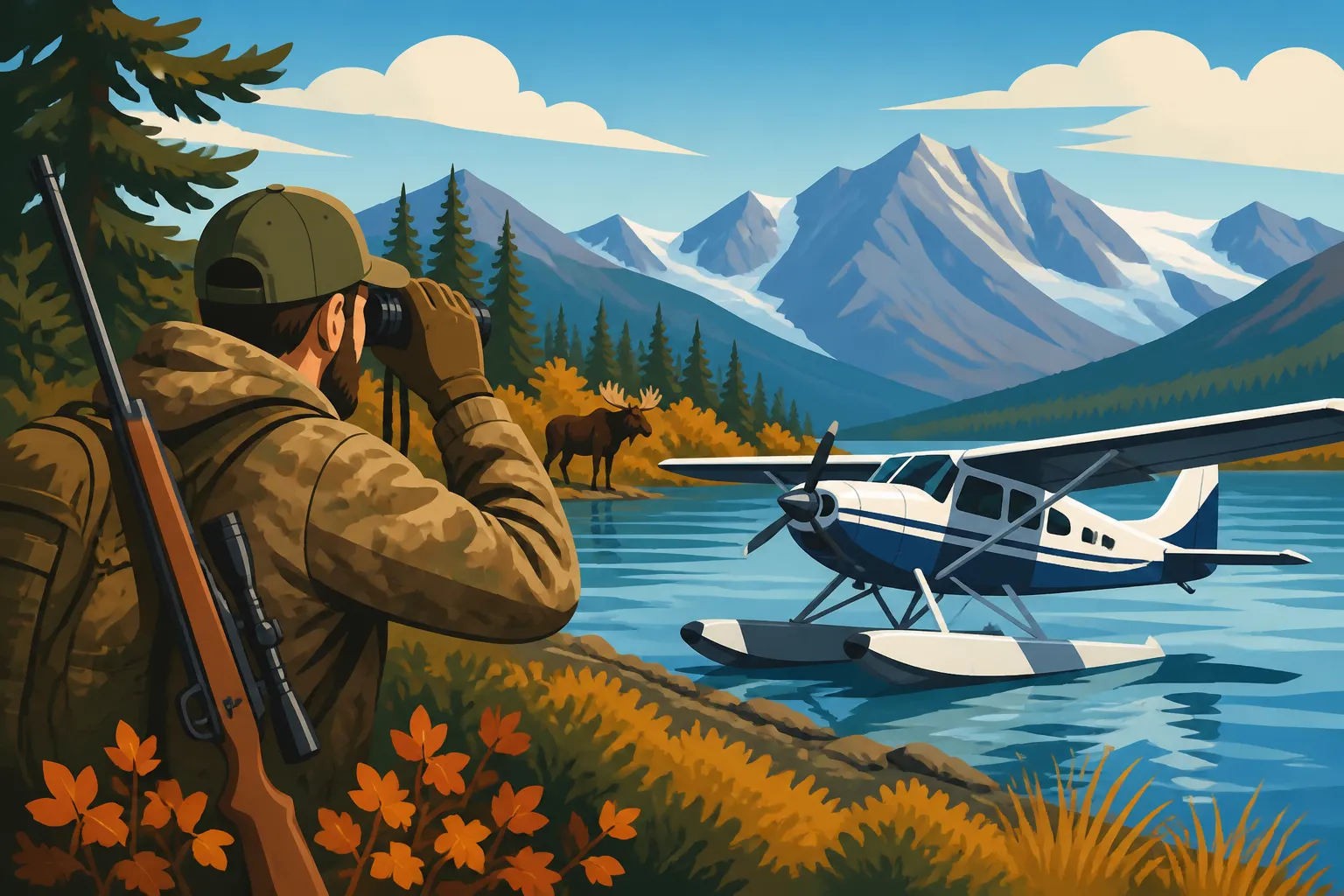
When you dream of a true Alaska hunting adventure, it often involves a remote lake, shimmering under a vast sky, with the only access being the hum of a float plane’s engine fading into the distance. Getting deep into Interior Alaska’s prime hunting grounds means leaving the road system far behind, and for many, that means a float plane drop-off. But finding the right lake and planning that trip can feel like trying to solve a wilderness puzzle. This guide is all about demystifying float plane access, helping you identify suitable lakes, and equipping you with the knowledge to plan a successful and safe fly-in hunt into the heart of Alaska.
Understanding Float Plane Access in Interior Alaska
Accessing vast stretches of Interior Alaska’s wilderness often comes down to two options: fixed-wing aircraft landing on gravel bars or floats, setting down on lakes and rivers. For many prime hunting grounds, particularly those targeting moose, caribou, or bear that inhabit lake-dotted landscapes, float planes are the undisputed champions of access. They open up areas that are otherwise impenetrable due to thick timber, extensive wetlands, or rugged terrain lacking suitable strips for wheel planes.
Why Float Planes Are King for Remote Access
Imagine staring at a topographical map, seeing an endless expanse of green interspersed with countless blue dots – lakes. Many of these aren't connected by rivers wide or deep enough for a boat, nor do they have a clear path for an ATV. This is where the float plane shines. It's the ultimate bush taxi, capable of landing and taking off from practically any reasonably sized body of water, from small alpine tarns to broad glacial lakes. This flexibility allows hunters to pinpoint game-rich areas, bypass difficult terrain, and often get closer to their hunting objectives than any other method. The ability to access these aquatic runways is a game-changer, putting you right where the action is, far from the pressure of road-system hunters.
The beauty of a float plane is its adaptability. Lakes vary wildly in size, shape, depth, and surrounding terrain. Some might be long, narrow fingers of water perfect for a long takeoff run, while others are circular bowls tucked into the mountains. A skilled bush pilot can assess these variables quickly, determining if a particular lake is safe for your aircraft and load. It's this intimate knowledge of the landscape and the capabilities of their specific aircraft that makes working with an experienced Alaska air taxi service invaluable.
Typical Aircraft and Their Capacities
When you're looking at float plane services, you'll generally encounter a few common aircraft types, each with its own advantages and limitations in terms of payload, speed, and the size of lake it needs. Understanding these differences is crucial for planning your gear and group size.
For smaller groups or those needing to access very tight lakes, you might find yourself in a Super Cub on floats. These nimble aircraft are legendary in Alaska for their short takeoff and landing capabilities, often needing surprisingly little water. They're perfect for dropping one or two hunters and a modest amount of gear into a remote, small lake. However, their payload capacity is limited, meaning you'll need to be extremely disciplined with your gear weight, especially considering potential meat loads for the return trip. Weight Limits on a Super Cub Drop is a critical read if this is your plan.
Larger groups or those with more gear, perhaps a packraft or substantial camp setup, might opt for a larger float plane like a De Havilland Beaver or Otter. These workhorses are designed to haul significant loads, making them ideal for multi-person hunts or trips with extensive equipment. They require larger lakes for safe operation due to their increased weight and speed, but they offer comfort and capacity that smaller planes can't match. Be sure to discuss your group size, gear list, and anticipated meat weight with your air taxi service well in advance to ensure they can accommodate you and choose the appropriate aircraft.
Identifying Suitable Lakes for Landing and Takeoff
Not all lakes are created equal when it comes to float plane operations. What looks like a perfect blue dot on a map might hide hazards that make it unsuitable or even dangerous for a landing. Successful float plane hunting hinges on carefully scouting potential landing zones long before you ever set foot in a plane.
Lake Characteristics for Safe Operations
Pilots look for several key characteristics when assessing a lake. First and foremost is sufficient length and width for takeoff and landing, considering wind conditions. A small lake might be fine on a calm day, but add a stiff crosswind, and it becomes a no-go zone. Depth is also crucial; pilots need to ensure the floats won't strike submerged rocks, logs, or shallow areas, especially during taxiing and turning. A clear approach path, free from tall trees or steep terrain, is also vital for safety.
Beyond the water itself, the shoreline plays a significant role. Is there a suitable spot to pull the plane up, unload gear, and potentially cache it? Are there brushy areas that could snag floats, or is the ground firm enough to handle foot traffic? A good landing lake often has a relatively clear, gently sloped bank where gear can be offloaded safely. Remember, you'll be doing this yourself, possibly in wet, challenging conditions, so an easy offloading spot is a huge bonus.
Reading Topographical Maps for Lake Suitability
This is where your pre-hunt scouting really begins. High-quality topographical maps are your best friend. Look for lakes with consistent depth (indicated by contour lines), clear shorelines, and adequate length. Lakes situated in valleys or wide-open areas often offer better wind conditions and approach paths than those tucked into tight canyons. Pay attention to stream inlets and outlets, as these areas can be shallower or have stronger currents.
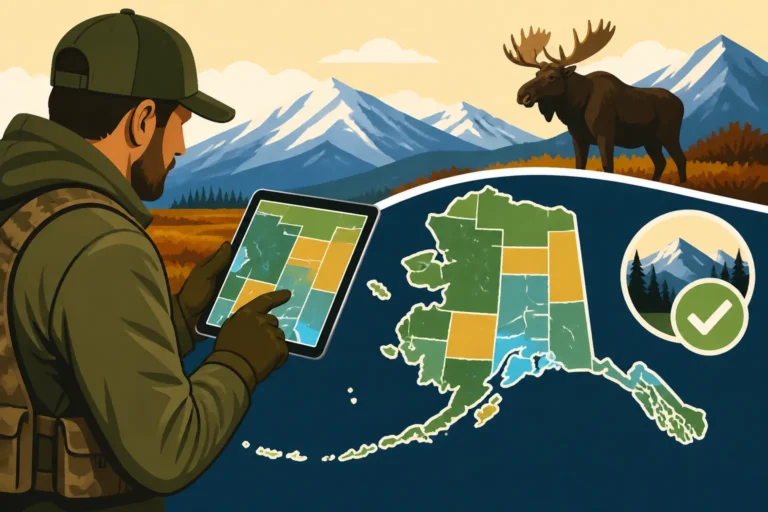
Tools like onX Hunt are absolutely invaluable for this kind of remote scouting. You can overlay satellite imagery with topo maps, identify potential hazards like shallow areas, submerged rocks, or dense timber close to the water's edge. Zoom in on every potential lake you're considering. Look for clearings on the shoreline for camp, and note the surrounding terrain for hunting access. Scouting a Unit From Satellite Imagery Before You Fly goes into more detail on how to leverage these tools. A lake might look fine from 10,000 feet, but detailed satellite views can reveal hidden dangers or ideal camp spots.
Remote Lake Options in Interior Alaska
Interior Alaska is dotted with countless lakes, many of which are viable float plane landing sites. Iconic regions like the Susitna Valley, the Copper River Basin, and the vast drainages north of the Alaska Range offer abundant options. Small, unnamed lakes in the foothills can provide excellent access to Alaska Moose: Where the Biggest Bulls Live, particularly if they are near old burn scars or willow flats. Larger, more well-known lakes might see more traffic, but their size often makes them more reliable for flying, especially in less-than-ideal weather.
When selecting a lake, consider its proximity to your intended hunting area. You don't want to land on a lake only to face a multi-day bushwhack to get to where the game is. Ideally, your landing zone is within comfortable walking distance of prime habitat. Also, think about the elevation. Higher alpine lakes often offer access to Dall Sheep in Alaska's Brooks and Alaska Ranges or Alaska Mountain Goats in Coastal Cliff Country, but they can be more susceptible to sudden weather changes and may require different float plane types. Always cross-reference your potential lake choices with your air taxi pilot – they'll have invaluable local knowledge about common landing spots and any known hazards.
Essential Planning for a Float Plane Drop-Off Hunt
A float plane hunt isn't just about showing up at the airport with your gear. It requires meticulous planning, open communication, and a robust backup strategy. You're effectively establishing a temporary, self-sufficient outpost in the wilderness.
Booking Air Taxis and Communication
Booking your air taxi is often the first and most critical step. Popular pilots and outfitters book up months, if not a year, in advance, especially for prime season dates. Be ready with your proposed dates, group size, and a detailed gear list (including approximate weights). The pilot needs this information to determine which aircraft is appropriate and to calculate fuel loads and flight times. Transparent communication about your expectations and realistic understanding of their capabilities is key. Fly-In Hunting: Working With an Alaska Transporter Pilot offers a deeper dive into this vital relationship.
Crucially, establish a check-in plan and emergency contact procedure with your pilot. This isn't just a nicety; it's a safety imperative. Let them know your planned hunting area, expected return date, and who to contact if you don't check in. A satellite communication device like an InReach is practically mandatory for a remote Alaska hunt. These devices allow you to send texts and your GPS coordinates to your pilot and loved ones, even when out of cell service. Regular check-ins build confidence and allow your pilot to anticipate any delays or changes in your schedule.
Trip Planning and Logistics in the Bush
Once on the ground, you are completely self-reliant. Your planning must cover everything from shelter and food to navigation and game recovery. This means carrying redundant systems for critical items. For navigation, don't rely solely on electronics. Have paper maps and a compass, and know how to use them. Downloading Offline Maps Before a Fly-In is a good practice, but paper never runs out of battery. Consider the duration of your hunt and add at least two to three extra days' worth of food and fuel for your stove in case of weather delays that push back your pickup.
Setting up your camp efficiently is paramount. Choose a high, dry spot away from game trails and potential bear activity. Consider wind direction for cooking and sleeping. Have a system for food storage that is bear-proof, whether it's bear-resistant containers or hanging food well away from camp. Your camp is your sanctuary, and a well-planned, organized setup makes for a much more comfortable and safer hunt.
Emergency Preparedness and Contingency Plans
The Alaska wilderness is unforgiving, and things can go wrong quickly. Your emergency preparedness plan should cover medical emergencies, equipment failures, and severe weather. A comprehensive first-aid kit, tailored to wilderness injuries, is non-negotiable. Know how to use it. Carry repair kits for tents, stoves, and any watercraft you might bring.
Have a contingency plan for getting stranded. What if the weather prevents your pilot from picking you up for several days? What if an unexpected injury means you need an emergency extraction? This is where your satellite communication device becomes a lifeline, but it's also why those extra days of food and fuel are so important. Always leave a detailed trip plan with a trusted contact back home, including your specific landing lake coordinates, your expected return date, and who to call if they don't hear from you.
Gear Considerations for a Lake-Based Hunt
Hunting from a lake base camp presents unique gear challenges and opportunities. You have the advantage of not needing to backpack all your supplies every day, but you still need to be efficient and prepared for the wet, wild conditions Alaska often throws at you.
Watercraft and Camp Gear
While your float plane gets you to the lake, getting around the lake and accessing shoreline areas effectively often requires a secondary watercraft. Packrafts are incredibly popular for this reason. They are lightweight, packable, and surprisingly durable, allowing you to cross significant bodies of water, access islands, or even float down small rivers for short distances. This greatly expands your hunting range from a lake-based camp. Packraft Weight Versus Load Capacity is a crucial consideration here – ensure your chosen raft can handle you, your gear, and potentially a good portion of meat.
For camp, consider a robust wall tent or a high-quality geodesic dome tent that can withstand strong winds and heavy rain. A reliable, compact stove for warmth and cooking can make a huge difference to morale in cold, wet conditions. Sleeping bags rated for temperatures well below what you expect are a must. Don't skimp on a comfortable sleeping pad; a good night's rest is critical for performance. Ensure all your critical gear is waterproofed, ideally with dry bags or heavy-duty garbage bags as liners inside your pack.
Meat Care in Remote Camps
One of the biggest logistical hurdles for a successful float plane hunt, especially for larger game like moose, is meat care. You've harvested your animal, now how do you get it back to civilization without spoilage? This is where strategic planning for cooling and transporting meat becomes paramount.
After quartering, the meat needs to cool down as quickly as possible. Hang it in game bags (the breathable kind that deter flies but allow air circulation) in a shady, airy spot. If temperatures are warm, even in September, keeping meat cool is a race against time. Consider creating a temporary meat pole well away from your sleeping quarters, high enough to deter bears. Hanging Meat in Warm September Weather details some critical strategies. You might need to make multiple trips with your packraft or by foot to get the meat back to your lake camp. Once at the lake, you'll need to prepare it for the flight out, which often means packing it into sturdy coolers or heavy-duty plastic totes. Talk to your air taxi about their preferred method for handling meat and how much volume and weight they can take on a return trip. Don't forget your Alaska Moose Meat Salvage Requirements – ensuring you retrieve all edible portions is essential.
Personal Gear and Survival Essentials
Beyond the big items, your personal kit needs to be meticulously planned. Layers of synthetic or wool clothing are superior to cotton for Alaska's often damp and cold conditions. High-quality rain gear is non-negotiable; aim for a durable, truly waterproof system. Good boots, well broken in and waterproof, are essential. Think about two pairs if your budget allows.
Survival essentials include a fire-starting kit (multiple methods), a knife, a headlamp with extra batteries, water filtration or purification, and sufficient caloric food. Bear safety is also paramount. Carry bear spray, know how to use it, and consider a reliable firearm as a backup. Bear Safety While Butchering a Kill in Alaska emphasizes the importance of vigilance around a kill site. Being prepared for the unexpected is not paranoia; it's smart hunting in Alaska.
Navigating Regulations and Land Status
Hunting in Alaska means navigating a complex web of regulations and land ownership. Before you even pick a lake, you need to understand the rules of the game and where you're legally allowed to play. Ignoring these details can quickly turn a dream hunt into a nightmare.
Game Management Units and Lake Access
Alaska is divided into numerous Game Management Units (GMUs), each with its own specific regulations regarding seasons, bag limits, and legal methods of take. The lake you choose for your drop-off will fall within a particular GMU and potentially a specific subunit. It's imperative that you consult the Alaska Department of Fish and Game (ADF&G) regulations for that specific unit and species. These booklets are updated annually and are your ultimate authority.
Some units might have antler restrictions for moose, while others might have different seasons for caribou or bear. Check if the hunt is a general season, a registration hunt (which requires you to sign up and may close early on quota), or a drawing permit hunt. Tools like GoHunt can be immensely helpful here, not only for navigating draw odds if you're looking at a permit hunt but also for understanding the specific regulations tied to different units. Don't assume that a rule in one GMU applies to another.
Federal Versus State Land
A significant portion of Interior Alaska consists of a checkerboard of federal and state lands, interspersed with Native Corporation and private holdings. The rules can vary depending on whose land you're on. Federal lands, such as National Wildlife Refuges, National Preserves, or Bureau of Land Management (BLM) property, often have specific regulations that might differ from state land. For example, some federal lands might have stricter rules regarding motorized access or camping.
It's your responsibility as a hunter to know whose land you're on and what the rules are. Again, onX Hunt is an incredibly powerful tool for overlaying land ownership maps right onto your satellite imagery and topo maps. Before you even set foot on a plane, digitally scout your intended hunting area to confirm that your chosen lake, your camp spot, and your hunting routes are all on land where hunting is permitted and that you understand any specific regulations that apply. How to Find Legal Access in Alaska provides essential guidance on this often-complex topic.
Controlled Use Areas and Buffer Zones
Another layer of regulation involves Controlled Use Areas (CUAs) and buffer zones. CUAs are specific geographical areas where the use of certain types of motorized vehicles, including aircraft, might be restricted or prohibited during hunting seasons. For instance, some CUAs might ban landing aircraft, or restrict motorized vehicle use, including ATVs, to specific dates or trails. These are often implemented to reduce pressure on game or preserve a remote hunting experience.
Additionally, many areas have buffer zones around airstrips, roads, or communities where hunting might be restricted or prohibited, sometimes extending several miles from the boundary. Even if you're flying into a remote lake, make sure your planned hunting area isn't accidentally infringing on one of these zones. Always double-check the ADF&G regulations and CUA maps for your specific hunt area. Misinterpreting these boundaries can lead to citations and the loss of your harvest, making careful pre-planning absolutely essential for a successful and legal hunt.
| Factor | Ideal Lake Characteristics | Potential Challenges | Scouting Tools & Tips |
|---|---|---|---|
| Size & Shape | Long enough for takeoff/landing, wide enough for turns | Too short, too narrow, tight turns around obstacles | Topo maps, satellite imagery, pilot consultation |
| Depth | Deep enough for floats, minimal submerged hazards | Shallow areas, hidden rocks, logs, stumps | Topo maps (contour lines), local knowledge, pilot consultation |
| Shoreline Access | Gentle slope, firm ground, clear of thick brush | Steep banks, muddy or soft ground, dense timber | Satellite imagery (onX Hunt), ground-level photos if available |
| Approach/Departure | Clear of tall trees, steep terrain, power lines | Obstructions near ends of lake, tight canyons | Topo maps (elevation changes), satellite imagery |
| Wind Exposure | Protected from strong crosswinds, but not entirely blocked | Funneling winds, constant high winds, unpredictable gusts | Weather patterns, local pilot experience |
| Game Proximity | Within reasonable walk of prime habitat | Too far from hunting grounds, difficult terrain between | Satellite imagery, game migration patterns, GoHunt for harvest data |
| Land Status | State or Federal land open to public hunting | Native Corp, private, or restricted access lands | onX Hunt (land ownership layer), ADF&G regs |
Disclaimer
This article is for general informational purposes only and does not constitute professional advice. Laws, prices and regulations vary by location and change over time. Consult a qualified professional for guidance on your specific situation.