Boat Access on Alaska’s Yukon and Kuskokwim
For many intrepid hunters, the vastness of Alaska isn't just a challenge; it's an irresistible call. But faced with immense distances and a near-total lack of roads in much of the state, accessing prime hunting grounds can feel impossible, like trying to find a needle in a continent-sized haystack. This guide focuses on exactly how to overcome that challenge, providing a deep dive into using boat access on Alaska's mighty Yukon and Kuskokwim rivers to unlock unparalleled hunting opportunities.
Understanding the Scope: Yukon and Kuskokwim Rivers as Hunting Corridors
When you look at a map of Alaska, you see an enormous landmass, but what you might not immediately grasp is just how much of that land is utterly devoid of roads. You can drive a few hundred miles north, south, or east from Anchorage or Fairbanks, and then you hit the literal end of the road. Beyond that, the primary arteries for travel and commerce, especially in the vast interior and western regions, are the rivers. The Yukon and Kuskokwim are not just large rivers; they are immense, winding highways that cut through some of the most remote and game-rich country in North America. Understanding them as hunting corridors is the first step to planning a successful adventure.
The Sheer Scale of Alaska's River Systems
Let's talk about scale for a moment. The Yukon River alone stretches over 1,900 miles, making it the third-longest river in North America. The Kuskokwim, while shorter, is still a major waterway, flowing for nearly 700 miles through a massive drainage basin. These aren't your typical small-town fishing streams; they are powerful, dynamic forces of nature, carving through diverse landscapes from boreal forest to open tundra. Their sheer length and numerous tributaries mean that accessing a small fraction of their banks can put you hundreds of miles from the nearest road, deep in truly wild country. This vastness is both their greatest asset and their greatest challenge for hunters seeking an immersive experience.
The rivers act as natural highways, allowing you to bypass dense brush, treacherous swamps, and often featureless tundra that would be impassable on foot or by ATV. They provide a fluid pathway into regions where game populations thrive, relatively untouched by human pressure. Think about moving a quartered moose or a bear hide out of a remote area—the idea of doing that overland without a boat is daunting, if not impossible. A river provides a means to transport heavy loads with less back-breaking effort, making it a crucial element in the logistics of any serious remote Alaska hunt.
Why Boat Access Is Paramount in Roadless Alaska
In areas of Alaska without road infrastructure, your primary modes of transportation are typically aircraft, snowmachine (in winter), or boats. For many fall hunting seasons, when the ground might be too soft for ATVs and aircraft drops can be expensive and logistically complex, a boat becomes the ultimate tool. A robust river boat allows for unparalleled flexibility: you can set your own schedule, explore countless miles of shoreline and tributaries, and carry significantly more gear, supplies, and, crucially, meat than you could on a backpack hunt. Float Hunting Alaska Rivers for Moose and Caribou offers a deeper look at similar strategies for other waterways, but the Yukon and Kuskokwim present their own unique grandeur and challenges.
Imagine flying into a remote lake and then having to pack out a moose through thick willows and muskeg. Now imagine working your way up a river in a jet boat, spotting game from the water, landing on a gravel bar, and potentially harvesting an animal right near the river's edge. The difference in physical exertion and logistical headache is profound. Boat access enables you to venture farther, stay longer, and recover game more efficiently than almost any other method in these roadless regions. It's truly a game-changer for independent hunters who want to explore beyond the easily accessible areas.
Unique Hunting Opportunities Along Riverbanks
The ecosystems surrounding the Yukon and Kuskokwim rivers are incredibly rich and diverse, offering a smorgasbord of hunting opportunities. The river bottoms themselves are often corridors of dense willow and spruce, providing perfect habitat for moose. Grizzlies and black bears frequent these areas, drawn by berries, salmon runs, and the sheer abundance of food sources. Further out, especially along the Kuskokwim's more open sections or the Yukon's tributaries, you might find caribou, particularly during migration periods. Even waterfowl and ptarmigan can be common, providing excellent camp meat. Waterfowl and Ptarmigan as Camp Meat is a great resource if you're looking to diversify your harvest.
Hunting from a boat isn't just about transport; it's about strategy. You can quietly motor upstream, glassing riverbanks and islands, looking for fresh tracks or animals feeding. The ability to cover vast distances and then quickly deploy on foot to investigate promising signs is invaluable. Many hunters use boats to establish a base camp on a remote gravel bar or a quiet eddy, then conduct day hunts from there, returning to the comfort and logistical advantages of their boat. This mobile approach allows you to adapt to game movements and weather patterns much more effectively than being tied to a fixed camp site.
Types of Boats and Their Suitability
Choosing the right boat for a Yukon or Kuskokwim hunt is perhaps the most critical decision you'll make, even more so than your rifle choice. These rivers are not monolithic; they vary in depth, current, and bottom composition along their immense lengths and countless tributaries. What works well on a deep, slow section might be completely inadequate for a shallow, braided stretch. Matching your vessel to your intended hunting grounds and the specific challenges of these Alaskan waterways is key.
Jet Boats: Power and Shallow Water Access
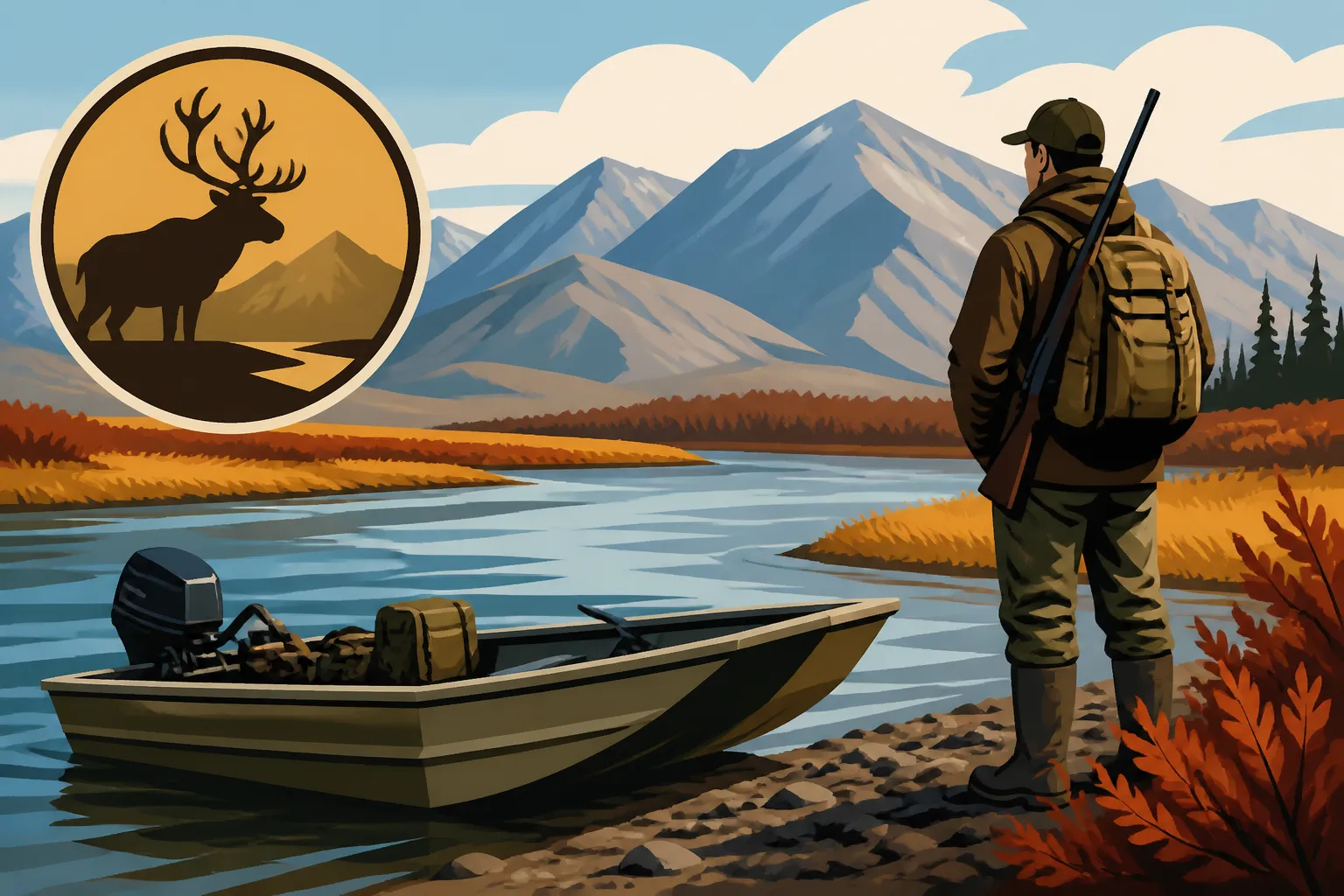
For many serious river hunters in Alaska, the jet boat is the undisputed king. Instead of an external propeller, jet boats suck water into an intake and then expel it under high pressure, essentially creating a powerful jet stream. This design means there's no propeller or lower unit hanging below the hull, making them exceptionally well-suited for shallow water. You can often run a jet boat through just a few inches of water, allowing access to braided sections, small sloughs, and shallow gravel bars that would instantly ruin a prop boat. This capability is invaluable on the Yukon and Kuskokwim, which are notorious for shifting sand and gravel bars, especially as water levels fluctuate throughout the fall.
The power and maneuverability of jet boats also make them excellent for navigating strong currents. You can punch upstream against a heavy flow, cover vast distances quickly, and react to obstacles with agile steering. Of course, this power comes at a cost, mainly in fuel consumption. Jet boats, especially larger ones designed for heavy loads and multiple passengers, can be thirsty beasts. You'll need to carefully calculate your fuel needs, perhaps using a mapping application like onX Hunt to estimate distances and then factor in the higher fuel burn rates common with jet drives. This type of boat also requires a skilled operator; learning to read the water, navigate rapids, and avoid hidden hazards is a distinct skill set.
Traditional Propeller Boats: Considerations and Limitations
While less common for truly remote, shallow-water river hunting in Alaska, traditional propeller-driven boats do have their place, particularly in deeper, more stable sections of the main rivers or on larger tributaries. They are generally more fuel-efficient than jet boats and often simpler to maintain for basic repairs. Many smaller, local skiffs or even larger river barges operating on the main stem of the Yukon or Kuskokwim will use prop drives. If you're planning a hunt that primarily involves staying on the deeper channels, or if you're pairing with a local transporter who runs a larger, prop-driven vessel, this might be your mode of transport.
However, the limitations are significant. Even a slightly submerged log or a shallow gravel bar can instantly disable a prop boat, shearing off a pin, damaging a propeller, or worse, destroying an entire lower unit. This risk is amplified in the dynamic, ever-changing environment of the Yukon and Kuskokwim. Hunters using prop boats must be acutely aware of water depth, stick to well-known channels, and operate with extreme caution, often needing to raise their motors in very shallow areas. This limits exploration into prime backwater sloughs and shallow feeding areas that jet boats can easily access, making them less versatile for serious hunting beyond the main river channels.
River Skiffs and Other Alternatives
Beyond the more common jet and prop boats, you'll also see various river skiffs, often custom-built to be lightweight and robust. These can be propelled by small outboards, sometimes with specially designed shallow-water drive units, or even rowed/poled in very specific, calm tributaries. For hunters looking to access smaller streams or simply float downstream with less horsepower, a durable inflatable raft or a sturdy aluminum skiff might be an option. These often have less capacity and speed but offer greater portability and can be ideal for truly intimate exploration of smaller waterways that feed into the main rivers. Raft Size for a Two-Hunter Moose Float delves into considerations for float hunting, which can often be combined with powerboat access on the larger rivers.
Ultimately, your choice will depend on your budget, the specific areas you intend to hunt, the type of game you're after, and your experience level operating boats in challenging river conditions. No matter the vessel, ensure it's robust, well-maintained, and equipped with all necessary safety gear. And always, always pack redundant repair kits and emergency supplies.
| Boat Type | Pros | Cons | Best For |
|---|---|---|---|
| Jet Boat | Excellent shallow-water access, powerful, maneuverable, fast. | High fuel consumption, specialized skills needed, more expensive to buy/run. | Remote, shallow, braided rivers; covering large distances quickly; heavy loads. |
| Propeller Boat | More fuel-efficient, simpler mechanics, generally lower upfront cost. | Highly susceptible to shallow water damage, limited access to backwaters. | Deeper, more stable river sections; larger, main channel transit; lower budget. |
| River Skiff/Raft | Portable, can access very small tributaries, quiet. | Limited speed and capacity, less powerful for upstream travel. | Small stream exploration, float-down hunts, very specific shallow areas. |
Navigating the Waters: Challenges and Considerations
Navigating the Yukon and Kuskokwim rivers is a dynamic experience that requires respect, preparation, and constant vigilance. These are living, breathing waterways that change with the seasons, the weather, and even daily water level fluctuations. What might be a clear channel one day could be a hidden minefield of hazards the next.
Seasonal Water Levels and River Hazards
Alaska's rivers are fed by snowmelt and rain, meaning their water levels can vary dramatically throughout the hunting season. Early fall might see higher, faster water from summer rains, while later in the season, as temperatures drop, levels can recede, exposing more gravel bars and making navigation trickier. Higher water can obscure submerged logs and sweepers – trees that have fallen into the river and are partially or fully submerged, often swinging with the current, acting like giant, unpredictable battering rams. Conversely, lower water exposes more of these hazards, but also creates more shallow sections and new, uncharted gravel bars. You'll need to be aware of how the river looks at different levels, often watching for subtle changes in current, color, and texture that indicate obstacles or changing depths.
Beyond the water itself, the sheer volume of floating debris can be a significant hazard. Branches, entire trees, and even chunks of bank that have calved off can be carried downstream. A collision with a large log, especially at speed, can cause serious damage to your boat or even capsize a smaller vessel. Constant scanning of the river ahead is not just a recommendation; it's a necessity for safe passage.
Reading the River: Gravel Bars, Eddies, and Sweepers
Developing the skill to "read" the river is paramount for safe and efficient travel. This isn't something you learn from a textbook; it comes from experience, but you can accelerate the learning process with some key observations. Look for changes in water color: deeper, faster channels often appear darker, while shallower areas may be lighter or show the bottom. Pay attention to ripples and boils, which can indicate submerged obstacles or strong currents. Eddies—sections of water where the current reverses or swirls—often form behind obstacles or along inside bends and can be useful for temporarily escaping the main current or for pulling up to shore. However, some eddies can also be turbulent and dangerous.
Gravel bars are perhaps the most common hazard and also the most common access point. They can appear almost overnight and shift their position, especially after high water events. You'll need to learn to spot the telltale signs of a rising gravel bar, often marked by a change in current direction or a lighter color in the water. Sweepers, as mentioned, are particularly dangerous because they can be hard to see until you're right on top of them, and their branches can snag your boat or occupants. Always assume the river holds hidden dangers and maintain a cautious, defensive approach to navigation. Utilizing detailed mapping resources like onX Hunt on a rugged tablet or smartphone with offline maps can help you visualize the river bends and potential obstacles by showing contours and past satellite imagery, although real-time river conditions will always be the ultimate guide.
Fueling and Resupply Logistics in Remote Areas
One of the biggest logistical hurdles on such vast and remote rivers is fuel and resupply. Unlike road-system hunting, you can't just pull off at the next gas station. Villages along the Yukon and Kuskokwim often have small stores that sell fuel, but it's typically very expensive due to freight costs, and availability can be inconsistent. You absolutely cannot count on finding fuel at every village, and relying solely on these stops is a recipe for disaster.
Most hunters planning multi-day or multi-week trips will need to carry a significant amount of extra fuel. This means multiple large fuel tanks, carefully secured in your boat. When estimating your fuel needs, always err on the side of caution and add a substantial buffer for unexpected detours, adverse weather, or stronger-than-anticipated currents. Factor in the higher fuel consumption of jet boats. Beyond fuel, consider food, water, and other perishable supplies. Planning your resupply points, if any, well in advance, and potentially caching supplies or arranging a drop-off with a local air taxi or villager, is crucial. This is where meticulous pre-trip planning, perhaps with a tool like GoHunt's planning features, truly pays off, ensuring you have every contingency covered for your journey into the wild.
Planning Your Hunt: Logistics and Regulations
Successfully hunting the Yukon or Kuskokwim rivers isn't just about reading the water and choosing a boat; it's about meticulous planning, understanding the legal landscape, and prioritizing safety. Without a solid plan, these magnificent waterways can quickly turn an adventure into a dangerous ordeal.
Understanding Game Management Units and Permit Requirements
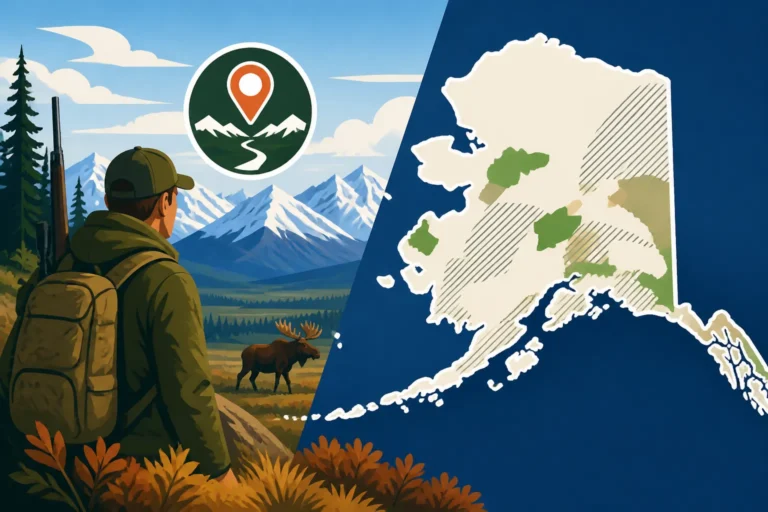
Alaska is divided into Game Management Units (GMUs), and specific regulations for seasons, bag limits, and permit requirements can vary wildly from one unit to the next, sometimes even within different subunits of the same GMU. The Yukon and Kuskokwim rivers pass through numerous GMUs, each with its own set of rules. For example, you might be hunting moose in one unit with an antler restriction, then cross into another where a general season permit applies, or even a draw permit area. Alaska Harvest Tickets, Registration Permits and Draw Permits outlines the various types of permits you might encounter.
Before you even launch your boat, you need to identify the exact GMUs you'll be traversing and hunting within. This means consulting the current Alaska Hunting Regulations, available online or at ADF&G offices, and studying detailed maps. Pay close attention to any Controlled Use Areas (CUAs) or other special restrictions that might prohibit motorized travel beyond certain points or restrict certain types of hunting. Knowing your boundaries and legal requirements for each species is not just important for compliance; it's essential for avoiding costly mistakes or even citations.
Pre-Trip Scouting with Mapping Tools
Modern technology has revolutionized pre-trip scouting, especially for vast, remote areas. Satellite imagery and topographic maps are your best friends when planning a river hunt. Platforms like onX Hunt or GoHunt provide detailed satellite views that allow you to virtually explore river bends, identify potential game habitat like willow flats, old burn scars, or dense spruce stands, and pinpoint gravel bars that might serve as good landing or camping spots. You can mark waypoints for promising areas, potential hazards, and emergency landing sites, all before you even leave home. Scouting a Unit From Satellite Imagery Before You Fly focuses on this for fly-in hunts, but the principles are identical for river-based trips.
Look for areas where tributaries enter the main river, as these are often hot spots for game. Identify areas where the river widens and slows, creating backwater sloughs and islands, which are prime moose country. Pay attention to elevation changes that might indicate higher ground for a camp spot, avoiding potential flooding. While satellite imagery won't show current water levels, it can give you an invaluable baseline understanding of the terrain and riverine features. Downloading these maps for offline use on your devices is critical, as cell service will be non-existent for vast stretches of these rivers.
Safety Protocols and Emergency Preparedness
Hunting on remote Alaskan rivers carries inherent risks, and a casual approach to safety can have severe consequences. Emergency preparedness is not an afterthought; it's a foundational element of your plan. Here are some critical considerations:
- Communication: A satellite messenger (like an inReach or Spot device) is non-negotiable. It allows you to send check-in messages, track your location, and most importantly, send an SOS in a true emergency. A satellite phone can also be invaluable for direct voice communication. Ensure your devices are fully charged, and carry spare power banks. Signal Devices and Check-In Plans for Solo Alaska Hunts offers further advice on this topic.
- Medical Kit: Carry a comprehensive first-aid kit, and ensure at least one member of your party has advanced first-aid or wilderness medicine training. Consider the types of injuries possible (cuts, sprains, hypothermia, burns) and pack accordingly.
- Survival Gear: Even if you plan to sleep in your boat or a wall tent, always have a small personal survival kit on your person. This should include fire starters, a knife, a headlamp, emergency shelter, and purification tablets.
- Bear Safety: You will be in bear country. Carry bear spray, know how to use it, and consider carrying a powerful firearm (like a 12-gauge shotgun with slugs or a large-caliber rifle) for bear defense. Implement strict food storage protocols in camp to avoid attracting bears. Bear Safety While Butchering a Kill in Alaska is essential reading.
- Redundancy: Always have backup plans and redundant gear. Two motors, two sets of keys, two forms of navigation, extra fuel, extra food, extra clothing layers. When you're hundreds of miles from help, you are your own rescue team.
Species You Can Target and Hunting Strategies
The Yukon and Kuskokwim river corridors are ecological magnets, drawing a variety of big game and small game species that thrive in the rich riparian environments. Understanding which species are present and tailoring your hunting strategy to the riverine landscape is key to a successful trip.
Moose: The King of the River Bottoms
Moose are, without a doubt, the prime target for most hunters utilizing boat access on the Yukon and Kuskokwim. The extensive willow and birch stands that line these rivers, especially in sloughs, oxbows, and old burn areas, provide ideal browse and cover. During the fall rut, bulls become vocal and more visible, making river-based hunting particularly effective. You can motor quietly upriver, stopping to glass promising areas or to put out a cow call. Calling Moose in Alaska With a Scapula and a Cow Call is a classic technique that works wonders in these habitats.
A common strategy involves "spot and stalk" from the river. Hunters will cruise slowly, constantly glassing the banks, islands, and sloughs. When a moose is spotted, the boat is beached quietly, and hunters proceed on foot to get into a shooting position. The advantage here is the ability to cover vast distances, quickly move between prime feeding areas, and then leverage the boat for game recovery. Quartering a large bull moose in the field is a massive undertaking, and having your boat relatively close makes the process of packing out meat significantly easier than in a traditional backpack hunt. Quartering a Bull Moose Alone in the Field provides practical advice for this demanding task.
Caribou and Bear: Opportunistic Encounters
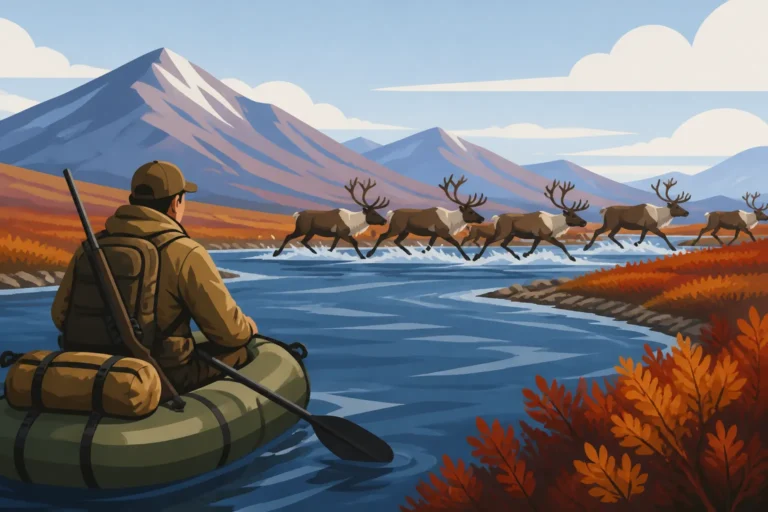
While moose might be the primary draw, caribou and bear are often opportunistic bonuses for river hunters. Caribou herds, particularly the Fortymile and Nelchina herds (though the latter is further south and east of the main Yukon/Kuskokwim focus), are known to cross major rivers during their migrations. If you happen to be on the river during a migration, you could find yourself in a truly unique hunting scenario. However, directly targeting caribou from a boat on these specific rivers requires precise timing and knowledge of herd movements, which can be unpredictable. Caribou Herds of Alaska and How They Move offers a good overview of their patterns.
Both black bears and brown bears (grizzlies) are abundant along these rivers, attracted by the salmon runs, berry patches, and general availability of food. While brown bears are typically found closer to coastal areas or specific interior mountain ranges like the Alaska Range, grizzlies inhabit much of the Yukon and Kuskokwim drainages. Spotting a bear from your boat, especially during salmon season, is not uncommon. Hunting bears from the river typically involves glassing open slopes or berry patches, then making a stalk from a beached boat. Always exercise extreme caution in bear country, especially when dealing with a downed animal or a meat cache.
Waterfowl and Small Game for Camp Meat
Don't underestimate the value of small game and waterfowl for supplementing your camp menu. The sloughs, marshy areas, and gravel bars along the Yukon and Kuskokwim are often teeming with ducks and geese during migration. Additionally, spruce grouse and willow ptarmigan are common in the riparian forests and open tundra areas. Carrying a shotgun and the appropriate small game tags can provide fresh meat for dinner, a welcome change from freeze-dried meals, and a fun way to fill time between big game opportunities. Waterfowl and Ptarmigan as Camp Meat explores these options.
Hunting small game is also an excellent way to keep your senses sharp and practice fieldcraft. The ability to quickly and quietly move your boat to a promising area for a quick waterfowl hunt, then resume your big game search, is another advantage of river access. Just be sure to always prioritize safety and avoid disturbing any big game animals you might be targeting with your small game pursuits.
Essential Gear for a River-Based Hunt
A successful river hunt in Alaska demands more than just a boat and a rifle; it requires a comprehensive gear strategy that accounts for the unique challenges of the environment. From keeping yourself comfortable to efficiently recovering your harvest, every piece of equipment plays a vital role.
Beyond the Boat: Camp Setup and Field Gear
Your base camp, whether it's a wall tent on a gravel bar or a more mobile spike camp, needs to be robust and prepared for all conditions. Alaska weather is notoriously unpredictable, especially in the fall, so a bomb-proof tent is essential. A good quality wall tent with a wood stove can provide a warm, dry refuge from persistent rain and cold, making your multi-day hunt infinitely more comfortable. Consider the weight of your chosen shelter, even for a boat hunt, as you still need to load and unload it.
Beyond shelter, pack a full array of layered clothing appropriate for cold, wet conditions. Think high-quality rain gear, insulated jackets, warm base layers, and plenty of spare socks. Navigation tools like a reliable GPS unit with pre-loaded maps (in addition to your smartphone apps like onX Hunt), a compass, and paper maps are absolute necessities. Even with GPS, knowing Alpine Navigation Without Cell Service is a vital skill. Lighting is also crucial; multiple headlamps with spare batteries are a must for working in the dark, especially when quartering an animal after sundown.
Communication and Navigation Devices
As mentioned earlier, robust communication devices are paramount. A satellite messenger or satellite phone should be at the top of your gear list. These aren't just for emergencies; they allow you to check in with loved ones, providing peace of mind and letting them know your general whereabouts. Always leave a detailed trip plan with a trusted contact, including your planned route, expected duration, and emergency contact information. Leaving a Trip Plan With a Contact is a simple but life-saving step.
For navigation, a dedicated GPS unit is often more reliable than a smartphone in harsh conditions due to better battery life and ruggedness. Load it with detailed topographic maps and mark all your planned waypoints, potential hazards, and camp locations. A physical compass and paper maps serve as invaluable backups in case electronics fail. Knowing how to use them together is a critical wilderness skill. Remember to waterproof all your electronic devices and carry spare batteries or a portable charging solution.
Meat Care and Salvage Equipment
Successful hunting in Alaska often comes down to successful meat care. Once an animal is down, the clock starts ticking, especially in warmer early season temperatures. You'll need specialized gear to efficiently quarter, cool, and transport your harvest. Heavy-duty game bags (breathable synthetic bags are ideal for coastal rain and moisture) are essential for protecting meat from flies, dirt, and debris while allowing it to cool. Game Bags That Breathe in Coastal Rain are invaluable for this.
Bring a sharp, robust butchering kit, including knives, a sharpener, a small bone saw or an axe for splitting the pelvis/sternum, and plenty of nitrile gloves for hygiene. Tarps are incredibly useful for keeping meat clean during quartering. Rope or paracord will be needed for hanging quarters to cool, ideally out of reach of bears. Consider a portable electric fence if you plan to leave meat cached overnight in bear country. Finally, robust totes or coolers will be necessary for transporting the meat in your boat back to your vehicle or a drop-off point, ensuring it arrives in good condition. Don't forget Alaska's strict Alaska Moose Meat Salvage Requirements — you must salvage all edible meat.
Disclaimer
This article is for general informational purposes only and does not constitute professional advice. Laws, prices and regulations vary by location and change over time. Consult a qualified professional for guidance on your specific situation.