Hunting Along the Denali Highway
The Denali Highway is an iconic stretch of Alaskan gravel road, often romanticized but equally capable of dishing out a healthy dose of reality, especially for hunters. Many folks dream of the wide-open spaces and abundant game, only to arrive and feel overwhelmed by the sheer scale, the unpredictable weather, or the challenges of navigating public land. This guide is here to cut through the romantic haze and offer realistic, actionable advice for planning and executing a successful hunt along this legendary Alaskan route.
Denali Highway: An Overview for Hunters
The Denali Highway isn't just a road; it's an experience, a ribbon of gravel stretching across some of Alaska's most incredible backcountry. For hunters, it represents a unique opportunity to access vast wilderness areas without the expense and logistical nightmares of a full-blown fly-in hunt. However, it also comes with its own set of challenges that can catch the unprepared off guard.
What Makes the Denali Highway Unique?
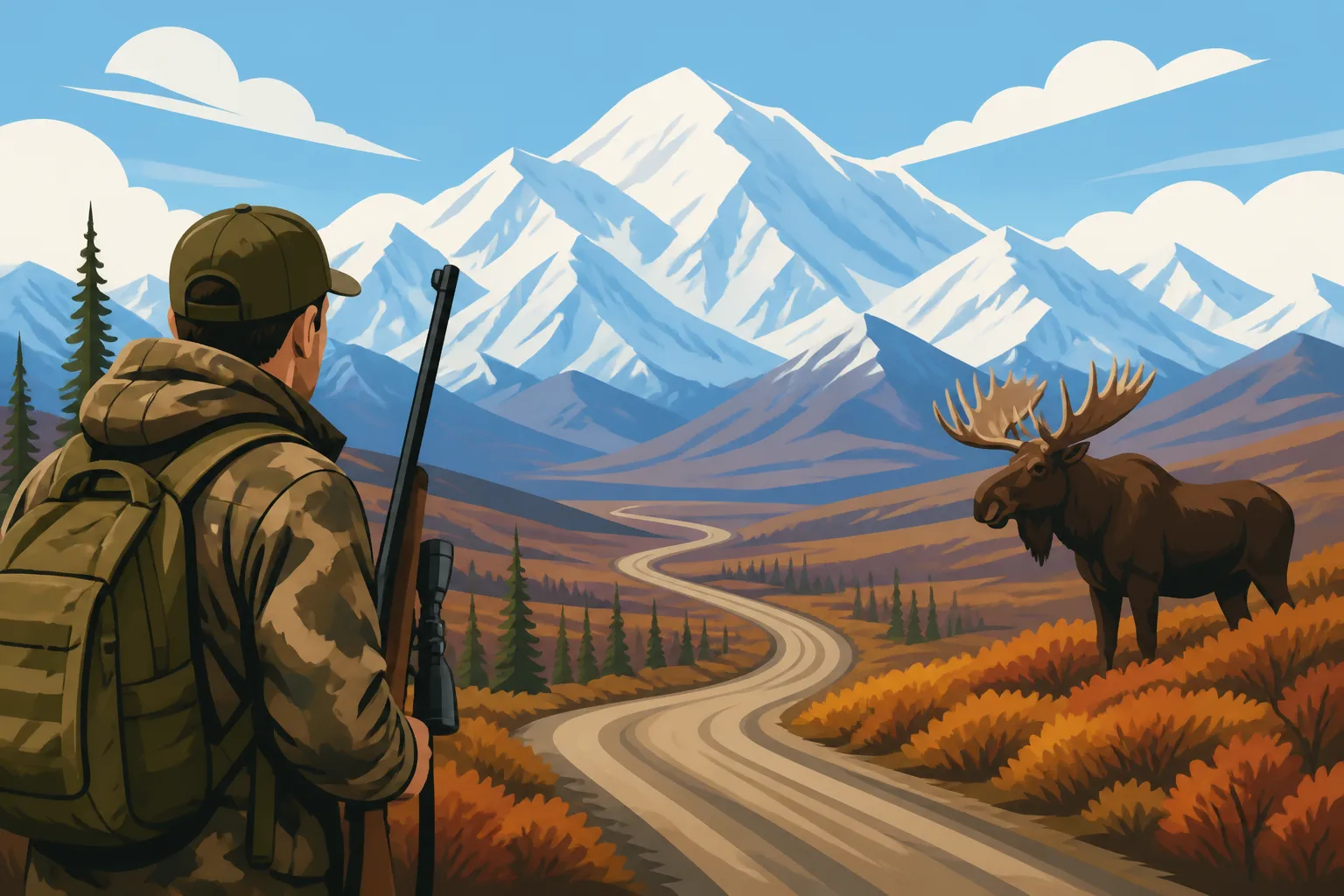
First off, let's talk about that road. The Denali Highway is about 135 miles of mostly unpaved, often washboarded, gravel road connecting Paxson on the Richardson Highway to Cantwell on the Parks Highway. It winds through high alpine tundra, boreal forests, and alongside countless lakes and rivers, offering breathtaking views of the Alaska Range. What makes it so special for hunters is its accessibility. While it's not a paved superhighway, it offers vehicle access into country that feels truly remote. You can drive deep into productive hunting grounds, set up a base camp, and then push out on foot, ATV, or even raft from there. It's a fantastic blend of convenience and wilderness, allowing for more DIY hunting opportunities than many other parts of Alaska. Just remember, "road system" in Alaska often means well-maintained gravel, not always pavement. The dust can be immense in dry weather, and the mud equally challenging in the wet.
The feeling of stepping out of your truck and being surrounded by such vast, wild country is something truly special. You're far enough from major population centers to avoid intense pressure in many areas, yet close enough that resupply isn't an expedition in itself. This balance is what draws so many to this iconic stretch of road each year. However, don't confuse "accessible" with "easy." The weather can change on a dime, from sunny and warm to sleeting snow in a matter of hours, even in late August or early September. Preparing for all four seasons in one day is not an exaggeration.
Game Management Units Along the Corridor
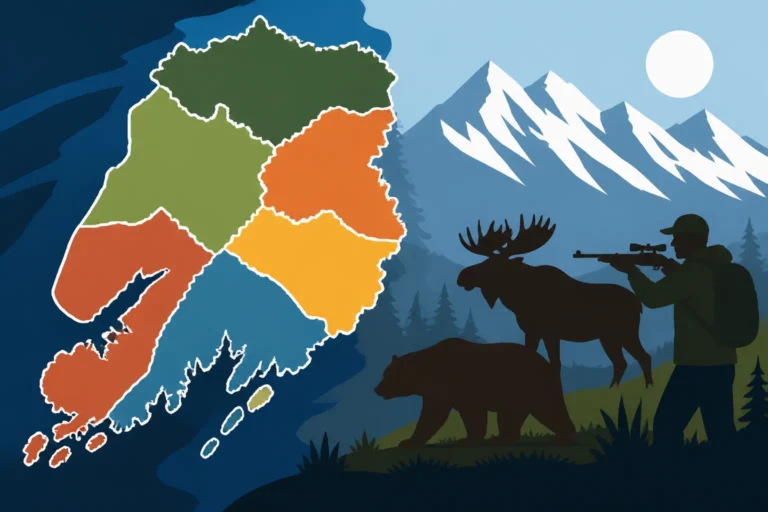
The Denali Highway primarily traverses through Game Management Unit (GMU) 13, specifically Unit 13B for much of its length. Understanding these units is absolutely critical because regulations, bag limits, and even the species you can hunt differ from one unit to the next. Unit 13 is one of Alaska's most renowned hunting areas, particularly for moose and caribou, due to its varied terrain and significant populations of both. This area is often a draw hunt for specific species or certain permits, and staying on top of the regulations for your chosen unit and subunit is paramount. For example, some areas within 13B might have specific antler restrictions for moose, like the spike-fork or 50-inch spread rules, while others might not. Always check the current hunting regulations booklet; it’s your bible.
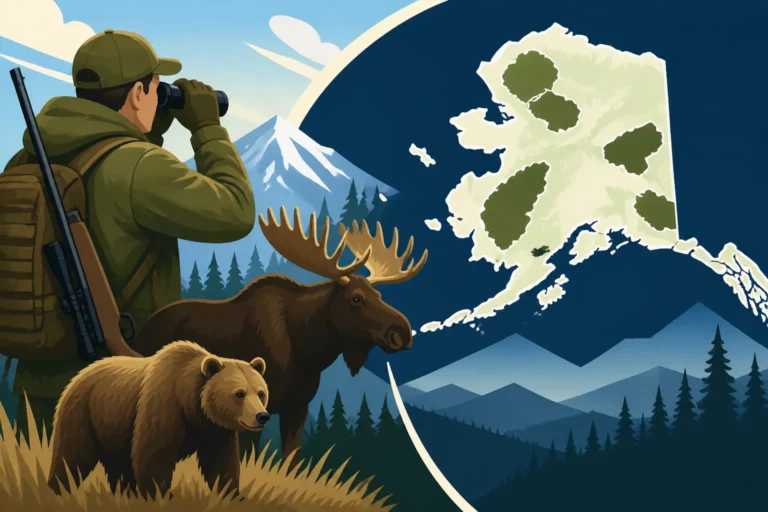
You might also touch the edges of other units depending on how far north or south you venture from the main highway. Familiarizing yourself with the GMU boundaries using a good mapping app like onX Hunt is essential before you ever leave home. These apps allow you to overlay GMU lines directly onto your satellite imagery, ensuring you know exactly where you stand, literally and legally. Alaska Game Management Units and How They Are Numbered is a great resource to understand the broader system. You'll want to pay particularly close attention to Unit 13's specific boundaries and any subunits within, as these dictate what kind of permits or tags you'll need. The Nelchina caribou herd, for instance, is a major draw for this region, and its management is tied directly to Unit 13.
General Access and Restrictions
While the Denali Highway offers incredible access, it's not a free-for-all. There are specific rules regarding motorized vehicle use off the main road. Generally, you can drive and camp right off the highway, parking in designated pullouts or finding a suitable spot to pitch a tent. However, venturing off established trails with ATVs or other off-road vehicles is often restricted, especially in certain seasons or within specific conservation areas. Many of these restrictions are designed to protect the fragile tundra from damage and prevent excessive pressure on game animals. It’s crucial to know where you can and cannot take your ATV. Sometimes, what looks like a well-worn trail on a map might actually be a game trail or an illegal shortcut, and following it could lead to citations.
Moreover, certain sections of the Denali Highway, or areas immediately adjacent to it, might be part of a "Controlled Use Area" which imposes additional restrictions, often on aircraft use or specific types of motorized vehicles. These areas are designed to preserve a backcountry hunting experience by limiting certain modern conveniences. You absolutely need to research these specific restrictions for your chosen hunting grounds. Understanding ATV Access Tactics on Alaska's Denali Highway and checking current Alaska Controlled Use Areas and What They Restrict is a non-negotiable step in your planning process. The fines for violating these rules can be substantial, and ignorance is rarely an acceptable excuse in the eyes of game wardens.
Prime Species and Their Habitat Along the Highway
The Denali Highway region is a truly diverse ecosystem, supporting a range of big game animals that draw hunters from all over. Knowing where and when to target these species is key to a successful hunt. The terrain itself, from open tundra to dense willow thickets, dictates where these animals spend their time.
Caribou: Migratory Habits and Hotspots
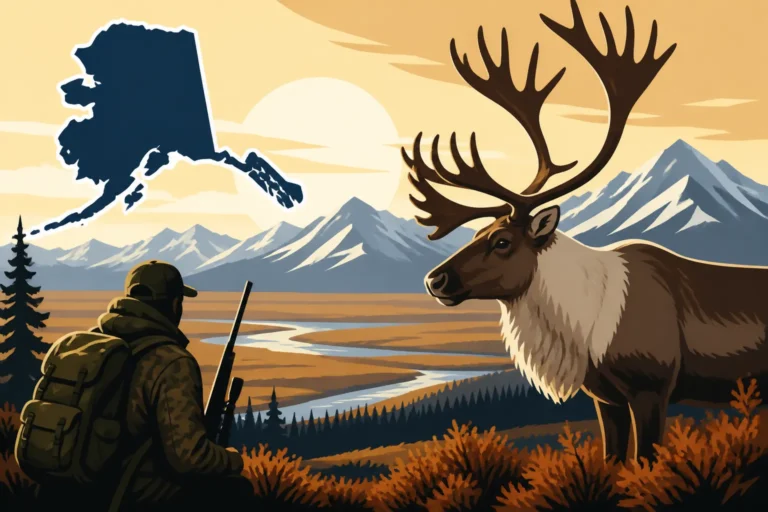
Caribou hunting along the Denali Highway is primarily focused on the vast Nelchina Herd, one of Alaska's most prominent herds. What makes caribou hunting unique is their migratory nature; they are constantly on the move, following feed and responding to weather. This means a spot that was crawling with caribou last week might be barren this week, and vice-versa. Successful caribou hunting often hinges on timing your hunt with their migration patterns, which can shift year to year. You'll want to study historical migration routes and check current ADF&G updates on herd locations before and during your hunt. Early season can sometimes catch them still spread out, while later in the season, they might be moving in larger groups.
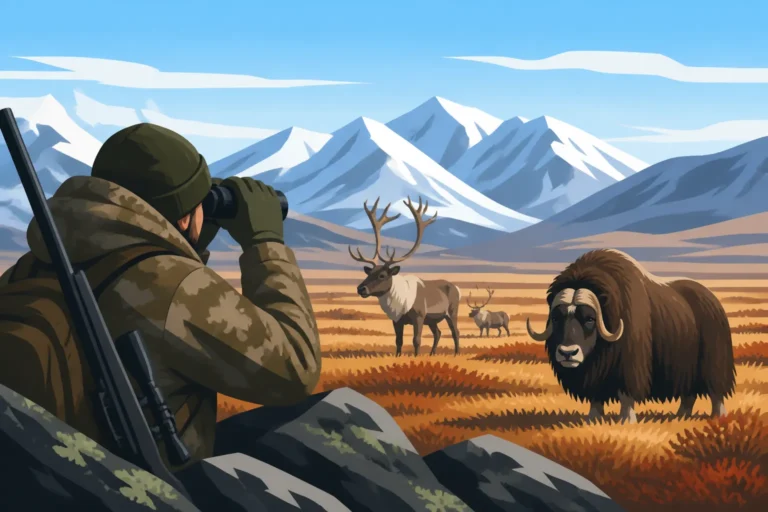
The open tundra and rolling hills that dominate much of the Denali Highway corridor provide ideal caribou habitat. They'll often be found grazing on lichen and various tundra plants. Scouting with good optics from high points is absolutely essential. You're looking for dark specks moving across the landscape, sometimes miles away. Once spotted, a long stalk over often spongy, uneven ground is usually in order. This isn't a sit-and-wait kind of hunt; it's an active pursuit. Pay attention to wind direction, as caribou have an excellent sense of smell. For a deeper dive, check out Caribou Herds of Alaska and How They Move. The Denali Highway provides numerous access points to intercept these animals as they move through the vast landscape.
Moose: Burn Areas and River Bottoms
Moose are another major draw to the Denali Highway, and the habitat here is excellent for them. Unlike caribou, moose are more sedentary, preferring specific areas with abundant browse. They thrive in new growth areas after wildfires, in dense willow thickets along rivers and creeks, and in swampy, low-lying areas. The numerous drainages and river systems that cross the highway, like the Susitna and MacLaren, create perfect moose country. The timbered sections and old burn scars that line parts of the highway are often prime locations. These areas provide both the food they need and the cover they seek.
Calling moose during the rut, typically in September, can be incredibly effective in this region. Bull moose respond well to cow calls and antler raking in the thick willows and spruce. You'll need patience and good stealth to get close. Often, you'll hear them before you see them, grunting or crashing through brush. It can be incredibly frustrating to hear a bull but not be able to locate it in the dense cover. Many hunters focus on the first and last hours of daylight, when moose are most active. While you won't find the sheer moose density of some parts of Unit 20A, the Denali Highway still offers fantastic opportunities for big bulls. For some serious insight into calling, read Calling Bull Moose During the Alaska Rut. Don't forget that Alaska Moose: Where the Biggest Bulls Live will give you a good idea of what to expect from the bulls in this region.
Black Bear and Grizzly Bear: Where to Find Them
Both black bears and grizzly bears (interior brown bears) frequent the Denali Highway corridor. Black bears are more common in the forested and brushy areas, especially where there are berries in late summer and fall. They can be found foraging along creek bottoms, in dense timber, and sometimes even out on the open tundra, though less frequently than grizzlies. Early fall, when berries are ripe, is a great time to spot them.
Grizzly bears are more adaptable and can be found almost anywhere along the highway, from the high, open alpine slopes to the dense brush along rivers. They are often seen grazing on roots and plants in the open tundra, especially in spring and early summer, or scavenging for berries in the fall. Spot-and-stalk is the primary method for hunting both species, requiring keen eyes and a methodical approach to glassing. Being bear aware is always paramount, especially when handling game meat in camp. Bear Safety While Butchering a Kill in Alaska is vital information for any Denali Highway hunter. Remember, distinguishing between black and brown bears can be tricky, especially with color phase variations, so be absolutely certain of your target before pulling the trigger. Alaska Brown Bears on the Coast Versus Interior Grizzlies provides excellent detail on their behavior and identification.
Small Game Opportunities
Beyond the big game, the Denali Highway offers excellent opportunities for small game, particularly ptarmigan and grouse. These birds are often found along the edges of the road, in willow patches, or on the open tundra. They can provide a welcome addition to camp meals and a fun way to fill time when big game activity is slow. Rock and Willow ptarmigan are common, especially in the higher elevations. Their camouflage is incredible, so you'll need a sharp eye to spot them. Spruce grouse are found in the more timbered areas. Carrying a shotgun or a small .22 rifle can turn a slow afternoon into a productive foray for camp meat. Waterfowl and Ptarmigan as Camp Meat is a good read if you plan on adding some feathered fare to your menu. These birds are abundant, and harvesting a few for dinner can be a real morale booster on a long hunt.
Navigating Access and Regulations on the Denali Highway
Hunting the Denali Highway isn't just about finding game; it's also about understanding the complex web of access rules and regulations. Failing to do your homework here can turn a dream hunt into a legal headache.
Road-System Hunting Versus Off-Road Vehicle Use
The beauty of the Denali Highway is its "road-system" access, but that comes with a caveat. While you can hunt directly from the highway, accessing deeper pockets of wilderness often requires venturing off the main drag. This is where ATVs come into play for many hunters. The Denali Highway area has a network of established trails, many of them old seismic lines or winter trails, that can take you miles from the highway. However, the use of these trails is heavily regulated. Some trails might be open only during certain times of the year, or only for specific types of vehicles. Other areas might be completely closed to motorized use off the main road to protect fragile habitat or create a walk-in-only hunting experience.
It's absolutely essential to consult the most current ADF&G regulations and land status maps. Using tools like onX Hunt can show you established trails and, crucially, which land is public versus private or Native Corporation land, where access rules can be very different. Never assume a trail is open just because it's visible on a map or looks well-traveled. If you're planning to use an ATV, ensure it meets all regulatory requirements, and be prepared for incredibly rough terrain. Breaking down miles from the highway on a remote trail is not an uncommon occurrence, and you need to be self-sufficient for repairs. Always operate within designated trails to avoid environmental damage and legal issues. The article ATV Access Tactics on Alaska's Denali Highway will give you specific strategies for using these vehicles responsibly and effectively in this environment.
Understanding Land Status
Alaska has a patchwork of land ownership: state, federal, private, and Native Corporation lands. Along the Denali Highway, you'll encounter all of them, and each comes with its own set of access rules. While most land directly adjacent to the highway is state land and generally open to public access for hunting, you can quickly find yourself on private or Native Corporation property if you stray too far without checking your maps. Hunting on private or Native Corporation land without permission is trespassing and can lead to serious legal repercussions. This is where precise mapping tools become invaluable.
Before your hunt, use applications like onX Hunt or physical land status maps to identify the boundaries. Many Native Corporations do sell permits for hunting on their lands, but these need to be purchased in advance and can be costly. Never assume. Always verify. It's a frustrating reality for many hunters that the lines on a map can dictate where you can pursue game, but it’s a non-negotiable part of hunting responsibly in Alaska. If you see signs indicating private land or a Native Corporation boundary, respect them. This is an important part of Land Status in Alaska: State, Federal and Native Corporation. The last thing you want is to have a successful hunt derailed by a land ownership dispute.
Specific Regulations and Emergency Orders
Alaska's hunting regulations are dynamic, and for a popular area like Unit 13 and the Denali Highway, they can change frequently. This is particularly true for species managed by quota, like caribou. It's not uncommon for an emergency order to close a season early if harvest quotas are met, sometimes with very little notice. This can be incredibly frustrating if you've planned your entire trip around a specific season, only to find it closed when you arrive. You must stay current with emergency orders published by the Alaska Department of Fish and Game. Check their website daily, or even call their local offices, especially in the weeks leading up to and during your hunt.
Beyond emergency closures, pay close attention to antler restrictions for moose (spike-fork, 50-inch spread, or three brow tines), bag limits, legal shooting hours, and any specific gear restrictions. Some areas might have bow-only zones or specific caliber requirements. Make sure your tags and permits are in order. For many species, you'll need a harvest ticket, a registration permit, or a drawing permit. For instance, caribou often require a specific permit for the Nelchina Herd. Understand Alaska Harvest Tickets, Registration Permits and Draw Permits thoroughly. These regulations are designed to manage wildlife populations responsibly, and abiding by them is every hunter's ethical and legal obligation.
Planning Your Denali Highway Hunt
A successful Denali Highway hunt isn't just about showing up with a rifle; it's about meticulous planning and preparation. The remote nature of the area demands self-sufficiency and a keen eye for logistics.
Essential Gear and Vehicle Prep
Your vehicle is arguably your most important piece of gear for a Denali Highway hunt. This isn't a paved road for your sedan. You need a reliable, high-clearance 4×4 truck or SUV. Ensure your tires are in excellent condition, preferably all-terrain, and always carry a full-size spare, a jack, and tools for changing a flat. The gravel can be brutal on tires. Consider bringing a second spare if you're venturing far or staying a long time. Pack extra fuel in jerry cans, as services are few and far between. A shovel, tow strap, and basic recovery gear are also wise additions. Breaking down in the middle of nowhere is not just inconvenient; it can be genuinely dangerous.
Beyond the vehicle, your personal gear needs to be robust and adaptable. Quality rain gear, even if the forecast looks clear, is non-negotiable. Layers are key to adapting to rapidly changing temperatures. Good quality hiking boots that are waterproof and well broken-in are paramount, as you'll be doing a lot of walking over uneven terrain. For camping, a reliable four-season tent or a sturdy wall tent with a stove is ideal, as temperatures can drop below freezing even in September. Don't skimp on optics; a good pair of binoculars and a spotting scope will be your best friends for picking out game across the vast tundra. Backpack Hunting in Alaska: Gear Weight and Meat Loads offers general advice that applies even to road-system hunting, especially for packing out game.
Camping and Logistics
The Denali Highway offers a mix of designated campgrounds and abundant opportunities for dispersed camping on public lands. Many hunters prefer dispersed camping for the solitude and the ability to set up closer to their hunting areas. When choosing a dispersed camp, look for a spot that offers some shelter from the wind, a relatively flat area for your tent, and access to water (which will need to be filtered or treated). Be mindful of your impact; pack out everything you pack in, and practice Leave No Trace principles. Campfires are often permitted, but always check current fire restrictions, especially during dry periods.
Before you leave, have a solid logistical plan. How long will you be out? How much food and water do you need? Where will you resupply? Remember that cell service is virtually non-existent for much of the highway, so rely on satellite communication devices like an InReach or satellite phone for emergencies and check-ins. Let someone reliable know your itinerary and expected return date. Meat care is another major logistical consideration. If you're successful, you'll need to quarter your animal and get it cooled quickly, especially in warmer early season weather. Consider bringing large game bags, a good cooler, and potentially a way to hang meat out of bear reach. Quartering a Bull Moose Alone in the Field and Hanging Meat in Warm September Weather will provide essential knowledge.
Safety and Communication in Remote Areas
Hunting in Alaska, even along a road system, carries inherent risks. The Denali Highway is remote, and help is not always readily available. Bear safety should be at the forefront of your mind. Both black and grizzly bears are common, and encounters, particularly around game kills, are a real possibility. Carry bear spray, know how to use it, and consider a large-caliber handgun as a backup. Make noise when traveling through dense brush, and be constantly aware of your surroundings. Never approach a bear, and give them a wide berth.
As mentioned, cell service is spotty to non-existent. A satellite communication device is a non-negotiable piece of safety gear. These devices allow you to send texts, receive weather updates, and most importantly, send an SOS in a true emergency. Even if you're hunting with a partner, having a way to communicate with the outside world is vital. Leave a detailed trip plan with a trusted contact, including your planned route, expected camp locations, and anticipated return date. This information is crucial if you become overdue. For solo hunters, Signal Devices and Check-In Plans for Solo Alaska Hunts is an absolute must-read. A basic first-aid kit, emergency shelter, and fire-starting tools are also essentials.
Maximizing Your Success: Tactics and Tips
Hunting the Denali Highway offers incredible potential, but success often comes down to employing smart tactics and leveraging available resources. It’s about working smarter, not just harder.
Glassing Techniques for Open Country
The Denali Highway region is characterized by vast, open landscapes – perfect for glassing. This isn't timber hunting where you might get a fleeting glimpse of an animal; here, you can often spot game from miles away. A high-quality spotting scope on a sturdy tripod is indispensable. Combine this with a good pair of binoculars (10x or 12x are popular choices). Find a vantage point, set up your optics, and methodically scan the landscape. Break down large areas into smaller grids, slowly moving your focus across the terrain. Look for movement, subtle color differences, or unusual shapes that break up the natural patterns of the land.
Many hunters make the mistake of glassing too quickly. Patience is key. Spend at least 15-20 minutes, or even longer, thoroughly scanning an area before moving on. Animals, especially caribou and sheep, can blend in incredibly well. Use the sun to your advantage, glassing with the sun at your back to minimize glare, and try to glass during prime feeding times – early morning and late evening. Don't forget to re-glass areas you've already covered, as animals can appear as if out of nowhere. The principles outlined in Glassing the Alaska Range: Finding Game Before You Move apply equally well to the rolling tundra and alpine slopes of the Denali Highway.
Scouting Before Your Trip
In today's age, scouting starts long before you ever hit the gravel. Satellite imagery, available through tools like onX Hunt and GoHunt, allows you to virtually explore your hunting unit from the comfort of your home. Look for natural funnels, game trails, old burn scars, willow thickets along rivers, and potential access points or camping spots. Pay attention to terrain features that might concentrate game, like saddles between hills or benches on a mountainside. Identifying potential glassing knobs and escape routes for game is also crucial.
Beyond satellite imagery, online resources like the Alaska Department of Fish and Game (ADF&G) website offer a wealth of information. You can find harvest statistics for specific GMUs, which can indicate areas of higher game density or success rates. Historical data on caribou migration patterns can also be found. Forums and social media groups dedicated to Alaska hunting can provide recent anecdotal information, though always take such information with a grain of salt. The goal is to develop a robust understanding of the area and a series of potential hunting plans before you arrive. This detailed homework, often called "e-scouting," is thoroughly covered in Scouting a Unit From Satellite Imagery Before You Fly, and it is a powerful tool for hunting areas like the Denali Highway where vastness can be overwhelming.
Meat Care in the Field
Being successful on a Denali Highway hunt means you'll have meat to deal with, and proper field care is paramount, especially if hunting early in the season when temperatures can still be mild. The rule of thumb in Alaska is to get the hide off and the meat cooling as quickly as possible. Quarter the animal, remove all hide and excess fat, and get the quarters into breathable game bags. This is where those breathable, synthetic game bags really shine. Never use plastic tarps or bags, as they trap heat and can quickly spoil meat.
Once quartered and bagged, the goal is to get air circulating around the meat. If you're near your vehicle, get the meat into a cooler with ice, or at least in the shade. If you're deeper in the bush, hang the quarters from a sturdy tree limb, ensuring they are off the ground and away from potential scavengers. This can be a challenge in areas with limited trees, but even propping them up on rocks to allow airflow is better than nothing. Bear safety, again, becomes critical when handling meat. Hang your meat away from your sleeping quarters and be vigilant. Properly caring for your meat ensures it's good for the table and prevents waste, which is a legal requirement in Alaska. Alaska Moose Meat Salvage Requirements details exactly what must be salvaged.
| Species | Primary Habitat on Denali Highway | Typical Season Timing | Tag Type Required (Non-Resident) | Scouting Notes |
|---|---|---|---|---|
| Caribou | Open tundra, rolling hills, migration corridors | Late August – Sept./Oct. | Locking Tag, often Registration Permit | Look for migration routes, high spots for glassing. |
| Moose | Willow thickets, river bottoms, burn scars | Early Sept. – Late Sept. | Locking Tag, often Draw or Registration Permit | Focus on dense cover, old burns. Call in rut. |
| Black Bear | Forested areas, brushy creek bottoms | Aug. – Sept./Oct. | Locking Tag | Look for berry patches, dens (spring). Spot & stalk. |
| Grizzly Bear | Open alpine tundra, various habitats | Sept. – End of season | Locking Tag (requires guide for non-resident) | Glass wide open areas, keep wind in mind. |
| Ptarmigan | Tundra, willow patches | Aug. – Spring | Hunting License | Walk creek beds, tundra edges. Hard to spot. |
Disclaimer
This article is for general informational purposes only and does not constitute professional advice. Laws, prices and regulations vary by location and change over time. Consult a qualified professional for guidance on your specific situation.