Alaska Controlled Use Areas and What They Restrict
Navigating Alaska's vast wilderness for a hunt can feel like an incredibly liberating experience, but it's easy to get tangled up in the dense thicket of regulations. One of the biggest challenges hunters often face is understanding Controlled Use Areas (CUAs) – those seemingly arbitrary zones that pop up on maps, suddenly dictating how you can and cannot access a prime hunting spot. This guide is here to untangle that complexity, explaining what CUAs are, why they exist, and how you can plan a successful hunt without inadvertently running afoul of the rules.
What Exactly is an Alaska Controlled Use Area (CUA)?
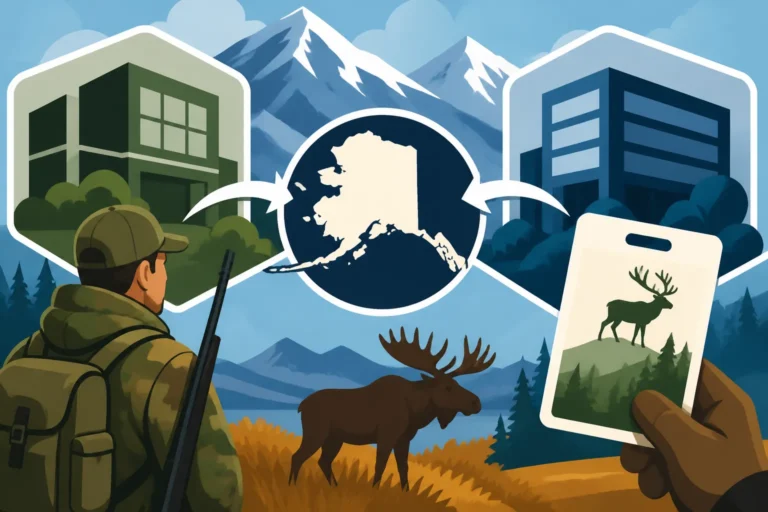
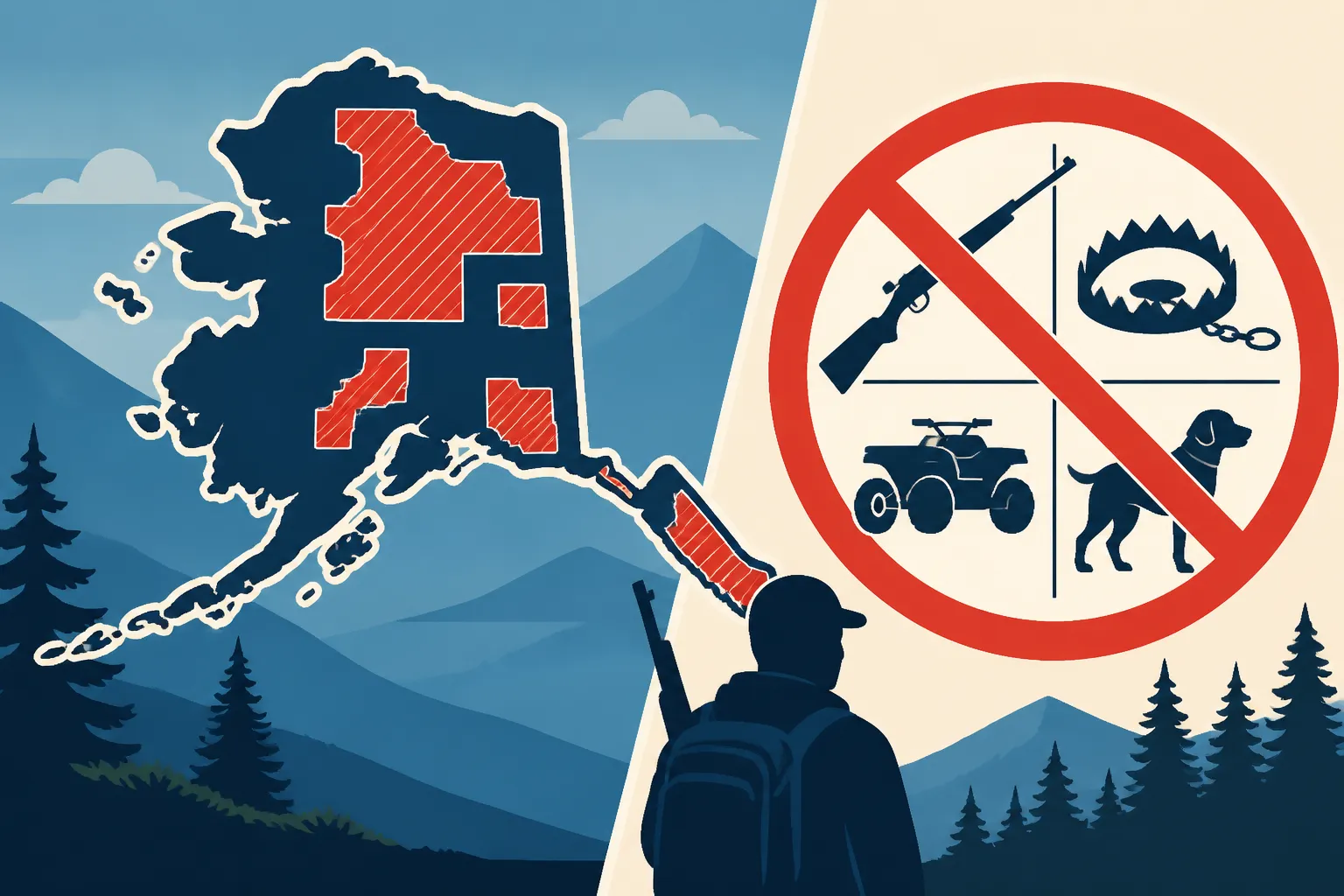
Picture this: you've finally saved up enough for that dream Alaska hunt, you've looked at the maps, and there it is – a promising stretch of land, rich with game. But then you see a strange designation, a "Controlled Use Area," and suddenly your plans for flying right into a remote lake or zipping in on your ATV are up in the air. This is the reality many hunters face. Controlled Use Areas, or CUAs, are specific geographic regions designated by the Alaska Department of Fish and Game (ADF&G) where certain methods of transportation or hunting are restricted. They're not always intuitive, and their boundaries aren't always marked by a fence, which is why understanding them is so crucial.
The Core Purpose Behind CUAs
At their heart, CUAs are a tool for game management and conservation. Alaska is a huge state, but certain areas, due to their unique ecology, accessibility, or specific game concentrations, can become magnets for hunters. Without some form of regulation, these areas risk overcrowding, excessive pressure on wildlife populations, and a diminished hunting experience for everyone. The idea is to manage hunter density, protect critical wildlife habitat or seasonal use areas, ensure fair chase, and often, to provide a more traditional, challenging hunting experience by limiting mechanized access. They serve as a vital component of the broader Alaska Game Management Units and How They Are Numbered system, adding a layer of detail that often dictates how you can hunt, not just what or when.
Imagine a remote valley that consistently holds a high density of moose. If every hunter could fly in and land right next to their chosen bull, the moose population would be unsustainable, and the quality of the hunt would plummet. CUAs are designed to prevent this "free-for-all" scenario, sometimes pushing hunters to use more primitive, and often more rewarding, methods to reach their quarry.
Common Types of Restrictions You'll Encounter
When you look at a CUA, the first thing you'll notice is that they're not all created equal. The restrictions can vary wildly depending on the specific CUA, the species being hunted, and even the time of year. However, some types of restrictions are far more common than others.
The most prevalent restriction you'll encounter is a ban on the use of aircraft for hunting purposes, often tied to Alaska's strict "same-day-airborne" rule. This means you can't fly into an area, spot game from the air, land, and then hunt that same day. In many CUAs, the aircraft ban goes further, prohibiting the landing of any aircraft at all within the CUA during hunting seasons, forcing hunters to fly into a nearby airstrip or lake outside the CUA and then travel in by foot or other non-motorized means.
Another common restriction involves motorized vehicles like ATVs, off-road motorcycles, or even airboats and snowmachines. These might be entirely prohibited, or their use might be restricted to designated trails, specific seasons, or only for game retrieval after a kill. For example, you might be able to use an ATV to access a CUA during a specific time of year, but only on existing trails, and then be required to switch to foot travel once you leave that designated corridor. Understanding these nuances is critical, especially when planning your approach.
Less common, but equally important, are restrictions on hunting methods, such as areas designated as bow-only or muzzleloader-only zones. These are often in place near population centers or to offer unique hunting opportunities. Occasionally, you'll also find limitations on camping locations, where you can't just pitch a tent anywhere, but must use designated sites. The key takeaway is always to check the specific regulations for the CUA you intend to hunt, as they are not uniform across the state.
Why Alaska Implements Controlled Use Areas
It's easy to see CUAs as just another hoop to jump through, another layer of bureaucracy that makes hunting in Alaska harder. But from a wildlife management perspective, they're often a necessary and effective tool. They exist to balance the increasing demand for hunting opportunities with the need to conserve wildlife populations and maintain the quality of the hunting experience. Without them, some of Alaska's most iconic species and pristine hunting grounds would quickly be overtaxed.
Managing Hunter Pressure and Experience
Imagine a place where every hunter could simply fly in, land within sight of a trophy bull moose, and shoot it. While perhaps efficient, it wouldn't be much of a hunt, would it? CUAs help spread hunters out and often encourage a more strenuous, rewarding style of hunting. They prevent the "cherry-picking" of easy-to-access animals and reduce the overall density of hunters in sensitive areas.
This management helps to preserve the very essence of what makes hunting in Alaska so special: the challenge, the solitude, and the feeling of truly earning your animal. By limiting access, these areas ensure that animals aren't constantly harassed, giving them space and refuge. This not only contributes to healthier game populations but also ensures that future generations of hunters can experience the same quality of wilderness hunting that Alaska is famous for. When an area gets too popular, it's not just the animals that suffer; the quality of the human experience diminishes as well, turning a wilderness pursuit into something more akin to a crowded park.
Protecting Sensitive Wildlife and Habitats
Many CUAs are established specifically to protect critical habitats or to reduce disturbance to wildlife during sensitive periods. For instance, areas that serve as crucial caribou calving grounds might have stringent flight restrictions during late spring and early summer to prevent undue stress on cows and newborn calves. Similarly, prime moose winter range, where animals are already stressed by deep snow and limited forage, might restrict snowmachine access to prevent them from expending vital energy fleeing from machines.
Consider the vastness of the Alaska Range, home to Dall sheep. Certain areas might be designated CUAs to limit aircraft disturbance during lambing seasons or to ensure that sheep populations have undisturbed escape routes. By reducing human intrusion, especially from noisy aircraft or vehicles, wildlife can utilize these areas more naturally, which is vital for long-term population health and sustainability. It's a proactive approach to conservation, ensuring that the ecosystems supporting these incredible animals remain as undisturbed as possible.
Ensuring Fair Chase and Ethical Hunting
One of the foundational principles of ethical hunting is "fair chase." This concept dictates that the hunter should not have an unfair advantage over the hunted. In an age of advanced technology, the ability to rapidly cover vast distances and spot game from the air, or to chase animals with motorized vehicles, can easily erode this principle. CUAs often directly address these concerns.
The most prominent example is the restriction on using aircraft for hunting. Alaska's strong regulations, often reinforced within CUAs, aim to prevent hunters from spotting game from a plane, landing, and immediately pursuing that animal. This ensures that hunters must rely on their scouting, tracking skills, and physical endurance, rather than technological shortcuts. It forces a more intimate and respectful interaction with the landscape and the wildlife. These rules maintain the integrity of the hunt, upholding a tradition of ethical engagement that many hunters deeply value. They create a level playing field, where the hunter's skill and effort are paramount.
Navigating the Complexities of CUA Regulations
Understanding that CUAs exist is one thing; actually figuring out which ones apply to your hunt and precisely what their rules are can be a whole other challenge. It’s not a one-size-fits-all situation, and what’s permitted in one CUA might be strictly forbidden just a few miles down the road in another. This requires diligent pre-hunt research and a solid understanding of how Alaska's regulations are structured.
How to Identify CUA Boundaries and Rules
The first, most crucial step to successfully hunting in or near a CUA is thorough research before you ever set foot in the field. Your primary resource will always be the current Alaska Hunting Regulations booklet, published annually by the ADF&G. This booklet details all CUAs, their boundaries, specific restrictions, and the species they apply to. Do not rely on outdated information! Regulations can change year to year, and even within a season via Emergency Orders.
Beyond the printed booklet, digital tools are invaluable. Modern hunting apps like onX Hunt are fantastic for this, allowing you to overlay CUA boundaries directly onto satellite imagery and topographic maps. This visual representation can be a game-changer, helping you understand exactly where a CUA begins and ends, and more importantly, where you can legally land a plane or drive an ATV. It’s the difference between guessing and knowing your exact location relative to a restricted zone. You can zoom in and see those invisible lines that could get you into trouble.
Additionally, checking the ADF&G website for Emergency Orders is paramount. These orders can implement sudden closures or modify existing rules due to unforeseen circumstances, like a rapidly declining herd population or extreme weather events. A company like GoHunt often compiles these regulatory updates, providing a useful resource for hunters trying to stay on top of changes. Ignoring these updates, even if you read the original regulation booklet, can lead to serious legal issues.
Understanding Exceptions and Specific CUA Quirks
Just to keep things interesting, some CUAs have specific quirks or exceptions that add another layer of complexity. For instance, while a CUA might generally ban motorized vehicles, it might have specific "corridors" or designated trails where ATVs are permitted for certain distances or for specific purposes like game retrieval. A well-known example is certain sections along the Dalton Highway Corridor Hunting Rules, which have specific firearm and access restrictions within a narrow buffer zone. This isn't a free-for-all, but a highly specific allowance that requires precise navigation.
Another common exception involves the "same-day-airborne" rule. While many CUAs aim to prevent hunters from spotting game from the air, some might allow you to fly into an airstrip within the CUA, as long as you adhere to the 24-hour waiting period before commencing your hunt. This subtle distinction is huge. It means you can use aircraft for transport to the area, but not for the hunt on the same day. Understanding these fine points is crucial.
Furthermore, some CUAs, especially those on federal lands, might have specific provisions for local residents or subsistence users, allowing them different access methods or seasons under Tier I or Tier II permits. If you're not a resident, these exceptions typically won't apply to you, but it's important to be aware of them so you don't misinterpret what you see others doing. Always assume the most restrictive interpretation applies to you unless you can confirm otherwise with the ADF&G.
Common CUA Restrictions and What They Ban
When we talk about Controlled Use Areas, certain restrictions pop up repeatedly because they address the most common challenges in Alaskan game management. These aren't just arbitrary rules; they're designed to maintain fair chase, protect wildlife, and preserve the wilderness experience. Understanding these categories of bans will give you a solid foundation for navigating any CUA.
Aircraft Bans: The "Same-Day-Airborne" Rule and Beyond
The most iconic and frequently discussed restriction in Alaskan CUAs revolves around aircraft. Alaska has long grappled with the implications of air travel on hunting, leading to the strict "same-day-airborne" rule. This rule, which is a cornerstone of ethical hunting in many parts of the state and heavily enforced within CUAs, dictates that you cannot hunt big game on the same day you have been airborne in an aircraft. The intent is clear: prevent hunters from using aircraft to spot animals, then immediately landing and pursuing them. It’s about ensuring the animal has a fair chance and that the hunt remains a true challenge. We have a whole article dedicated to this important rule, Alaska's Same-Day-Airborne Rule and What It Bans, and it's essential reading for any bush hunter.
In many CUAs, the aircraft ban goes even further than the same-day rule. It might prohibit any aircraft from landing within the CUA boundaries during designated hunting seasons. This means you can't just fly to a remote lake in the middle of a CUA, even if you plan to wait 24 hours. Instead, you'd need to land outside the CUA and hike, raft, or otherwise travel into it. This forces hunters to truly "earn" their access, often making for a much more challenging and solitary hunt. It's not uncommon for hunters to use air taxis to get close to a CUA boundary, then proceed on foot, sometimes packing in for days. Fly-In Hunting: Working With an Alaska Transporter Pilot goes into more detail about how to plan these logistics.
Motorized Vehicle Restrictions: ATVs, Snowmachines, and Airboats
Beyond aircraft, motorized ground and water vehicles are frequently subject to CUA restrictions. ATVs and other off-road vehicles can cover ground quickly, create noise, disturb sensitive habitat, and give hunters an unfair advantage by allowing them to chase game or penetrate deep wilderness areas with ease. Therefore, many CUAs restrict or outright prohibit their use.
For example, a CUA might allow ATVs on certain established trails or old mining roads, but once you leave that designated path, you must be on foot. Other areas might ban ATVs entirely during the hunting season, only allowing them for post-kill game retrieval on a case-by-case basis with a special permit. Snowmachines (snowmobiles) often face similar restrictions, particularly in areas important for wintering game like moose or caribou, where the disturbance can be detrimental to animals already struggling with harsh conditions. Airboats, with their ability to navigate shallow rivers and wetlands, are another type of motorized transport that often sees limitations in CUAs, especially those designed to protect waterfowl or sensitive riparian zones.
It's critical to remember that even if a regulation allows for "motorized access for game retrieval," this usually means after the animal is on the ground and you've tagged it, not for actively pursuing game. Hunters often struggle with the subtle distinctions here, and this is where a mapping app like onX Hunt can be invaluable, showing not just CUA boundaries but often highlighting designated trails or restricted zones where motorized vehicles are (or are not) allowed. For a deeper dive into motorized access, check out ATV Access Tactics on Alaska's Denali Highway, as this highway corridor also has specific rules to navigate.
Other Less Common But Important Restrictions
While aircraft and motorized vehicle bans are the most widespread, CUAs can also impose other types of restrictions that hunters need to be aware of. These might include:
- Weapon Restrictions: Some CUAs or portions thereof might be designated "archery-only" zones, or have specific rules for muzzleloaders. This is less common but happens, often near urban areas or to provide a specific type of hunting opportunity.
- Camping Limitations: In certain sensitive or heavily used CUAs, you might find restrictions on where you can pitch a tent or establish a camp. This could be to protect fragile vegetation, minimize human impact, or concentrate camping to reduce dispersed impacts.
- Road Closures: Even if a road technically leads into a CUA, it might be closed to public vehicle traffic during hunting season, forcing foot or bicycle access. This is particularly common on old logging roads or access routes that lead into otherwise roadless areas.
These "other" restrictions highlight the need for comprehensive research. Never assume that just because one rule isn't present, no other restrictions exist. Always consult the regulations for the specific CUA you intend to hunt.
Planning Your Hunt in or Around a CUA
Hunting in Alaska means being prepared for anything, and that certainly includes navigating the legal landscape of Controlled Use Areas. Rather than seeing a CUA as a barrier, view it as a challenge that, with proper planning and respect for the rules, can lead to an incredibly rewarding and solitary hunting experience. It just requires a different approach than a general season hunt.
Pre-Trip Research: Maps, Regulations, and Local Knowledge
The foundation of any successful hunt in or near a CUA is meticulous pre-trip research. Start by obtaining the most current Alaska Hunting Regulations booklet. Read it cover-to-cover, paying particular attention to the sections outlining specific CUAs and their rules. Do not skip this step! Regulations change, and what was legal last year might not be this year.
Next, integrate modern mapping technology into your planning. Apps like onX Hunt are indispensable for visualizing CUA boundaries on your phone or tablet, even offline in the field. You can mark potential access points, note restricted zones, and plan your routes precisely. Using these tools to scout your unit from satellite imagery before you even leave home is a smart move, helping you identify potential pinch points, terrain features, and areas where game might concentrate. Many serious hunters also subscribe to services like GoHunt, which compile a lot of this crucial regulatory information in one place, making it easier to digest.
Beyond regulations and maps, reaching out for local knowledge can provide invaluable insights. Call the nearest ADF&G office and speak with an area biologist or a local Alaska Wildlife Trooper. They can often clarify confusing regulations, provide updates on specific CUA conditions, or offer advice on common access points. Sometimes, a quick conversation can save you days of headache or even a citation.
Access Strategies for Restricted Areas
So, you've found your dream hunting spot, but it's smack dab in the middle of a CUA with an aircraft ban. What now? This is where your access strategy becomes crucial. You can't just fly in, but that doesn't mean you can't get there. It simply means choosing more traditional, often more physically demanding, methods.
Hiking in is the most common approach. This could mean a long backpack hunt from a road system or a designated landing strip outside the CUA. This often entails serious physical conditioning and careful planning for Backpack Hunting in Alaska: Gear Weight and Meat Loads. Alternatively, float hunting can be an excellent option for some CUAs. If a navigable river flows through or near the CUA, you can often use a raft or packraft to access the interior, sometimes dropped off by an air taxi upstream and then floating downstream. Packrafting Into a Roadless Alaska Drainage might provide some ideas for this type of trip.
Working with an air taxi is still a vital part of the equation for many CUA hunts. Instead of landing inside the CUA, your pilot will drop you off at the closest legal point outside the boundary. This could be a nearby lake, a gravel bar on a river, or a remote airstrip. From there, you'll transition to foot travel, possibly with pack animals if permitted and feasible. Communication with your air transporter about the CUA boundaries and regulations is paramount to ensure they drop you in a legal location. Always have a clear check-in plan and reliable Signal Devices and Check-In Plans for Solo Alaska Hunts, especially when venturing into these remote, restricted areas.
The table below provides a quick, simplified comparison of a few common CUA restriction types. Remember, specific rules vary greatly by CUA and season, so always consult the current Alaska Hunting Regulations.
| CUA Restriction Type | Primary Purpose | Common Modes Affected | Typical Hunter Impact |
|---|---|---|---|
| Aircraft Landing Ban | Prevent aerial scouting, reduce disturbance | Fixed-wing, floatplanes, helicopters | Requires foot, boat, or horse access from outside CUA |
| Same-Day-Airborne Rule | Ensure fair chase, prevent immediate pursuit | All aircraft | Must wait 24 hours after flight before hunting |
| Motorized Vehicle Ban | Protect habitat, reduce noise/disturbance, fair chase | ATVs, UTVs, snowmachines, airboats | Foot, bicycle, or horse access required; may allow retrieval |
| Weapon-Specific Areas | Offer unique hunting experiences, safety | Rifles, shotguns, specific broadheads | Requires adherence to designated weapon types |
| Access Corridors | Allow limited entry while preserving wilderness | Motorized vehicles on designated routes | Confined to specific paths; usually foot travel off-trail |
In essence, hunting in or around Alaska Controlled Use Areas demands a higher degree of planning, physical effort, and respect for the regulations. But for those willing to put in the work, these areas often offer some of Alaska's most pristine hunting opportunities and unforgettable experiences.
Disclaimer
This article is for general informational purposes only and does not constitute professional advice. Laws, prices and regulations vary by location and change over time. Consult a qualified professional for guidance on your specific situation.