Kuskokwim River Fall Moose Hunting
The Kuskokwim River beckons many a hunter with the promise of a trophy bull moose, but the sheer scale and remoteness of this vast Alaskan watershed can feel utterly overwhelming. Forget crowded roadsides; here, your hunting vehicle is a boat, and your challenges include ever-shifting sandbars, hidden snags, and the immense logistical puzzle of a true wilderness hunt. This guide will walk you through the realities, preparations, and tactics for a successful fall moose hunt on the mighty Kuskokwim.
Understanding the Kuskokwim River System for Moose Hunting
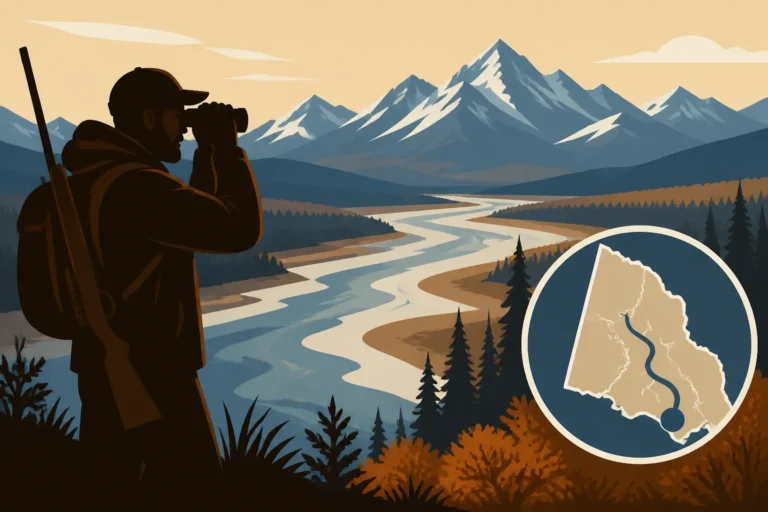
The Kuskokwim River, often called "The Kusk," is one of Alaska's largest and most important rivers, carving its way through hundreds of miles of diverse landscapes before emptying into Bristol Bay. For moose hunters, it represents a unique and incredibly productive, albeit challenging, environment. You're not just hunting moose; you're hunting an entire ecosystem defined by moving water and remote wilderness.
Navigating the Vast Waterways
Navigating the Kuskokwim is an undertaking in itself. The main stem of the river is wide and powerful, constantly reshaping its banks and creating new hazards. Shallow sections, unmarked sandbars, and submerged snags (known as "sweepers" or "deadheads") can appear suddenly, especially during the fall as water levels change. A successful hunt here absolutely hinges on having a reliable, well-maintained boat and a deep understanding of river navigation. Many hunters opt for jet-powered boats because they can traverse shallower water, but even then, careful observation and slow speeds are paramount. Picture yourself pushing miles upstream against a stiff current, all while scanning the river ahead for the tell-tale ripples of a shallow bar or the dark shadow of a sunken log. It’s a constant dance of vigilance and skill, and it will challenge even seasoned boaters. Fall can also bring rapidly dropping temperatures, and ice can begin to form in sloughs and calmer backwaters later in the season, adding another layer of complexity to travel.
Logistics for river travel include not just the boat itself, but enough fuel for your entire trip, plus a substantial reserve. There are very few places to refuel once you're on the river, and distances between communities can be vast. You'll also need a comprehensive emergency repair kit for your motor, spare parts like shear pins, and reliable communication devices. Cellular service is virtually nonexistent, so a satellite phone or an inReach device is not merely recommended, but absolutely essential for safety and checking in.
Prime Moose Habitat Along the Kuskokwim
Moose thrive along the Kuskokwim because the river system creates and sustains ideal habitat. You'll find a mosaic of willow thickets, alder stands, and birch forests along its banks and in the countless sloughs and oxbow lakes that branch off the main channel. These areas provide abundant browse, especially important in the fall as moose build up fat reserves for winter. Old burn areas, where wildfires have swept through decades prior, can be absolute magnets for moose as they regenerate with new growth. Identifying these preferred areas means slowing down, studying topographical maps and satellite imagery (tools like onX Hunt are invaluable here), and looking for the specific vegetation types moose prefer.
Moose behavior in this riverine environment is often tied to the water. They use sloughs and smaller channels for travel, feeding, and escaping pressure. You might spot them wading through shallow water, feeding on aquatic vegetation, or bedded down in thick willows near the bank. Understanding these patterns is key. For example, a big bull might prefer to spend his days in a dense willow patch on a quiet slough, only venturing out to the main river to cross or feed during low light. As the rut approaches in September, bulls become more active, moving more freely and covering ground in search of cows. This is when your chances of spotting a bull from the river or calling one in can increase dramatically. Knowing how to read the landscape, from the perspective of both a hunter and a moose, is vital. You'll be looking for fresh tracks along muddy banks, distinct rubs on willow saplings, and areas where moose have clearly been browsing heavily – all signs that you’re in a productive zone.
Essential Gear and Preparation for a Kuskokwim Moose Hunt
A successful Kuskokwim moose hunt isn't just about finding an animal; it's about being prepared for the incredibly demanding environment. The right gear, properly maintained, can make the difference between a triumphant harvest and a miserable, or even dangerous, outing.
Watercraft and Safety Equipment
Your boat is arguably the most critical piece of gear. For the Kuskokwim, many serious hunters prefer a sturdy, shallow-draft riverboat, often powered by a jet outboard. These boats are designed to navigate the skinny water, gravel bars, and braided channels common to the system. The size of your boat needs to be appropriate for the load you intend to carry, which, if successful, will include a quartered moose, all your gear, and several hunters. Overloading a boat is not just illegal; it's incredibly dangerous in a fast-moving, cold river. Consider the weight limits and plan accordingly.
Safety on the water cannot be overstated. Beyond a reliable boat and motor, you'll need multiple personal flotation devices (PFDs) for everyone on board, emergency oars or a backup motor, and a comprehensive toolkit for on-the-spot repairs. Water temperatures in the fall are hypothermically cold, so even a short immersion can be life-threatening. A ditch bag with emergency fire starters, signaling devices, and extra warm layers is also a smart addition. For communications, as mentioned, cell service is rare. A satellite phone, an inReach, or a similar two-way satellite communicator is vital for check-ins and emergency contact. Having a clear Signal Devices and Check-In Plans for Solo Alaska Hunts in place with someone back home is a non-negotiable for any remote Alaska adventure.
Camp Setup and Field Gear
Your camp on the Kuskokwim will likely be a temporary setup on a gravel bar or a high bank, providing crucial shelter from the elements. A robust tent that can withstand strong winds and heavy rain is paramount. Look for models designed for expedition use, not fair-weather camping. A good stove for heat and cooking will make the chilly fall evenings tolerable. You'll also need a full complement of cooking gear and enough food for your planned trip duration, plus several extra days' worth in case of weather delays or other unforeseen circumstances.
Clothing is another critical consideration. Alaska weather in the fall is notoriously unpredictable, often swinging from mild sunshine to driving rain and freezing temperatures in a single day. Layering is key, with waterproof outer layers (rain gear that actually performs in sustained downpours is essential), warm insulating layers (wool or synthetics, never cotton), and durable footwear. You might be spending hours standing in the rain, glassing a distant hillside, so quality gear is an investment in your comfort and safety.
When you've successfully harvested an animal, efficient meat care is paramount. Quality game bags are a must for protecting the meat from insects and dirt while allowing it to cool. Game Bags That Breathe in Coastal Rain are invaluable in Alaska's often damp conditions. You'll need sturdy rope, a block and tackle or pulley system to hang quarters, and a sharp knife kit for butchering. The goal is to get the meat cooled as quickly as possible. For more insights on this, you might check out Hanging Meat in Warm September Weather. Navigation in this vast wilderness relies heavily on a good GPS unit loaded with detailed maps, ideally with satellite imagery overlays. Products like onX Hunt or GoHunt provide invaluable layers of public/private land ownership, topo details, and aerial views that can help you identify prime habitat and avoid trespass. Always carry a traditional compass and paper maps as a backup; electronics can fail. Downloading Offline Maps Before a Fly-In is a crucial step for any remote hunt.
Rifle and Ammunition Considerations
For moose, you'll want a rifle chambered in a cartridge capable of delivering significant energy and penetration. Popular choices often include magnum calibers, but anything from a .30-06 up to a .375 H&H, paired with well-constructed bullets, can be effective. The key is shot placement and practicing with your chosen rifle to be proficient under field conditions. You might take a shot from a kneeling position, braced against a tree, or even off a wobbly shooting stick, so practice beyond the bench rest.
Before you even leave home, and certainly before you fly into a remote camp, ensuring your rifle is properly sighted in is critical. Even a slight bump during travel can throw off your zero. Read our guide on Sighting In a Rifle After a Bush Flight for tips on how to verify your scope is true, even without a formal range. Carry enough ammunition for your hunt, plus a substantial reserve. Modern hunting ammunition is generally reliable, but ensure your chosen loads perform consistently in varying temperatures and wet conditions. Keeping your ammunition dry and protected is a small detail that can prevent a big headache in the field.
Tactics for Successful Fall Moose Hunting on the Kuskokwim
Hunting moose on the Kuskokwim in the fall demands a blend of patience, persistence, and strategic thinking. It's often a game of hide-and-seek in vast, dense habitat, punctuated by moments of intense action.
River Scouting and Spotting
The Kuskokwim offers a unique advantage: the river itself provides a mobile scouting platform. Spend hours slowly cruising the main channel and especially the numerous sloughs, scanning the riverbanks with binoculars or a spotting scope. Look for moose feeding in the willows, standing in shallow water, or silhouetted against the skyline. Pay close attention to any areas where the vegetation looks disturbed – fresh tracks in the mud, broken willow branches where a bull has been rubbing his antlers, or heavily browsed areas. Moose are creatures of habit, and often frequent the same feeding and bedding areas.
Don't just scan the immediate bank; climb up onto any high ground or bluff you can safely access and use good optics to Glassing at First Light Versus Midday across large expanses of habitat. The combination of river travel and glassing from elevated points is often the most effective way to cover ground and locate animals in this environment. Remember, the river noise can mask your approach to some degree, but also be aware that moose along the main channels may be more accustomed to boat traffic than those deep in the sloughs.
Calling and Stalking Strategies
Fall moose hunting, especially during the rut, often revolves around calling. Bull moose become highly responsive to cow calls and the sound of antlers raking brush, especially from late September into October. You can use a variety of calls, from simple grunt tubes to a moose scapula or paddle for realistic raking sounds. Positioning is key; set up in an area with good cover, downwind from where you expect a bull to approach, and with clear shooting lanes. Then, start your calling sequence. Sometimes it's a soft, inquisitive cow call, other times an aggressive bull grunt and some serious raking to challenge a dominant bull. A good starting point is often a soft cow call, then waiting patiently. If no response, increase intensity or add some bull sounds. Our article Calling Bull Moose During the Alaska Rut dives deeper into effective strategies, and you can also find more specific tips in Best Moose Call Sequence for the Early Rut.
Once a bull responds, the real work begins. He might come in silently, or he might crash through the brush, grunting all the way. Pay close attention to wind direction, as moose have an incredible sense of smell. Move slowly, using available cover, and try to get into a shooting position without being detected. The dense vegetation along the Kuskokwim can make stalking challenging, but also provides excellent concealment if used correctly. If he hangs up, a soft cow call can sometimes coax him those last few yards.
Quartering and Meat Care in the Field
Harvesting a moose is a tremendous accomplishment, but the job is only half done. A moose is an enormous animal, and getting the meat properly cared for in the field is a major undertaking. Immediately after the shot, it's crucial to get the animal field dressed and, ideally, quartered as quickly as possible. The goal is to cool the meat down rapidly to prevent spoilage, especially if the weather is still warm.
You'll need a stout tarp to lay the meat on, keeping it clean from dirt and debris. Work efficiently to separate the four quarters, backstraps, tenderloins, and neck meat. Our guide on Quartering a Bull Moose Alone in the Field offers step-by-step advice. Once quartered, get the meat into breathable game bags and hang it off the ground, ideally in a shady, breezy spot. This promotes air circulation and further cooling. Hanging meat also keeps it away from scavengers.
Speaking of scavengers, the Kuskokwim region is prime bear country. Both black and brown bears are common, and they are quickly attracted to a kill site. Extreme vigilance is required during the entire butchering and meat-handling process. Having a plan for Bear Safety While Butchering a Kill in Alaska is not optional. This might include carrying a powerful sidearm, bear spray, or having a dedicated bear guard. Once the meat is hung, consider setting up a perimeter electric fence around your meat cache. For details on how to set one up, check out Bear Fence Setup at a Meat Cache. Proper meat care is not just about preserving your harvest; it's a legal requirement in Alaska to salvage all edible meat.
Regulatory Landscape and Considerations
Hunting moose on the Kuskokwim is an immense privilege, but it comes with a strict set of rules and regulations designed to manage wildlife populations and ensure sustainable hunting. Understanding these regulations is critical to a legal and ethical hunt.
Permits, Seasons, and Bag Limits
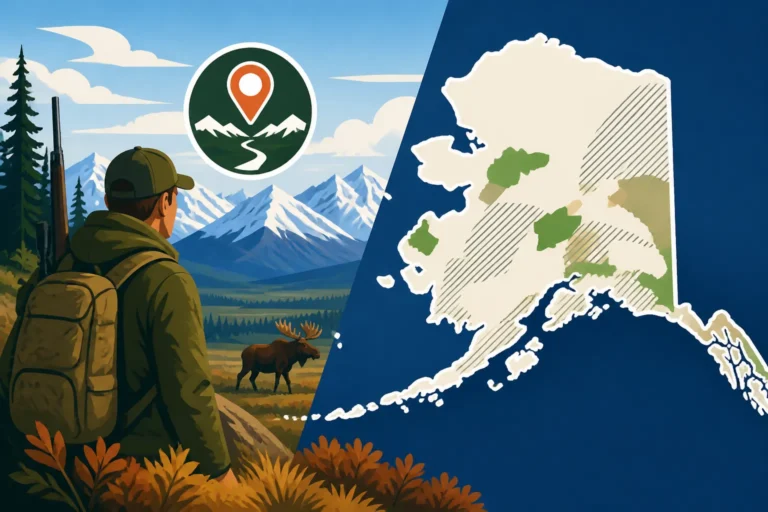
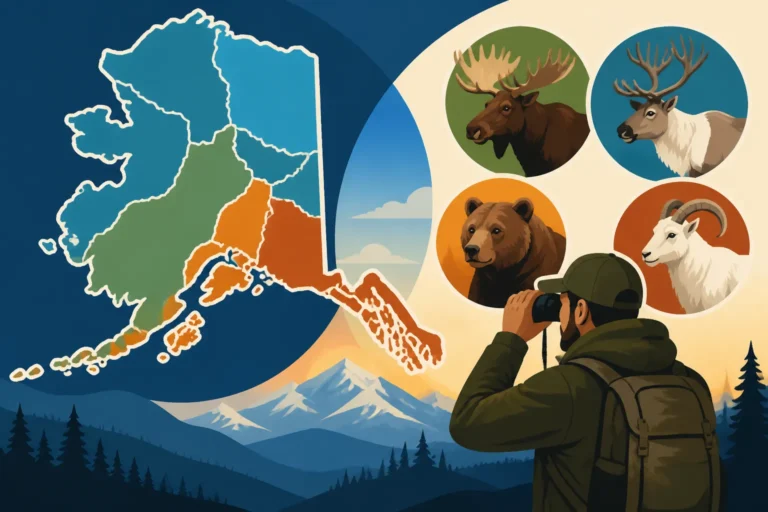
The Kuskokwim River spans multiple Game Management Units (GMUs), each with its own specific regulations, season dates, and bag limits. Before you even begin planning, you need to know exactly which GMU you'll be hunting in and then dive deep into its specific rule set. Moose seasons on the Kuskokwim typically occur in the fall, often starting in September, but dates and legal bull definitions can vary dramatically from one GMU to another, and even between subunits. Some areas might allow any bull, while others have strict antler restrictions, such as the Alaska Moose Antler Restriction Areas where you might need a bull with a certain number of brow tines or a minimum antler spread. Learning the difference between a spike-fork and a legal bull, especially under pressure, is key. Our article on Spike-Fork Legal Definition in Alaska can help you practice field judging.
Permits can range from general harvest tickets to registration permits, or even draw permits for specific, limited hunts. Always obtain the correct licenses and tags well in advance. Regulations can also change due to emergency orders, especially if harvest quotas are met or if winter conditions affect game populations. It is your responsibility to stay current on all regulations, including checking for Alaska Emergency Orders That Close a Season Early right up until you leave for your hunt. The Alaska Department of Fish and Game (ADF&G) website is your primary source for this information.
Transporting Meat and Trophies
The legal requirement to salvage all edible meat from your moose is fundamental to Alaska hunting. Alaska Moose Meat Salvage Requirements dictate that you must remove all meat suitable for human consumption from the field. This means not just the quarters, but also the neck meat, rib meat, and sometimes even the brisket. Failure to do so constitutes wanton waste and carries significant penalties.
Once you have your moose quartered and bagged, the challenge becomes getting it out of the bush. If you hunted directly off the river, your boat is your primary transport. But often, hunters will quarter the moose and then call for an air taxi to fly the meat back to a village or larger hub. This adds a significant logistical and financial layer to the hunt. You'll need to know your transporter's weight limits and have a clear plan for cold storage and further transport once the meat reaches civilization. For some species in Alaska, sealing requirements apply to certain hides or skulls, though this is less common for moose than for bears or wolves. However, it's always wise to double-check any Alaska Sealing Requirements for Bear and Wolf Hides as regulations can evolve. Make sure you have all necessary documentation, including your license and harvest ticket, easily accessible.
Respecting Land Use and Local Communities
The Kuskokwim River system flows through a complex patchwork of land ownership, including state lands, federal lands, and extensive parcels owned by Alaska Native Corporations and private Native allotments. It is absolutely crucial to understand Hunting on Alaska Native Corporation Land before you step foot on it. Many Native Corporations require permits and fees for access, and hunting without permission is trespass. Tools like onX Hunt are incredibly valuable for clearly identifying land ownership boundaries in the field.
Beyond legal land access, it's vital to remember that the Kuskokwim is home to many communities whose residents depend on these lands and waters for subsistence. Be respectful of local residents, their property, and their traditional hunting and fishing areas. This includes being mindful of your noise levels, not leaving trash, and giving way to subsistence users. A positive relationship between sport hunters and local communities is essential for the future of hunting in Alaska. Always leave your camp cleaner than you found it, pack out all your trash, and adhere to Leave No Trace principles. Alaska is a wild place, and we all share the responsibility of keeping it that way.
| Aspect | Key Consideration | Preparation Steps |
|---|---|---|
| River Navigation | Shifting sandbars, submerged snags, current strength, water levels | Reliable boat, powerful motor, spare parts, charts, GPS, knowledge of river conditions |
| Moose Habitat | Willows, alder, old burns, sloughs, oxbow lakes | Study topo maps, satellite imagery (onX Hunt, GoHunt), identify browse areas, look for sign |
| Weather & Clothing | Unpredictable, cold, wet, windy conditions | Layered clothing (non-cotton), expedition-grade rain gear, insulated boots, extra dry clothes |
| Camp Setup | Remote, exposed gravel bars, dense brush | Durable tent, cooking gear, reliable stove, warm sleeping system, bear-resistant food storage |
| Rifle & Ammo | Large game, potential for long shots, wet conditions | Appropriate caliber for moose, tested bullets, sighted-in rifle, extra ammo, waterproof storage |
| Communications | No cell service, vast distances | Satellite phone or inReach, emergency beacon (PLB/ELT), detailed trip plan shared with contacts |
| Meat Care | Large animal, warm fall temperatures, bear presence | Sharp knives, game bags, rope, pulley system, tarp, bear fence, strong back for packing |
| Regulations | GMU-specific rules, antler restrictions, emergency orders | Consult ADF&G regulations, secure licenses/tags, check for emergency orders, understand antler rules |
| Land Access | State, federal, Native Corporation, private allotments | Utilize mapping apps (onX Hunt), research Native Corp. permit requirements, respect private land |
| Emergency Prep | Extreme remoteness, cold water, wildlife | First-aid kit, survival essentials, water purification, signaling devices, emergency shelter, fire kit |
Disclaimer
This article is for general informational purposes only and does not constitute professional advice. Laws, prices and regulations vary by location and change over time. Consult a qualified professional for guidance on your specific situation.