Hunting Near Seward in Unit 7
For many hunters dreaming of Alaska, the sheer scale of the state can feel overwhelming. Just looking at a map of Game Management Units is enough to make your head spin, and trying to figure out where to even begin in a specific area like Seward, nestled in Unit 7, can be a real challenge. You're faced with towering mountains, dense coastal forests, and a maze of waterways, all while trying to understand the regulations that apply to this unique region. This guide is here to untangle that complexity, providing you with a clear roadmap to understanding and planning your hunt near Seward in Unit 7, so you can transform that dream into a well-prepared reality.
Understanding Alaska's Game Management Unit 7
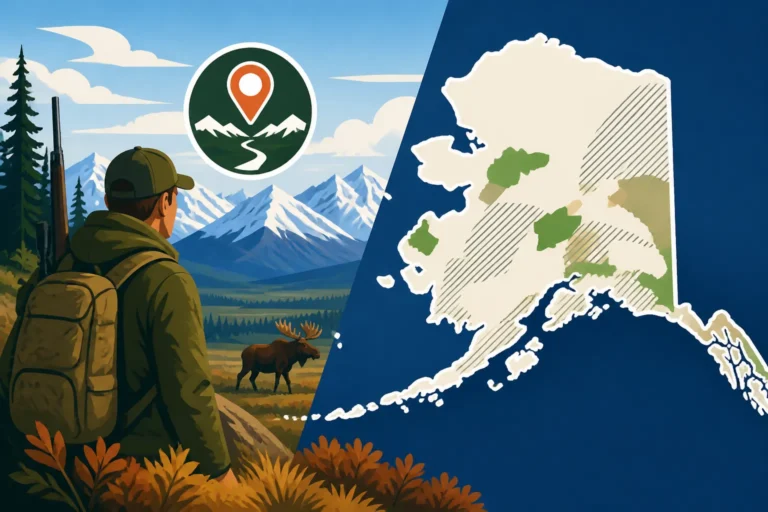
Unit 7, covering much of the Kenai Peninsula's southern and eastern portions, is a fascinating and often rugged landscape for hunters. It stretches from the Sterling Highway near Cooper Landing southwards, encompassing the city of Seward, the Kenai Fjords National Park, and extends east to Prince William Sound. This isn't a single, uniform environment; you've got everything from coastal lowlands to alpine peaks, and that variety directly impacts what you'll find and how you'll hunt. It's a place where saltwater meets the mountains, creating a dynamic and challenging hunting experience. Before you even pack your bags, it's crucial to grasp the lay of the land and what species call it home. Learning about Alaska Game Management Units and How They Are Numbered can help you put Unit 7 into a broader context.
The Boundaries and Terrain of Unit 7
Geographically, Unit 7 is primarily defined by the Chugach Mountains and the vast expanse of the Kenai Peninsula. The western boundary often follows the Sterling Highway, while the eastern side is hugged by the waters of Prince William Sound, a labyrinth of fjords, islands, and glaciers. To the south, it extends to the Gulf of Alaska. Near Seward itself, you'll encounter steep, glaciated mountains that rise dramatically from Resurrection Bay. These are not gentle foothills; we're talking about serious vertical terrain, often shrouded in cloud and fog, especially in the early and late seasons. The valleys often hold dense alder thickets and Sitka spruce forests, which can be incredibly challenging to move through. As you gain elevation, you'll transition into open alpine tundra, rock slides, and snowfields – prime habitat for some of the region's sought-after species. This diverse terrain requires a versatile approach and a strong understanding of mountain travel. For a deeper dive into the broader Kenai Peninsula, you might find Hunting Areas: Kenai Peninsula Units and Their Boundaries helpful.
The coastal areas of Unit 7 are heavily influenced by the marine environment, with countless bays, coves, and islands that are often only accessible by boat. This creates a completely different hunting dynamic compared to the interior reaches of the unit. Weather plays an immense role here; sudden storms can roll in, bringing heavy rain, high winds, and dense fog, making navigation difficult and travel hazardous. The terrain can be wet and slippery, even in what appear to be relatively mild conditions. Hunters often find themselves negotiating steep slopes composed of loose rock and slick moss, requiring careful footing and reliable gear.
Primary Game Species in the Seward Area
Unit 7 is most renowned for its Mountain Goats, which thrive in the steep, rugged alpine terrain above Seward. These majestic animals are a highly prized trophy, but hunting them is no easy feat. It involves intense physical exertion, navigating treacherous slopes, and often dealing with unpredictable weather conditions. The goat population here is generally healthy, but specific hunt opportunities are often managed through drawing permits to ensure sustainable harvest. If you're considering a goat hunt, understanding Alaska Mountain Goats in Coastal Cliff Country is essential, as the challenges are significant.
Beyond goats, Unit 7 also supports a healthy population of Black Bears, particularly in the lower elevations and dense forest areas. These bears are often found foraging in berry patches in the fall or emerging from dens in the spring. While Brown Bears (often called grizzlies in the interior) are present on the Kenai Peninsula, they are less prevalent immediately around Seward compared to other regions like the Alaska Peninsula. However, any bear encounter in the field requires extreme caution and preparedness. Moose are also found in Unit 7, though generally in lower densities than in interior units like 13 or 20A. They typically stick to the willow bottoms and marshier areas further inland from the immediate coastal mountains. Blacktail Deer are another option, especially on the coastal islands and lower slopes. Waterfowl and various small game birds, such as ptarmigan and grouse, can also be found, offering additional hunting opportunities for those looking to round out their camp meat.
Accessing Hunting Opportunities Near Seward
Getting into the hunting grounds around Seward can be one of the biggest hurdles. Unlike some interior units that offer extensive road systems or broad river access, Unit 7's rugged topography means that many prime areas are remote and difficult to reach. Your mode of access will largely dictate the type of hunt you can pursue and the species you're likely to encounter. Understanding these options is critical for realistic trip planning.
Road System Access: Seward Highway and Side Roads
The most straightforward access point for hunting near Seward is the Seward Highway itself. This scenic byway cuts through parts of Unit 7, providing a direct route to many trailheads and public lands. However, don't mistake "road access" for "easy access." While you can drive directly to various points, much of the hunting pressure tends to concentrate near these accessible areas. To find undisturbed game, you'll often need to hike miles into the backcountry from the road system. This might involve navigating dense brush, crossing rivers, and climbing steep slopes. Hunters often use ATVs on designated trails to cover ground, but always check local regulations for specific restrictions on motorized vehicles, as many areas are foot-traffic only. Road-System Hunting in Alaska Off the Glenn and Richardson offers a broader look at highway access across the state, and many of those principles apply here.
Small side roads branching off the Seward Highway, particularly those leading to trailheads or old logging tracks, can provide entry points. However, many of these are rough, unmaintained, and may require a high-clearance 4×4 vehicle. Always scout these roads beforehand, if possible, or consult with local resources on their current conditions. Parking at trailheads can also be limited, especially during peak hunting seasons or on busy weekends when hikers and recreationists are out. Be prepared to share the landscape and be respectful of other users, even in seemingly remote areas. Remember, much of the public land accessible from the road system is still very wild, and bears are common, so practicing good Bear Safety While Butchering a Kill in Alaska is paramount.
Marine Access: Boating the Fjords and Bays
For many of the truly remote and undisturbed areas in Unit 7, particularly for coastal Blacktail Deer or accessing the base of prime Mountain Goat terrain, marine access is key. Resurrection Bay itself, and the numerous fjords, coves, and islands that make up the Kenai Fjords National Park (though hunting is largely restricted within the park boundaries, surrounding state and federal lands are open), offer a unique approach. Hunters often utilize personal boats, charter services, or water taxis to reach secluded beaches and coves. This opens up vast amounts of shoreline and allows for different hunting strategies. You might drop off at a beach, set up a spike camp, and then ascend into the mountains from sea level. Hunting Alaska's Southeast Islands by Boat provides insights into boat-based hunting that can be very applicable to the coastal regions of Unit 7.
Planning a marine-based hunt requires careful consideration of tides, weather, and anchoring conditions. A small skiff might be fine for calm days in protected waters, but the open ocean can turn rough quickly, and you'll need a seaworthy vessel and experienced handler for extended trips. Knowing how to read a tide chart and understanding navigation in potentially foggy or stormy conditions is critical. Packing all your gear, food, and water, plus anticipating space for meat and trophies, is also a logistics challenge. It's a fantastic way to access areas rarely seen by road hunters, but it demands a different skillset and a greater investment in equipment or charter services.
Air Access: Limitations and Possibilities
While Unit 7 doesn't have the vast, flat landing strips common in interior Alaska for wheel planes, air access is still a possibility for certain remote areas, primarily via float plane. Small lakes and protected bays can serve as landing zones, dropping hunters off in areas otherwise inaccessible. This is generally the most expensive option but offers the highest potential for solitude and untouched hunting grounds. However, the mountainous terrain around Seward means that good, safe landing zones are fewer and farther between than in flatter regions. Always ensure your air taxi service is reputable and has experience operating in the specific area you intend to hunt.
Helicopter access for hunting is generally prohibited in Alaska, so float planes or potentially small wheel planes on very short, unimproved strips (though rare in Unit 7's core hunting areas) are your only aerial options. When considering air access, remember to factor in weight limits for gear, as well as the logistics of flying out your harvest. Bush planes have strict payload capacities, and bringing out a full moose or multiple goat loads can require multiple flights, adding significantly to the cost. Always have contingency plans for weather delays, as fog and high winds can ground planes for days, potentially stranding you in the backcountry longer than anticipated. When you are operating in areas with no cell service, knowing how to use Downloading Offline Maps Before a Fly-In with a robust mapping app like onX Hunt becomes absolutely essential for navigation and verifying land ownership.
Navigating Regulations and Seasons Specific to Unit 7
Alaska's hunting regulations are notoriously complex, and Unit 7 is no exception. Its blend of federal and state lands, varying terrain, and proximity to a population center means that rules can be highly localized. Missing a detail can turn a dream hunt into a legal nightmare, so diligent research is not just recommended, it’s mandatory. This isn't just about knowing when the season opens, but understanding the specific bag limits, legal animal definitions, and permit requirements unique to this corner of the Kenai.
General Seasons vs. Draw Permits
For many species in Unit 7, hunting opportunities fall into two main categories: general seasons or drawing permits. General seasons allow any hunter with a valid license and tag to participate, provided they adhere to all regulations. For example, Black Bear hunting might be a general season hunt, typically with a specific bag limit and method of take. These general hunts are often more accessible but can experience higher hunting pressure in popular areas. Conversely, other species, most notably Mountain Goats, are almost exclusively managed through a draw permit system in Unit 7. This means you must apply months in advance, often within the state's Alaska's November 1 to December 15 Draw Application Window, and hope to be selected in a lottery. The odds can be slim for highly sought-after permits, reflecting the limited harvest quotas.
Understanding which species fall under which system is paramount. Always consult the most current Alaska Hunting Regulations manual for Unit 7 before making any plans. These regulations detail season dates, bag limits (e.g., one bull moose, one goat, two black bears), legal animal definitions (e.g., full curl ram, spike-fork moose), and any specific weapon restrictions. Ignorance of the law is never an excuse, and game wardens in Alaska are highly professional and thorough. Be sure to review Alaska Hunting Seasons and Tag Rules Explained for a broader understanding of how these systems work across the state.
Special Considerations for Coastal vs. Interior Unit 7
The geographical diversity of Unit 7 also means that regulations can vary even within the unit. For instance, some specific areas closer to the coast or within certain federal land designations might have unique restrictions on motorized vehicle use, camping, or even firearms. Federal lands, such as portions of the Chugach National Forest that fall within Unit 7, often have different rules than state lands, especially regarding subsistence hunting by qualified rural residents. Always use a reliable mapping tool like onX Hunt to verify land ownership before you hunt and identify any special management areas or closed zones. This level of detail is critical to avoid accidental trespassing or violations.
Additionally, coastal hunts, especially those involving marine access, might have regulations concerning boat-based hunting (e.g., shooting from a moving boat is generally prohibited), or specific rules for transporting game over water. The environmental conditions also play a role; for example, proper meat care in the often-wet and mild coastal climate is essential. Hunters need to use game bags that can breathe and protect meat from constant moisture, as discussed in Game Bags That Breathe in Coastal Rain, to prevent spoilage. These nuanced differences between hunting near sea level versus high in the alpine need to be accounted for in your planning and understanding of the rules.
Bear Safety and Encounter Preparedness
Hunting in Unit 7, like much of Alaska, means hunting in bear country. Both Black Bears and Brown Bears are present, and encounters are a real possibility, especially when you're packing out meat or working a kill site. It’s not a question of if you'll see bear sign, but when you'll encounter a bear or signs of recent activity. Having a solid bear safety plan is critical. This includes carrying bear spray, knowing how to use it, and having a firearm appropriate for bear defense. For coastal brown bears, a larger caliber rifle is generally recommended. For more information, refer to Rifle Calibers for Coastal Brown Bear.
When you're actively hunting, butchering an animal, or caching meat, you become a magnet for bears. Always work with a partner, maintain situational awareness, and make noise to avoid surprising an animal. If you make a kill, move the animal off a trail if possible, and process it quickly. Hanging meat out of bear reach is crucial, but not always easy in dense coastal forests. Understanding basic bear behavior and having an emergency plan can mean the difference between a successful hunt and a dangerous encounter. Never assume a bear will simply run away; be prepared to defend yourself and your kill. For those interested in more specific safety measures, Bear Fence Setup at a Meat Cache can also provide valuable insights, even if not directly applicable to every spontaneous field dressing situation.
Planning Your Hunt for Success in Unit 7
A successful hunt in Unit 7, especially for challenging species like Mountain Goats, hinges on meticulous planning and honest self-assessment. This isn't a casual endeavor; it requires significant physical and mental preparation, as well as a detailed understanding of the gear and strategies needed to thrive in a remote, often unforgiving environment. Don't underestimate the Alaska wilderness – it will test your limits.
Gear Considerations for Coastal Mountain Hunting
The unique environment of Unit 7 demands specialized gear. Rain, fog, and wet conditions are the norm, even in late summer and early fall. Your rain gear needs to be top-notch – truly waterproof and breathable, not just water-resistant. Think durable outer layers that can stand up to bushwhacking through alder and spruce. Footwear is equally critical: waterproof, sturdy boots with excellent ankle support are a must for navigating slippery rocks, steep inclines, and potentially boggy terrain. Layering is key, as temperatures can swing wildly from chilly mornings to surprisingly warm afternoons, or plummet with the onset of a storm. Wool or synthetic base layers, fleece or puffy insulation, and a reliable outer shell will serve you well.
Beyond clothing, navigation tools are paramount. GPS devices, satellite communicators (like an inReach or similar), and high-quality maps are non-negotiable. Cell service is virtually nonexistent in most of Unit 7's hunting areas, so relying on your phone for navigation is a dangerous gamble. Downloading offline maps to a reliable app like onX Hunt, and carrying a compass and knowing how to use it, will be lifesavers when the fog rolls in and visibility drops to mere feet. Headlamps, first-aid kits, fire-starting supplies, and emergency shelters are also crucial elements of your pack. Always pack more food and fuel than you think you'll need, as weather delays can easily extend your time in the field.
Physical Demands and Preparation
Hunting Mountain Goats or even robust Black Bears in Unit 7's mountains is an extreme physical challenge. You'll be climbing steep, often unstable terrain with a heavy pack, potentially for multiple days, and then facing the monumental task of packing out an animal in the same conditions. This is not the place for a "couch to mountain" transformation a few weeks before your trip. Start training months in advance, focusing on cardiovascular fitness, strength training (especially legs and core), and carrying a heavy pack over uneven terrain. Hiking with a weighted pack, stair climbing, and general endurance exercises should be staples of your routine.
Mental fortitude is just as important as physical strength. The weather can be miserable, success isn't guaranteed, and discomfort will be a constant companion. Being able to push through fatigue, maintain a positive attitude, and make sound decisions under duress is vital. If you're going with a partner, ensure both of you are equally committed to the physical demands and have an honest conversation about expectations. Discussing Leaving a Trip Plan With a Contact and realistic fitness levels is not just about safety, but also about setting everyone up for a more enjoyable and successful experience.
Scouting and Information Gathering
Effective scouting for Unit 7 involves a multi-pronged approach. Before you even set foot in Alaska, immerse yourself in topographic maps, satellite imagery, and online resources. Tools like GoHunt can provide some data points, but detailed satellite maps (which onX Hunt excels at providing, even offline) are invaluable for identifying potential travel corridors, bedding areas, feeding zones, and access points. Look for natural funnels, benches in steep country, old burns, and water sources. Pay attention to changes in vegetation, as different species prefer different habitats.
Once on the ground, if pre-season scouting is possible, focus on areas with fresh sign, game trails, and suitable habitat. Use optics extensively – a good spotting scope and binoculars are critical for picking apart vast landscapes, especially for high-country game like goats. Look for rubs, tracks, droppings, and feeding areas. If you're hunting Blacktail Deer along the coast, glass beaches and tide flats at low tide, and explore creek drainages. Remember that animals in Unit 7 are often pressured near accessible areas, so the further you are willing and able to push, the better your chances of encountering undisturbed game. Combining your digital scouting with actual boots-on-the-ground reconnaissance will give you the best chance for a successful hunt.
Disclaimer
This article is for general informational purposes only and does not constitute professional advice. Laws, prices and regulations vary by location and change over time. Consult a qualified professional for guidance on your specific situation.