Denali Preserve Versus Park Boundaries
Venturing into Alaska's vast wilderness for a hunt is a dream for many, but the reality of navigating complex land designations, especially in iconic areas like Denali, can quickly turn that excitement into a headache. Many hunters find themselves scratching their heads, wondering if they can legally pull a trigger in one drainage while just a ridge over it's strictly off-limits. This guide will meticulously break down the critical differences between Denali National Park and Denali National Preserve boundaries, equipping you with the knowledge to plan a legal and successful hunt without unknowingly crossing a line.
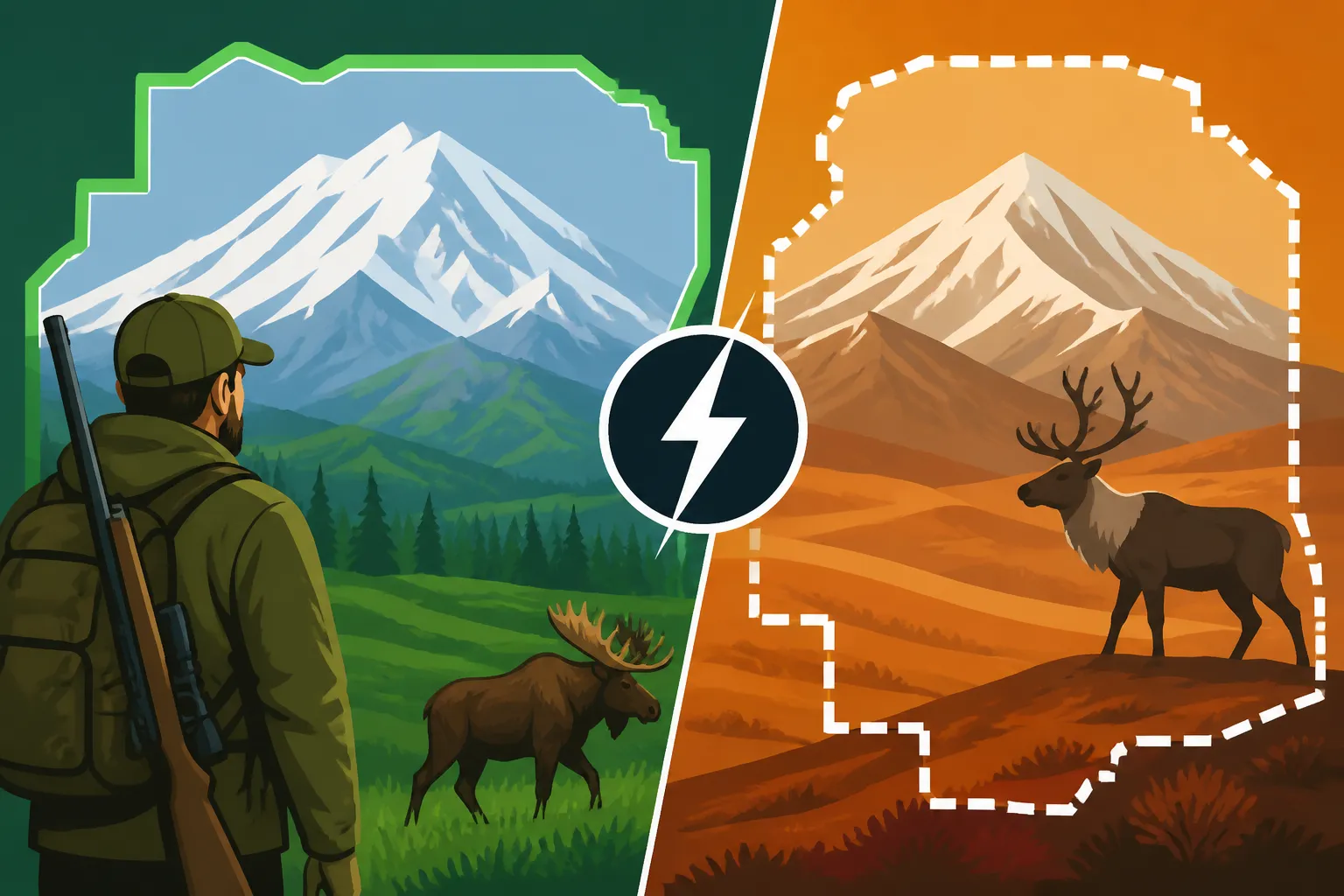
The Core Difference: Preserve Versus Park
When you hear "Denali," most folks immediately picture the towering peak and a vast, protected wilderness. And that's largely true! But what many don't realize is that within the overarching Denali complex, there are distinct legal designations that fundamentally change what you can and cannot do, particularly for hunters. It's not just one big, homogenous wilderness area. Understanding this distinction is the absolute first step to legally hunting in this incredible region.
What "National Park" Status Really Means
A National Park, by its very definition, is established to preserve natural and cultural resources for future generations, and to provide for public enjoyment of these resources in a manner that leaves them unimpaired. What this translates to for hunters is simple: no hunting. Zero. None. It's a sanctuary for wildlife where the primary goal is ecological preservation, not harvest. Think of it as a giant museum for nature, where the exhibits (the wildlife) are not to be taken home.
This means that within the boundaries of Denali National Park, you absolutely cannot hunt, trap, or even carry firearms in a manner that suggests hunting intent. Your rifle must be broken down or cased, and your bow unstrung or cased. Even if you're just hiking through a section of the park to get to the preserve, you need to ensure your gear is stored legally. The park service takes these rules very seriously, and ignorance is rarely a successful defense. You'll see regulations that apply to Alaska's Same-Day-Airborne Rule and What It Bans in the preserve, but the park has an even stricter stance against hunting.
The Freedom of "National Preserve"
Now, shift your mindset to a National Preserve, and things change dramatically for hunters. While preserves share the same commitment to preserving natural resources, they explicitly allow for traditional activities, including hunting and trapping, under specific regulations set by the State of Alaska and the National Park Service. This is where the magic happens for those looking to pursue game in the Denali region.
The "preserve" designation acknowledges that hunting has been a part of the human history and ecological management of these lands for centuries. It's a compromise, really, designed to protect the natural values while still providing for public access to traditional activities. So, while you're still in a federally managed area with incredible scenery and wildlife, the rules regarding firearms and hunting are much more akin to typical state-managed lands. You're expected to follow all state hunting laws, season dates, bag limits, and reporting requirements, in addition to any specific federal regulations unique to the preserve. It’s vital to consult both state and federal regulations before you head out, because if you're planning a fly-in hunt, you'll want to be certain you're landing in a legal area.
Why These Boundaries Matter for Hunters
The difference between a "park" and a "preserve" isn't just semantics; it's the difference between a legal hunting trip and a serious legal entanglement. Alaska is notoriously strict about its hunting regulations, and federal lands often add another layer of complexity. Ignoring these boundaries can lead to hefty fines, confiscation of gear, and loss of hunting privileges.
Species-Specific Hunting Regulations
Within the Denali National Preserve, different game species will have their own specific regulations. For instance, moose, caribou, Dall sheep, grizzly bears (which fall under the "brown bear" category in Alaska), and black bears are all present and can be hunted in various units and subunits of the preserve, depending on the season and your permit. However, the exact timing, methods, and even the type of permit (registration, draw, or harvest ticket) can vary greatly.
For example, a Dall sheep hunt in a preserve unit might require a specific draw permit and adherence to strict full-curl ram requirements, along with a mandatory hunter orientation. A caribou hunt might be open by harvest ticket, but subject to quota closures. You absolutely need to research the current year's hunting regulations booklet for the specific Game Management Unit (GMU) and subunit you intend to hunt. This isn't a "general knowledge" kind of place; it demands precise, up-to-date information for Alaska Hunting Seasons and Tag Rules Explained.
Access and Transportation Rules
Beyond just the act of hunting, the park and preserve designations profoundly impact how you can access these areas. Denali National Park has severe restrictions on motorized vehicles, often limiting access to certain paved roads or designated trails. Most of the park is managed as wilderness, meaning no roads, no ATVs, and often, even strict limits on aircraft landings.
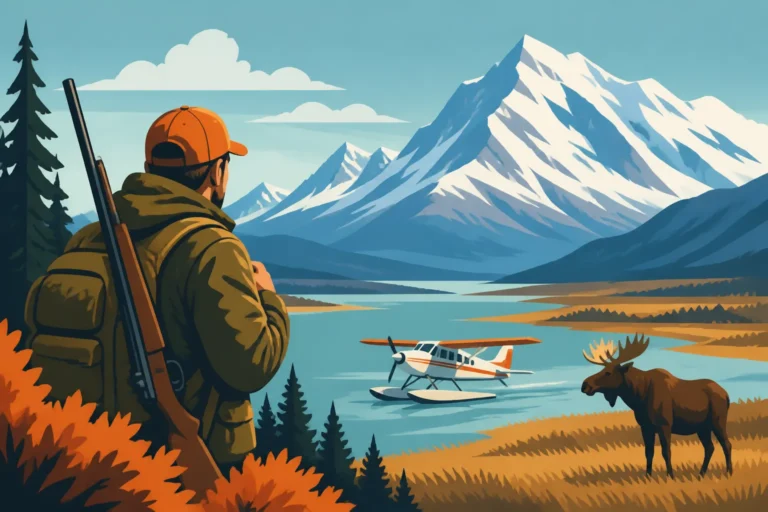
The Denali National Preserve, on the other hand, typically allows more diverse access methods. You might be able to use ATVs on certain trails, or even land an aircraft in specific areas for a drop camp hunt. However, even within the preserve, there are often designated "controlled use areas" or specific rules that limit motorized access during certain times of the year or for certain activities. For example, some areas might have restrictions on ATV Access Tactics on Alaska's Denali Highway, while others might be strictly walk-in only once you're on the ground. Always, always check the specific regulations for your intended hunting area and access points. A simple Google search won't cut it; you need the official state and federal regulations.
Navigating the Denali Boundary Maze
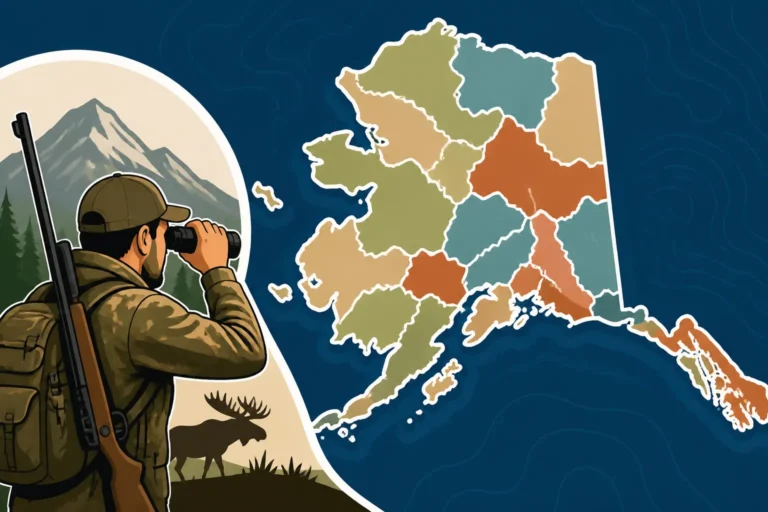
The complex tapestry of Denali's park and preserve boundaries, intertwined with state lands and sometimes even private or Native Corporation parcels, creates a genuine challenge for even seasoned Alaska hunters. It's not always a clear line on the ground, and getting lost or confused can have severe consequences. This is where modern technology and good old-fashioned map reading become your best friends.
Using Digital Tools to Stay Legal
In this day and age, there's simply no excuse for not knowing where you stand. Digital mapping applications are invaluable tools for hunters, especially in areas with convoluted land designations like Denali. Tools like onX Hunt or GoHunt provide detailed satellite imagery overlaid with property boundaries, including federal lands like national parks, preserves, and state lands. Many apps can also show you Game Management Unit lines, controlled use areas, and even private parcels.
Before you ever leave home, download offline maps of your entire hunting area. Cell service is virtually nonexistent in most of the Alaskan backcountry, so relying on a live connection is a recipe for disaster. Using your phone or a dedicated GPS device with these maps loaded allows you to see your exact position in real-time relative to all critical boundaries. I always mark my intended hunting zones, potential camp spots, and even exclusion zones (like the park boundary) as waypoints. It takes the guesswork out of "am I in the park or the preserve?" You can even overlay hunting unit boundaries, which is crucial since Denali National Preserve Hunting Access can vary even within the preserve.
Ground-Truthing Your Location
While digital maps are phenomenal, they are a tool, not a substitute for situational awareness. Always carry a physical map and compass as a backup, and know how to use them. Sometimes, dense timber, heavy snow, or even GPS signal interference can make digital navigation tricky. More importantly, train your eye to recognize landmarks and align them with your map.
When you're actually in the field, use your GPS or mapping app frequently to confirm your location, especially if you're nearing a known boundary or if visibility is poor. Don't assume. If you're hunting along a ridge and the map shows the park boundary just over the crest, make it a habit to double-check. It might mean changing your approach or even backing off to avoid an accidental violation. Knowing How to Check Alaska Land Status Before a Hunt is a year-round responsibility, not just pre-trip.
| Feature | Denali National Park | Denali National Preserve |
|---|---|---|
| Hunting Allowed | No, strictly prohibited | Yes, under specific state and federal regulations |
| Trapping Allowed | No | Yes, under specific regulations |
| Firearms Transport | Must be cased, broken down, or unloaded and stored, showing no hunting intent | Generally allowed, follow state law; specific restrictions may apply |
| Primary Purpose | Preservation of natural and cultural resources | Preservation while allowing traditional activities like hunting |
| Motorized Access | Highly restricted, often limited to specific roads/trails | More flexible, but still subject to specific regulations and seasonal closures |
| Permits Required | Park entrance fees for certain areas, no hunting permits | State hunting license, game tags (locking, harvest, or draw) |
Planning Your Hunt in Denali: Key Considerations
Planning a hunt in Denali, whether in the Preserve or adjacent state lands, is a multi-layered process. It's not just about knowing where you can hunt, but how you can hunt, what you need to bring, and who you need to inform. This is the difference between a frustrating trip and a truly memorable one.
Permits and Licensing Specifics
First and foremost, you need to possess a valid Alaska hunting license. Beyond that, the specific animal you intend to pursue in the Denali Preserve will dictate what other permits or tags you need. For instance, brown bear and Dall sheep typically require locking tags that must be purchased in addition to your license. Moose and caribou might be available through a general harvest ticket system, or they might be highly regulated draw permits, especially in popular or limited-entry areas. You might find more information on Alaska Harvest Tickets, Registration Permits and Draw Permits helpful.
Before you even apply for a draw permit or buy a harvest ticket, you need to confirm that the specific GMU or subunit in the preserve is open for that species during your intended hunt dates. Wildlife populations fluctuate, and the Alaska Department of Fish and Game (ADF&G) can and does issue emergency orders to close seasons early if quotas are met or conditions warrant. Staying current with these announcements is paramount. Never assume last year's regulations are the same as this year's.
Engaging with Park and Preserve Staff
Don't view park rangers or preserve staff as adversaries; they are a resource. Before your trip, call the local Denali National Park and Preserve office. Ask specific questions about boundaries, access, current conditions, and any special regulations. They often have the most up-to-date information on trail conditions, potential closures, or even unusual wildlife activity that could impact your hunt. They can clarify where to find reliable information regarding specific permits or area restrictions.
If you're using a transporter or guide, ensure they are fully licensed and have the proper permits to operate within the preserve. A good transporter will be intimately familiar with the boundaries and regulations, but it's ultimately your responsibility as the hunter to ensure you are compliant. Discuss your exact drop-off and pick-up locations with your air taxi pilot to ensure they are legal landing sites within the preserve and not inadvertently within the park. This might seem like overkill, but it ensures a smooth and legal operation, especially when considering remote logistics like Fly-In Hunting: Working With an Alaska Transporter Pilot.
Knowing the distinction between Denali National Park and Denali National Preserve isn't just a point of trivia; it's the foundation of a legal and ethical hunting experience in one of Alaska's most iconic landscapes. Take the time to study maps, read the regulations, and use modern tools to ensure every step you take and every shot you contemplate is within the bounds of the law. Alaska offers unparalleled hunting opportunities, and respecting its unique land management designations is key to preserving them for future generations of hunters.
Disclaimer
This article is for general informational purposes only and does not constitute professional advice. Laws, prices and regulations vary by location and change over time. Consult a qualified professional for guidance on your specific situation.