Seward Peninsula Muskox and Caribou Country
Hunting the vast, remote expanse of Alaska’s Seward Peninsula can feel like an overwhelming endeavor, full of unknowns about terrain, wildlife, and intricate regulations. Many prospective hunters are daunted by the sheer scale and isolation, wondering how to even begin planning for a successful trip for species as unique as muskox and the migratory caribou. This guide aims to pull back the curtain on hunting these incredible animals in this unique corner of the Last Frontier, offering a realistic look at what it takes to experience the hunt of a lifetime.
The Unique Landscape of Alaska's Seward Peninsula for Hunters
The Seward Peninsula, located in the western part of Alaska, is a landscape unlike any other. It's a land defined by vast stretches of treeless tundra, rolling hills, and a rugged coastline that meets the Bering Sea. For hunters, this translates to both incredible opportunity and significant challenges. Unlike the interior or mountainous regions of Alaska, the Seward Peninsula offers a relatively flat to gently rolling topography. While this might sound easy, it can be deceiving; the tundra is often wet, uneven, and riddled with tussocks that make walking strenuous and slow, especially when you're loaded down with gear or meat.
One of the primary frustrations hunters face when considering the Seward Peninsula is its sheer remoteness. There are very few roads, mostly concentrated around the regional hub of Nome, and even those don't extend far into the prime hunting grounds. This means that access is predominantly by air, typically via bush planes equipped with tundra tires or floats, depending on the landing options. Understanding how to work with air charter services, what their limitations are, and how to plan for potential weather delays is absolutely critical here. You're not just flying to a spot; you're often getting dropped off in truly wild country, miles from any human habitation or even a recognizable trail. This level of isolation demands a high degree of self-sufficiency and meticulous planning.
The peninsula falls primarily within Alaska Game Management Unit 22, which is further broken down into several subunits. Each of these subunits can have distinct regulations, especially when it comes to specific species like muskox or caribou, and it's imperative to understand the nuances of each. For instance, specific draw permits might be limited to certain subunits, or access rules might vary. Before you even start looking at hunting dates, you'll need to confirm the exact boundaries of your intended hunting area and the corresponding regulations. Mapping tools like onX Hunt become invaluable for overlaying these unit boundaries with satellite imagery, allowing you to visualize the terrain and potential access points long before you ever step foot on Alaskan soil. Remember, this isn't a place for casual guesses; precision in planning can make or break your hunt. Alaska Game Management Units and How They Are Numbered provides a great overview of how these units are structured across the state.
Deciphering Muskox Hunts on the Seward Peninsula
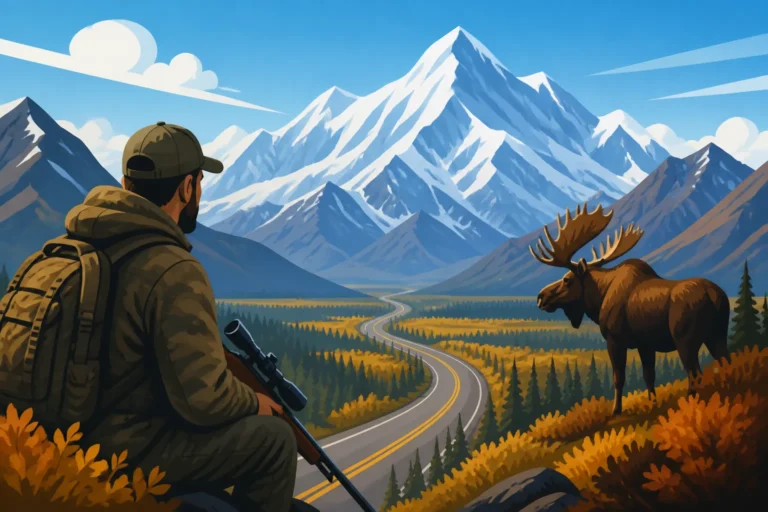
Muskox are ancient, shaggy creatures, and hunting them on the Seward Peninsula is often considered a pinnacle Alaskan experience. However, it's not a hunt you can simply decide to do on a whim. Muskox populations in Alaska are carefully managed, and access for most hunters, especially non-residents, is through highly competitive drawing permits. This means you’ll need to apply well in advance, often in the late fall or early winter for hunts taking place the following year, and be prepared for low odds. The application process itself requires careful research into past draw odds and a strategic approach to selecting hunt numbers. Services like GoHunt can be incredibly helpful for analyzing draw statistics, understanding where the better odds might lie, and tracking application deadlines.
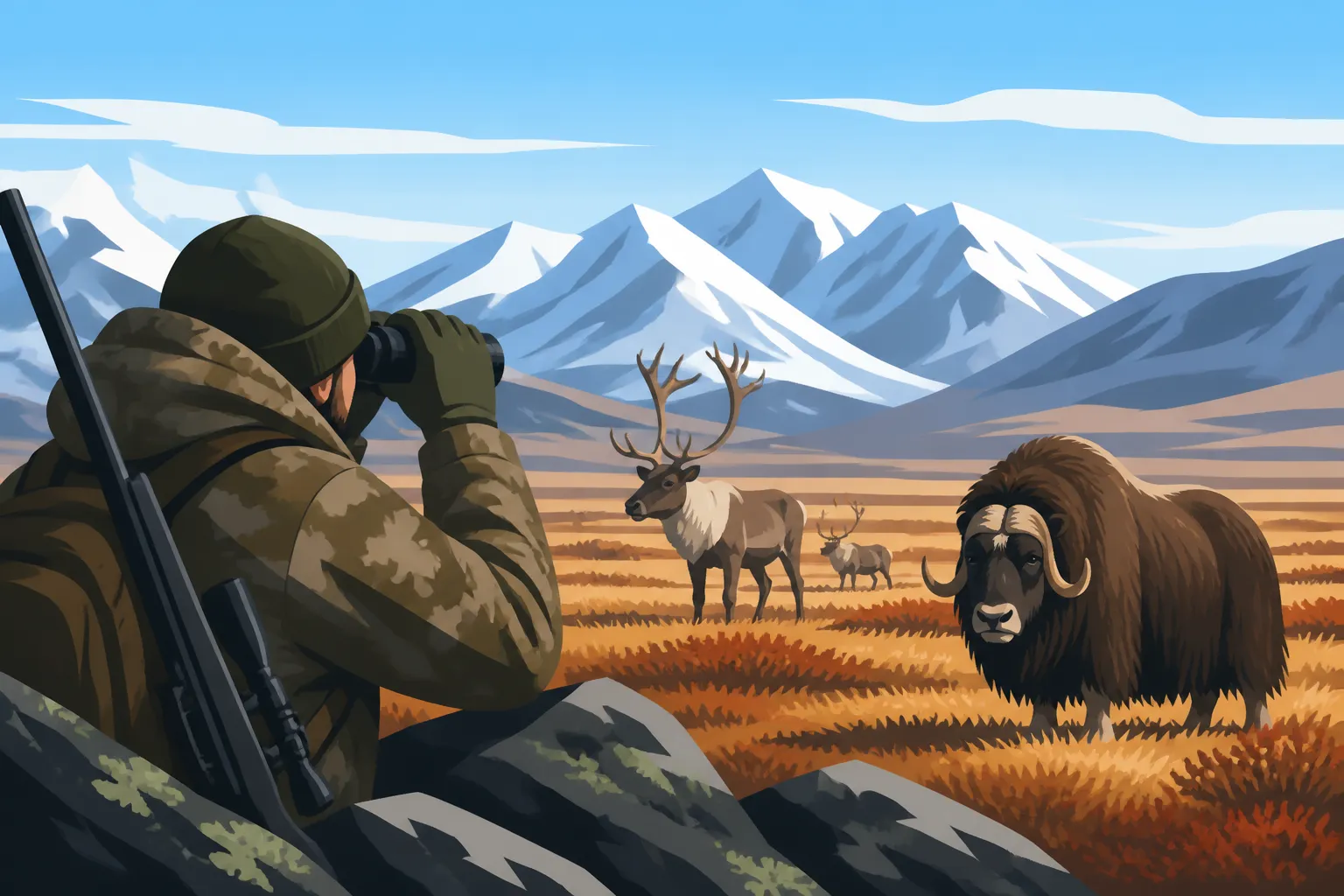
Once you're fortunate enough to draw a permit, the real planning begins. Muskox are typically found in herds, ranging from small bachelor groups to larger mixed-sex aggregations. Their behavior is unique; when threatened, they often form a defensive circle or line, presenting a formidable wall of horns and muscle. This makes for intense, close-quarters hunting, but also demands extreme caution and respect for these powerful animals. Hunting tactics usually involve extensive spot-and-stalk across the tundra. The open nature of the landscape means you’ll need good optics – a high-quality spotting scope and binoculars are essential – and patience to pick out herds from a distance, then execute a careful stalk through what might be deceptively flat but challenging terrain. Muskox Herd Structure and Rutting Bulls offers deeper insight into their social dynamics, which can be critical for a successful stalk.
The challenges don't end with the shot. Muskox possess an incredibly thick hide, dense wool (qiviut), and a substantial layer of fat, making butchering a demanding task in the field. Cooling the meat quickly is crucial, especially if hunting in early fall when temperatures can still be mild. You'll need durable game bags and a solid plan for packing out the heavy quarters. The remoteness of the Seward Peninsula often means you’ll be packing meat several miles over rough ground to your pickup point, so physical fitness is paramount. Consider the weight of their dense qiviut, which makes them incredibly insulated; this also means their hide needs careful attention to prevent spoilage. Muskox Qiviut and Winter Survival highlights just how well adapted these animals are to the cold, which directly impacts field care.
| Aspect | Muskox Hunt on Seward Peninsula | Caribou Hunt on Seward Peninsula |
|---|---|---|
| Permit Type | Primarily highly competitive drawing permits | General season harvest tickets (Western Arctic Herd often has quotas) |
| Access | Typically fly-in, remote drop camps | Fly-in, some road system access near Nome/Teller |
| Terrain | Tundra, rolling hills, often wet | Tundra, open plains, river valleys |
| Animal Behavior | Herds, defensive formations, less prone to flight | Large herds (migrations), constantly moving, more wary |
| Hunting Strategy | Spot & stalk, often close range on defensive animals | Intercepting migrations, extensive glassing, longer shots |
| Meat & Trophy Care | Very heavy hide/meat, dense qiviut, difficult field dressing | Moderate weight, less demanding field care |
| Physical Demands | High for packing out heavy loads over tussocks | Moderate to high, depending on migration and pack distances |
| Planning Lead Time | Years for draw application, then months for logistics | Months for logistics, monitoring herd movements |
Caribou Hunting on the Seward Peninsula: Migrations and Opportunities
Caribou hunting on the Seward Peninsula, particularly for non-residents, is generally more accessible than muskox, though it still requires careful planning and a deep understanding of herd movements. The region is primarily influenced by the expansive Western Arctic Herd, one of the largest caribou herds in North America. These animals are famous for their epic migrations, and predicting their exact movements can be a challenge. While they might be in a particular area one week, they could be miles away the next, driven by forage availability, weather, and breeding cycles. This transient nature means that flexibility and adaptability are key components of a successful caribou hunt here. Caribou Herds of Alaska and How They Are Moved provides essential background on their migratory patterns.
Access for caribou hunting can vary. While many hunters choose fly-in drop camps to reach remote areas where caribou might be concentrated, there are also limited opportunities for road-system hunting out of Nome, particularly along routes like the Kougarok Road or the Teller Road. However, these road systems see significant pressure, and caribou movements near them are often sporadic. Scouting using satellite imagery with tools like onX Hunt can help identify potential migration corridors or preferred feeding areas, especially if you’re planning a fly-in hunt. Monitoring Alaska Department of Fish and Game (ADF&G) reports and speaking with local air taxi operators can give you the most up-to-date information on herd locations and movements, which are critical for timing your hunt right.
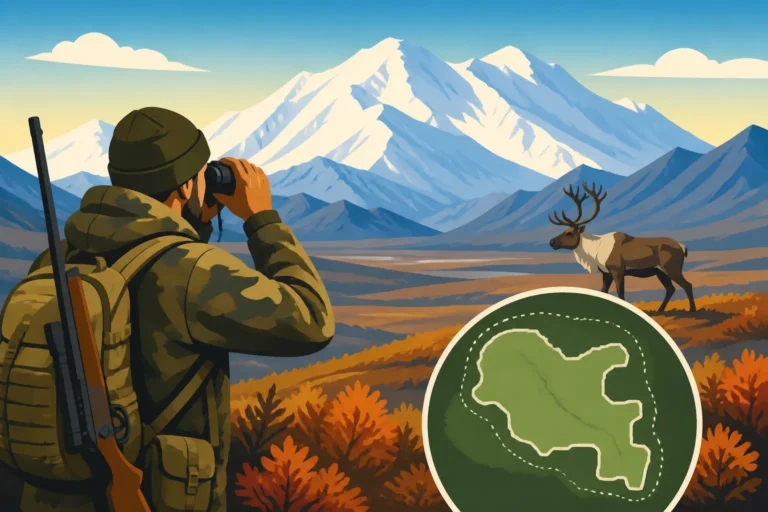
Hunting caribou involves a lot of glassing. The open tundra offers long sightlines, but it also means caribou can spot you from a long way off. A good pair of binoculars and a spotting scope are indispensable for identifying legal bulls and planning your approach. Stalking caribou often requires covering significant distances, using subtle changes in terrain for cover. When the Western Arctic Herd is in the area, concentrations can be astounding, but they can also be very spread out, making locating them a challenge. Pay close attention to wind direction, as caribou have an excellent sense of smell. Packing out a caribou is physically demanding, but generally less so than a muskox, though you should still be prepared for multiple trips and long hikes. Western Arctic Herd and the 200,000 Threshold offers more context on the herd's dynamics and how population numbers can affect hunting opportunities, including potential quotas.
Essential Logistics and Preparation for a Seward Peninsula Hunt
Successfully hunting the Seward Peninsula requires meticulous planning and a robust approach to logistics, more so than many other hunting destinations. The weather, for instance, can be incredibly unpredictable. Even in late summer or early fall, you can experience everything from warm, sunny days to driving rain, high winds, and even snow. Hypothermia is a real threat, so a top-tier layering system, including waterproof and windproof outer layers, is non-negotiable. Forget cotton; think synthetic and wool. Your boots need to be waterproof, well-broken-in, and provide excellent ankle support for navigating the tussocks and wet ground.
Given that most hunts involve flying into a remote location, working with a reputable air charter service is paramount. These bush pilots are the lifeblood of remote Alaskan hunting, but they operate under strict regulations and depend heavily on weather conditions. Be prepared for potential delays on both ends of your trip. Build extra buffer days into your schedule to account for weather or mechanical issues that might prevent your pilot from flying. Always have a detailed check-in plan with your air taxi and a trusted contact back home. Carrying a satellite communication device, such as an InReach or satellite phone, is essential for safety, even if it's just to check in. Fly-In Hunting: Working With an Alaska Transporter Pilot and Signal Devices and Check-In Plans for Solo Alaska Hunts are excellent resources for understanding these critical aspects of remote hunting.
Beyond weather and transportation, land status is a crucial consideration. The Seward Peninsula, like much of Alaska, features a mosaic of land ownership: state lands, federal lands (such as Bering Land Bridge National Preserve), and Native Corporation lands. Each type of land can have different regulations regarding access and hunting. It is absolutely vital to know where you are at all times and to have detailed maps showing these boundaries. Using GPS systems with pre-loaded maps, especially with services like onX Hunt, and having physical maps as a backup, is a must. Remember, cell service is virtually nonexistent in most of this region, so Downloading Offline Maps Before a Fly-In is not just good advice, it’s a necessity. Always confirm access requirements for any Native Corporation lands you might encounter; some may require permits or have specific restrictions. Land Status in Alaska: State, Federal and Native Corporation provides a comprehensive guide to navigating these complexities.
Finally, proper meat and trophy care is vital. Alaska has strict salvage laws, meaning all edible meat must be salvaged from a kill. This involves quarters, ribs, and neck meat. Learn how to quarter an animal efficiently in the field and ensure you have plenty of breathable game bags to protect the meat from flies and dirt. Cooling the meat quickly is key to preventing spoilage, which can be a challenge in early fall. Hanging quarters in the shade, off the ground, and allowing air circulation is critical. For muskox and caribou, the head and cape for a trophy mount will also require careful preparation and cooling. Understand the requirements for sealing hides and skulls, especially for muskox, as there are specific timelines and procedures you'll need to follow once out of the field. Packing Out Meat in Alaska: The Salvage Law Hunters Must Follow details these important regulations.
Disclaimer
This article is for general informational purposes only and does not constitute professional advice. Laws, prices and regulations vary by location and change over time. Consult a qualified professional for guidance on your specific situation.