Bristol Bay Country Around Dillingham
Dreaming of a hunting adventure in Alaska's vast Bristol Bay region, especially around Dillingham, conjures images of untouched wilderness and incredible game. But let's be real, the sheer scale and remoteness of this area can feel utterly overwhelming when you're trying to figure out where to even begin planning. This guide is here to cut through that fog, helping you understand the unique characteristics of this iconic hunting landscape, the game you might encounter, and the crucial logistics involved in approaching a successful and safe trip.
Understanding Bristol Bay's Unique Landscape for Hunters
The Bristol Bay region, with Dillingham serving as a vital hub, is unlike almost anywhere else on Earth. It’s a place defined by its vastness, its water, and its wildlife. Hunters who arrive here expecting road systems or easy access will quickly find themselves disoriented. This isn't a place where you drive to a trailhead and hike a few miles in; this is a landscape that demands a completely different approach to planning and execution. It's a land of endless tundra, winding rivers, and a coastline shaped by the Bering Sea.
The Vastness of the Region and Its Implications
When we talk about the Bristol Bay country, we're talking about an area that could swallow several smaller states whole. There are very few roads, and those that exist are typically short spurs connecting villages or limited industrial sites. This means that if you're planning a hunt, you're almost certainly looking at a fly-in or boat-based operation. The sheer distance involved in getting from Dillingham to your chosen hunting grounds, and then covering ground once you're there, is a profound implication for your trip budget, gear choices, and physical conditioning. Everything, from a forgotten tent stake to a missed flight, can have amplified consequences in such an expansive and remote environment.
This vastness also influences game distribution. Animals aren't confined to small pockets or limited by fences; they roam across immense territories, often dictated by feed availability, weather patterns, and migratory instincts. Understanding these broader movements, especially for species like caribou, is paramount. You need to think big picture, often using satellite imagery and regional knowledge before you even consider a specific landing spot. Tools like onX Hunt are incredibly valuable here, allowing you to pour over terrain and identify potential game corridors or access points from the comfort of your home, effectively giving you an "eagle-eye" view of a landscape you may never have seen before.
Dominant Ecosystems: Tundra, Taiga, and Waterways
The landscape around Dillingham is primarily a mosaic of open tundra, dotted with countless lakes and braided rivers, slowly transitioning into sparse taiga forest further inland. The tundra is characterized by low-lying brush, sedges, and mosses, providing excellent forage for caribou and moose. Walking across this terrain can be surprisingly challenging; it's often wet, boggy, and uneven, making for slow going, especially with a heavy pack. Hunters quickly learn the value of picking their steps and staying dry.
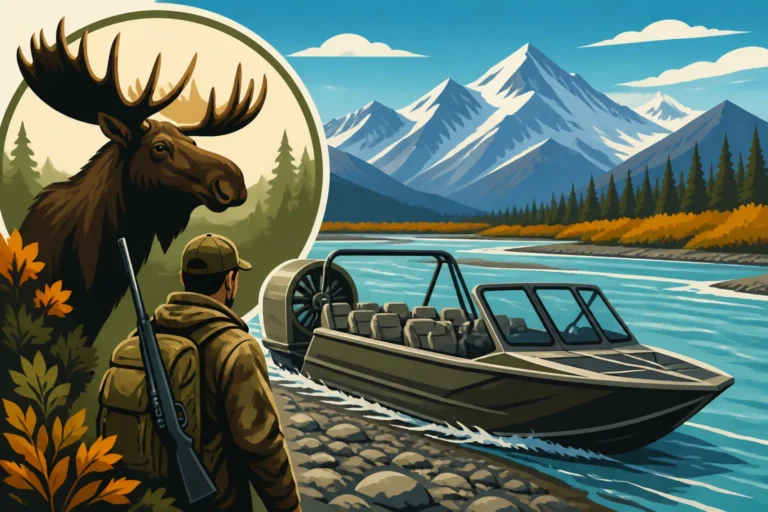
The river systems, like the Nushagak or Togiak, are the lifeblood of the region, not just for the world-renowned salmon fisheries, but also for providing travel corridors and critical habitat for moose and bears. These rivers are often lined with denser willow and alder thickets, offering cover and browse for moose. For hunters, these waterways become literal highways, allowing boat access deep into areas otherwise only reachable by aircraft. Understanding river characteristics—their depth, current, and potential hazards—is vital for any float-based hunt.
Climate and Weather Realities
Bristol Bay's climate is heavily influenced by its proximity to the Bering Sea. This means hunters should prepare for notoriously unpredictable and often harsh weather, even during the "shoulder" seasons. Summers are short and cool, and autumn arrives quickly, bringing with it increasing chances of wind, rain, and even early snow. Fog can roll in swiftly, grounding aircraft for days, a critical factor for anyone planning a fly-in hunt. You might start your day under a clear sky and be hunkered down in a blizzard by afternoon.
The pervasive dampness is another challenge. Rain gear isn't just a suggestion here; it's an absolute necessity. Your entire gear system needs to be designed with moisture management in mind, from waterproof boots and shell layers to dry bags for every piece of essential equipment. Dealing with these conditions mentally and physically is as much a part of the hunt as locating game. It's a place that truly tests your resolve and your preparation, reinforcing the need for durable gear and a resilient mindset.
Key Game Species and Their Habitat in the Dillingham Area
Bristol Bay is renowned for its diverse and abundant wildlife, making it a dream destination for many hunters. While the region is often synonymous with its incredible salmon runs, it also offers fantastic opportunities for big game and waterfowl. Understanding the specific habits and preferred habitats of these species is crucial for a successful hunt.
Caribou: The Migratory Powerhouses
The Dillingham area lies within or near the migratory routes of several large caribou herds, most notably the Mulchatna Herd, though its population and huntability have seen significant fluctuations over the years. Hunters targeting caribou here are often hoping to intercept these vast herds as they move across the tundra. Unlike moose, which tend to be more solitary or found in smaller family groups, caribou can gather in thousands, moving with a singular purpose across immense distances. Caribou Herds of Alaska and How They Move explores this in more detail.
Their habitat is primarily the open tundra and sparse taiga, where they graze on lichens, sedges, and willow. Finding caribou often involves extensive glassing from high points, or strategically positioning yourself along known migration corridors. Access to these areas is almost exclusively by bush plane or via a river float trip, with hunters often setting up spike camps in prime migration zones. The challenge with caribou is less about finding a caribou, and more about finding a legal animal within the often-complex regulations that govern these migratory herds, which can have specific quotas and closure dates that change rapidly.
Moose: The Riverine Giants
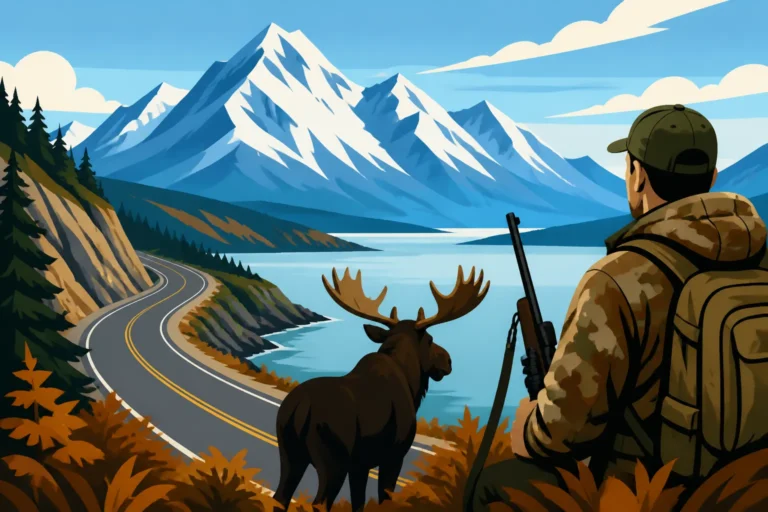
While interior Alaska might be famous for its massive bulls, the Bristol Bay region certainly holds its own when it comes to moose. These "riverine giants" are typically found along the vast network of rivers, streams, and lake edges, particularly where dense willow and alder thickets provide both browse and cover. They thrive in the wetter, brushier areas, often moving into old burns or areas with regenerating willow growth. Alaska Moose: Where the Biggest Bulls Live highlights some of the prime regions.
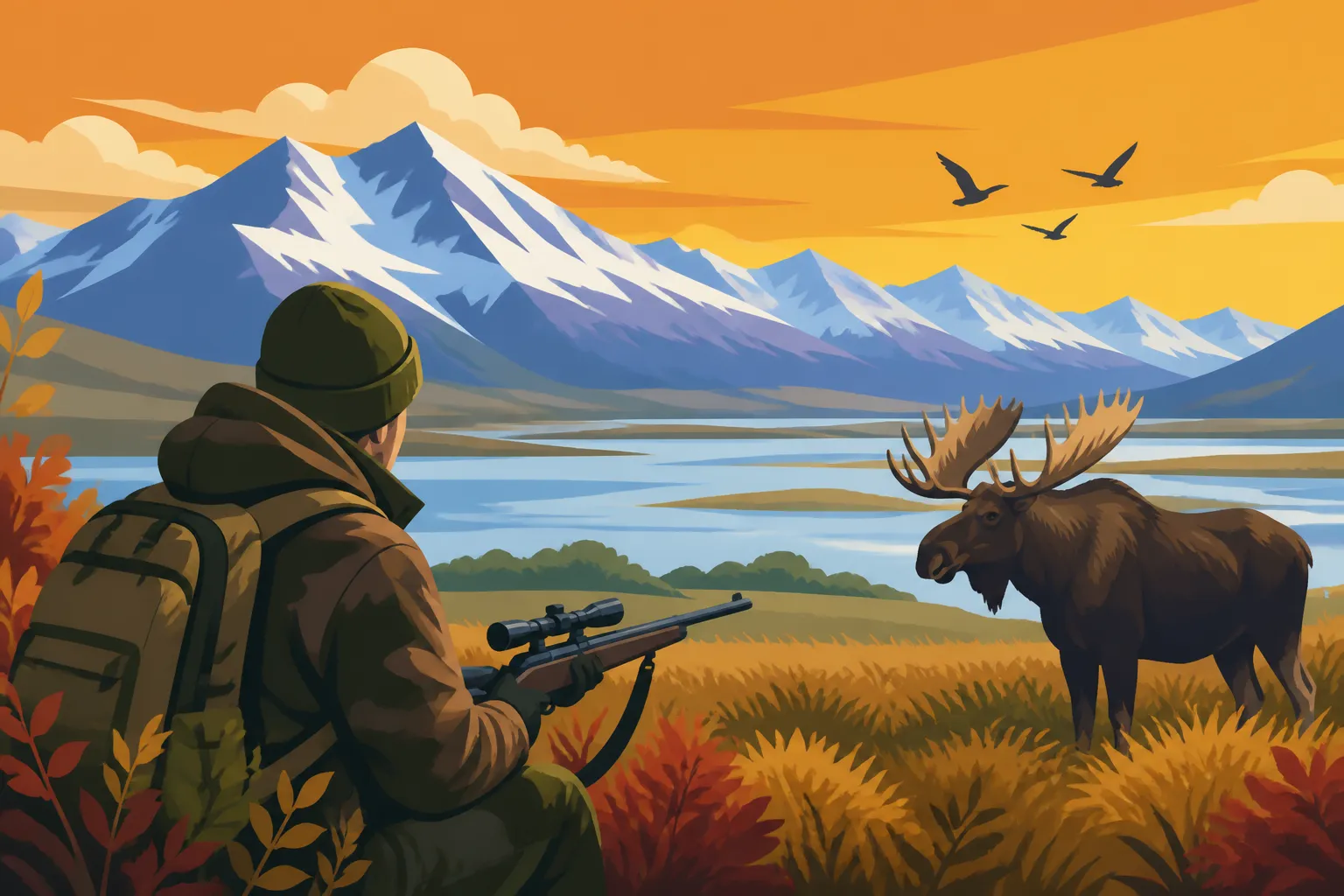
Hunting moose in the Dillingham area often involves float hunting rivers or utilizing air access to remote lakes and river drainages. Calling during the rut can be incredibly effective, drawing bulls out of the dense cover. The terrain, being largely wet and brushy, makes spot-and-stalk challenging, so patience and strategic calling from advantageous positions are often key. Recovering a downed moose in this kind of country is a monumental task, demanding a well-thought-out plan and robust packing out gear.
Brown Bears: The Apex Predators of the Region
Bristol Bay is unequivocally brown bear country. These magnificent animals are abundant here, especially in areas with strong salmon runs and plentiful berry patches. The coastal areas and major river drainages are prime brown bear habitat, offering a year-round food supply. Alaska Brown Bears on the Coast Versus Interior Grizzlies discusses the differences between coastal and interior bears. Encountering a brown bear is not a matter of "if" but "when" for most hunters in this region, making bear safety protocols absolutely essential.
Hunters specifically targeting brown bear often do so in the spring as bears emerge from their dens or in the fall when salmon are spawning. This is one of the species that often requires a nonresident to hire an Alaska registered guide, adding a significant layer of planning and cost to the endeavor. Whether you're specifically hunting them or simply present in their territory while pursuing other game, understanding their behavior and carrying appropriate deterrents like bear spray or a powerful firearm is non-negotiable.
Waterfowl and Small Game Opportunities
Beyond the big game, Bristol Bay offers fantastic opportunities for waterfowl and small game. The countless lakes, ponds, and braided river systems serve as critical staging and breeding grounds for a wide variety of ducks and geese. For a big game hunter, incorporating a waterfowl hunt can provide excellent camp meat and add another dimension to the experience. Species like sandhill cranes also migrate through the region, offering another unique hunting opportunity. Waterfowl and Ptarmigan as Camp Meat offers insight into this.
Small game, such as ptarmigan and grouse, can often be found along river corridors or on the open tundra, providing a welcome break from freeze-dried meals if you're carrying a small game license and the appropriate shotgun or .22 caliber rifle. While not the primary draw for most hunters traveling to Dillingham, these opportunities add to the richness of the wilderness experience and can contribute significantly to your camp larder.
Navigating Access and Logistics to Bristol Bay Hunting Grounds
Getting to and hunting in the Bristol Bay region around Dillingham is a logistical puzzle that demands meticulous planning. Unlike road-accessible areas, every piece of gear, every morsel of food, and every step of your journey requires forethought. This isn't a place for last-minute improvisations; it's a testament to thorough preparation.
Dillingham as Your Primary Hub
Dillingham is not just a town; it’s the vital nerve center for accessing vast swathes of Southwest Alaska. It boasts an airport capable of handling larger aircraft, connecting it to Anchorage. From Dillingham, a network of smaller air taxis and boat charter operators serve as the arteries into the surrounding wilderness. For many hunters, Dillingham will be their last chance to pick up forgotten supplies, finalize air taxi arrangements, or even get a hot meal before heading into the bush.
Think of Dillingham as your base camp's "front door." You'll likely fly commercial into Anchorage, then take a connecting flight to Dillingham. Once there, you'll transfer your gear to your chosen air taxi or boat outfitter. It's crucial to plan for potential weather delays in Dillingham, both on your way in and especially on your way out. Building in an extra day or two on either end of your trip is a wise investment to avoid missing commercial flights or creating unnecessary stress. Many hunters also use this time to get their Alaska Harvest Tickets, Registration Permits and Draw Permits sorted for the specific game management units they'll be hunting.
Air Taxi and Boat Charters: The Indispensable Modes of Transport
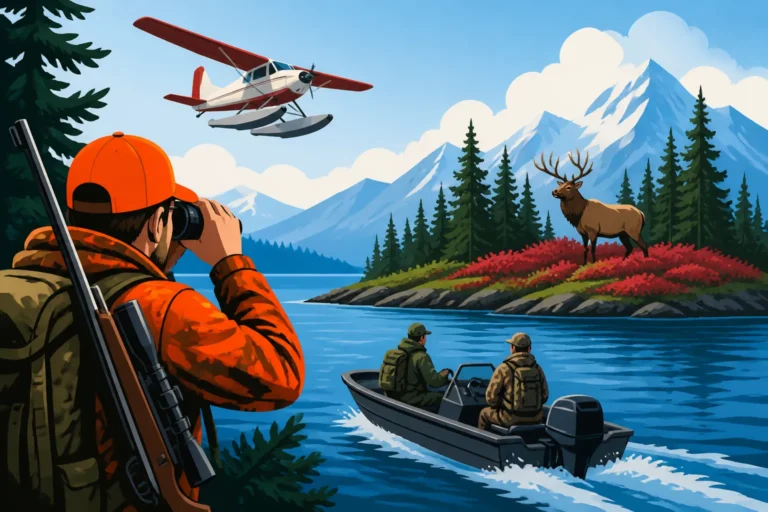
Given the lack of roads, air taxis are often the quickest and most practical way to reach prime hunting areas in Bristol Bay. These bush planes, typically equipped with floats, tundra tires, or skis depending on the season and landing zone, can drop you off at remote lakes, gravel bars, or even suitable stretches of tundra. When choosing an air taxi, look for operators with extensive experience in the Bristol Bay area. Discuss their safety record, the types of aircraft they operate, and their communication protocols. Fly-In Hunting Areas Across Interior Alaska provides more context on this type of access.
For river-based hunting, particularly for moose or bear, boat charters are another indispensable option. These operators can transport you and your gear up major rivers, dropping you off at strategic points for a float hunt or serving as a mobile base camp. A typical float hunt might involve being dropped off many miles upstream and then floating down, glassing for game, and camping on gravel bars each night. When using either an air taxi or a boat charter, be explicitly clear about your gear weight and dimensions. These operators have strict payload limits that you absolutely must respect, and being transparent upfront will prevent costly surprises or leave-behinds.
Permits, Licenses, and Regulations Specific to the Region
Alaska's hunting regulations can be complex, and Bristol Bay is no exception. Before you even book a flight, you need to understand the specific Game Management Units (GMUs) you plan to hunt and the regulations for each species within those units. Many hunts require specific permits—either harvest tickets for over-the-counter opportunities or drawing permits for limited entry hunts. Platforms like GoHunt provide excellent resources for breaking down draw odds and permit application strategies, giving you an edge in understanding the regulatory landscape.
Furthermore, some species, like brown bear and Dall sheep, require nonresidents to be accompanied by an Alaska Registered Guide or an Alaskan relative (second-degree kindred) to hunt. Hiring an Alaska Registered Guide-Outfitter is a good resource for understanding these requirements. Always check the current Alaska Department of Fish and Game (ADF&G) regulations booklet for the most up-to-date rules, season dates, and bag limits, as emergency orders can sometimes close seasons early due to quotas being met. You are responsible for knowing and adhering to all regulations.
Planning Your Hunt: Essential Considerations for Success and Safety
A successful hunt in Bristol Bay isn't just about finding game; it's about executing a well-thought-out plan that prioritizes safety, self-sufficiency, and ethical hunting practices. The stakes are higher in remote Alaska, and overlooking critical details can turn an adventure into a dangerous ordeal.
Gear, Supplies, and Self-Sufficiency
The mantra for hunting in Bristol Bay should be "self-sufficiency." You are often many hours, if not days, from any form of assistance, so every piece of gear needs to be reliable, redundant where possible, and appropriate for the harsh conditions. Your packing list should include high-quality rain gear, waterproof boots, layered clothing systems (synthetics and wool are kings here), a robust tent that can withstand heavy winds and rain, a reliable sleeping bag rated for colder temperatures than you expect, and a cooking system. Don't forget a first-aid kit specifically stocked for wilderness emergencies.
Food planning is equally critical. You'll need enough calorie-dense food for the entire duration of your hunt, plus several extra days' worth in case of weather delays that prevent your air taxi from picking you up. Water purification methods are also essential, as drinking untreated water from streams or lakes is not advisable. A significant portion of your gear will be focused on meat care, including strong game bags that breathe in coastal rain, a sharpening system, and perhaps even a portable scale if you’re concerned about weight for air transport. Understanding Packing Out Meat in Alaska: The Salvage Law Hunters Must Follow is critical for compliance and proper field care.
Emergency Preparedness and Communication
Hunting in Bristol Bay inherently carries risks. Beyond the obvious hazards of wildlife encounters, the environment itself can be dangerous. Swift, cold rivers, unpredictable weather, and uneven terrain all pose threats. Therefore, robust emergency preparedness and communication are paramount. Every group, and especially solo hunters, should carry at least two forms of satellite communication. A satellite phone, an inReach, or a similar device is not a luxury; it's a necessity for checking in with contacts, getting weather updates, and calling for help in an emergency. Signal Devices and Check-In Plans for Solo Alaska Hunts offers further guidance.
Leave a detailed trip plan with a trusted contact who knows when to expect to hear from you and when to initiate an emergency response if you don't. Understand basic wilderness first aid and carry an appropriate kit. If you're not using a guide, having a comprehensive understanding of navigation using a GPS unit and paper maps (and knowing how to use them without power) is crucial, especially in featureless tundra where visibility can drop to zero in a fog. Downloading offline maps to a device, like with onX Hunt, before you leave civilization is an absolute must, as cell service will be nonexistent.
Respecting Land Status and Local Communities
Bristol Bay is a patchwork of land ownership, including state, federal, and Alaska Native Corporation (ANC) lands. It is your responsibility as a hunter to know whose land you are on and what rules apply. Many ANC lands require specific permits or fees for access, which must be secured in advance. Trespassing, even inadvertently, can lead to fines, loss of hunting privileges, and damage to the reputation of all hunters. Consult ADF&G maps, the Bureau of Land Management (BLM), and Native Corporation websites. Always confirm land status before finalizing your hunt plan.
Finally, respect for the local communities and residents of Bristol Bay is vital. Dillingham is home to many Alaskans who depend on the land and waters for subsistence. Be mindful of their traditional use areas, minimize your impact, and practice leave-no-trace principles rigorously. A positive relationship between visiting hunters and local communities helps ensure continued hunting access for everyone.
Bristol Bay Hunting Overview
| Species | Primary Habitat | Typical Access Method | Special Considerations | Non-Resident Guide Required (Often) |
|---|---|---|---|---|
| Caribou | Open tundra, sparse taiga | Air taxi to landing strips/lakes | Highly migratory, regulations can change rapidly, herd dependent | No |
| Moose | River corridors, willow/alder thickets, burns | Float boat, air taxi to lakes | Heavy animals, difficult pack-out, calling during rut | No |
| Brown Bear | River drainages, salmon streams, berry patches | Air taxi, boat charter, guided | Bear safety paramount, abundant in region, sealing required | Yes |
| Waterfowl | Lakes, ponds, braided rivers | Small boat, wading, air taxi | Good camp meat, additional stamp/license needed | No |
| Small Game | Tundra, brushy areas | Foot, incidental during big game | Good for camp meat, small game license often sufficient | No |
This article is for general informational purposes only and does not constitute professional advice. Laws, prices and regulations vary by location and change over time. Consult a qualified professional for guidance on your specific situation.