What It Takes to Hunt the Aleutian Chain
Hunting the Aleutian Chain is not for the faint of heart or the light of wallet. It represents the pinnacle of Alaska's wild, untamed frontier, offering unparalleled challenges and rewards that few other places on Earth can match. This guide will help you understand the unique species, extreme logistical hurdles, and meticulous planning required to even consider a hunt on these windswept islands, ensuring you're prepared for an adventure at the very edge of the world.
The Allure and Harsh Reality of the Aleutian Chain
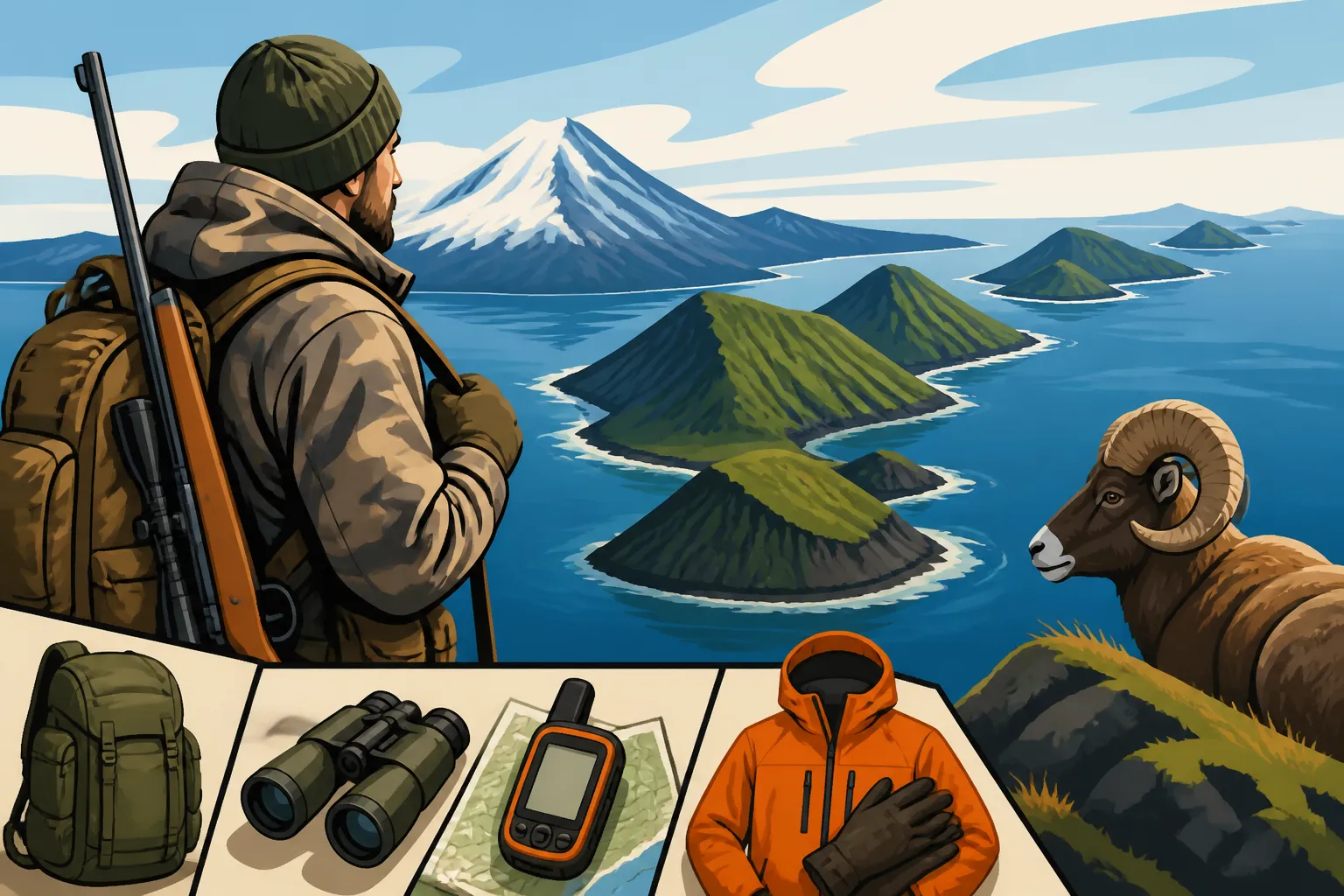
There’s an undeniable draw to the Aleutian Chain for serious hunters, a mystique built on its remoteness, its raw beauty, and the promise of truly wild game in a landscape shaped by volcanic activity and relentless weather. Imagine towering, mist-shrouded peaks rising directly from the Bering Sea, surrounded by waters teeming with life, and you start to get a picture. For many, it's the ultimate quest, a place where you truly test your mettle against nature's extremes.
However, the reality of the Aleutian Chain is far from a romanticized postcard. This is a region defined by some of the most unpredictable and violent weather patterns on the planet. Hurricane-force winds are not uncommon, fog can descend in minutes, reducing visibility to zero, and driving rain or sleet can turn a comfortable day into a survival challenge instantly. The terrain itself is often steep, uneven, and boggy, making travel arduous even for short distances. Access to these islands is severely limited, primarily by specialized air charter or boat, both of which are highly dependent on fleeting weather windows. Breakdowns, delays, and re-routing are not just possibilities; they are expected occurrences, adding significant layers of complexity and cost to any hunt. It’s a place where adaptability, self-reliance, and a healthy respect for Mother Nature are paramount.
Species and Seasons: What You Can Hunt Out There
The Aleutian Chain, while vast, offers a more specialized hunting experience than many other parts of Alaska, focusing on a few key species that have adapted to its unique environment. The primary draw for many hunters to specific islands in the chain revolves around the opportunities for brown bear, caribou, and occasionally sea ducks.
Brown Bear on the Alaska Peninsula and Eastern Aleutians
The easternmost islands of the Aleutian Chain, particularly Unimak Island, are renowned for their impressive coastal brown bears. These bears are genetically similar to the grizzlies of the interior but achieve massive sizes due to a rich diet of salmon and marine life. Hunting these giants typically occurs during spring (May-June) and fall (October-November) seasons, often requiring a nonresident to be accompanied by a licensed Alaska guide or a resident next-of-kin. The landscape here is often treeless tundra, rolling hills, and vast sedge flats, making spotting bears feasible but closing the distance can be a real grind in the typically wet, windy conditions. It's an intense hunt where keen glassing, patience, and robust gear are critical. You'll want to review Rifle Choice for Alaska Brown Bear Country for sure before heading out.
Feral Caribou on Adak Island
Further west in the chain, Adak Island offers a unique opportunity for caribou. These are not migratory herds in the traditional sense, but rather a feral population introduced decades ago. Hunting these caribou can be challenging due to the island's often rugged terrain and notoriously dense fog, which can appear and dissipate without warning. The season typically runs from late summer into early winter. Access to Adak is usually via commercial flights from Anchorage, a stark contrast to the bush plane charters required for many other remote Alaska hunts. Despite the "feral" designation, these animals offer a challenging hunt and good meat, making it a desirable destination for those seeking a different kind of Alaska experience. You can find more specific details on Hunting the Feral Caribou Herd on Adak.
Sea Ducks and Other Opportunities
While big game often takes center stage, the Aleutians are also a renowned destination for sea duck hunting. Species like Harlequin ducks, Oldsquaws (Long-tailed Ducks), and various Scoters frequent the rich coastal waters. Waterfowl seasons generally run from early fall into winter. This type of hunting requires specialized gear for marine environments, often involving boats capable of handling rough seas. For those willing to add variety to their trip, ptarmigan are also found on many islands, offering a chance for some camp meat. Waterfowl and Ptarmigan as Camp Meat is a good resource if you're considering this.
Here’s a simplified overview of typical hunting opportunities on the Aleutian Chain:
| Species | Primary Location | Typical Season | Nonresident Guide Requirement | Key Challenge |
|---|---|---|---|---|
| Brown Bear | Unimak Island (Eastern) | Spring/Fall | Yes | Extreme weather, vast terrain, bear size |
| Caribou | Adak Island | Late Summer/Winter | No | Dense fog, rugged terrain, isolated location |
| Sea Ducks | Various Coastal Waters | Fall/Winter | No | Rough seas, specialized boat access |
| Ptarmigan | Various Islands | Fall/Winter | No | Weather, rocky terrain |
Note: Season dates and specific regulations vary by game management unit and year. Always consult the latest Alaska Department of Fish and Game regulations for your chosen unit before planning a hunt.
Logistics and Survival: Getting There and Staying Safe
The Aleutian Chain isn't a place you just decide to "go hunting." It demands a meticulous, almost military-level of logistical planning, and a deep understanding of survival in a hostile environment. This isn't your average backcountry trip; it's an expedition.
Access: Air, Sea, and Patience
For most islands, air travel is the primary mode of access. This typically means a commercial flight to a larger hub like Dutch Harbor (Unalaska) or Adak, followed by an air charter (floatplane or wheel plane, depending on the island's landing capabilities) to your specific hunting location. For islands without landing strips, a boat charter might be the only option. The cost of these charters is substantial and, crucially, weather dictates everything. Expect delays. A lot of delays. I've heard countless stories of hunters being weathered in for days, sometimes a week or more, on either end of their hunt. Building extra "weather days" into your schedule and budget isn't optional; it's mandatory. Understanding Fly-In Hunting: Working With an Alaska Transporter Pilot is crucial here.
Gear for the Extreme
Your gear needs to be top-tier, redundant, and appropriate for constantly wet, windy, and cold conditions, even in summer. Think bombproof rain gear, multiple layers of synthetic or wool clothing, and absolutely reliable shelter. Water is plentiful but often requires filtration. Navigation is critical. With dense fog and featureless terrain on many islands, a reliable GPS and satellite communicator are non-negotiable. I personally rely on offline maps, and downloading them beforehand with tools like onX Hunt is absolutely essential when you're going to be beyond cell service. You’ll also want a strong compass and paper maps as a backup. Don't forget GPS Battery Life in Cold Camps and Downloading Offline Maps Before a Fly-In for more tips on this.
Safety and Emergency Planning
Given the extreme remoteness, self-sufficiency is key. Medical emergencies can be catastrophic because extraction can take days, if not longer. Carry a comprehensive first-aid kit, know how to use it, and consider wilderness first responder training. A satellite communication device, such as an InReach or Garmin inReach, is vital for check-ins and emergency calls. Always leave a detailed trip plan with a reliable contact, including your expected return date and emergency protocols. This is paramount for solo hunters, but even groups benefit from this discipline. Signal Devices and Check-In Plans for Solo Alaska Hunts offers invaluable insights. Bear safety, especially on Unimak and other brown bear areas, is a constant concern. Carrying a powerful firearm and bear spray, knowing how to use them, and practicing good bear country habits are not just recommendations – they are critical for survival.
Navigation in Featureless Terrain
Many parts of the Aleutian Chain are devoid of prominent landmarks, especially when the ubiquitous fog rolls in. This makes navigation incredibly challenging. Satellite imagery, studied meticulously beforehand, can help identify subtle terrain features, drainages, or rock formations that might offer visual cues. Using a GPS with pre-loaded waypoints for camp, water sources, and potential game areas is essential. When the fog is thick, trusting your compass and pacing out distances becomes a primary skill. Imagine trying to navigate through a thick cloud blanketing a mountain range where every rise and fall looks identical – that's the Aleutians on a bad weather day. Tools like onX Hunt for detailed satellite views and terrain analysis can be incredibly helpful during the planning phase, allowing you to scout potential routes and glassing points long before you ever set foot on the island.
Costs and Planning: Budgeting for the Edge of the World
Hunting the Aleutian Chain is arguably one of the most expensive hunting experiences Alaska offers. The logistical costs alone can eclipse the price of tags and licenses, so managing your budget requires extreme foresight and discipline.
License and Tag Fees
First, you'll need an Alaska hunting license. For nonresidents, this is a baseline cost. Then come the species-specific tags. Brown bear tags are among the most expensive in Alaska, while caribou tags also represent a significant investment. Always check the current year's Alaska Department of Fish and Game regulations for the most up-to-date fees. It's not uncommon for the total cost of licenses and tags for a nonresident to exceed well into the hundreds, if not thousands, of dollars, especially if you’re planning a multi-species trip. For a full breakdown, explore Nonresident Hunting License Costs in Alaska and What an Alaska Brown Bear Tag Costs $1,000.
Transportation is the Dominant Factor
The biggest chunk of your budget will almost certainly go towards transportation. Round-trip flights from your home to Anchorage, then to a hub like Dutch Harbor or Adak, and finally the air or boat charter to your remote hunting spot, add up quickly. Charter rates are typically quoted by the hour or by the trip, and they account for "deadhead" time (the time the plane or boat travels empty to pick you up or return to base). Weather delays mean more time, potentially more costs for accommodation and meals in the hub towns, and certainly more stress. For a brown bear hunt, you'll also be paying for your guide's travel, adding another layer of expense.
Guide Fees (If Applicable)
If you're a nonresident planning to hunt brown bear, you must hire a registered Alaska guide. Guide fees for these specialized hunts are at the top end of the spectrum due to the remote nature of the hunt, the specialized equipment required, and the inherent risks. These fees typically cover the guide's services, camp equipment, food, and often a portion of the charter costs, but confirm all inclusions in your contract. Be prepared for guide fees alone to represent a very significant investment. Understand Hiring an Alaska Registered Guide-Outfitter and What an Alaska Guided Brown Bear Hunt Costs for a more complete financial picture.
Gear and Contingency
Outfitting yourself for the Aleutians means investing in high-quality, durable gear that can withstand brutal conditions. Don't skimp on essentials like clothing, shelter, or navigation devices. Factor in the cost of satellite communication subscriptions, extra fuel for stoves, and freeze-dried meals. Critically, create a substantial contingency fund (at least 20-30% of your total budget) to cover unexpected weather delays, damaged gear, or emergency services. This isn't a luxury; it's a necessity for a successful and safe Aleutian hunt.
Planning Tools and Resources
Effective planning is your greatest asset. Utilize resources like the Alaska Department of Fish and Game website for current regulations, season dates, and drawing odds. For drawing permits, especially for highly coveted hunts like Unimak brown bear, understanding the application process through sites like GoHunt can provide crucial insights and help you make informed choices with your limited hunt selections. Satellite imagery is indispensable for scouting remote areas, identifying potential landing zones, and mapping out hunting routes. Remember, a successful hunt here isn't just about bagging an animal; it's about the entire experience of navigating one of the planet's wildest frontiers, and returning safely with incredible stories to tell.
Disclaimer
This article is for general informational purposes only and does not constitute professional advice. Laws, prices and regulations vary by location and change over time. Consult a qualified professional for guidance on your specific situation.