Fortymile Country in Unit 20E
Hunting in Alaska's vast interior is often a dream for many, but the reality of navigating specific areas can be a complex puzzle, especially when you're looking at regions like the Fortymile Country in Game Management Unit 20E. This vast and rugged landscape calls to hunters seeking a true wilderness experience, but it also presents unique challenges. This guide is designed to help you understand the geography, regulations, and practicalities of hunting in the legendary Fortymile, giving you a clearer picture of what to expect and how to prepare for a successful and safe hunt.
Understanding Game Management Unit 20E and Fortymile Geography
The Fortymile Country, specifically Unit 20E, is a place where the wild truly still reigns. It’s a region that demands respect, preparation, and a keen understanding of its unique characteristics. Many hunters are drawn here by the promise of adventure and the chance to encounter one of Alaska's most iconic migratory herds.
The Fortymile's Unique Landscape
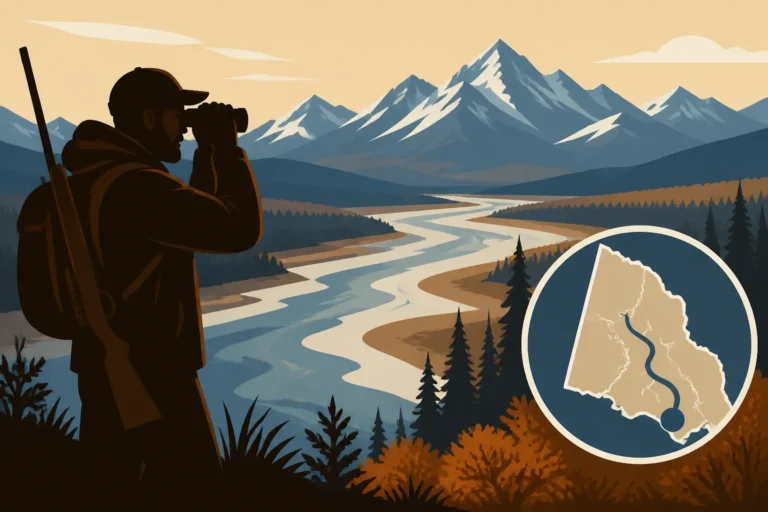
Imagine a landscape that stretches endlessly, a tapestry woven from rolling hills, dense stands of black spruce, winding rivers, and vast expanses of open tundra. That's the Fortymile. It's a land of extremes, with harsh winters giving way to short, intense summers. The terrain is often characterized by permafrost, which can make travel difficult off established trails, creating a spongy, uneven surface. Rivers like the Fortymile, Charley, and Yukon carve through this wilderness, providing corridors for wildlife and challenging barriers for hunters. These river drainages often feature more deciduous growth like willow and birch, providing crucial browse for moose, while the higher ridges are dominated by more open country, ideal for spotting caribou. The sheer scale of the landscape can be overwhelming; what looks like a short distance on a map can be days of hard travel on the ground.
The weather here is as unpredictable as the migration patterns of its famous caribou herd. Expect anything from warm, sunny days to driving rain, early snowfalls, and biting winds, sometimes all within the same 24-hour period. This variability means your gear choices and mental preparedness are paramount. The remoteness of the region also means that help is not just a quick call away; self-reliance is not just a virtue, it's a necessity. This wild character is precisely what draws many to the Fortymile, seeking an authentic Alaska hunting experience far from crowded trailheads.
Key Access Points and Boundaries
Access to Unit 20E is primarily along the Taylor Highway, which, for much of its length, is a gravel road that winds its way from the Alaska Highway junction north towards the historic towns of Chicken and Eagle. This highway, while providing the main artery into the region, is often rough and dusty, prone to washboards and potholes, particularly during the hunting season. You'll need a reliable vehicle, preferably one with good ground clearance and sturdy tires, and always carry a spare. Side roads and trails branching off the Taylor Highway, such as the Fortymile River Road, provide further, albeit often more challenging, access points deeper into the unit. These secondary routes can quickly become impassable with rain, turning to deep mud that can swallow even the most capable 4×4.
The boundaries of Unit 20E are generally defined by the Yukon River to the north, the Alaska/Yukon Territory border to the east, and various rivers and geographic features to the south and west that separate it from other units like 20B, 20D, and 12. Understanding these boundaries is critical, as regulations can change dramatically from one unit to the next. Many hunters use mapping software like onX Hunt to precisely identify their location relative to these lines, ensuring they are always within the correct unit for their permits and species. Always be aware of federal lands (like the Yukon-Charley Rivers National Preserve) and Native Corporation lands within or adjacent to 20E, as they may have their own specific access rules or require additional permits. Knowing where you stand, quite literally, can prevent accidental trespass or regulatory violations.
Primary Game Species in 20E
While the Fortymile Country is most famous for its incredible caribou hunting, Unit 20E is also home to a diverse array of other game animals. The Fortymile Caribou Herd is undoubtedly the main draw, with hunters flocking here for the chance to pursue these migratory animals. Their movements can be unpredictable, making scouting and real-time information invaluable. Beyond caribou, moose are present, though often in lower densities than in some other prime Alaskan units. They tend to concentrate in the willow and birch bottoms along river systems and around small lakes.
Black bears are common throughout the timbered areas of 20E and offer another exciting hunting opportunity, both in spring and fall. These bears come in a variety of color phases, from black to cinnamon and even chocolate. Wolves also roam the Fortymile, often trailing the caribou herds, and provide an additional challenge for opportunistic hunters. Lynx and wolverine are also present, though far more elusive. For hunters looking to supplement their camp meat, small game like willow ptarmigan, spruce grouse, and snowshoe hare are plentiful and can often be found along hiking trails or in the thick underbrush. Having an understanding of the behavior and habitat preferences for each of these species will greatly enhance your overall hunting experience in this diverse region.
Navigating the Complexities of Fortymile Caribou Hunting
Caribou hunting in the Fortymile is unlike many other big game pursuits. It requires immense flexibility, constant vigilance, and a deep understanding of herd dynamics and regulatory nuances. The Fortymile Caribou Herd is one of Alaska's largest and most iconic, but its migratory nature means successful hunting is rarely a static affair.
Fortymile Caribou Herd Dynamics and Quotas
The Fortymile Caribou Herd is renowned for its impressive numbers and long migrations. Unlike some sedentary big game, these animals are constantly on the move, following ancient migratory routes that can span hundreds of miles. Their movements are influenced by weather, forage availability, and insect harassment. One day, thousands of caribou might be pouring across a ridge; the next, the same area could be completely empty. This makes scouting and staying updated on their movements absolutely critical. Hunters often spend days just looking for signs, trying to predict where the main body of the herd might be. You can learn more about their movements by looking at Fortymile Caribou Herd Range and Migration.
Due to these dynamic movements and the herd's overall health, the state often manages Fortymile caribou hunts through quotas and specific harvest limits. These quotas are designed to ensure the long-term sustainability of the herd, taking into account population estimates, calf survival, and hunter pressure. For instance, there might be a Fortymile Caribou Quota for the Season that applies to all hunters, or specific harvest limits, like a Fortymile Bull-Only Bag Limit, depending on the management objectives for that year. Hunters absolutely must understand that these quotas are not static; they can be met quickly, leading to sudden season closures.
Reading Season Announcements and Emergency Orders
This is perhaps the most critical aspect of hunting Fortymile caribou: staying informed. Unlike hunts with fixed season dates, Fortymile caribou seasons are often managed with registration permits and frequently opened and closed by emergency orders based on real-time herd movements and harvest data. What might be open one week could be closed the next. This means you cannot simply plan a trip months in advance and assume the season will be open when you arrive. Many a hunter has driven for hours only to find the season closed before they even hit the hunting grounds.
Hunters must diligently monitor announcements from the Alaska Department of Fish and Game. These announcements typically happen online and through local news outlets. It’s not just about knowing when the season opens, but also about understanding how it might close. Some are structured as Alaska Registration Hunts That Close on Quota, meaning when a certain number of animals are harvested, the season is immediately shut down. Other times, specific zones or areas may open or close due to Alaska Emergency Orders That Close a Season Early. Setting up notifications and checking official state websites daily, or even several times a day, is not overkill; it's essential. This constant monitoring is a significant frustration for hunters, but it's the reality of hunting a migratory herd managed in this way.
Specific Caribou Hunting Tactics for the Region
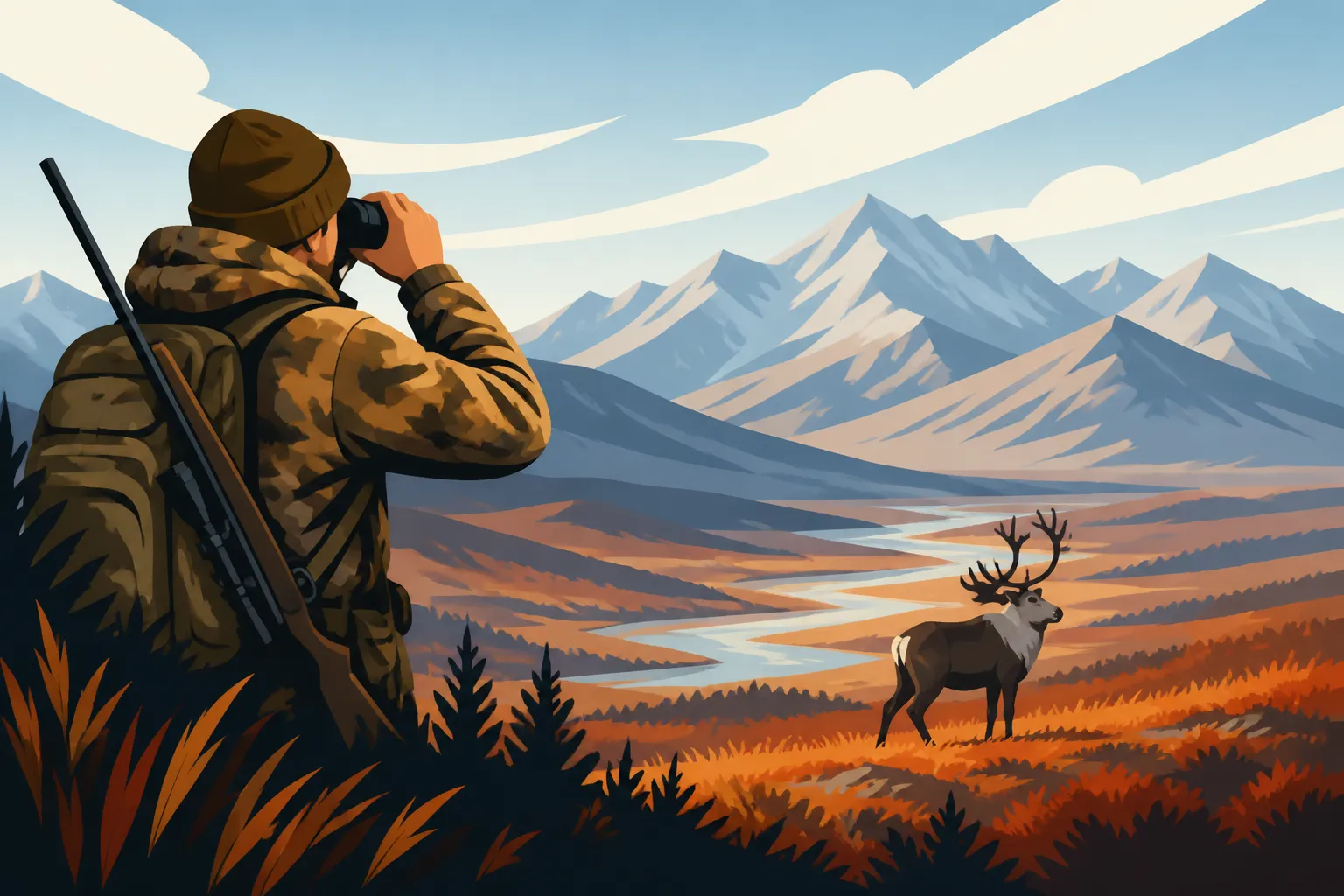
Given the migratory nature of the Fortymile caribou, successful hunting often hinges on a blend of patience, mobility, and strategic positioning. Many hunters focus on "road hunting," which, when done ethically and legally, involves driving along the Taylor Highway or its feeder roads, glassing for caribou on distant ridges or crossing the road. It's crucial to understand the legal requirements for shooting from or near a road and to always prioritize safety and ethical shot selection. Often, a legal shot involves spotting animals from the road, parking safely, and then hiking away from the road to stalk and shoot the animal at a legal distance.
Beyond road access, experienced hunters often establish camps deeper in the backcountry, either by hiking in, using ATVs on designated trails (with appropriate permits), or even flying into remote strips. From these camps, glassing large expanses of tundra and open country is the primary tactic. High points offer excellent vantage, and powerful optics are essential for spotting animals from afar. Look for movement, distinct shapes, or even the subtle gleam of antlers in the distance. Understanding Caribou Antler Shedding and Bull Identification is also key, as legal bulls might be defined by antler characteristics that are hard to discern at long range. Mobility is key; be prepared to pick up camp and move if the herd shifts its migration. The caribou are not waiting for you; you must be prepared to go to them.
Beyond Caribou: Other Hunting Opportunities in 20E
While the Fortymile caribou often steal the spotlight, Unit 20E offers a rich tapestry of other hunting experiences for those willing to broaden their horizons or who find themselves in the unit outside of the caribou season. It's a land that supports a variety of species, each presenting its own unique challenge and reward.
Moose Hunting in Fortymile River Bottoms
Hunting moose in the Fortymile can be a different experience than in some of Alaska's more renowned moose-dense areas. While not as abundant as caribou, the unit does hold a respectable population of moose, especially along the rich riparian zones of the rivers and creeks. These river bottoms, with their thick stands of willow, birch, and alder, provide the ideal browse and cover that moose seek out. After a caribou hunt, many hunters transition to glassing these drainages or walking trails that parallel the water courses, looking for fresh sign or a bull feeding.
The key to success here often lies in patience and stealth. Unlike caribou that may be visible for miles, moose tend to be hidden by the dense vegetation. Calling can be effective during the rut, drawing a bull out of the thick brush. Understanding Moose Habitat in Alaska Burn Scars can also be beneficial, as regenerating burns often create excellent feed and cover for moose years after a fire. Be prepared for slow, methodical hunting, often involving wet feet and pushing through dense undergrowth. The reward, however, is a freezer full of some of the finest wild game meat Alaska has to offer.
Black Bear and Predator Hunting Potential
Unit 20E is home to a healthy population of black bears, offering fantastic opportunities for both spring and fall hunts. In the spring, bears often emerge from their dens and are drawn to south-facing slopes where the first green-up occurs, or to fresh burns where succulent new growth provides easy forage. Later in the summer and fall, they can be found foraging on berries throughout the uplands and lowlands. While they are often opportunistic feeders, their diet shifts with the seasons, impacting where you might find them.
Predator hunting for wolves is also a thrilling, albeit challenging, endeavor in the Fortymile. Wolves frequently follow the caribou herds, but can also be found hunting moose or small game. They are incredibly wary animals, possessing keen senses and an almost supernatural ability to detect human presence. Calling can sometimes be effective, particularly in areas where wolves might be drawn to a distress sound, or by using techniques like Wolf Hunting Over a Winter Kill Site if conditions allow. Success requires persistence, camouflage, and often, a bit of luck. Bagging a Fortymile wolf is a testament to a hunter's skill and patience.
Small Game and Waterfowl as Camp Meat
Don't overlook the potential for small game and waterfowl to supplement your camp menu in Unit 20E. While not the primary target for most hunters, these smaller species can greatly enhance your wilderness experience and put fresh meat in the pot. Ptarmigan, specifically willow and rock ptarmigan, are abundant in the tundra and willow thickets, often flushing loudly from underfoot. Spruce grouse are common in the timbered areas and are often quite approachable, sometimes dubbed "fool hens" for their tendency to hold tight. Snowshoe hare populations cycle, but during their boom years, they can be found everywhere.
Many big game hunters carry a small .22 pistol or rifle for harvesting small game, providing a quiet way to put meat in the pot without disturbing larger game animals in the vicinity. Not only do they offer a chance to sharpen your shooting skills, but they also provide delicious fresh meals, a welcome change from freeze-dried rations after a few days in the backcountry. Always ensure you are aware of bag limits and season dates for these species, but incorporating small game hunting into your overall strategy can add a delightful dimension to your Fortymile adventure.
Practical Considerations for a Successful Fortymile Hunt
A successful hunt in the Fortymile Country of Unit 20E isn't just about finding game; it's about being prepared for the immense challenges that this remote environment throws at you. From the gear you choose to your understanding of land ownership and emergency plans, every detail matters.
Essential Gear and Preparation
Your gear is your lifeline in the Fortymile. Start with a robust vehicle if you're driving in via the Taylor Highway – think heavy-duty tires, a full-size spare, and maybe even a satellite communicator for emergencies, as cell service is virtually nonexistent. Your camping setup needs to be durable and weather-resistant; a strong tent or wall tent with a stove is often preferred for comfort and safety against the elements. Layered clothing, including high-quality rain gear, is non-negotiable, as weather can shift rapidly.
Navigation is paramount. While paper maps and a compass are essential backups, a reliable GPS unit is indispensable. Modern mapping apps, like onX Hunt, can be loaded with offline maps, showing detailed topography, land ownership boundaries, and even historical satellite imagery that can help identify potential game habitat from previous years. Spend time before your trip downloading all necessary maps and learning how to use your device effectively. A sturdy backpack capable of carrying heavy loads of meat and gear is also crucial, as you'll likely be packing out your harvest over challenging terrain. Finally, a well-stocked first-aid kit, bear spray, and a powerful rifle with appropriate ammunition are standard for Alaskan big game hunts.
Land Status and Access Challenges
One of the often-overlooked complexities of hunting in the Fortymile, and indeed much of Alaska, is understanding the patchwork of land ownership. Unit 20E contains a mix of state, federal (like the Yukon-Charley Rivers National Preserve), and sometimes Native Corporation lands. Each land manager may have different regulations regarding access, motorized vehicle use, and even hunting itself. What might be legal on state land could be prohibited on federal land or require a permit on Native Corporation property. It's not always obvious where these lines fall on the ground.
Before you even leave home, dedicate significant time to researching land status. Websites like GoHunt often provide resources for understanding these complexities, and the state's public access atlases are invaluable. Use digital mapping tools to overlay land ownership data on your hunting maps. Pay particular attention to areas around towns like Chicken and Eagle, which often have private holdings. Ignorance of land status is not an excuse for trespass, and violating these rules can lead to fines, confiscation of game, or even loss of hunting privileges. Make sure you know How to Check Alaska Land Status Before a Hunt for every inch of your intended hunting area.
Safety and Emergency Preparedness
The Fortymile is remote, and you will be largely on your own. Cell phone service is unreliable at best, and often completely absent. This makes robust communication and emergency planning absolutely vital. Carry a satellite communication device like an InReach or a satellite phone. These devices allow you to send and receive messages, check in with contacts, and, most importantly, send an SOS signal if you encounter a life-threatening emergency. Make sure your contacts know your trip plan, expected return date, and what to do if they don't hear from you.
Bear safety is another critical consideration. Both black and grizzly (interior brown) bears inhabit 20E. Always carry bear spray and know how to use it. Be vigilant when moving through dense cover, make noise, and always secure food and game meat properly in camp to avoid attracting bears. When processing an animal, be aware of your surroundings and consider carrying a sidearm in addition to your rifle for close-range defense. Accidents can happen, from sprained ankles on uneven tundra to hypothermia from unexpected storms. A comprehensive first-aid kit, knowledge of basic wilderness first aid, and the ability to set up emergency shelter are not optional extras; they are fundamental components of a safe Fortymile hunt. Remember to always have Downloading Offline Maps Before a Fly-In done, as you cannot rely on service once you are there.
Fortymile Unit 20E Hunter's Checklist
To help you organize your thoughts and preparations for a hunt in the Fortymile, here's a general checklist of key considerations. This isn't exhaustive, but it covers the most crucial aspects.
| Category | Key Considerations | Why It Matters |
|---|---|---|
| Pre-Trip Research | Fortymile Caribou Herd status & quota | Seasons often open/close by emergency order; must verify daily. |
| Unit 20E regulations for all target species | Legal requirements for specific game, bag limits, antler rules. | |
| Land status (State, Federal, Native Corp.) | Avoid trespass, know where you can hunt and what access methods are permitted. | |
| Weather patterns & historical data | Prepare for rapid changes, rain, wind, early snow. | |
| Emergency contacts & check-in plan | Critical for remote safety; someone needs to know where you are. | |
| Navigation & Mapping | Offline digital maps (onX Hunt, GoHunt) | No cell service; accurate GPS coordinates and terrain are essential. |
| Physical maps & compass | Backup for electronic failures; traditional navigation skills are vital. | |
| Marked waypoints (camps, water sources, key terrain) | Efficient travel and return to critical locations. | |
| Communication | Satellite messenger/phone (InReach, Garmin InReach) | Primary means of emergency contact and check-ins in no-service areas. |
| Extra batteries/power bank for all electronics | Cold weather drains batteries quickly. | |
| Safety Gear | Bear spray (and knowledge of how to use it) | Essential defense against encounters with both black and grizzly bears. |
| Comprehensive first-aid kit | Be prepared for injuries, large and small, far from medical help. | |
| Fire starter (multiple methods) | For warmth, cooking, signaling; crucial for survival. | |
| Water filter/purifier | Safe drinking water is a must; giardia is a risk. | |
| Durable vehicle, full-size spare, repair kit | Taylor Highway is rough; self-reliance for vehicle issues is key. | |
| Hunting Specifics | Powerful binoculars & spotting scope | Essential for glassing vast open country for caribou and other game. |
| Game bags (breathable, insect-resistant) | Proper meat care to prevent spoilage and insect damage. | |
| Sharpening tools & knives | Field dressing and butchering require sharp, reliable tools. | |
| Legal caliber rifle & sufficient ammunition | Ensure ethical kills and have enough for practice/multiple shots if needed. | |
| Camp & Personal | Robust tent/shelter with stove option | Protection from harsh weather and warmth for drying gear. |
| Layered clothing (rain, insulation, base layers) | Adapt to constantly changing temperatures and precipitation. | |
| Warm sleeping bag & pad | Essential for comfort and preventing hypothermia in cold nights. | |
| High-energy food & sufficient water | Sustain energy for strenuous hunting; plan for more than you think you need. | |
| Insect repellent & headnet (especially summer/early fall) | Mosquitos and gnats can be relentless. |
Disclaimer
This article is for general informational purposes only and does not constitute professional advice. Laws, prices and regulations vary by location and change over time. Consult a qualified professional for guidance on your specific situation.