Municipality Hunting Closures Near Anchorage
It's incredibly frustrating to live in a place as wild as Alaska, right near a major city like Anchorage, and feel like you're surrounded by game animals you can't actually hunt. That seemingly boundless wilderness just outside town is often crisscrossed with unseen boundaries and specific local rules that can turn a hopeful hunting trip into a citation. This guide will help you decipher those confusing municipality hunting closures near Anchorage, giving you a clearer picture of where you can and cannot pursue game.
The Unique Challenges of Hunting Near Anchorage's Urban Edge
Hunting in and around Anchorage isn't like hunting deep in the bush. You're constantly brushing up against residential areas, parks, and infrastructure, which brings a whole host of regulations designed for public safety and conflict avoidance. It's a tricky balance between enjoying Alaska's rich hunting heritage and respecting the needs of a growing population that also shares this incredible landscape.
Navigating the Urban-Wildland Interface
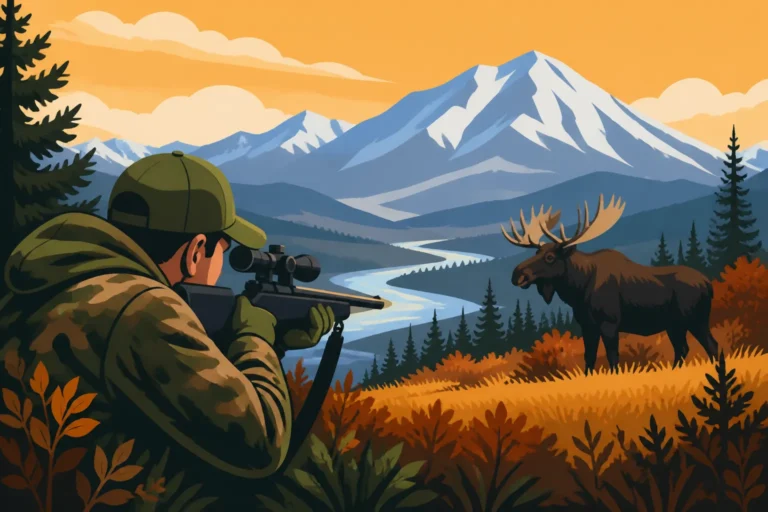
Imagine spotting a fantastic bull moose just beyond your backyard, or hearing geese honking overhead, making you dream of a quick hunt. The reality, though, is often far more complicated. Anchorage sits on a unique blend of state, federal, and private lands, all intertwined with its municipal boundaries. This means that a parcel of land that looks like prime hunting ground on one side of a road might be strictly off-limits on the other. It's not always obvious where these lines are, and ignorance of the law is never an excuse. We've all been there, scratching our heads, wondering if that patch of woods is part of a park or truly open state land.
Understanding Proximity and Safety Concerns
The primary reason for many hunting restrictions near Anchorage boils down to public safety. Discharging a firearm or even an arrow too close to residences, trails, or populated areas is inherently risky. Local ordinances often create buffer zones or outright prohibit hunting in areas frequented by hikers, bikers, or dog walkers. These rules are put in place to prevent accidents and ensure that everyone, whether they're a hunter or a nature enthusiast, can enjoy the outdoors without fear. It's about maintaining harmony, even when it feels like it limits our opportunities. This often means that even if the land itself isn't explicitly closed, the sheer density of people or development makes it impractical or illegal to hunt.
Key Areas with Hunting Restrictions Around Anchorage
When planning a hunt near Anchorage, it's crucial to understand which specific areas within the municipality, or immediately adjacent to it, have outright hunting bans or significant restrictions. These aren't always state game regulations, but often local laws that supercede general hunting rules.
Municipal Parks and Greenbelts
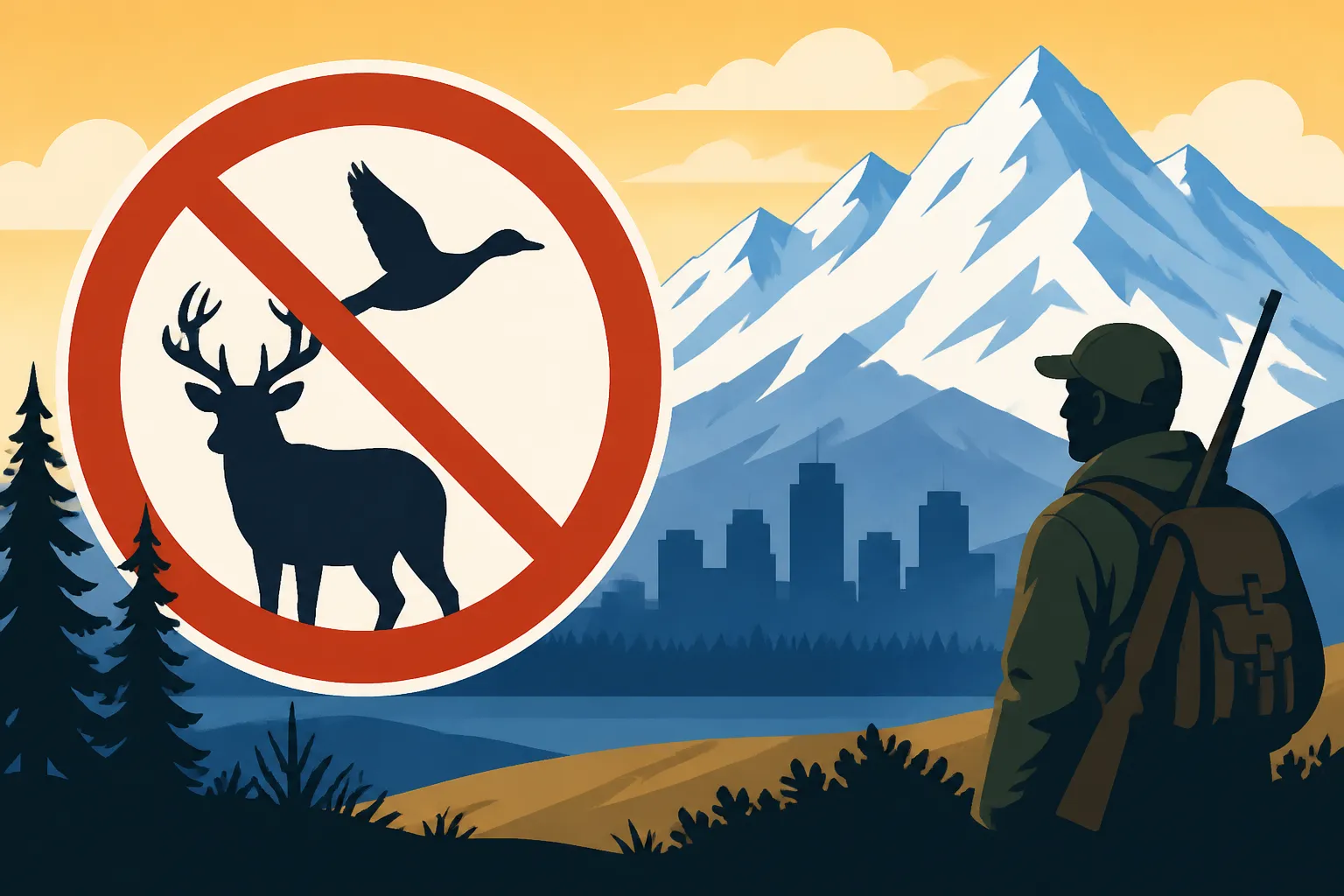
Many of Anchorage's beautiful parks and greenbelts, while teeming with wildlife, are explicitly closed to hunting. These areas are set aside for recreation, conservation, and often act as important wildlife corridors within the city limits. Trying to hunt in these zones, even if you see deer or moose, will almost certainly lead to a hefty fine and a loss of hunting privileges.
For example, Kincaid Park on the west side of Anchorage, despite its vast acreage and abundant moose population, is strictly a non-hunting area. It's a fantastic spot for cross-country skiing, biking, and wildlife viewing, but not for hunting. Similarly, the extensive trails and wooded areas of the Far North Bicentennial Park, stretching from the east side of town towards the Chugach Mountains, are also closed to hunting. These parks are critical for urban recreation, and their regulations reflect that purpose. Even areas that might look like open land from a distance are often part of these park systems, so don't get caught assuming.
Chugach State Park Restrictions
Chugach State Park is a massive natural gem bordering Anchorage, offering incredible hunting opportunities for species like Dall sheep, moose, and bear. However, not all of it is open to hunting, and certain areas have specific access and usage rules. It's a complex patchwork within the park itself.
Within Chugach State Park, some areas very close to Anchorage's residential neighborhoods, particularly trailheads and popular recreation zones, might have specific "no hunting" or "no discharge" zones posted. This is often to protect hikers and residents who live literally on the park's doorstep. For instance, the immediate vicinity of some popular trailheads, even those within Chugach State Park, can be designated as non-hunting areas. It's not uncommon to see signs indicating these specific restrictions. Always consult the current Alaska Department of Fish and Game regulations specific to Chugach State Park (GMU 14C) and look for any local park rules or maps. The park's management prioritizes diverse recreational use, so understanding these boundaries is key to a legal hunt. You might find a great spot in the park but be a mile or two from where you can actually legally shoot. For detailed planning, tools like onX Hunt can be incredibly useful for overlaying park boundaries and restricted zones onto satellite imagery, helping you visualize where you can actually go.
Federal Military Lands
Anchorage also has significant federal military installations nearby, such as Joint Base Elmendorf-Richardson (JBER). While JBER does offer some hunting opportunities, these are highly regulated and require specific permits, orientations, and adherence to strict access schedules that are separate from state hunting regulations. You cannot simply walk onto JBER land with a state hunting license and expect to hunt.
Accessing JBER for hunting involves a rigorous application process, often including safety briefings and specific check-in/check-out procedures. These regulations are in place to ensure military operations are not disrupted and that hunters remain safe within active training areas. If you're interested in hunting JBER, you must contact their Outdoor Recreation office directly for current rules, maps, and permit requirements. This is not a casual hunting option; it requires dedication to follow their specific guidelines. Many hunters, myself included, have found these areas to be rewarding but demanding in terms of compliance.
Here's a quick overview of some common restricted areas near Anchorage:
| Area Name | Type of Land | Primary Restrictions | Notes |
|---|---|---|---|
| Kincaid Park | Municipal Park | No Hunting, No Discharge of Firearms | Popular for recreation, wildlife viewing. |
| Far North Bicentennial Park | Municipal Park | No Hunting, No Discharge of Firearms | Extensive trail system, urban wildlife corridor. |
| Chugach State Park | State Park | Some areas closed near trailheads/residential zones | Consult ADF&G regulations and park-specific maps. |
| Joint Base Elmendorf-Richardson (JBER) | Federal Military Land | Restricted access, special permits, specific rules | Contact JBER Outdoor Recreation for details. |
| Immediate Urban/Suburban Areas | Mixed Private/Municipal | Discharge laws, safety zones, property boundaries | Always verify land ownership and local ordinances. |
Understanding Land Status and Local Ordinances
The patchwork of land ownership near Anchorage is arguably the most confusing aspect for hunters. You can literally be looking at a map and see state land, federal land, private property, and municipal parcels all within a stone's throw of each other. Each type of land comes with its own set of rules, and on top of that, local city and borough ordinances can add another layer of complexity.
State Land Versus Private Property Boundaries
Alaska boasts vast amounts of state land, much of which is open to hunting. However, especially around populated areas like Anchorage, this state land can be interspersed with private holdings. It's a common mistake to assume that because a piece of land looks wild, it's public. This isn't always the case, and trespassing, even accidental, can lead to legal trouble and damage a hunter's reputation.
Many frustrated hunters have discovered that the perfect spot they scouted from the road is actually private property, with no public access. Verifying land ownership is paramount. Tools like onX Hunt are invaluable here, as they provide detailed property lines and land ownership information right on your phone, even without cell service if you've downloaded offline maps beforehand. Downloading Offline Maps Before a Fly-In is a skill that transfers well to urban-adjacent hunting. Before you even pack your rifle, pull up these resources and meticulously check the boundaries. Local municipal code may also specify setbacks for discharging firearms near occupied dwellings, even if you are on legal public land. These subtle nuances are why a pre-hunt check on land status is so vital.
Municipal Ordinances and Firearm Discharge
Beyond state game laws, the Municipality of Anchorage has its own set of ordinances that can affect hunting. These local laws often govern the discharge of firearms and bows within specific distances of residences, roads, or public facilities. Even if state law permits hunting in a certain area, a municipal ordinance might prohibit the act of shooting there.
These ordinances are typically designed to ensure public safety and prevent noise disturbances in residential areas. For example, some municipal areas might have "no discharge" zones that extend beyond the actual city limits, or specific rules about shooting across or near trails. It's not just about what you're hunting, but how and where you can do it without disturbing others or creating a safety hazard. Ignorance of these local rules is a quick way to lose your hunting privileges. Always check the Anchorage Municipal Code for current regulations related to firearms and hunting. This extra step can save you a lot of headache and potential legal trouble. How to Check Alaska Land Status Before a Hunt dives deeper into how to verify this crucial information.
Finding Legal Hunting Access and Information
With all these restrictions and overlapping jurisdictions, it can feel like finding a legal hunting spot near Anchorage is like searching for a needle in a haystack. But it's not impossible! The key is to be diligent in your research and know where to look for accurate, up-to-date information.
Alaska Department of Fish and Game Resources
Your first and most important stop for any hunting information in Alaska should always be the Alaska Department of Fish and Game (ADF&G). They publish comprehensive hunting regulations that outline season dates, bag limits, and specific unit restrictions, including those that apply to Game Management Unit (GMU) 14C, which encompasses Anchorage.
ADF&G's website and physical regulations booklets are goldmines of information. Pay particular attention to the "general provisions" section and specific GMU descriptions. They'll detail any controlled use areas, no-hunting zones, or special permit requirements that might apply to areas even just outside the immediate city limits. They also issue "Emergency Orders" that can close seasons early or modify regulations due to wildlife populations or public safety concerns. A quick check of these before your hunt is non-negotiable. Don't forget that their offices also have knowledgeable staff who can answer specific questions about local regulations. Alaska Hunting Seasons and Tag Rules Explained provides a great overview of these broader regulations.
Utilizing Mapping Technology and Local Contacts
In today's world, there's no excuse for not knowing where you stand. Modern mapping applications have revolutionized how hunters navigate complex land ownership and regulatory boundaries. These tools are indispensable for urban-adjacent hunting.
Applications like onX Hunt allow you to layer different map types, including private property boundaries, public land ownership (state, federal, military), and even specific hunt unit boundaries. This visual representation makes it incredibly easy to see where you're allowed to be and where you're not. Some apps, and online platforms like GoHunt, can even provide information on specific regulations for different zones. Beyond the apps, connecting with local hunters, especially through established hunting clubs or forums, can offer invaluable insights into areas that are genuinely open and accessible. Just remember to verify any anecdotal advice with official sources. Don't be afraid to ask for local knowledge, but always double-check it.
Other Nearby Hunting Opportunities
While the immediate Anchorage municipality has many restrictions, legitimate hunting opportunities still exist a relatively short drive away. Expanding your search beyond the city's immediate perimeter opens up far more possibilities.
Consider heading east into the larger expanses of Chugach State Park, particularly away from the immediate road system and popular hiking trails. The vast majority of the park is open to hunting, and you can find opportunities for bear, moose, and even Dall sheep if you're willing to put in the effort. Or, consider areas along the Glenn Highway or Richardson Highway corridors, which are a bit further out but provide much more traditional hunting access. Hunting Off the Glenn Highway Near Sheep Mountain is a good resource for exploring these regions. These areas require more planning and potentially a longer trip, but they offer the true Alaska hunting experience without the urban regulatory headache. Remember, sometimes the best way to avoid local closures is to simply drive a little further.
Disclaimer
This article is for general informational purposes only and does not constitute professional advice. Laws, prices and regulations vary by location and change over time. Consult a qualified professional for guidance on your specific situation.