How Hunters Reach Raspberry Island for Elk
For many hunters, the dream of pursuing Roosevelt elk on Alaska's remote Raspberry Island is a powerful draw, but the challenge of actually getting there can feel like an insurmountable barrier. It's not like driving to your local hunting grounds; this is an expedition into wild country. This guide aims to demystify the logistical hurdles, offering a realistic look at how you can successfully access Raspberry Island for an unforgettable elk hunting experience, from floatplanes to rugged boat journeys, ensuring you're prepared for every step of the adventure.
Understanding Raspberry Island's Location and Terrain
Raspberry Island, lying just north of the much larger Kodiak Island in the Gulf of Alaska, is a place of rugged beauty and formidable challenges. It's not a destination you stumble upon; reaching it requires deliberate planning, reliable transportation, and an understanding of its unique geography. This island is truly wild, meaning there are no roads, no towns, and very little in the way of established infrastructure once you leave the floatplane or boat. It's precisely this wildness that makes it such an incredible hunting destination, but it also dictates every aspect of your access and field strategy.
Geographical Overview and Hunting Zones
Raspberry Island is part of the Kodiak Archipelago, a chain of islands known for their dense coastal rainforests, steep mountains, and deep, fjord-like bays. The island itself is characterized by its rolling hills, spruce and hemlock forests, and open alders leading up to more exposed alpine terrain. This diverse landscape offers a variety of habitats for wildlife, but it also presents significant challenges for hunters trying to navigate with heavy gear or pack out meat. The weather here is notoriously unpredictable, often swinging from calm sunshine to driving rain and heavy winds in a matter of hours, which can severely impact travel plans and hunting conditions. Hunters often focus on the valleys and lower slopes where elk typically feed, but understanding the higher ground is crucial for spotting game and escape routes.
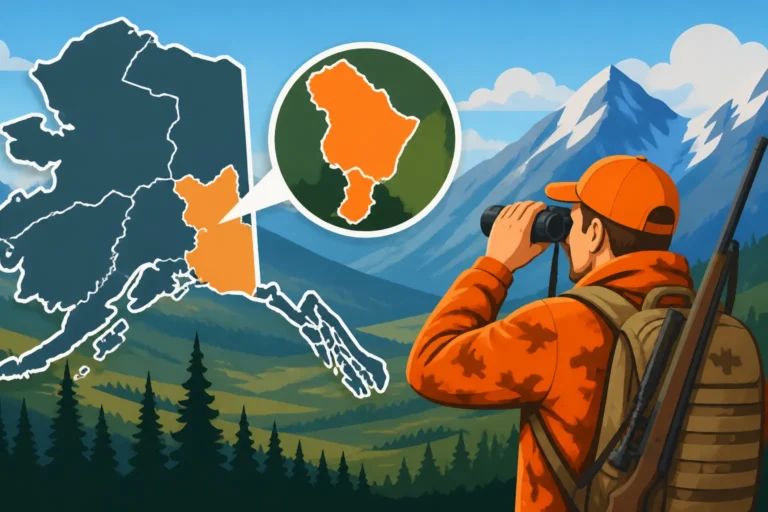
The island falls within a specific Game Management Unit, which dictates hunting seasons, bag limits, and specific regulations for elk. Before even considering transport, it's vital to familiarize yourself with the current regulations for this unit. Platforms like GoHunt can be incredibly helpful for researching specific unit information, draw odds, and historical harvest data, giving you a better picture of what to expect. Knowing the designated hunting zones, potential access points via bays or lakes, and restricted areas is paramount for a legal and successful hunt. You'll want to pore over topographic maps, perhaps using a tool like onX Hunt, to identify potential landing spots, glassing knobs, and areas of high elk activity.
The Roosevelt Elk on Raspberry Island
The Roosevelt elk on Raspberry Island are a transplanted population, originally introduced to the Kodiak Archipelago in the early 20th century. Unlike their counterparts in the Lower 48, these elk inhabit a coastal rainforest environment, leading to unique behaviors and challenges for hunters. They're often found in dense timber, making spot-and-stalk tactics difficult, and their bugling can be a key to locating them. The terrain they inhabit is often steep, wet, and brushy, demanding physical fitness and proper gear. These animals are a testament to Alaska's incredible wildlife management, offering a unique opportunity to pursue a species not native to the state's mainland.
Hunting these elk isn't just about bagging an animal; it's about experiencing a truly wild and challenging hunt in a stunning, remote setting. The success rates can vary dramatically based on weather, hunter effort, and the specific year's elk population dynamics. While not as heavily regulated as some of Alaska's draw hunts for species like bison or muskox, obtaining a tag for Raspberry Island elk usually involves a drawing permit system. Understanding the biology of these Roosevelt Elk on Raspberry Island and their seasonal movements is critical to increasing your odds, as is preparing for the arduous task of packing out heavy meat through dense, wet forests.
Primary Modes of Access to Raspberry Island
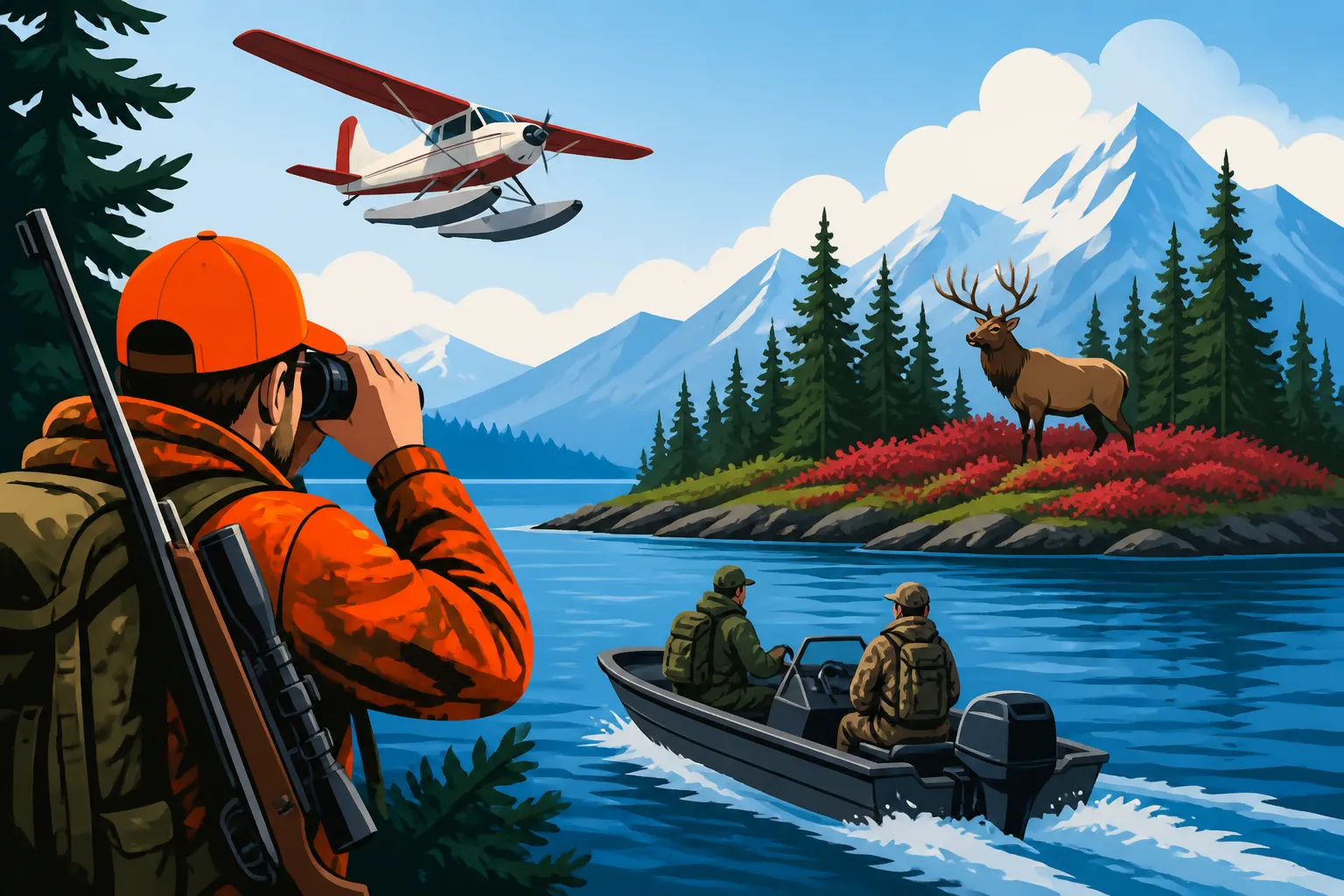
Reaching Raspberry Island is a two-step process: first, getting to Kodiak Island, and second, securing transportation from Kodiak to Raspberry. Most hunters fly commercially into the city of Kodiak. From there, your options for the final leg of the journey narrow down to either air charter (floatplane) or a boat charter. Both methods have their distinct advantages and disadvantages, largely depending on your budget, group size, equipment, and tolerance for adventure. It's crucial to weigh these factors carefully to choose the method that best suits your hunt.
Floatplane Charters: The Most Common Route
Floatplane charters are, without a doubt, the most popular and often the most efficient way to get to Raspberry Island. Several air taxi services operate out of Kodiak City, offering flights directly to various lakes or protected bays on Raspberry. This method allows you to be dropped off deep within prime hunting country, bypassing days of arduous travel. The journey itself is an experience, offering breathtaking aerial views of the archipelago's dramatic coastline and verdant interior. Many hunters rely on these services for Fly-In Hunting: Working With an Alaska Transporter Pilot to reach their remote camps.
However, floatplane access comes with its own set of considerations. Weather can, and often does, delay flights, sometimes for days. You need to build extra buffer days into your itinerary for both drop-off and pick-up. Floatplanes also have strict weight limits, meaning you'll need to be meticulous about your gear selection. Overweight charges can quickly add up, turning an already expensive flight into an even pricier proposition. Discussing gear limits and potential second trips for meat hauling with your air taxi service is essential. It's not uncommon for hunters to coordinate with their pilots for radio or satellite check-ins to ensure pickups go smoothly, especially if weather turns sour. When choosing a floatplane operator, look for those with a strong safety record and experience flying to Raspberry Island.
Boat-Based Travel from Kodiak
While less common for direct access to interior hunting spots, boat-based travel from Kodiak is another viable option, particularly if you're targeting coastal areas or prefer the flexibility of water transport. This can involve chartering a larger vessel capable of making the journey from Kodiak to Raspberry, or if you're an experienced boater, potentially using your own boat if it's seaworthy enough for Gulf of Alaska conditions. Boat charters often provide more capacity for gear, which can be a huge advantage when bringing substantial camp equipment or anticipating large meat loads. It also offers the ability to hunt different bays and coastlines, adapting to game movement and weather patterns.
The downsides, however, are significant. The journey by boat can be slower, and navigating the unpredictable waters between Kodiak and Raspberry requires a skilled captain and a robust vessel. Weather can still cause delays, and rough seas can make for a very uncomfortable trip. Furthermore, if your hunting plans involve penetrating the island's interior, you'll still face the challenge of getting your gear and yourself from the beachhead into the elk's preferred habitat, which often means an arduous hike through dense brush. For those interested in a combined land and sea approach, or those pursuing other coastal species, understanding Boat-Based Deer Hunting on Alaska's Island Coastlines might offer relevant insights into boat logistics in this unique environment.
Practical Considerations for Each Method
When deciding between a floatplane and a boat, consider your hunting style, group size, and budget. Floatplanes are generally faster, allow access to more remote inland lakes, and are ideal for quick drop-offs and pickups. They are often preferred for hunts where time is a premium. On the other hand, boats offer greater carrying capacity and flexibility to move along the coastline, but require more time and often limit your hunting range to areas accessible from the water.
- Cost: Both options are significant expenses. Floatplanes charge by the hour or by the load, while boats might charge daily rates or per trip. Always get detailed quotes that include potential deadhead time or extra charges for multiple loads.
- Flexibility: Floatplanes can be grounded by fog or high winds, sometimes for days. Boats are less affected by fog but can be challenged by rough seas. Having a flexible schedule with buffer days is non-negotiable for either method.
- Gear: Floatplanes have strict weight limits; every ounce counts. Boats offer more room for elaborate camp setups, food, and bulky hunting gear.
- Accessibility: Floatplanes can reach remote lakes or gravel bars, giving you immediate access to inland hunting grounds. Boats are limited to coastal access points, potentially requiring significant inland treks.
- Safety: Discuss emergency protocols with your transporter. What's the plan if you don't check in? How do they handle emergencies? These are vital questions for any remote Alaska hunt. For more on safety, see Emergency Evacuation Plans in Remote Alaska.
Planning Your Logistics for an Elk Hunt
A successful elk hunt on Raspberry Island isn't just about good shooting; it's about meticulous planning that covers every conceivable scenario. The remoteness of the island means that every item you bring, every decision you make, and every contingency you plan for directly impacts your safety and success. There are no convenience stores, no paved roads, and often no cell service, so self-reliance is paramount. This level of planning is similar to preparing for a Backpack Hunting in Alaska: Gear Weight and Meat Loads trip, but with the added complexity of island-specific logistics.
Pre-Trip Planning and Permits
Before you even think about booking transportation, you must secure the necessary hunting permits and tags for Raspberry Island elk. These are typically obtained through the Alaska drawing permit system, and understanding the application deadlines and processes is critical. Platforms like GoHunt can provide valuable data on historical draw odds, helping you strategize your application. Once you've successfully drawn a permit, ensure you have all your licenses and tags in order. Remember, nonresident hunters often face different regulations and costs for Nonresident Hunting License Costs in Alaska and individual tags.
Beyond permits, research the Game Management Unit extensively. This includes studying topographical maps, utilizing satellite imagery, and reading any available harvest reports. Tools like onX Hunt can be invaluable here, allowing you to mark potential hunting areas, water sources, and emergency extraction points. Identifying your primary and secondary hunting zones, potential camp locations, and routes for packing out meat will save you precious time and effort in the field. Don't forget to understand the specific regulations for the unit you're hunting, as these can vary significantly even within the Kodiak Archipelago.
Gear and Supplies for Island Hunting
The environment of Raspberry Island dictates your gear choices. Expect constant moisture, ranging from persistent drizzle to heavy rain, and temperatures that can fluctuate quickly. Waterproofing is non-negotiable. Quality rain gear, waterproof boots that offer excellent ankle support for rough terrain, and dry bags for all your essential items are a must. Layering your clothing is key to managing temperature fluctuations. Think about the unique challenges of hunting elk in dense, wet timber versus open alpine areas, and pack accordingly.
Your camp setup needs to be robust enough to withstand potential storms. A durable, four-season tent or a sturdy wall tent with a stove is often recommended, especially for longer hunts. Food planning is crucial; dehydrated meals are lightweight, but consider supplementing with high-calorie snacks. Water purification methods are also essential, as you'll be relying on natural sources. Beyond hunting-specific gear, remember general backcountry essentials: a comprehensive first-aid kit, navigation tools (GPS with extra batteries, map, compass), a satellite communication device (like an InReach or satellite phone), and bear deterrents (spray and/or a firearm). The terrain and packing distances for a harvested elk can be immense, so a robust pack frame is essential. For tips on how to prepare for this kind of rigorous trip, consider reading Backpack Hunting in Alaska: Gear Weight and Meat Loads.
Emergency Preparedness and Communication
Hunting on Raspberry Island means you are in truly remote country, often miles from any human presence. This makes emergency preparedness not just advisable, but absolutely mandatory. Your primary communication tool should be a satellite device. A Garmin inReach or a similar satellite messenger allows you to send and receive text messages, share your location, and, most critically, send an SOS signal in an emergency. Establish a strict check-in plan with a trusted contact back home, detailing your expected route and check-in times. This person should know exactly who to call if you miss a check-in.
Beyond communication, having a robust first-aid kit that includes supplies for traumatic injuries, severe allergic reactions, and common backcountry ailments is crucial. Knowledge of basic wilderness first aid is highly recommended. Bear safety is another top priority; coastal Alaska is brown bear country. Carry bear spray, know how to use it, and consider carrying a large-caliber firearm as a backup. When you make a kill, the site immediately becomes an attractant, so understanding Bear Safety While Butchering a Kill in Alaska is vital. Finally, always leave a detailed float plan or boat plan with your air taxi or boat charter company, including your intended hunting area and expected pickup time. This vital information can make all the difference in a rescue scenario.
| Access Method | Pros | Cons | Best For |
|---|---|---|---|
| Floatplane | Fast, direct to remote lakes/bays, scenic flight | Weather delays, strict weight limits, higher cost | Inland hunting, time-sensitive trips |
| Boat Charter | High gear capacity, coastal flexibility, comfort | Slower, weather-dependent (rough seas), coastal only | Coastal hunting, larger groups, longer stays |
Disclaimer
This article is for general informational purposes only and does not constitute professional advice. Laws, prices and regulations vary by location and change over time. Consult a qualified professional for guidance on your specific situation.