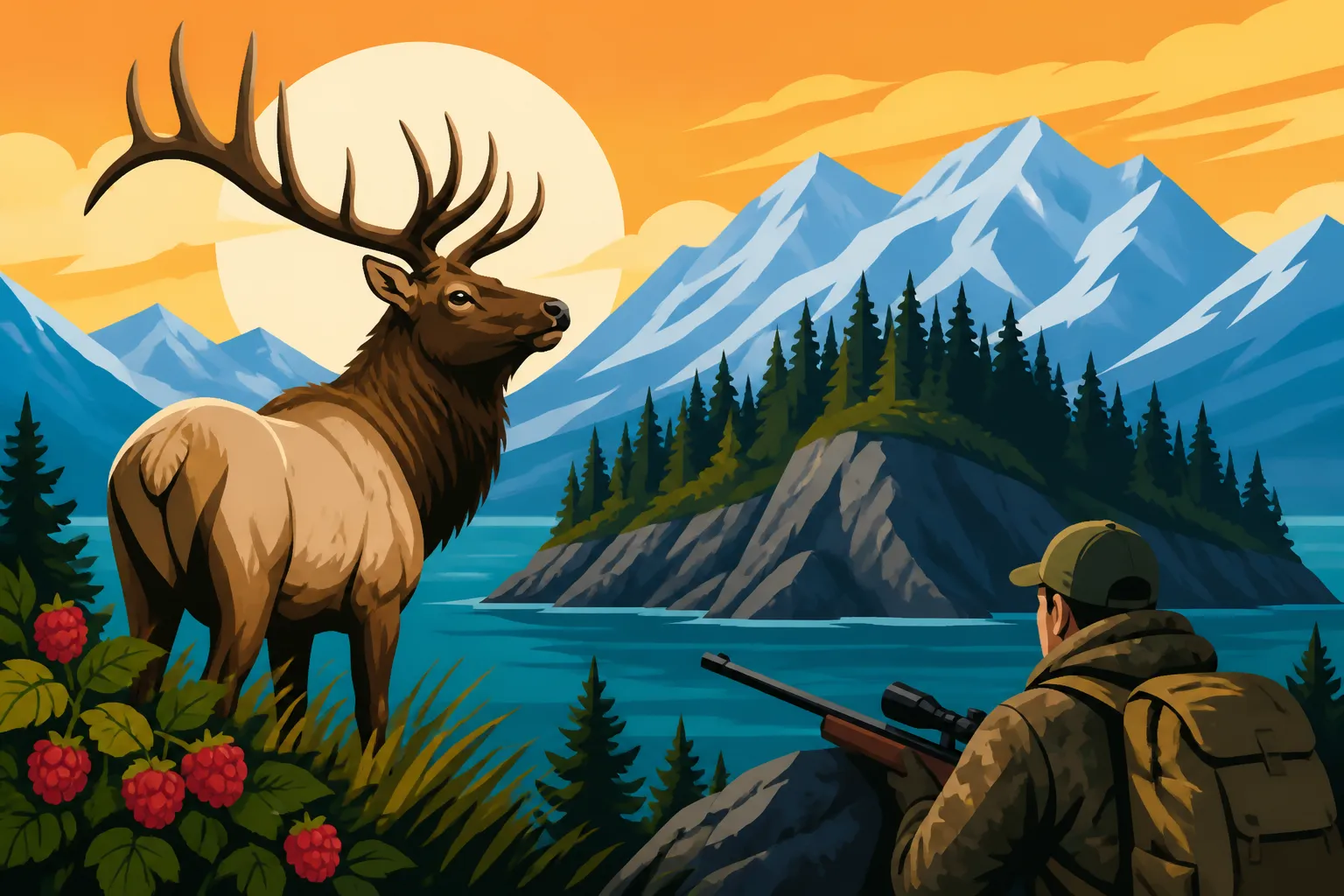
Roosevelt Elk on Raspberry Island
For many hunters, the idea of chasing elk conjures images of vast mountain ranges in the Lower 48. But here in Alaska, we have our own unique elk story, specifically with the Roosevelt elk found on Raspberry Island. This isn't your typical roadside hunt; it's a testament to incredible transplant success and presents a truly wild, challenging adventure for those lucky enough to draw a tag. If you're wondering how these majestic animals came to call an Alaskan island home and what it takes to pursue them, you’re in the right place. This guide will walk you through the fascinating history, distinct characteristics, and the realities of hunting Roosevelt elk on Raspberry Island.
The Intriguing History of Roosevelt Elk in Alaska
It might surprise some folks to learn that elk aren't native to Alaska. The story of Roosevelt elk on Raspberry Island is a captivating chapter in wildlife management, an experiment that not only succeeded but thrived, adding another unique big game species to Alaska's hunting opportunities. Imagine the sheer logistics and vision it took to bring these magnificent animals across such a distance and introduce them to a completely new, albeit suitable, environment. It speaks volumes about the dedication to expanding game resources in the state.
The Initial Transplant Efforts
The journey for these elk began back in 1928, when a contingent of 23 Roosevelt elk were brought from the Olympic Peninsula in Washington State and released on Afognak Island, just north of Kodiak. Raspberry Island, separated from Afognak by a narrow strait, became home to a small number of these elk around the same time or shortly thereafter, likely due to natural dispersal. The goal was to establish a new game population in an area that seemed to offer ample forage and cover, similar in many ways to their native Pacific Northwest rainforest environment, but with distinct Alaskan challenges. This wasn't a casual affair; it was a deliberate, hopeful act of conservation and population enhancement.
The initial release was a huge gamble. Transplanting any species to a new location comes with inherent risks, from disease to an inability to adapt to the new climate or predators. These elk were literally dropped into a foreign landscape, forced to quickly figure out how to survive and reproduce. It's truly remarkable how well they did, eventually forming a self-sustaining population that continues to provide hunting opportunities decades later. The foresight of those early game managers has paid dividends for generations of Alaskan hunters.
Early Challenges and Adaptation
The early years for the Roosevelt elk on Raspberry Island (and Afognak) were undoubtedly tough. They faced a new suite of predators, particularly brown bears, which are abundant in the Kodiak Archipelago. The deep snows that can hit the islands, combined with the often-dense alders and spruce, presented challenges for finding food and navigating the terrain. However, the coastal rainforest environment of these islands proved to be surprisingly hospitable. The abundant rainfall fosters lush vegetation, and the mild maritime climate, relative to interior Alaska, helps moderate winter extremes. The elk quickly adapted, learning to browse on various plants, navigate the rugged terrain, and coexist with the island's formidable brown bear population.
One of the most significant adaptations was their reliance on the dense cover provided by the spruce forests and alder thickets. Unlike the vast open spaces often associated with elk hunting in other states, here on Raspberry Island, the elk are frequently found in much thicker cover, making for a distinctly different hunting experience. They learned to utilize the contours of the land, moving between feeding areas and bedding sites with incredible stealth. This early adaptation laid the groundwork for the robust herds we see today, herds that are uniquely suited to their island home.
Roosevelt Elk Biology and Behavior on Raspberry Island
Understanding the specific biology and behavior of the Raspberry Island elk is crucial for any hunter hoping to pursue them. These aren't just "elk"; they are Roosevelt elk, and their island existence has shaped them in particular ways. From their physical characteristics to how they navigate their challenging environment, every detail contributes to the unique experience of hunting them.
Unique Characteristics of Raspberry Island Elk
Roosevelt elk are the largest of the elk subspecies, known for their impressive body size and often heavy, sweeping antlers. On Raspberry Island, they maintain this reputation. While antler size can vary, you'll find mature bulls that are truly magnificent, a testament to the rich forage available. Their coat color tends to be a darker, richer brown compared to some of their Rocky Mountain cousins, a coloration that helps them blend into the shadows of the dense rainforest. What makes them particularly unique is how they've adapted to a more confined, island ecosystem. They tend to be more solitary or move in smaller groups outside the rut than larger mainland herds might. This can make them incredibly elusive, often moving silently through the thick brush.
They've also developed an uncanny ability to navigate the steep, often slippery terrain. Their hooves are incredibly tough, and they can cover ground that would be challenging for a human, even with proper gear. Watching a large bull disappear into a dense alder patch seemingly without a sound is a humbling experience. These animals are truly wilderness residents, and they demand respect for their environment and their survival skills. When you're planning a hunt, checking resources like GoHunt for historical draw success rates or unit information can give you an edge in understanding the population dynamics and hunt pressure.
Habitat and Forage Adaptations
Raspberry Island offers a diverse, though often dense, habitat for elk. You'll find a mix of old-growth Sitka spruce forests, dense alder thickets, open meadows, and coastal muskegs. The elk utilize all these different zones depending on the season and time of day. In the spring and summer, they might be found grazing in the more open areas or along the fringes of the forests, taking advantage of new green growth. As fall approaches and the rut kicks in, they'll often retreat to the security of the heavier timber, using the dense cover for bedding and to hide from competitors and predators.
Their diet is varied, reflecting the diverse flora of the island. They browse on willow, alder, huckleberry, and various forbs and grasses. This adaptability in their diet is key to their success in an environment that might not offer the vast expanses of specific forage found in other elk ranges. Hunters often find sign in areas where there's a good mix of dense cover and palatable browse. Understanding these forage patterns is critical to Hunting Sitka Blacktail Deer in the Alpine Before Snow, and similarly for elk. It's not about finding the biggest meadow, but often about finding the thickest, most difficult-to-penetrate patches with good browse.
Rutting Season and Herd Dynamics
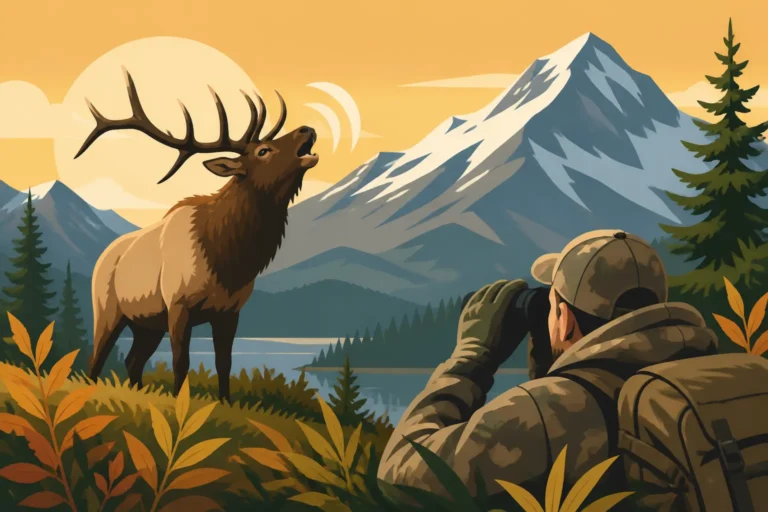
The rutting season for Roosevelt elk on Raspberry Island typically peaks in late September into early October. This is when the island echoes with the haunting bugles of bulls challenging each other for breeding rights. During this time, the bulls become much more vocal and active, making them potentially more vulnerable to hunters. However, their movements can still be incredibly unpredictable within the dense cover. Cows and calves will gather into smaller herds, and the dominant bulls will work tirelessly to keep them together, constantly defending against rival males.
Unlike some larger elk herds, the social dynamics on Raspberry Island can feel a bit more intimate. You might not see hundreds of elk, but rather smaller, intense interactions between a few bulls and their harems. Successfully locating and calling in a bull during the rut can be incredibly rewarding. It requires patience, keen listening, and often a willingness to push through some seriously thick brush. Understanding these herd dynamics and the timing of the rut is just as crucial here as it is for Calling Bull Moose During the Alaska Rut or Calling Moose in Alaska With a Scapula and a Cow Call. It’s a primal ballet played out against a stunning, rugged backdrop.
Hunting Opportunities and Challenges for Raspberry Island Elk
Hunting Roosevelt elk on Raspberry Island is an experience like no other. It's often physically demanding, requires careful planning, and rewards persistence. It’s not just about pulling a trigger; it’s about immersing yourself in a challenging coastal wilderness and earning your animal.
Permit System and Access Considerations
Hunting Roosevelt elk on Raspberry Island (and Afognak) is primarily managed through a highly competitive draw permit system. These are not over-the-counter tags, and success rates for drawing a permit can be low, reflecting the limited number of tags issued to manage the population sustainably. Hunters need to pay close attention to the Alaska Hunting Seasons and Tag Rules Explained and specifically How Alaska's Big Game Drawing Permits Work. Applications are typically submitted during a specific window, usually in November and December, with results announced in February. Checking Alaska Draw Results Online is a nerve-wracking but exciting moment for many hopeful hunters.
Access to Raspberry Island is almost exclusively by boat or floatplane. There are no roads or established trails covering the entire island, so you’ll need to arrange for transportation from Kodiak or a nearby community. Many hunters opt for charter boats that can drop them off on a beach and provide support, or an air taxi with a floatplane if there are suitable lakes or protected bays for landing. The terrain once you're on the island is rugged, wet, and often covered in dense vegetation, meaning you'll be doing a lot of hiking, often off-trail, through challenging conditions. This is a true wilderness experience, requiring self-sufficiency and a solid understanding of coastal Alaska. Consider that How Hunters Reach Raspberry Island for Elk often involves navigating unpredictable weather and tides.
Tactical Approaches to Hunting Elk on the Island
Once you've secured that coveted tag and made it to the island, the real work begins. Hunting these elk is largely a combination of still-hunting, glassing, and calling, often within dense cover. Because of the thick vegetation, long-range shots are rare. Most encounters will be at closer distances, requiring stealth and quick decision-making. Scouting before your hunt, even if it's just digitally using satellite imagery, is crucial. Look for areas with a mix of dense timber, open pockets, and water sources.
During the rut, calling can be highly effective. Elk bugles, cow calls, and even raking sounds can draw a bull in, but be prepared for them to approach cautiously through the thick brush. Patience is key; a bull might hang up for a long time, trying to pinpoint the source of the sound. Calling Bull Moose During the Alaska Rut shares similar principles of patience and understanding animal responses. For Rifle Choice for Alaska Brown Bear Country, the same heavy-hitting calibers are often preferred for elk, ensuring a quick, ethical kill. When the weather inevitably turns wet and windy, you'll want to focus on protected drainages and the lee sides of ridges where elk might seek shelter. GoHunt also provides valuable insights and forums where experienced hunters share tips on specific tactical approaches for challenging hunts like this.
Meat Care and Logistics in Remote Coastal Environments
One of the biggest logistical challenges on Raspberry Island is meat care. You're in a wet, coastal environment, and often, temperatures can be mild, even in the fall. If you're fortunate enough to harvest an elk, the clock starts ticking immediately. The meat needs to be cooled quickly to prevent spoilage. This means quartering the animal promptly and getting the meat into breathable game bags. Meat Care in 50-Degree September Weather is a must-read for anyone hunting in coastal Alaska. Hanging the meat in a cool, shady spot, elevated from the ground and out of reach of bears, is paramount. Given the prevalence of brown bears, carrying a sidearm and being proficient with bear spray is not just a good idea, it's essential.
Packing out an elk from the dense, steep terrain of Raspberry Island is an enormous physical undertaking. These are large animals, yielding a substantial amount of meat. Expect multiple trips with heavy loads, often through wet brush and over uneven ground. Planning your extraction route to a boat pickup or floatplane lake is critical before you even begin hunting. Packing Out Meat in Alaska: The Salvage Law Hunters Must Follow outlines the legal requirements for meat salvage in Alaska. Many hunters coordinate with their air taxi or charter boat service for multiple meat pickups or plan for the entire crew to assist in the pack out. This isn't a solo endeavor for most; teamwork and a robust packing strategy are essential for success.
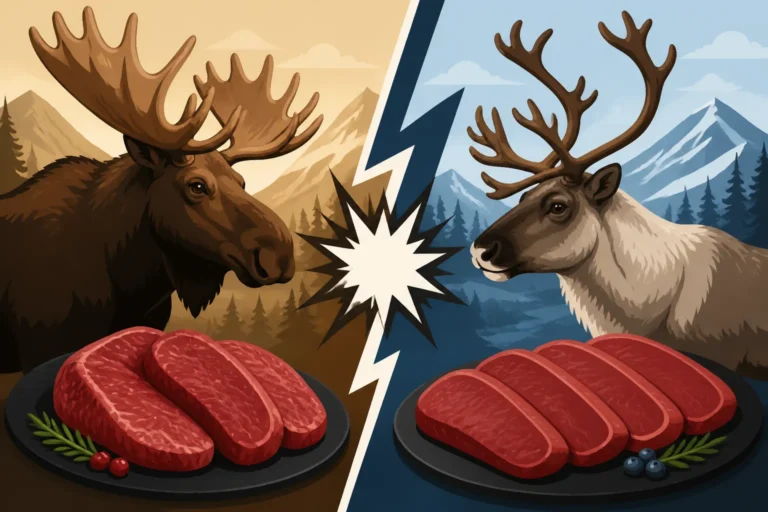
| Key Aspect | Roosevelt Elk on Raspberry Island | Other Alaska Big Game (e.g., Interior Moose) |
|---|---|---|
| Origin | Transplanted, not native to Alaska | Native to Alaska |
| Habitat | Dense coastal rainforest, steep terrain | Open tundra, willow flats, burn scars, river bottoms |
| Primary Access | Boat or floatplane | Floatplane, ATV, riverboat, road system |
| Hunting Method | Still-hunting, calling in thick cover | Glassing vast expanses, float hunting, calling in open |
| Average Shot Distance | Close range (under 150 yards) | Varies, often longer (100-300+ yards) |
| Competition for Tags | Highly competitive draw permit only | Mix of draw, registration, and general season tags |
| Meat Care Challenge | Humidity, mild temps, thick cover, bear activity | Cold temps (can be), open exposure, bear activity |
| Physical Demands | Very high (rugged, wet, dense terrain) | High (long distances, heavy loads, varied terrain) |
Disclaimer
This article is for general informational purposes only and does not constitute professional advice. Laws, prices and regulations vary by location and change over time. Consult a qualified professional for guidance on your specific situation.