Afognak Island Elk Origins
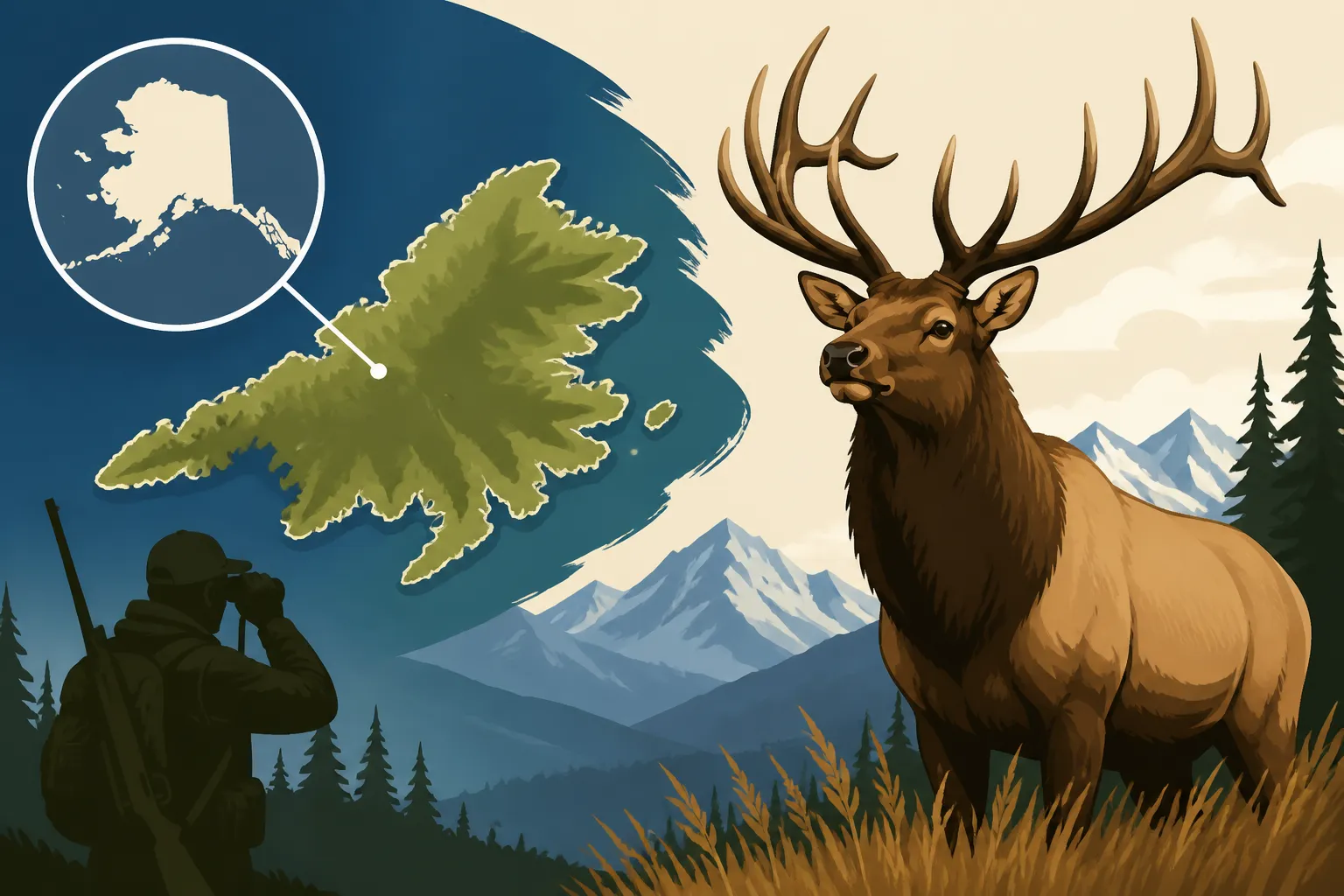
For many folks who dream of Alaska hunting, the majestic image of a giant bull moose or a charging brown bear often comes to mind. But what if I told you there’s another incredible big game animal on offer, one that few outside the Last Frontier realize even exists here? We’re talking about elk, specifically the Roosevelt elk, thriving on a remote island chain in the Gulf of Alaska. It's a truly unique hunting opportunity, but understanding why they're there in the first place, and the incredible journey they made, is key to appreciating this rare pursuit. This guide is going to peel back the layers on the fascinating origins of the Afognak Island elk herd, explaining how these magnificent creatures came to call this rugged, remote corner of Alaska home and what that means for hunters today.
The Bold Experiment: Bringing Elk to Alaska
The idea of bringing elk to Alaska wasn't some spur-of-the-moment decision; it was a deliberate, ambitious conservation effort designed to introduce a new big game species to suitable habitat. Alaska's vast landscapes offered plenty of wild spaces, and the coastal rainforests of Afognak Island, with their abundant forage and milder climate compared to interior Alaska, looked promising for a species like the Roosevelt elk. The real challenge, of course, was getting them there and ensuring they could establish a self-sustaining population.
The Initial Vision and Species Selection
Back in the early 20th century, game managers and visionaries looked at the sheer size of Alaska and saw potential for more than just its native species. They recognized that while native moose, caribou, and bears thrived, certain niches might be open. The thought was that a large ungulate, providing excellent meat and a challenging hunt, could add to the state's wildlife diversity. After careful consideration, the Roosevelt elk (often known for their impressive size and ability to thrive in dense, wet coastal forests) was chosen. This wasn't a random pick; Roosevelt elk were known to flourish in similar environments along the Pacific Northwest coast, making them a logical fit for Afognak's temperate rainforests. The goal was to establish a herd that would contribute to the ecosystem and eventually provide hunting opportunities for residents and non-residents alike.
Sourcing and Transplanting the First Herds
The actual transplant operation took place in two main phases, drawing elk from the Olympic Peninsula in Washington State, which was home to a robust Roosevelt elk population. The first attempt in 1928 saw eight cows and two bulls released onto Afognak Island. This initial group, though small, was a testament to the belief that these animals could make it in a new home. The logistics of trapping, transporting by ship across open ocean, and then releasing large wild animals in a remote location were formidable for the era. Imagine the effort involved without modern tranquilizers or advanced animal handling techniques! Then, in 1929, another, larger group of 60 elk, consisting of 20 cows, 10 bulls, and 30 calves, followed the first. This larger second cohort was critical, providing a more robust genetic base and a higher chance of successful establishment. These animals were released into various locations on Afognak and the adjacent Raspberry Island, giving them multiple starting points. The hope was that these new arrivals would quickly adapt to their new surroundings, finding food and shelter in the dense spruce and hemlock forests, and the lush understory vegetation.
From Newcomers to Natives: Early Challenges and Adaptation
Introducing any non-native species, no matter how well-researched, comes with inherent risks and uncertainties. The Afognak elk faced a host of challenges, from adapting to a new ecosystem to contending with existing predators. Their story is one of resilience and a gradual, hard-won integration into the Alaskan wild.
Navigating a New Ecosystem and Its Predators
When those first elk stepped off the boats onto Afognak and Raspberry Islands, they entered a world that was both familiar in its rainforest feel but also distinctly Alaskan. While the terrain provided ample browse and cover, they immediately encountered the island's apex predator: the formidable Kodiak brown bear. These coastal bears are among the largest on Earth, and an elk calf or even a vulnerable adult would have been a novel, but certainly welcome, addition to their diet. The elk had to quickly learn to navigate the dense forest, find safe calving grounds, and adapt their predator avoidance strategies. Unlike their previous habitat in Washington, where wolves might have been a primary concern, the brown bear presented a different kind of threat, one that required constant vigilance. They also had to find suitable wintering areas, learning to browse on new plant species and paw through snow, though the coastal winters are generally milder than interior Alaska.
Initial Population Dynamics and Spread
The early years for the elk were a critical period of adjustment and slow growth. Monitoring their numbers would have been challenging in the dense island terrain, but over time, it became clear that the transplants were taking hold. The population, starting with fewer than 100 animals, gradually increased, spreading out from the initial release sites. The rich island vegetation, largely untouched by large browsing ungulates of this type before, provided a bounty of food, allowing the herd to thrive. Without significant human hunting pressure for many years and with sufficient habitat, the elk were able to reproduce and expand their range across Afognak and, to a lesser extent, Raspberry Island. This period of natural expansion was vital for the long-term health and genetic diversity of the emerging herd. It’s a testament to their adaptability and the suitability of the habitat that they were able to make such a success of their new home. You might find similar stories of adaptation when looking into Roosevelt Elk on Raspberry Island, given the proximity and shared history.
Current Status and Management of the Afognak Elk
Today, the Afognak Island elk herd is a remarkable success story, a vibrant population managed through carefully regulated hunting seasons. These animals represent a truly unique big game experience for Alaska hunters, distinct from the state's more commonly pursued species. Their continued presence is a testament to sound wildlife management and the incredible adaptability of the Roosevelt elk.
Herd Health and Population Trends
The Afognak elk population has fluctuated over the decades, influenced by a combination of habitat conditions, winter severity, and predation pressure from brown bears. Generally, the herd is considered healthy and robust, providing sustainable hunting opportunities. Wildlife biologists closely monitor the population through aerial surveys and hunter harvest data to ensure the herd remains within management objectives. Factors like calf survival rates, antler growth, and overall body condition are key indicators of the herd's well-being. The dense forest cover and rugged terrain of Afognak make comprehensive surveys challenging, but the data collected helps state agencies make informed decisions about permit numbers and season structures. This consistent management ensures that hunters will have opportunities for years to come while maintaining a strong, healthy elk population. When planning a hunt, resources like GoHunt can be invaluable for analyzing historical population trends and harvest data to get a better picture of herd health and success rates.
Unique Characteristics of the Afognak Roosevelt Elk
The Roosevelt elk on Afognak Island are genetically distinct from mainland herds, having evolved in relative isolation for nearly a century. They are known for their impressive body size, characteristic of the Roosevelt subspecies, and often sport magnificent antlers. These animals are true forest dwellers, perfectly at home in the thick spruce and hemlock forests, navigating challenging terrain with ease. Unlike some open-country elk, they often stay deep within the timber, making them particularly challenging to hunt. Their diet consists of a wide array of forest browse, grasses, and forbs, adapted to the specific flora of the island. Observing these elk in their natural environment, especially during the Elk Bugling Season on Afognak, offers a unique glimpse into their behavior, distinct from what one might see in more expansive Western ranges. They are a testament to the power of a successful transplant.
Hunting Afognak Elk: A Coveted and Challenging Pursuit
Hunting Afognak elk is not for the faint of heart, but it offers one of Alaska's most rewarding big game experiences. It's a drawing permit hunt, meaning competition is stiff, and success is often a combination of luck in the draw and sheer grit in the field. This hunt truly embodies the wild, rugged spirit of Alaska.
The Permit System and Application Process
Due to the limited population and high demand, hunting Afognak elk is managed through a highly competitive drawing permit system. This means hunters must apply in advance for a chance to draw one of the coveted tags. The number of permits issued each year is carefully determined by wildlife managers to ensure sustainable harvest and herd health. Drawing odds can be challenging, often requiring years of applications for some hunters. The application window is typically quite specific, and it's critical to pay close attention to deadlines. Understanding How Alaska's Big Game Drawing Permits Work is essential, as the process for elk mirrors that of other highly sought-after species. Many hopeful hunters meticulously research draw odds and historical success rates, often utilizing platforms like GoHunt to strategize their applications and increase their chances. This research can make a significant difference in your long-term success.
| Hunt Name (Example) | Unit | Species | Hunt Type | Typical Season Dates (Approx.) | Nonresident Guide Requirement |
|---|---|---|---|---|---|
| AF001 | 8 | Roosevelt Elk | Draw Permit | Oct – Nov | Not Required (but recommended) |
| AF002 | 8 | Roosevelt Elk | Draw Permit | Oct – Nov | Not Required (but recommended) |
Note: Specific hunt numbers, units, and dates vary by year. Always check current regulations.
The Hunt Experience: Rugged and Rewarding
Securing a permit is only the first step; the actual hunt for Afognak elk is notoriously demanding. Hunters often face dense coastal rainforests, steep terrain, and unpredictable weather, including heavy rain and fog. Access is primarily by boat or floatplane, adding another layer of complexity to the logistics. This is a true wilderness hunt, where the dense timber often means close-quarters encounters. Spot-and-stalk tactics are challenging in such thick cover, making calling during the rut a popular and effective method. You'll often be walking through spongy moss, navigating blowdowns, and wading through streams. Physical fitness is paramount, as is the ability to pack out heavy loads of meat through rugged terrain, a task where understanding Packing Out Meat in Alaska: The Salvage Law Hunters Must Follow becomes critically important. Given the presence of large brown bears, practicing Bear Safety While Butchering a Kill in Alaska is not just a good idea, it's absolutely vital.
Equipment and Preparations for an Afognak Elk Hunt
Preparing for an Afognak elk hunt demands specialized gear and meticulous planning. Rain gear isn't optional; it's absolutely essential, as is footwear that can handle constant moisture and slippery terrain. Navigation skills are paramount, as cell service is non-existent, and the thick canopy can obscure satellite signals. A durable rifle chambered in a cartridge suitable for large animals and potential close-range encounters, like those discussed in Rifle Choice for Alaska Brown Bear Country, is a wise choice, as bears are a constant presence. Beyond the hunting gear, consideration must be given to logistical arrangements, including transportation to the island, camp setup, and meat care in potentially warm, wet conditions. Many hunters hire a local transporter or air taxi to get them into a remote drop camp, which can alleviate some of the access headaches. Regardless of your approach, the effort and preparation are all part of the allure of this extraordinary Alaska hunting adventure. It's a hunt that truly tests a hunter's skills, endurance, and mental fortitude, but the reward of harvesting a Roosevelt elk in such a wild and beautiful setting is an experience that few ever forget.
Disclaimer
This article is for general informational purposes only and does not constitute professional advice. Laws, prices and regulations vary by location and change over time. Consult a qualified professional for guidance on your specific situation.