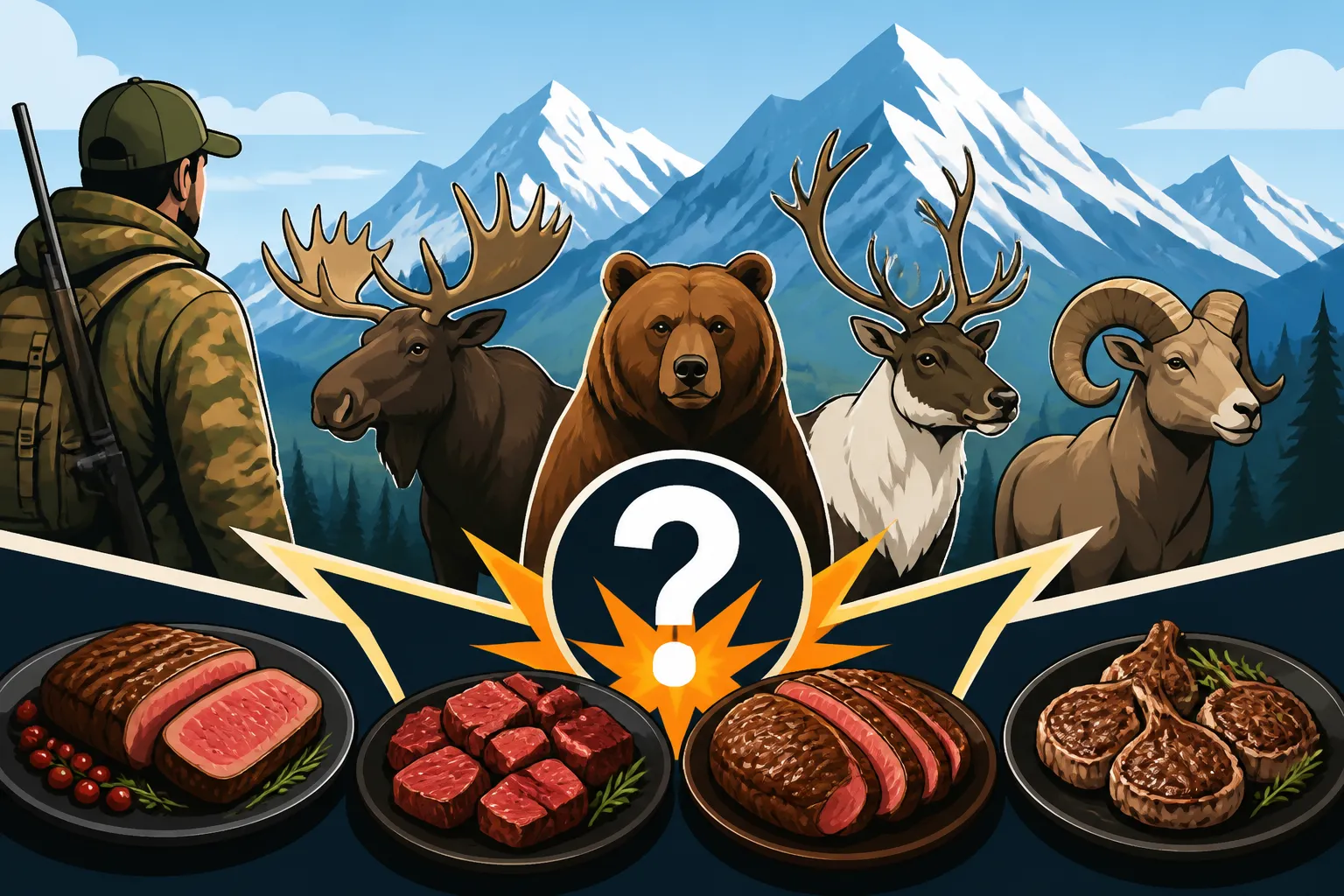
Which Alaska Big Game Tastes Best
One of the most enduring debates around any campfire in Alaska, right up there with "what's the best rifle caliber for moose?" and "did you see that ram?", is always about the meat. Hunters spend a lot of time, money, and sheer physical effort to bring home wild game, and while the experience is paramount, the freezer full of protein is the ultimate reward. But when it comes to the vast array of Alaska's big game, which one truly delivers the best flavor? Let's dive into the nuances of wild Alaska meat and help you anticipate what might be waiting for your dinner table.
The Royal Feast: Moose Meat
If you ask ten Alaska hunters what their favorite wild game meat is, a good seven or eight are likely to immediately say "moose." And honestly, it's hard to argue with them. Moose meat truly is a king among game meats, offering a rich, robust flavor that manages to be distinctly wild without being overwhelmingly gamey. It's often compared to high-quality beef, but with a leaner profile and a deeper, more earthy essence.
Understanding the Moose Palate
What makes moose so consistently delicious? A lot of it comes down to their diet. Moose are browsers, primarily feeding on willows, birch, and other woody shrubs. This diet, especially in the vast, untamed expanses of Alaska, contributes to a clean, wholesome flavor. You won't find them rooting around in agricultural fields, which can sometimes impart specific flavors to deer or elk in lower 48 states. The sheer size of an Alaska-Yukon moose also means a substantial amount of lean, well-marbled muscle that can be prepared in countless ways.
The texture of moose meat is also a major draw. It's fine-grained and incredibly tender when properly handled, making it versatile for everything from steaks and roasts to ground meat and stew. Many hunters find that moose offers a depth of flavor that can stand up to hearty marinades and slow cooking, yet it's delicate enough to shine with simple seasoning. It’s the kind of meat that genuinely feels like a gift from the wild, making all that hard work of Quartering a Bull Moose Alone in the Field and Packing Out Meat in Alaska: The Salvage Law Hunters Must Follow worth every aching muscle.
Preparing Your Moose Harvest
When you bring home a moose, you're looking at hundreds of pounds of potential meals. The large cuts lend themselves beautifully to slow-roasting or braising, turning tough muscles into fork-tender delights. Think pot roasts that fall apart, rich stews simmering for hours, or hearty chili that warms you from the inside out after a long winter day. But don't overlook the potential for tenderloins and backstraps, which are absolute showstoppers seared quickly and served medium-rare.
Ground moose meat is also incredibly popular and forms the backbone of many Alaskan households' weekly meals. Burgers, meatloaf, tacos, spaghetti sauce – anything you'd use ground beef for, ground moose will elevate with its unique flavor profile. Just remember, it's very lean, so adding a bit of fat (bacon grease, pork fat, or even beef suet) can prevent dryness in some recipes. Proper Meat Care in 50-Degree September Weather is crucial to ensure that royal flavor makes it from the field to your plate.
The Delicate and the Familiar: Caribou and Deer
While moose often takes the crown, caribou and Sitka blacktail deer offer distinct and highly prized flavors that appeal to different palates. They are generally milder than moose, making them excellent choices for those who might be new to wild game or prefer a less intense flavor.
Caribou: The Mild, Lean Nomad
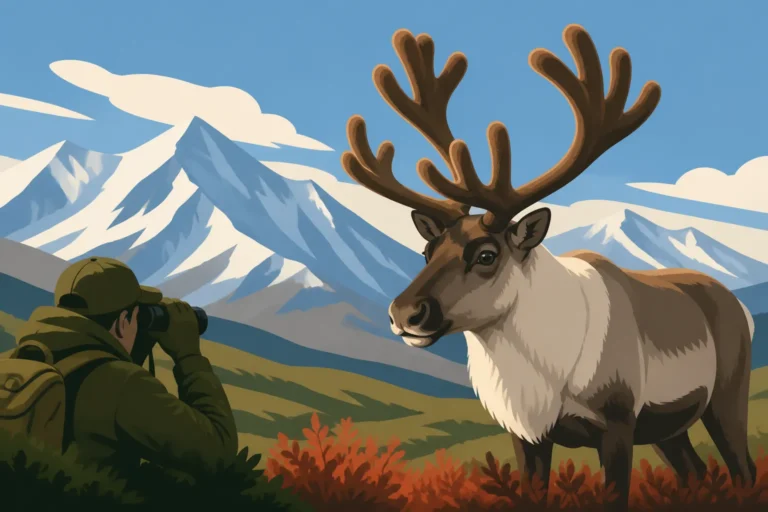
Caribou meat is renowned for its mild, almost sweet flavor and extremely lean texture. These animals are constantly on the move, covering vast distances across the tundra, which results in lean, well-developed muscle. Their diet primarily consists of lichens, mosses, and tundra plants, contributing to a clean, fresh taste that is rarely gamey.
Many hunters describe caribou as having a delicate flavor that can be easily overpowered by strong seasonings. It's best enjoyed simply prepared, allowing its natural taste to shine through. Thinly sliced caribou steaks, quickly pan-seared, or ground caribou in lighter dishes are excellent choices. However, there's a caveat: the timing of the hunt matters immensely for caribou quality. Caribou Meat Quality After the Rut can sometimes be less desirable, as bulls are run down and focusing more on breeding than eating. Early season animals, before the rut, tend to offer the best flavor and tenderness. Planning your hunt, perhaps using resources like GoHunt to scout migration patterns and season dates, can help you maximize your chances of a prime caribou harvest.
Sitka Blacktail Deer: The Classic Venison
For many, Sitka blacktail deer meat is the quintessential venison experience, reminiscent of deer hunting in other parts of North America but with a unique Alaskan twist. Found in the temperate rainforests of Southeast Alaska and Kodiak, these deer browse on a variety of lush vegetation, which influences their flavor. The meat is generally quite mild, lean, and tender, with that classic venison flavor that's slightly earthier than caribou but not as rich as moose.
Sitka blacktails are smaller than many other deer species, meaning smaller cuts of meat, which makes them very manageable for cooking. Backstraps are incredibly tender and perfect for grilling or pan-frying. Roasts from the hindquarters are fantastic slow-cooked, and the ground meat makes for delicious burgers and sausages. The specific diet of an island blacktail – think huckleberries, salal, and tender forbs – contributes to a clean, sweet taste. Hunters often rave about the tenderness of the meat, especially when compared to deer from more arid regions. The process of Packing a Deer Off a Beach at Low Tide or through dense timber can be a workout, but the resulting venison is a truly fine reward.
The Unique and Often Misunderstood: Bear, Goat, and Bison
These species offer a different kind of culinary adventure, with flavors that can be more polarizing or require specific preparation. However, when done right, they can be incredibly delicious and provide a truly unique wild game experience.
Bear: A Culinary Wildcard
Bear meat is perhaps the most variable and misunderstood of all Alaska's big game. The flavor and quality are almost entirely dependent on the bear's diet and proper field care. A spring black bear that has just emerged from the den and been feeding on fresh greens and berries will taste vastly different from a fall brown bear gorging on salmon.
- Black Bear: Generally, black bears that are eating berries, roots, and vegetation tend to have a milder, sweeter flavor. Many describe it as similar to pork, especially when prepared like pulled pork, roasts, or even bacon (from the fat). Spring bears can be particularly good.
- Brown Bear/Grizzly: These larger bears, especially those on the coast feeding heavily on salmon, can have a much stronger, fishier, or more intense flavor. This isn't always negative; some hunters appreciate the robust taste, but it definitely requires a different approach in the kitchen.
Crucially, all bear meat must be cooked thoroughly to an internal temperature of at least 160°F (71°C) to kill any potential parasites like Trichinella. This is non-negotiable for safety. Alaska Bear Meat Salvage and Trichinosis Risk is a serious consideration. Slow cooking methods, grinding for sausage, or braising can work wonders to tenderize and enhance the flavor, especially for bears with a stronger profile. Adding plenty of spices, onions, and garlic can help complement the richness of the meat.
Mountain Goat: A Hidden Gem
Mountain goat meat is a bit of a rare treat, given the difficulty of harvesting these alpine dwellers. Those who have been fortunate enough to harvest a goat in the rugged Alaska mountains often describe the meat as remarkably tender and mild, with a flavor often likened to delicate lamb or even very mild beef.
The key to excellent goat meat, beyond proper field care in harsh conditions, is usually the age and sex of the animal. Younger goats (nannies and kids) tend to be the most tender and mild. Older billies, especially during the rut, can have a stronger, muskier flavor, though careful processing and marinating can still yield good results. Sheep Meat and Why Hunters Prize It often applies to mountain goat as well; the high-country diet of alpine forbs and grasses contributes to a clean, unique taste. It’s certainly a meat you want to savor, given the monumental effort it takes to bring one down from the crags.
Bison: Beefier Than Beef
Alaska's bison herds, like those around Delta Junction or Farewell, offer a meat experience that is robust and rich. Bison meat is very lean, dark red, and packed with flavor, often described as a richer, slightly sweeter version of beef. It’s naturally tender and holds up well to various cooking methods.
Because it's so lean, care must be taken not to overcook bison, especially steaks and roasts, which can dry out quickly. Medium-rare is often recommended for steaks. Ground bison is fantastic in burgers, chili, or anything where you want a truly hearty, flavorful meat. The sheer volume of meat from a bison also ensures a freezer full of top-quality protein for a very long time, making the highly sought-after permits well worth the effort.
Factors That Truly Influence Game Meat Flavor
While species certainly plays a role, several other critical factors dictate how your wild game meat will taste. Ignoring these can turn a potentially delicious meal into a disappointing one, regardless of the animal.
Age and Sex of the Animal
Just like domestic livestock, the age and sex of a wild animal significantly impact its meat quality.
- Younger animals generally yield more tender and milder-flavored meat. A younger moose or caribou will typically be more tender than a very old bull that has lived a long, hard life.
- Males during the rut can have a stronger, sometimes musky flavor, particularly if they are stressed or heavily involved in breeding. This is especially true for moose and caribou bulls, where the meat can sometimes acquire an "off" flavor or be tougher due to hormonal changes and physical exertion. This is why many hunters planning a hunt might consult tools on platforms like GoHunt to understand the rut timing for their target areas, balancing trophy potential with meat quality.
- Females and non-rutting males tend to offer more consistent and milder meat.
Diet and Habitat
You are what you eat, and the same goes for wild game.
- Browsers vs. Grazers: Animals like moose (browsers) that eat woody vegetation often have a slightly different flavor profile than grazers like bison or sheep (grasses and forbs).
- Specific Forage: The availability of certain plants can impact flavor. For example, caribou feeding on specific lichens might have a subtly different taste than those on different tundra plants. A bear that has been feeding exclusively on blueberries will taste far better than one that just came off a fish run.
- Water Quality: Even the purity of the water sources can subtly influence the overall cleanliness of the meat's flavor.
Field Care and Processing
This is arguably the most important factor within the hunter's control. Poor field care can ruin the best-tasting animal.
- Rapid Cooling: Getting the carcass cooled down as quickly as possible is paramount, especially in warmer early-season hunts. This prevents bacterial growth and souring. Hanging Meat in Warm September Weather details this critical step.
- Cleanliness: Keeping hair, dirt, and gut contents off the meat is essential. Rinse blood and debris if water is available, then dry the surface.
- Air Circulation: Hanging meat in game bags allows air to circulate, forming a protective pellicle and helping the meat cool and dry.
- Aging: For many species, especially moose and deer, dry aging the meat (hanging it in a cool, clean environment for several days to a week or more) can significantly improve tenderness and develop flavor. This isn't always possible in the Alaskan bush, but when it is, it's worth it.
Stress During Harvest
An animal that is run hard before being shot, or that suffers a prolonged, stressful harvest, can have tougher meat and a stronger flavor due to lactic acid buildup and hormonal release. A quick, clean kill is not only ethical but also results in superior meat quality. This is why practicing Sighting In Before You Fly to a Remote Alaska Camp and becoming proficient with your rifle are so vital.
The Ultimate Flavor Profile Comparison
Let's break down the general characteristics of the meat from Alaska's most common big game species:
| Species | General Flavor Profile | Texture | Ideal Cooking Methods | Best Season/Condition for Meat Quality |
|---|---|---|---|---|
| Moose | Rich, robust, earthy, like lean beef | Fine-grained, tender | Roasts, stews, ground, steaks, slow-cook | Early to mid-season, pre-rut |
| Caribou | Mild, sweet, clean, very lean | Fine-grained, lean | Quick-seared steaks, ground, stir-fries, roasts (don't overcook) | Pre-rut, early season |
| Sitka Blacktail Deer | Classic venison, mild, slightly earthy, lean | Fine-grained, tender | Steaks, roasts, ground, grilling, pan-frying | Throughout season, generally consistent |
| Black Bear | Varies greatly, often like rich pork, savory | Can be tough if not slow-cooked | Slow-roasts, pulled bear, stew, ground for sausage | Spring (berries/greens) |
| Brown Bear/Grizzly | Very robust, can be fishy (salmon diet) | Variable, best slow-cooked | Stews, braises, roasts, ground (strong flavors) | Varies greatly by diet |
| Mountain Goat | Mild, delicate, similar to lean lamb | Fine-grained, very tender | Quick-seared, roasts, slow-cook (younger animals) | Anytime, younger animals preferred |
| Bison | Rich, sweet, beefy, very lean | Fine-grained, tender | Steaks (medium-rare), roasts, burgers, chili | Early season |
The Verdict: It's All Good, With Nuances
Ultimately, deciding which Alaska big game tastes "best" is a personal preference. What one hunter loves, another might find too strong or too mild. However, the consistent praise for moose meat puts it at the top of many lists for its versatility and rich flavor. Caribou and Sitka blacktail deer are close contenders for their delicate, mild qualities. Bear, goat, and bison offer unique culinary experiences that reward careful preparation and an open mind.
The true secret to excellent-tasting wild game, regardless of the species, lies in respectful hunting practices, meticulous field care, and thoughtful preparation in the kitchen. Every animal harvested in Alaska is a privilege, a direct connection to the wild, and a delicious opportunity to fill your freezer with some of the purest, most natural protein available.
Remember, the hunt itself is an incredible journey, and the meat is the enduring legacy. Moose Versus Caribou Meat Comparison further breaks down these popular options, while understanding things like Alaska Moose Antler Restriction Areas can influence where you hunt and what kind of bull you might encounter. Enjoy the adventure, and savor every bite!
Disclaimer
This article is for general informational purposes only and does not constitute professional advice. Laws, prices and regulations vary by location and change over time. Consult a qualified professional for guidance on your specific situation.