Elk Bugling Season on Afognak
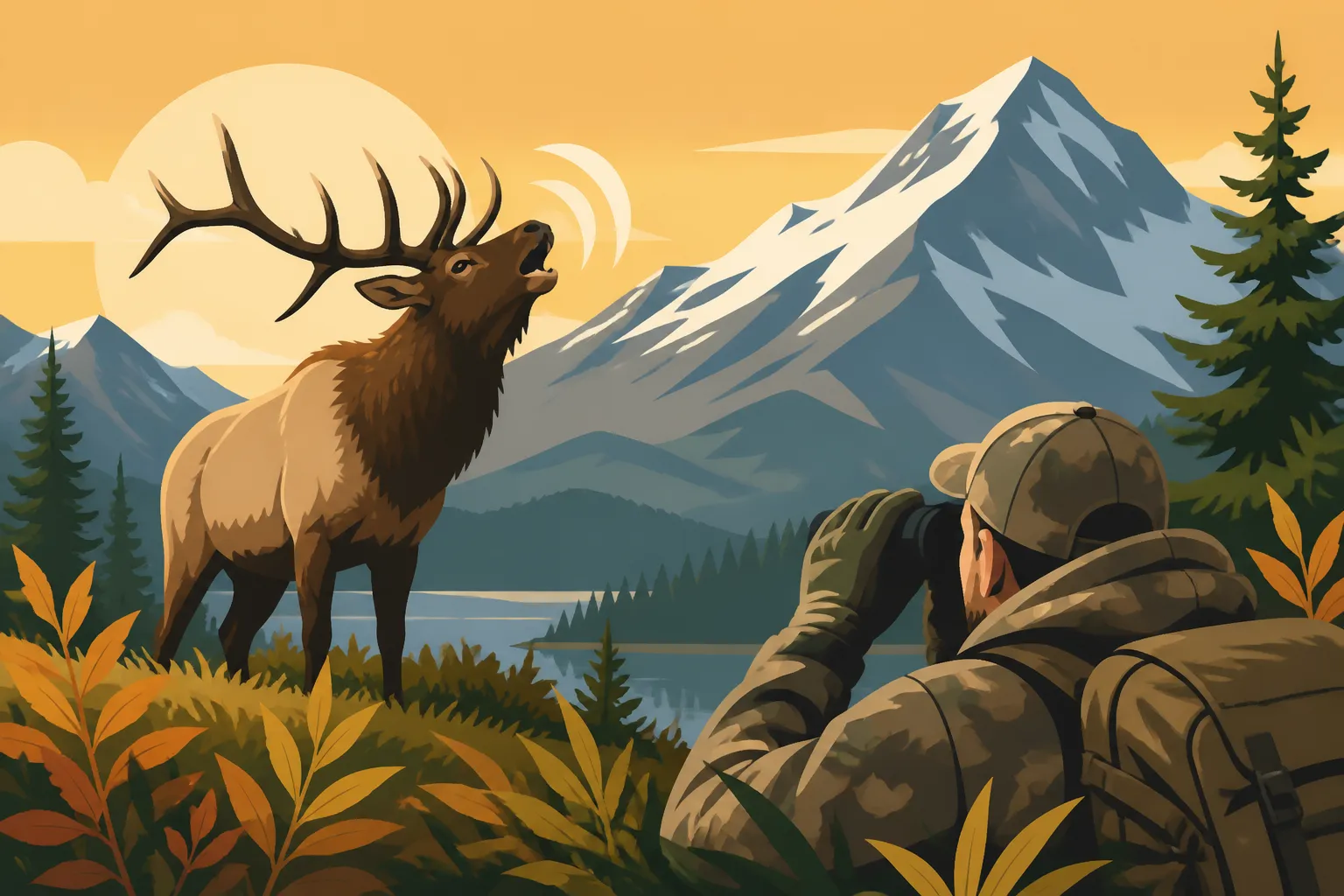
There are few sounds in the Alaska wilderness as primal and exhilarating as the bugle of a Roosevelt elk, echoing through the dense rainforests of Afognak Island. For many hunters, just hearing that roar is a huge part of the dream. But knowing when and how to experience the full spectacle of the elk rut, especially on a remote island like Afognak, is key to turning that dream into a successful hunt. This guide will walk you through the nuances of the elk bugling season, helping you understand the timing, behavior, and tactics needed to engage with these magnificent animals.
Understanding the Afognak Elk Rut
Hunting Roosevelt elk on Afognak is a truly unique experience, a world away from the open plains often associated with elk hunting in the Lower 48. Here, the rut isn't just a spectacle; it's a window of opportunity and a test of patience in some of Alaska's most rugged and unforgiving terrain.
When Does the Bugling Peak?
The elk rut on Afognak Island typically kicks into high gear during late September and early October. You might hear some sporadic bugling starting in mid-September as bulls begin to round up cows, but it's usually that last week of September through the first couple of weeks of October when things really get intense. This is when the bigger bulls are actively establishing dominance, challenging rivals, and constantly calling to gather their harems. It’s a full-on symphony of chirps, grunts, and those unmistakable, piercing bugles that can travel for miles through the thick timber.
Now, "peak" is a tricky word in Alaska. While there's a general window, the intensity of the bugling can vary year to year, and even day to day, based on a number of factors. Sometimes, it feels like the whole forest is alive with sound, while other times, you might only hear a few calls a day. Don't let a quiet morning discourage you; it often means you need to adjust your approach or simply wait for the right conditions. Hunters often find themselves getting frustrated if they expect constant noise, but the reality is these are wild animals on a vast island, and their activity ebbs and flows.
Factors Affecting Elk Behavior During the Rut
Several elements play a significant role in how and when Afognak's Roosevelt elk express themselves during the rut. Understanding these can help you predict their behavior and increase your chances of success.
First, weather is a huge factor. A warm, bluebird day can sometimes mean less intense bugling, as bulls might be less active or simply spread out. Conversely, cool, damp, overcast days often bring out more vocalizations. A light drizzle, for example, can be ideal, muffling human sound while carrying elk calls further. Heavy rain or strong winds, however, can shut down bugling completely, making it incredibly difficult to hear or locate elk. Always keep a close eye on the forecast, but also be prepared to adapt, because Alaska weather can change on a dime. Rain Gear Guides Actually Recommend for conditions like these is essential.
Second, hunting pressure can dramatically impact how vocal elk are. If an area has seen a lot of hunters bugling and pushing animals, the elk might go quiet, becoming more wary and moving into thicker cover. Early in the season or in less accessible areas, elk might be more responsive to calls. Later in the season, after they've been bumped a few times, a more subtle approach might be necessary. This means understanding where other hunters are likely to be and trying to find less disturbed pockets of habitat. Remember that these elk have very limited open areas; they live in dense, brushy terrain, which also affects how sound carries and how they react to perceived threats.
Lastly, the stage of the rut itself influences behavior. Early in the rut, bulls might be more interested in gathering cows than fighting. At the peak, they are aggressive and highly competitive. As the rut wanes, cows become bred, and bulls start to lose interest, becoming less vocal and more focused on feeding to recover energy. Knowing which phase you're in helps you choose the right calling strategy, whether it's aggressive challenge bugles or softer cow and calf mews.
Preparing for the Bugle: Gear and Tactics
Afognak Island is a land of dense forests, steep terrain, and notoriously wet weather. Being properly equipped and having a solid strategy are not just helpful; they're absolutely critical for a safe and successful elk hunt.
Essential Gear for Afognak Elk Hunting
When you're packing for Afognak, think rugged, waterproof, and practical. Forget anything flimsy; this isn't a walk in the park.
Your footwear is paramount. You'll be slogging through muskeg, climbing steep, mossy hillsides, and navigating thick alder tangles. Waterproof, stiff-soled boots with excellent ankle support are a non-negotiable. Many hunters opt for chest waders or hip boots in some areas, especially near streams or coastal fringes where the best access might be. Next, rain gear isn't just for comfort; it's a survival tool. A top-tier waterproof and breathable jacket and pants are essential. You'll sweat hiking in the dense undergrowth, so breathability helps prevent chilling down when you stop.
Optics are also crucial, even in thick timber. While you won't be glassing vast distances like in open country, good binoculars (10×42 or 10×50 are ideal) are invaluable for picking apart dense cover, spotting elk movement, or identifying animals in low light. A compact spotting scope might be useful for judging animals once you've located them, but often the shots are close enough that binoculars suffice. Don't forget a rangefinder – judging distance in the uniform green of the rainforest can be deceptive.
Finally, elk calls are obviously non-negotiable. You'll want a variety: a good diaphragm call for realistic bugles and mews, an external reed call for easy cow calls, and possibly a grunt tube. Practice, practice, practice before you go. Sounding authentic is far more important than sounding loud. While you're at it, don't forget the necessities for field care and safety. A stout fixed-blade knife, a game bag system that breathes, a first-aid kit, and a satellite communication device like a Garmin inReach or Zoleo are lifesavers in remote country. Remember to plan for Emergency Evacuation Plans in Remote Alaska as a standard part of your safety protocol.
Calling Strategies for Afognak Roosevelt Elk
Calling Roosevelt elk on Afognak is a bit different from calling Rocky Mountain elk. These are often more wary animals, used to dense cover, and not always as prone to charging in blindly.
Aggressive bugling can work, especially if you're trying to locate a bull or challenge one that's already bugling. However, over-calling or bugling too loudly can shut them down. Often, a more subtle approach is better, especially when you're trying to close the distance. Start with soft cow mews and chirps, mimicking a cow looking for a bull or calves. This can often pique a bull's interest without immediately putting him on high alert. If you get a response, gauge his enthusiasm. If he's hot, you can increase your intensity.
A great tactic is to use a "location bugle" to try and get a bull to respond, then immediately switch to cow calls once you have him located. This can make him think there's a receptive cow in his area. If a bull starts coming in, sometimes going silent and letting him look for you is the most effective strategy. They are often looking for the source of the sound, and if they don't see anything, they might continue to search. If they stall, a soft chirp or a rake on a tree can reassure them. Always be prepared for a close-range shot; these elk often materialize silently out of the thick brush.
Remember, you're also hunting in brown bear country. A bugling elk sounds a lot like a stressed bear or even a fight, which can attract bears looking for an easy meal or just curious. Always be alert, have your rifle ready, and consider carrying bear spray. Being aware of Bear Safety While Butchering a Kill in Alaska is crucial knowledge for any Afognak hunter.
Navigating Afognak Island for Elk
Afognak Island presents a unique blend of coastal wilderness and rugged interior forests. Successful elk hunting here demands not only a good understanding of the animals but also proficiency in navigating this challenging environment.
Accessing Prime Elk Habitat
Unlike road-system hunts, getting to prime elk habitat on Afognak almost always involves a bush plane or a boat. Many hunters charter float planes from Kodiak or other nearby communities directly into one of the island's many lakes or sheltered bays. This offers unparalleled access to remote areas, but it also comes with significant logistical considerations, including weight limits and weather delays. Coordinate closely with your air taxi service, discussing your gear, hunt duration, and pickup arrangements. Be realistic about your load and how many trips it might take. Float Plane Lakes in Interior Alaska can provide some general insight into this mode of transport, even if Afognak is coastal.
Alternatively, some hunters opt for boat-based access, especially along the island's extensive coastline. This allows for more flexibility with gear and camp setup, often utilizing a skiff to ferry gear ashore or navigate smaller coves. However, it means you're confined to coastal areas for your primary access, often requiring long, strenuous hikes inland to reach elk. Tides and weather can also greatly impact boat travel, so a sturdy vessel and experienced skipper are essential. Boat-Based Deer Hunting on Alaska's Island Coastlines shares similar challenges and strategies you might find useful.
Once you're on the ground, expect to work for every mile. There are very few trails, and the terrain is characterized by dense spruce forests, alder thickets so dense they're called "alder jungles," and boggy muskeg. GPS units with pre-loaded topo maps are indispensable, as are traditional map and compass skills. Losing your bearings in the thick timber is surprisingly easy.
Reading the Landscape for Elk Sign
Even if the bugling is sporadic, the landscape itself is full of clues for locating elk during the rut. Learning to read these signs effectively can be the difference between success and a frustrating trip.
Start by looking for fresh rubs. Bulls will aggressively rub their antlers on small trees and brush during the rut, not only to mark territory and shed velvet but also as a display of dominance. Fresh rubs will have splintered wood and sap, indicating recent activity. The size of the rub can also give you an idea of the size of the bull. Look for these rubs along game trails, on ridges, and near bedding areas.
Next, keep an eye out for wallows. Bulls will dig out muddy depressions, urinate in them, and then roll around, coating themselves in mud and scent. This is a powerful territorial display and also helps spread their scent to attract cows. Fresh wallows will be wet and muddy, with tracks around them. These are often indicators of an active rutting area and a good place to set up and listen or call.
Finally, tracks and droppings are obvious signs, but pay attention to their freshness and concentration. Heavy trails with fresh tracks can lead you right to a herd or bedding area. During the rut, elk are often on the move, so finding areas with a lot of recent sign suggests they are using that part of the habitat regularly. Combine these visual clues with careful listening. Find a good vantage point, even if it's just a slightly elevated ridge within the trees, and spend time listening for bugles, grunts, and cow calls. On Afognak, silence can be just as informative as sound – if you hear nothing, it might be time to move. Using a tool like GoHunt's mapping features can help you scout potential bedding and feeding areas remotely before you even step foot on the island.
| Feature | Description | Optimal Period | Terrain | Key Challenge |
|---|---|---|---|---|
| Bugling Peak | Bulls are most vocal, aggressive, and actively gathering cows. Intense challenge bugles. | Late September – Early October | Dense spruce forest, alder thickets, muskeg | Locating bulls in dense cover and heavy precipitation |
| Calling Strategy | Mix of aggressive bugles (for locating/challenging) and subtle cow/calf mews (for drawing in). | Throughout the peak rut | Steep hillsides, coastal fringes | Elk can be wary due to pressure or dense habitat |
| Access | Primarily float plane into lakes/bays or boat access along the coast. Bushwhacking is mandatory. | Dependent on weather/charter availability | Extremely rugged, limited trails | Weather delays, navigation in dense timber |
| Weather | Typically cool, damp, with frequent rain. Can shift rapidly. | Consistent during the season | Wet, mossy ground | Staying dry and warm; visibility |
| Bear Activity | High. Elk rut coincides with bear hyperphagia before denning. | September – October | Throughout elk habitat | Bear safety protocols are essential at all times |
| Legal Requirements | Nonresidents require a guide for brown bear, sheep, and goat, but not for elk unless combined. | Pre-hunt research | All hunting areas | Understanding guide rules and securing permits |
Practical Considerations for an Afognak Elk Hunt
Beyond the calling and tracking, there are several practicalities that every hunter should consider before heading to Afognak Island for the elk rut. These can make or break your hunt, impacting safety, comfort, and success.
Logistics and Permits
First and foremost, you need the right permits and licenses. Ensure you have your Alaska hunting license and the appropriate elk tag well in advance. Afognak elk are managed under specific regulations, often involving draw permits or registration permits, so check the Alaska Department of Fish and Game regulations for the current year. Some areas might have specific limitations on hunting methods or seasons. For non-residents, while a guide isn't mandatory for elk alone, if you're planning a multi-species hunt that includes brown bear, for example, you will need to hire an Hiring an Alaska Registered Guide-Outfitter. Always double-check current regulations before planning your trip.
The logistical challenge of Afognak cannot be overstated. From booking your air taxi or boat charter months in advance to meticulously planning your food and gear for potentially 7-10 days in the field, every detail matters. Consider your communication plan: cell service is virtually non-existent, so a satellite phone or InReach device for check-ins and emergencies is a must. Leave a detailed flight plan with someone reliable.
Packing Out Your Harvest
The thrill of a successful hunt quickly turns into the immense task of packing out an animal, especially a large Roosevelt elk, from remote, rugged terrain. These animals are substantial, and the meat salvage laws in Alaska are strict. You are required to salvage all edible meat. Packing Out Meat in Alaska: The Salvage Law Hunters Must Follow outlines these requirements clearly.
You'll need sturdy game bags, ideally synthetic ones that breathe and resist rot in wet conditions. Plan for multiple trips if necessary. Even if you're physically fit, quartering an elk alone and then packing heavy loads through thick brush is exhausting and time-consuming. Consider bringing a partner or at least having a clear plan for meat handling and extraction. Keeping the meat cool and dry, even in cool fall temperatures, is important to prevent spoilage. Think about hanging your quarters in a shady, airy spot, away from direct sunlight and especially out of reach of bears.
Bear Awareness and Safety
Hunting on Afognak is hunting in prime brown bear country. The elk rut coincides with a period when bears are actively feeding to put on weight for hibernation. A bugling bull or a downed elk is a beacon for bears. This isn't meant to scare you, but to impress upon you the absolute necessity of being bear aware at all times.
Carry a firearm appropriate for bear defense, and practice with it. Bear spray is also a highly effective deterrent at close range and should be carried on your hip, not in your pack. When calling for elk, consider setting up with your back to an open area, or at least a clear line of sight, to spot approaching animals – both elk and bears. If you make a kill, get the animal quartered and cooled as quickly as possible. Don't leave meat unattended for long periods. Making noise, talking, and singing while walking through the brush can help alert bears to your presence, reducing the chance of a surprise encounter. Being proactive about bear safety is simply part of hunting in this incredible environment.
Disclaimer
This article is for general informational purposes only and does not constitute professional advice. Laws, prices and regulations vary by location and change over time. Consult a qualified professional for guidance on your specific situation.