Bison Herd Size at Delta Junction
For many hunters dreaming of an Alaska adventure, the Delta Junction bison hunt stands out as an unparalleled opportunity. It's a draw hunt, meaning competition is fierce, and much of that competition stems from the perceived size and health of the herd. Understanding the dynamics of the Delta Junction bison population is crucial for anyone hoping to secure one of these coveted tags and experience a truly unique hunt in the Last Frontier. This guide will walk you through the history, management, and population details of this iconic Alaska herd.
Understanding the Delta Junction Bison Herd's History and Management
The story of bison in Alaska is a fascinating one, quite different from their historical presence in the Lower 48. These aren't indigenous herds that roamed Alaska for millennia, but rather a successful reintroduction that has created a robust and managed hunting opportunity.
A Brief History of Alaska's Bison
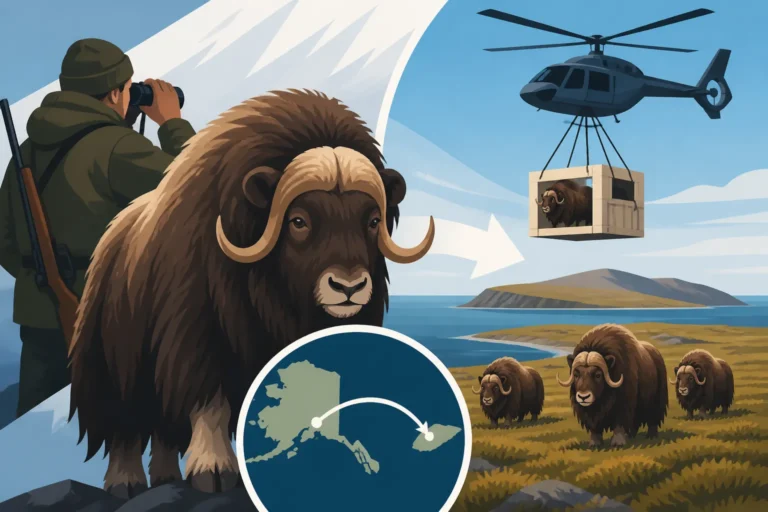
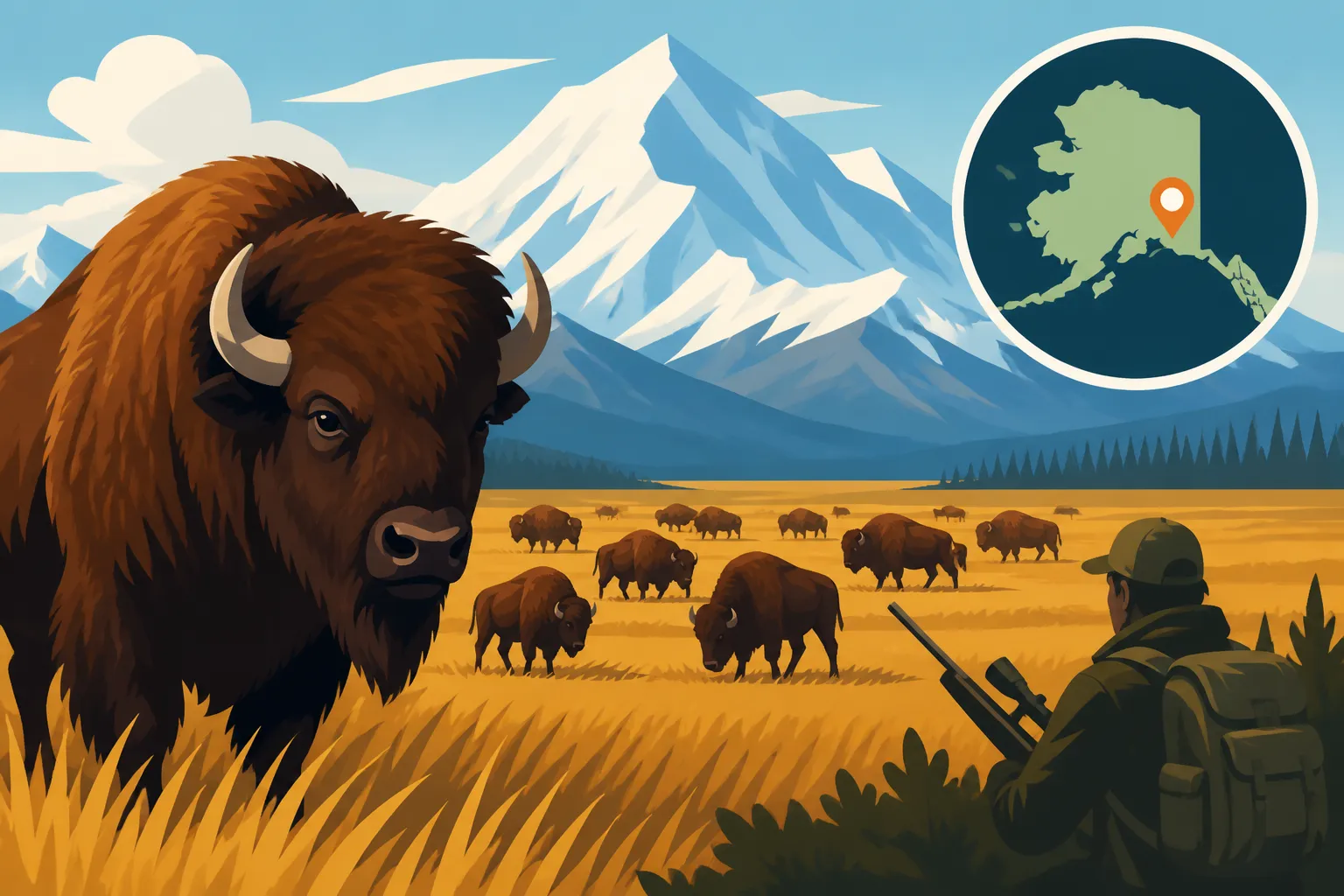
It might surprise some folks to learn that Alaska's bison herds aren't entirely native. The Delta Junction herd, specifically, owes its existence to a reintroduction program that started decades ago. Bison were originally introduced to the Delta area in the 1920s with stock from Montana. The goal was to establish a healthy population that could thrive in Alaska's interior environment and provide a food source. These animals adapted incredibly well to the mosaic of timber, tundra, and river bottoms around Delta, proving that bison could indeed flourish here. Over the years, this initial introduction grew into the robust herd we know today, managed carefully to maintain its health and provide sustainable hunting opportunities. This fascinating history makes these hunts even more special, knowing you're participating in a successful conservation story. If you're curious about the broader context, you can learn more about Are Alaska Bison Wild or Transplanted?.
How the Herd is Managed Today
Managing a large game herd in a place as vast as Alaska is a monumental task, and the Alaska Department of Fish and Game (ADF&G) plays a critical role in the Delta Junction bison. Their primary objective is to maintain a healthy, viable population within the available habitat while also providing hunting opportunities that align with sustained yield principles. This isn't just about counting heads; it involves detailed biological studies, habitat assessments, disease monitoring, and careful regulation of harvest levels.
They use tools like aerial surveys, often conducted in late winter or early spring when bison are concentrated and visible against the snow, to estimate herd size and composition (bulls, cows, calves). This data helps them understand the herd's reproductive success and survival rates. Based on these assessments, they set harvest quotas and structure the draw permit system, ensuring that hunting pressure doesn't jeopardize the long-term health or genetic diversity of the herd. It's a careful balancing act, and the success of the Delta Junction herd is a testament to sound wildlife management practices.
Current Population Dynamics and Hunting Opportunities
When people ask about the Delta Junction bison herd, the first thing on their mind is usually "how many are there?" While an exact, real-time count is impossible due to the nature of wild animals, wildlife managers work within population objectives and provide estimates based on regular surveys.
Estimating the Delta Junction Herd Size
Unlike a cattle ranch, you can't just put all the bison in a corral and count them. Estimating the size of a wild, free-ranging herd like the Delta Junction bison requires scientific methods and often involves a margin of error. Typically, wildlife biologists conduct aerial surveys during specific times of the year, like late winter, when snow cover helps in spotting animals and they might be more concentrated. These surveys provide an estimate of the total population, as well as the sex and age ratios within the herd.
Wildlife managers in Alaska generally aim to maintain the Delta Junction bison herd within a specific management range, rather than a fixed number, to ensure ecological balance and hunting sustainability. This objective range often falls somewhere around several hundred animals. For example, past management objectives might aim for the herd to fluctuate between, say, 350 to 450 animals, or perhaps a bit higher depending on habitat conditions and management goals. When the population rises above the upper end of that objective, it often means more hunting permits can be issued in the draw, helping to keep the herd in check and healthy for its available forage. It’s a dynamic number, always shifting slightly with reproduction, mortality, and successful hunting seasons. This careful management is why the Alaska Bison Hunt at Delta Junction remains a viable and highly sought-after opportunity.
The Role of Hunting in Herd Management
Hunting isn't just a sport in Alaska; it's a vital tool for wildlife management, especially for herds like the Delta Junction bison. Because natural predators capable of regularly taking down adult bison are scarce in the Delta area, regulated hunting is the primary mechanism to control the herd's population. Without it, the bison could overgraze their habitat, leading to widespread disease, starvation, and a significant decline in overall herd health.
The Alaska Department of Fish and Game uses the highly competitive draw permit system to allocate hunting opportunities. Each year, based on the latest population estimates and management objectives, a specific number of permits are issued. These permits are carefully designed to target a certain number of animals, often with specific restrictions on sex or age, to ensure that the harvest contributes to the long-term health and stability of the herd. This ensures that the hunting season serves as a responsible way to manage the population, providing an incredible experience for hunters while simultaneously benefiting the bison themselves. It’s an example of how Alaska Harvest Tickets, Registration Permits and Draw Permits function within a broader conservation strategy.
Factors Influencing Bison Numbers and Hunter Success
The health and size of any wildlife population, including the Delta Junction bison, are always at the mercy of environmental forces and various other pressures. Understanding these factors can give hunters a deeper appreciation for the animals and the challenges involved.
Habitat and Environmental Impacts
Alaska's interior climate is a land of extremes, and the Delta Junction bison herd's well-being is intrinsically linked to the habitat available to them. Forage quality is paramount; bison are grazers, and they need abundant, nutritious grasses and sedges to thrive, especially through the long, harsh winters. A severe drought in the summer can reduce forage growth, while heavy snows in winter can make it incredibly difficult for bison to access food, leading to stress, lower calving rates, and increased mortality.
Disease can also be a silent, but significant, factor. While wildlife agencies monitor for outbreaks, a widespread illness could quickly impact herd numbers. Additionally, land use changes, such as development or wildfire patterns, can alter the available habitat, pushing bison into new areas or concentrating them in ways that affect their health. It's a constant dance between the animals and their environment, and biologists are always studying these dynamics to make informed management decisions.
Challenges and Considerations for Bison Hunters
Beyond the environmental factors affecting the herd, hunters face their own set of challenges when pursuing a Delta Junction bison. First and foremost is simply drawing a tag. The Delta bison hunt is one of Alaska's most sought-after permits, with thousands of applicants for only a handful of tags each year. This means most hunters will apply for many years, sometimes decades, before finally drawing. For those serious about improving their odds over time, resources like GoHunt can be invaluable for analyzing draw statistics and identifying trends, helping you strategize your applications.
Once a hunter is lucky enough to draw a tag, the challenge shifts to the field. Bison are large, powerful animals, and finding them in the vast interior landscape requires dedication. The terrain around Delta Junction can be a mix of open plains, timbered areas, and river bottoms, and conditions can change rapidly. Hunters need to be prepared for cold weather, deep snow, and potentially long retrieves of a very heavy animal. A proper Rifle Choice for Alaska Brown Bear Country or similar heavy-hitting caliber is essential, not just for ethical harvesting but also for safety, as a wounded bison can be formidable. It's a hunt that demands physical fitness, mental toughness, and meticulous planning, from securing the tag to the actual recovery of your animal.
Planning Your Pursuit of a Delta Junction Bison
Successfully hunting a Delta Junction bison isn't just about being in the right place at the right time; it requires foresight, patience, and a deep understanding of Alaska's unique hunting regulations. It all starts with the draw.
Navigating the Alaska Draw Permit System
For most big game species in Alaska, including bison, specific hunts are managed through a drawing permit system. This means you apply for a limited number of permits, and successful applicants are chosen randomly. The Delta Junction bison hunt (often identified by specific hunt numbers) is notoriously competitive, making it one of the toughest draws in the state. Applicants pour in from all over Alaska and the Lower 48, hoping to be one of the fortunate few.
The application period typically opens around Alaska's November 1 to December 15 Draw Application Window each year, with results announced in February. It's crucial to understand the application process, including Alaska Draw Application Fees Per Hunt Number and how multiple choices work. While there are no preference points in Alaska, meaning everyone starts with an equal chance each year, consistent application is key. You'll need to research the specific hunt numbers for the Delta Junction bison and ensure your application is submitted correctly and on time. You can find out more about the overall process in How Alaska's Big Game Drawing Permits Work. Once the wait begins, most hunters eagerly check for Alaska Draw Results Release in February.
Preparing for a Successful Hunt
Drawing a Delta Junction bison tag is a victory in itself, but the real work begins once you have that precious piece of paper in hand. This isn't a hunt to take lightly. Your physical conditioning needs to be top-notch. Bison are big, heavy animals, and even after a successful shot, the work of processing and packing out the meat can be incredibly demanding, especially in cold or snowy conditions. Be prepared for strenuous effort, potentially far from any road system, unless you’ve specifically planned for snowmachine or ATV access depending on the hunt specific area and regulations.
Gear is another critical component. You'll need appropriate clothing for Alaska's interior winter weather, which can be brutally cold. This includes insulated layers, waterproof outer shells, heavy-duty boots, and cold-weather camping gear if you plan to be self-sufficient. Don't forget proper meat care supplies; you'll be dealing with a lot of meat that needs to be cooled and protected quickly. Planning your budget, considering what an Alaska bison tag adds to a hunt budget and other costs, is also essential. This means thinking about how you’ll get to Delta Junction, how you'll get around the hunt area, and most importantly, how you'll salvage and transport all that valuable meat back home. For some, this might involve contracting with local services or a transporter, if allowed by the permit conditions. It's a massive undertaking, but the reward of harvesting such an magnificent animal is truly priceless. You might also want to consult with tools like GoHunt for specific hunt unit information and historical harvest data to aid your planning.
Disclaimer
This article is for general informational purposes only and does not constitute professional advice. Laws, prices and regulations vary by location and change over time. Consult a qualified professional for guidance on your specific situation.