Are Alaska Bison Wild or Transplanted?
When you look out across the vast, open country of Alaska, imagining the kinds of wildlife that have always called this place home, bison might not be the first creature that springs to mind for many. Yet, they are here, thundering across the tundra and plains, challenging our assumptions about what is truly "wild" in the Last Frontier. The question of whether Alaska's bison are truly wild or were transplanted is a really good one, and it gets to the heart of how we manage and appreciate our incredible wildlife resources. This guide is going to walk you through the fascinating history of Alaska's bison, from their ancient roots to their modern reintroduction, helping you understand their place in the ecosystem and for those looking to hunt them.
The Journey of Alaska's Bison: From Ancient Roamers to Modern Herds
It’s easy to assume that any large, impressive animal roaming Alaska today has been doing so since time immemorial. For bison, the answer is a bit more nuanced. They were here, millennia ago, part of the Ice Age megafauna that roamed the Bering Land Bridge. But a lot has changed since then. Understanding their full story helps us appreciate both their historical significance and the modern conservation efforts that have brought them back.
Ancient Roots: The Steppe Bison of Beringia
Imagine a time when Alaska was a vast, treeless steppe, connected to Asia by a broad land bridge. This was Beringia, and it was home to a different kind of bison: the Steppe Bison (Bison priscus). These magnificent animals were larger than modern American bison, with impressive horns that curved dramatically outwards. They roamed these ancient grasslands alongside woolly mammoths, sabertooth cats, and other incredible creatures, forming a crucial part of the ecosystem. Their presence here is well-documented through fossil discoveries, showcasing their deep historical connection to this land.
These ancient bison weren't just passing through; they thrived in the cold, arid environment, adapted to grazing the tough grasses and sedges that defined the Beringian landscape. They represent the original "wild" bison of Alaska, a testament to the fact that this region has supported bison populations for hundreds of thousands of years. It’s a powerful image, isn't it? Knowing that the ground beneath your feet, whether you're in Delta Junction or on the North Slope, was once trod by these colossal ancestors of today's bison.
The Great Vanishing Act: An Extinction and a Void
Fast forward many thousands of years, as the ice sheets receded, the climate warmed, and the Bering Land Bridge submerged. The steppe grasslands began to transform into the boreal forests and tundra we know today. With these dramatic environmental shifts, the Steppe Bison populations eventually declined, leading to their extinction in North America. By the time modern humans were well-established and exploring what would become Alaska, the grand bison herds of the past were gone.
This left a significant void in the ecosystem. For centuries, perhaps even millennia, Alaska was largely without its iconic grazers. The land was still rich with wildlife—moose, caribou, Dall sheep—but that particular niche of a large, herd-dwelling grazer was empty. This historical absence is what often leads to the confusion today: if they were here, then disappeared, how did they come back? It’s not a simple story of continuous lineage, but rather one of reintroduction and careful management, which we'll explore next.
Reintroducing Bison to the Last Frontier
The idea of bringing bison back to Alaska wasn't just a romantic notion; it was a deliberate conservation effort, primarily in the early to mid-20th century, to re-establish a species that had once flourished here and could again fill an ecological role. The bison we see in Alaska today are American Plains Bison (Bison bison bison), direct descendants of animals brought up from the Lower 48 states.
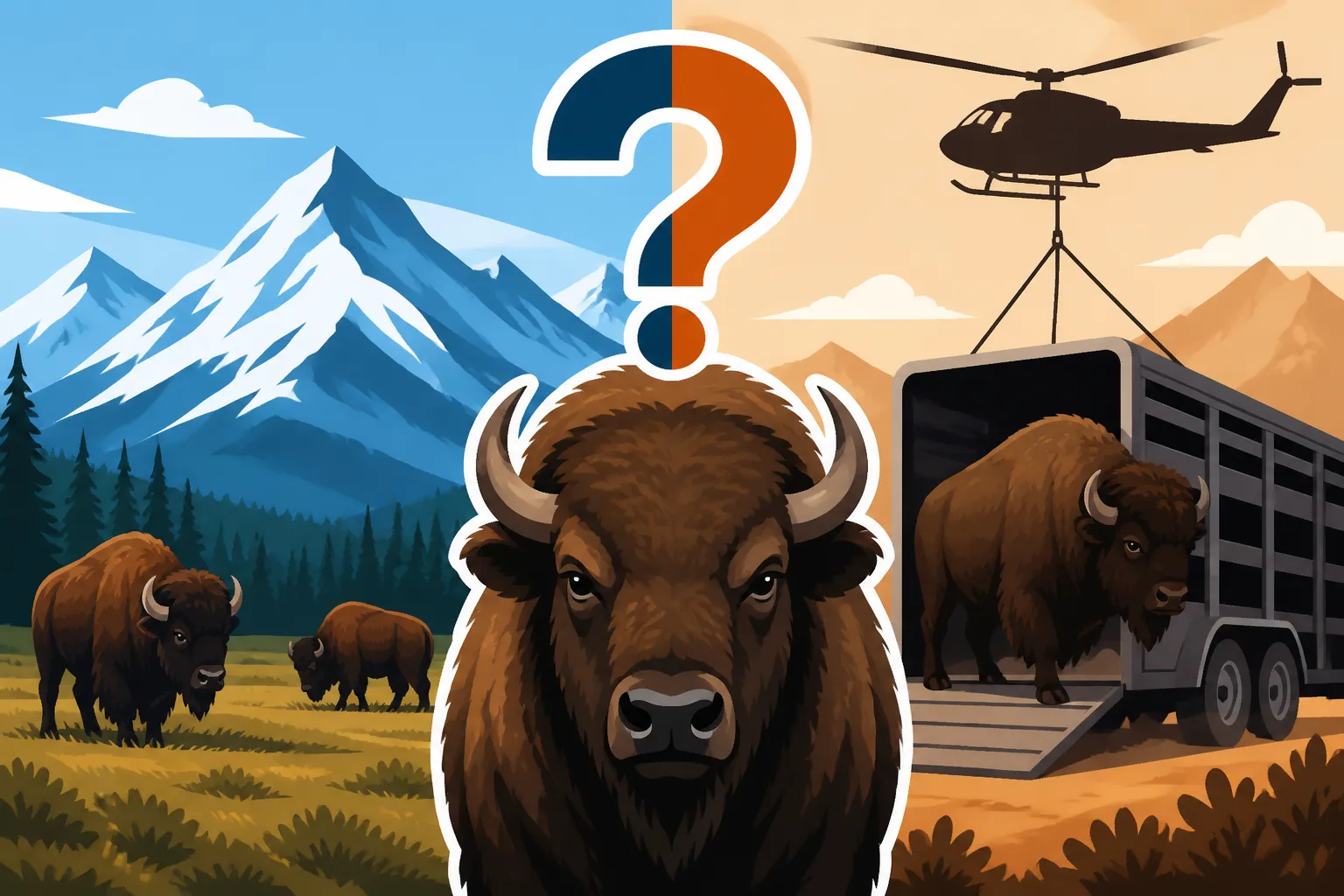
The first significant transplant occurred in 1928, when 23 bison from the National Bison Range in Montana were released near what is now Delta Junction. The goal was to establish a self-sustaining herd for both ecological and potential future hunting benefits. This initial group adapted remarkably well to the Alaskan environment, proving that the habitat could once again support these magnificent animals. Other introductions followed in different areas, each with its own story and management challenges.
Major Bison Herds and Their Status Today
Alaska is currently home to several distinct bison herds, each managed carefully by the Alaska Department of Fish and Game (ADF&G). These herds are the tangible result of those reintroduction efforts, and they thrive in specific regions, offering unique hunting opportunities and conservation successes. Knowing about them helps clear up the "wild or transplanted" question.
The Delta Bison Herd: A Modern Success Story
The Delta Bison Herd, located in the Interior of Alaska near Delta Junction, is the largest and most well-known of Alaska's bison populations. This is the herd directly descended from those original 1928 transplants. They roam a mix of state and federal lands, utilizing grasslands, old agricultural fields, and new growth in burn areas. This herd is a true testament to successful wildlife management, maintaining a healthy population that supports a highly sought-after draw hunt.
The success of the Delta herd hasn't been without its challenges. Managing a large herd of animals that can impact agricultural interests and sometimes roam onto roadways requires constant monitoring and adaptive strategies. However, their numbers generally remain robust, making a Delta bison tag one of the most coveted in Alaska. Hunters often consult resources like GoHunt to analyze past draw odds and understand herd dynamics before applying, as success here hinges heavily on diligent research and a bit of luck. Information on applying for these hunts can be found under Alaska Draw Application Opening Date and Alaska Bison Hunt at Delta Junction.
The Farewell Herd: A Wilder Existence
In contrast to the relatively accessible Delta herd, the Farewell Bison Herd in the Interior, located west of Cantwell and north of the Alaska Range, represents a much wilder, more remote population. These bison were introduced in the 1960s with a mix of animals from Delta and some from Canada, with the explicit goal of establishing a herd in a more pristine, wilderness setting. They inhabit vast, roadless areas, making hunts for them truly expeditions into the backcountry.
The Farewell herd's existence is a powerful example of rewilding. These bison face different challenges than their Delta counterparts, including harsher winters and more significant predation pressure, particularly from wolves. Because of their remote nature, hunting the Farewell herd requires significant logistical planning and physical endurance, often involving bush planes or extensive overland travel. It's a true wilderness hunt, offering an experience that deeply connects hunters with Alaska's wild heart. You can learn more about this specific herd's location at Where the Farewell Bison Live.
Other Bison Populations Across Alaska
While Delta and Farewell are the two primary herds offering hunting opportunities, there have been other smaller, sometimes experimental, bison introductions or sightings in Alaska. For instance, there’s a small herd in the Copper River area, which originated from animals transplanted in the 1950s. These smaller populations often have unique management strategies, and their dynamics can change over time.
It's important to remember that all these modern herds, regardless of their specific location or size, trace their lineage back to the transplanted Plains Bison, not the ancient Steppe Bison. This distinction is key to understanding their status. While they are now completely wild in their behavior and survival instincts, their presence in Alaska today is a result of intentional human intervention to restore a species that was once part of the landscape, albeit a different subspecies. This ongoing conservation effort shows how a species can be brought back to thrive in an environment it once inhabited.
| Herd Name | Origin of Stock | Primary Location | General Access | Hunting Opportunity |
|---|---|---|---|---|
| Delta Bison Herd | National Bison Range, Montana (1928) | Near Delta Junction (Interior Alaska) | Road-accessible | Annual Draw Permit |
| Farewell Herd | Mix of Delta & Canadian stock (1960s) | West of Cantwell (Interior wilderness) | Remote/Fly-in | Annual Draw Permit |
| Copper River Herd | Delta Bison Herd (1950s) | Copper River Basin | Mixed | Limited/Infrequent |
Why the "Wild or Transplanted" Distinction Matters for Hunters
Understanding the history and management of Alaska's bison isn't just an interesting historical footnote; it has real, practical implications for hunters. The fact that these herds are the result of reintroduction efforts directly influences how they are managed, the types of permits issued, and the overall hunting experience.
Conservation Goals and Management Strategies
Because these bison populations were reintroduced, their management is often focused on maintaining healthy herd numbers within specific ecological parameters and preventing overpopulation, which could lead to habitat degradation or conflicts with other land uses, like agriculture. The Alaska Department of Fish and Game (ADF&G) uses various tools to achieve this, including limited draw hunts. This makes bison hunting a highly controlled and coveted experience, designed to sustain the herd while providing recreational opportunities.
The ADF&G monitors herd health, calf recruitment, bull-to-cow ratios, and habitat conditions meticulously. This data-driven approach means that season lengths, bag limits, and the number of permits issued can change from year to year based on the most current biological information. Hunters serious about applying will often pore over this data, perhaps using tools like GoHunt to track changes in herd numbers or past permit success rates. This intensive management ensures that these "transplanted" herds thrive as truly wild populations, integrated into their Alaskan environment.
Draw Hunts and Permit Systems: A Unique Challenge
Bison hunting in Alaska is almost exclusively done through a limited draw permit system. Unlike some other big game species where over-the-counter tags might be available, obtaining a bison tag is a competitive process that requires applying months in advance. This is a direct consequence of the management strategy for these specific herds—they are valuable, managed resources, and harvest needs to be tightly controlled.
The draw system can be daunting. You select your preferred hunt areas and species, cross your fingers, and wait for the results, typically released in February. Many hopeful hunters apply year after year, sometimes for decades, before drawing a coveted tag. This means that a lot of planning and research goes into the application process. Beyond just applying, successful applicants then face the challenge of a limited season and specific hunt requirements, which often include reporting deadlines as detailed in Alaska Harvest Ticket Reporting Deadlines. The costs associated with these hunts, including the high price of a non-resident bison tag, reflect their rarity and the effort involved in their management, as covered in Alaska Bison and Muskox Tags at the Top of the Scale.
The Unforgettable Experience of an Alaska Bison Hunt
Despite the challenges of drawing a tag and the demanding nature of the hunt itself, pursuing an Alaska bison is an incredibly rewarding experience. Whether you're navigating the road-system access near Delta Junction or flying into a remote strip for the Farewell hunt, you're engaging with an animal that embodies resilience and the wild spirit of North America. The physical challenge of hunting such a large animal, whether it's the field dressing process detailed in Quartering a Bull Moose Alone in the Field (which shares similarities for any large ungulate) or simply packing out the immense amount of meat, is substantial.
The "transplanted" origin doesn't diminish the wildness of the experience one bit. These animals live, breed, and die entirely on their own terms, navigating Alaskan weather, predators, and forage conditions. They are as wild as any creature can be, having adapted fully to their new (old) home. For hunters, it’s not just about taking an animal; it's about being part of a conservation success story and experiencing one of the truly unique big game hunts Alaska has to offer. Resources such as GoHunt can also help you connect with other hunters who have been successful, providing insights into hunt strategies and logistics that are crucial for a successful trip.
Disclaimer
This article is for general informational purposes only and does not constitute professional advice. Laws, prices and regulations vary by location and change over time. Consult a qualified professional for guidance on your specific situation.