Alaska’s November 1 to December 15 Draw Application Window
The Alaska hunting dream is a powerful one, often fueled by images of vast wilderness and record-book animals. But for many, that dream hits a wall of confusion and frustration when it comes to the complex world of permits, seasons, and deadlines. Trying to navigate the labyrinthine regulations, especially for those coveted draw hunts, can feel like a hunt in itself, often leading to missed opportunities. This comprehensive guide is here to demystify one of the most critical periods in any aspiring Alaska hunter's calendar: the November 1 to December 15 draw application window.
Understanding the Alaska Draw Application Window
For anyone dreaming of pursuing a specific trophy in Alaska, whether it's a Dall sheep ram high in the mountains or a massive moose in a limited-entry area, the annual draw is often the only path to that opportunity. This isn't like buying an over-the-counter tag; it's a lottery, and if you're not in it, you can't win. The window for applying for these coveted permits is notoriously narrow and unforgiving: November 1 to December 15.
Why the November 1 to December 15 Window is Critical
Imagine spending months, even years, researching your dream Alaska hunt. You've poured over maps, talked to guides, and maybe even done some scouting from afar. All that effort, all that anticipation, hinges on one crucial step: submitting your application within this 45-day window. The Alaska Department of Fish and Game (ADF&G) is incredibly strict about these dates. There are no extensions, no grace periods, and no "we forgot" excuses accepted.
This specific window is chosen to allow ADF&G time to process hundreds of thousands of applications, conduct the lottery, and release results well in advance of the following hunting season. For hunters, it means that while the hunting season feels far off, the work to secure a permit starts deep in the colder months. Missing this window isn't just a minor inconvenience; it's an entire hunting season for that specific draw hunt, gone. You're not just missing a chance; you're missing a year of chasing that dream. The anticipation of the upcoming season's adventures in August or September is directly tied back to a diligent application submission in November or early December. It’s a harsh reality, but one that every serious Alaska hunter comes to understand and respect.
What Happens if You Miss the Deadline
If that December 15th deadline sails by and you haven't clicked "submit" on your draw application, the simple truth is that you're out of luck for that hunting year. Period. There's no magical loophole, no emergency phone number to call, and no sympathetic ear at ADF&G that can bend the rules. Your application simply won't be considered. This means that if you had your heart set on a specific draw permit, like one of the highly sought-after mountain goat permits or a premium caribou hunt in a controlled unit, you'll have to wait another full year for the next application period to roll around.
This can be incredibly frustrating, especially for non-residents who might be planning a costly trip around a specific draw hunt. Missing the deadline could mean postponing your entire Alaska adventure, losing deposits on flights or gear rentals, or having to pivot to an unguided, over-the-counter hunt that might not be what you originally envisioned. It’s a hard lesson, and one that emphasizes the importance of setting multiple reminders and getting your application in well before the final buzzer. Don't risk a year of planning and dreaming on a last-minute rush that could go awry.
The Online Application System
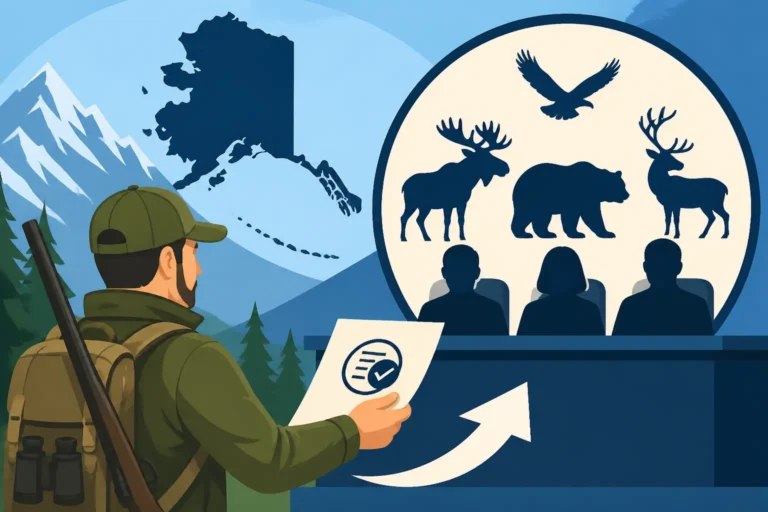
The backbone of the Alaska draw process is the ADF&G's online application portal. While it’s a necessary tool, it can sometimes feel a bit clunky, especially for first-time users or those who aren't tech-savvy. You'll need an active ADF&G account, which involves setting up a user ID and password. It's crucial to do this before November 1, rather than waiting until the last minute. This system is where you'll select your hunt choices, input your personal information, and pay the application fees.
Navigating the various drop-down menus and understanding the nuances of hunt numbers can be daunting. It’s not always intuitive which hunt number corresponds to which species, unit, and season. For instance, a specific moose hunt might have several hunt numbers for different weapons or timeframes within the same unit. This is where meticulous research comes into play. Many hunters find it helpful to use resources like GoHunt, which can streamline the research process and help make informed decisions. Before you even log in, have your hunting license number handy, and be sure your contact information is up to date. The system can occasionally experience heavy traffic closer to the deadline, so submitting your application earlier in the window is always a wise move to avoid potential technical glitches or slowdowns. Remember, a successful submission typically generates a confirmation email; always save this for your records! This is also where you'll eventually go to check your results, as detailed in Alaska Draw Results Release in February.
Navigating Species and Permit Types in the Draw
Understanding the various species and permit types is paramount when you're thinking about applying for an Alaska draw hunt. Not every game animal requires a drawing permit, and even within the draw system, there are different categories that dictate eligibility and cost.
Locking Tags Versus Draw Permits
The distinction between "locking tags" and "draw permits" is a fundamental concept for any Alaska hunter, especially nonresidents. A locking tag is what you purchase for common species like general season moose, caribou, black bear, or Sitka blacktail deer. These are typically available over-the-counter or online, and you purchase them directly from ADF&G. You attach this physical tag to the animal after a successful harvest, "locking" it into place. For many species, residents don't even need to purchase these physical locking tags, a significant cost saving.
Draw permits, on the other hand, are the golden tickets. These are allocated through a lottery system for species or specific hunts where harvest needs to be tightly controlled due to limited populations, high demand, or specific management objectives. Think of those dream hunts for Dall sheep, mountain goat, bison, or muskox—these virtually always require a draw permit. Certain high-demand moose or caribou hunts in specific units also fall under the draw permit category. For example, some of the very best moose hunts, especially those with generous antler configurations or in areas of exceptional access and trophy quality, are often draw-only. The goal of the draw system is to distribute hunting opportunity fairly while managing wildlife populations sustainably. You're not just buying a tag; you're applying for the opportunity to hunt. If you're successful in the draw, then you'll typically purchase the actual permit or tag.
Species Often Included in the Draw
When you delve into the Alaska draw system, you'll quickly realize that the most highly coveted and often difficult-to-draw hunts are for species where populations are sensitive or demand far outstrips opportunity.
- Dall Sheep: Without a doubt, Dall sheep permits are among the hardest to draw. These iconic white rams inhabit the rugged alpine regions of the Brooks, Alaska, and Chugach Ranges. Success rates for drawing a permit are usually in the low single digits, making them a true once-in-a-lifetime hunt for many. The sheer difficulty of the hunt itself, combined with the limited permits, drives their exclusivity.
- Mountain Goat: Similar to sheep, mountain goat permits are highly restricted. These majestic animals live in extremely steep, often coastal, terrain. Due to their slow reproductive rates, goat populations are vulnerable to overharvest, hence the draw system. Identifying legal animals (avoiding nannies with kids) adds another layer of challenge.
- Bison: Alaska has a few free-ranging bison herds, most notably the Delta Junction herd. Hunts for these impressive animals are almost exclusively through a draw. The Delta Bison Permit Odds are notoriously low, reflecting the limited nature of these herds and the high interest from hunters.
- Muskox: Another truly unique Alaska hunting opportunity. The primary hunt is on Nunivak Island, and these permits are incredibly scarce. The Alaska Nunivak Muskox Permit Odds are some of the lowest in the state, making a successful draw a truly rare event.
- Premium Moose and Caribou Hunts: While many moose and caribou hunts are over-the-counter or registration permits, certain units and specific antler restrictions often fall under the draw system. These are typically areas known for producing larger bulls or where hunting pressure needs to be managed more closely. For example, some units might have specific draw hunts for "any legal bull" where general season hunts are more restrictive. These permits allow for more liberal harvest or access to prime areas, making them highly desirable. Understanding which specific hunt numbers correspond to these premium opportunities is key to a successful application strategy.
Understanding Hunt Numbers and Regulations
Every single draw hunt in Alaska is identified by a unique "hunt number" (e.g., DS100 for a specific Dall sheep hunt, DM401 for a certain moose hunt). This number isn't just an arbitrary code; it's the key that unlocks all the specific regulations, dates, legal weapons, and boundaries for that particular hunt. You can't just apply for "a moose permit"; you have to apply for a specific hunt number.
The comprehensive Alaska hunting regulations booklet, available online and at ADF&G offices, is your bible. Each hunt number is listed with excruciating detail:
- Species: What animal you're hunting.
- Unit/Subunit: The specific Game Management Unit (GMU) or subunit where the hunt takes place. Alaska's GMUs are large areas divided into smaller subunits, each with its own regulations.
- Season Dates: The exact start and end dates for the hunt. These can vary significantly even within the same species or unit.
- Bag Limit: How many animals you can harvest. For most draw hunts, it's typically one.
- Legal Animal: This is critical. For moose, it might specify "antler restrictions" like Alaska 50-Inch Moose Spread Rule or "spike-fork or 50-inch spread or 3 brow tines on one side." For sheep, it's often the "full curl" rule, as described in Full-Curl Judging From Below the Ram. Missing this detail can lead to a citation for taking a sublegal animal.
- Legal Weapon: Archery-only, rifle, muzzleloader, etc.
- Access Restrictions: Some draw hunts might be in Controlled Use Areas (CUAs) which restrict specific modes of transportation (e.g., no aircraft or motorized vehicles during certain times).
- Guide Requirements: For nonresidents, certain species (Dall sheep, mountain goat, brown bear) legally require a licensed Alaska guide, as outlined in Alaska's Brown Bear, Sheep and Goat Guide Requirement. This significantly impacts your planning and budget.
It's absolutely imperative to read the regulations for each hunt number you're considering, several times over. Don't rely on hearsay or old information. The regulations change annually, and sometimes even via Emergency Orders mid-season. Understanding these hunt numbers and their associated rules is the foundation of a successful and legal hunt.
Preparing Your Application: Beyond Just Dates
Submitting your Alaska draw application is far more than just picking a hunt number and hitting submit. It requires careful preparation, thorough research, and an understanding of eligibility requirements. Think of it as building your case for why you deserve one of those coveted permits.
Prerequisites and Eligibility
Before you can even dream of drawing a permit, you need to ensure you meet the basic eligibility criteria set forth by the state of Alaska. The first and most fundamental step is possessing a current Alaska hunting license. This isn't just a formality; it's a legal requirement to participate in the draw. Non-residents will need to purchase a nonresident hunting license, which typically costs more than a resident license. Make sure to purchase your license before you attempt to apply for the draw.
Beyond the license, hunter education requirements are crucial. If you were born after January 1, 1986, you must have successfully completed an approved hunter education course to hunt in Alaska. This isn't unique to Alaska, but it's a firm rule that ADF&G enforces. If you've completed a hunter education course in another state or province, Alaska generally recognizes it through reciprocity, but it's always best to verify. If you haven't taken one, or need to refresh your certification, plan to do so well in advance of the November 1 application window. Trying to scramble for a hunter education course in late fall is a recipe for disaster.
Residency status is another massive factor. Alaska residents often have exclusive access to certain hunts (subsistence priority, for instance), pay significantly lower license and tag fees, and have much better draw odds for many permits. Nonresidents are limited to a smaller pool of draw hunts and face stiffer competition. The rules for establishing Alaska residency for hunting are specific and include living in the state for a continuous 12 months immediately preceding the application, proving intent to remain, and not claiming residency elsewhere. Misrepresenting your residency can lead to serious legal consequences, including fines and revocation of hunting privileges. Always be honest and ensure you meet the legal definitions.
Researching Hunt Units and Odds
This is where the real work—and often, the real fun—begins. Simply applying for the "coolest" sounding hunt number without research is a surefire way to be perpetually disappointed. Smart hunters invest significant time researching hunt units, historical draw odds, and success rates.
Start with the official ADF&G harvest reports and drawing permit reports. These are goldmines of information, showing how many permits were issued, how many applicants there were, and the success rate of hunters who drew those permits. This raw data is invaluable for understanding the true competitiveness of a hunt. For example, a hunt with 20 permits and 2,000 applicants will have 1% odds – tough! Whereas a hunt with 50 permits and 1,000 applicants has 5% odds, which is still challenging but significantly better.
Beyond raw numbers, consider the actual quality of the hunting experience. A high success rate doesn't always mean easy hunting; it might mean a more accessible area or a shorter season. Conversely, a low success rate could indicate a very challenging hunt, but one that yields exceptional trophies for those who persevere. This is where tools from organizations like GoHunt become incredibly useful. GoHunt provides advanced analytics, draw odds calculators, and detailed unit profiles, often integrating maps, harvest data, and historical information in an easily digestible format. They can help you sift through the overwhelming amount of ADF&G data to identify trends, compare different hunt units, and strategically select choices that maximize your drawing potential for the species you want. Utilizing such platforms can turn a guessing game into a calculated strategy, helping you understand, for example, which Alaska Moose Antler Restriction Areas have better success or lower applicant numbers.
The Role of Party Applications
Alaska offers the option for hunters to submit party applications for most draw hunts. This means a group of hunters (usually two, but some hunts might allow more) can apply together on a single application. If that application is drawn, all members of the party receive a permit. This can be a strategic move, but it comes with its own set of considerations.
The primary benefit is that if one member of your party has a historically better draw success rate or a lucky streak, their luck might extend to the whole group. For partners who absolutely want to hunt together, a party application guarantees that either both go or neither go. It eliminates the disappointment of one person drawing and the other not.
However, the main drawback is that a party application is typically treated as a single "application unit." If you apply as a party of two, your application essentially has the same odds as a single applicant. You don't get two chances in the lottery; you get one chance for two permits. This means that if the odds are already low for a single applicant, they remain low for a party. In fact, if the number of available permits is very small, a party application might even slightly reduce your mathematical odds if, for instance, there are only 5 permits, and a party of two draws, it takes up two permits from that small pool immediately, affecting the remaining available. Understanding Party Size Limits in the Alaska Draw is essential, as some hunts might have specific restrictions on how many individuals can apply together. Always confirm these details in the specific hunt regulations. For some, the shared experience outweighs the slightly reduced statistical chance, but it's a decision that requires careful thought among your hunting partners.
Common Pitfalls and How to Avoid Them
The Alaska draw system, while offering incredible opportunities, is also rife with potential pitfalls that can lead to disappointment or, worse, legal issues. Being aware of these common mistakes is your first line of defense.
Misunderstanding Residency Requirements
This is perhaps one of the most frequent and severe issues encountered by aspiring Alaska hunters. The allure of "resident only" hunts or significantly cheaper tags can tempt some individuals to play fast and loose with residency rules. However, the Alaska Department of Fish and Game (ADF&G) takes residency fraud very seriously. The definition of an Alaska resident for hunting purposes is strict: you must have maintained your domicile in Alaska for the 12 consecutive months immediately preceding the application for a license, permit, or tag, and not claim residency in any other state or country. You also cannot have obtained any resident hunting, fishing, or trapping license in another state or country during that 12-month period.
What does this practically mean? It means if you fly up to Alaska in July, rent an apartment, and immediately apply for resident draw hunts in November, you're not a resident. If you own property in another state, vote there, or maintain a driver's license from another state, your Alaska residency claim will likely be rejected upon audit. ADF&G has dedicated enforcement units that investigate suspected residency violations. The consequences are severe, ranging from heavy fines to loss of hunting privileges, and even criminal charges. It's simply not worth the risk. If you are genuinely moving to Alaska and plan to establish residency, keep meticulous records of your move, employment, and proof of intent to remain (e.g., utility bills, vehicle registration, voter registration). If you're unsure, always contact ADF&G directly for clarification before applying as a resident.
Ignoring Specific Hunt Conditions
It's one thing to draw a coveted permit; it's another to understand precisely what you're allowed to harvest. Many hunters get caught up in the excitement of drawing and overlook the incredibly specific and often nuanced hunt conditions listed for each permit number. These conditions are not suggestions; they are legal requirements, and violating them can lead to citations, fines, and forfeiture of your animal.
For moose hunts, antler restrictions are a prime example. You might draw a permit for a "legal bull," but that often means a specific antler configuration: "spike-fork or 50-inch spread or 3 brow tines on one side." This isn't just about big antlers; it's a specific biological management tool. Misjudging a bull's antler spread, particularly when adrenaline is high, can be a common mistake. For instance, being off by a few inches on the Alaska 50-Inch Moose Spread Rule can make a legal bull illegal.
For Dall sheep hunts, the "full curl" rule is paramount. A legal ram typically needs to have horns that complete a full 360-degree circle, or meet other specific criteria like being "broomed" on both sides, or having at least 8 years of age. Judging this in the field, often at long distances on steep terrain, requires skill and practice. What looks like a full curl from one angle might not be from another, making Full-Curl Judging From Below the Ram an essential skill. Many an eager hunter has made a mistake on this.
Other conditions to watch out for include:
- Weapon Restrictions: Some areas are archery-only, or require specific types of muzzleloaders.
- Sex/Age Restrictions: Only bulls, only rams, no sows with cubs, etc.
- Location Specificity: The hunt might only be legal within a very small, well-defined area, not the entire GMU.
- Guide Requirements: For nonresidents, remember that for Alaska's Brown Bear, Sheep and Goat Guide Requirement, you absolutely need a licensed guide. Applying for these hunts without planning for a guide is a costly mistake.
Always print out the specific regulations for your drawn hunt and carry them with you in the field. Review them frequently, and if hunting with a partner, review them together to ensure mutual understanding.
Technical Glitches and Payment Issues
In our increasingly digital world, relying solely on online systems always carries a small risk. While the ADF&G online portal is generally robust, technical issues can arise, especially during peak application periods closer to the December 15 deadline. Imagine spending hours carefully selecting your hunt choices, only for your internet connection to drop during submission, or your payment to fail.
To mitigate these risks:
- Apply Early: This is the golden rule. Don't wait until December 14th or 15th. Submit your application in mid-November. This gives you ample time to troubleshoot any issues, contact ADF&G if necessary, or even resubmit if there's a problem.
- Stable Internet Connection: Ensure you're using a reliable internet connection. Public Wi-Fi can be unstable and potentially insecure for sensitive financial transactions.
- Valid Payment Method: Double-check your credit card information, expiration dates, and available funds before you start the application process. A declined payment can invalidate your entire application, and by the time you realize it, the deadline might have passed.
- Confirmation is Key: After submitting, always ensure you receive a confirmation number or email. This is your proof of application. Print it out or save it digitally. If you don't receive one, investigate immediately. Sometimes, an application might appear submitted but wasn't fully processed.
- System Overload: While less common with modern infrastructure, high traffic volumes right before the deadline can slow down servers or cause temporary glitches. Avoiding this peak time is just good common sense.
By being proactive and cautious, you can significantly reduce the chances of a technical hiccup derailing your Alaska draw application. The small effort of applying early and double-checking details is a minuscule price to pay for the chance at a dream hunt.
Crafting Your Application Strategy
Simply applying to the Alaska draw without a thought-out strategy is like throwing darts blindfolded – you might hit something, but the odds are heavily stacked against you. A strategic approach significantly increases your chances of securing one of those coveted permits.
Prioritizing Your Choices
Alaska’s draw system often allows you to list multiple hunt choices, sometimes even different species on the same application. For example, some draw applications allow for The Three-Hunt-Number Limit on Alaska Draw Applications for a specific species, while others, notably moose, grant up to Why Alaska Allows Six Moose Hunt Choices. This is where prioritization becomes critical. You need to rank your choices from most desired (Dream Hunt) to less desired but still exciting (Backup Hunt).
When prioritizing, consider a few factors:
- Dream Hunt (Low Odds, High Reward): This is your absolute top choice, the hunt you'd move mountains for. It likely has very low draw odds (e.g., a specific Dall sheep permit in a trophy unit or a premium bison hunt). You list it first because if drawn, it's what you truly want. Don't be afraid to apply for these, as you can't draw if you don't play.
- Realistic Hunt (Moderate Odds, Good Reward): Your second or third choice might be a slightly less popular, but still excellent, hunt with more reasonable odds. Maybe it's a caribou draw in a lesser-known unit, or a moose hunt with slightly stricter antler rules. These are the hunts you'd be genuinely excited to draw and have a better statistical chance.
- Backup Hunt (Higher Odds, Still Satisfying): Your lower choices should be hunts with demonstrably higher draw odds, perhaps in more accessible areas or for less sought-after permits. These are your safety nets, hunts that would still provide a fantastic Alaska experience if your top choices don't pan out. They might be for a black bear in a draw unit that offers good opportunities, or a moose hunt in an area that typically sees less competition.
The key is to use all your available choices wisely. Don't leave slots blank. Each choice is an opportunity. However, don't list a hunt you absolutely wouldn't want to do, even if the odds are high. Remember, if you draw it, you're expected to take it or lose your permit fee.
Leveraging Hunt Data and Analytics
In today's information age, hunters have access to an unprecedented amount of data to inform their application strategies. Beyond just prioritizing, truly leveraging this data means diving deep into statistics and patterns.
Historical Draw Odds: This is your most powerful tool. ADF&G publishes draw results from previous years, showing applicant numbers versus permits issued for every hunt number. Look for trends:
- Are odds getting better or worse over time for a specific hunt?
- Are certain nonresident categories seeing more success?
- What percentage of applicants actually draw a permit?
- How many points (if applicable, though Alaska generally doesn't have a preference point system like many other states, making Why Alaska Has No Preference Points a key distinction) would it have taken to draw in previous years?
Harvest Reports: These reports provide critical insights into the success rates of hunters after they draw a permit. A high draw success rate for a specific hunt is great, but if the harvest success rate is abysmal, it might indicate an incredibly challenging hunt, difficult access, or low animal density, even with a permit. Conversely, a hunt with slightly lower draw odds but very high harvest success might be a better choice for an actual in-field experience.
Mapping Tools and Satellite Imagery: Platforms like GoHunt integrate mapping functionalities that allow you to visualize hunt units, understand terrain, identify potential access points, and even scout remotely from your computer. This helps you assess the difficulty and logistics of a hunt before you commit your application. For instance, you can use satellite imagery to identify willow flats that might hold moose or alpine benches favored by sheep.
Insider Information: While not "data" in the traditional sense, talking to successful hunters, guides, and even ADF&G biologists can provide invaluable qualitative insights that numbers alone can't convey. They might offer perspectives on animal movements, weather impacts, or specific access challenges. By combining historical data, robust analytics (which tools like GoHunt excel at providing), and real-world knowledge, you can move beyond guesswork and craft a truly informed and strategic application.
Thinking Long-Term
Hunting in Alaska, especially for draw permits, is often a multi-year endeavor. While Alaska doesn't operate on a traditional preference point system (meaning your application odds reset every year, unlike many Lower 48 states), a long-term mindset is still crucial.
Consistency is Key: The best way to eventually draw a difficult permit is to apply consistently, every single year. Don't skip a year just because the odds are low; you can't win if you don't play. Over many years, your statistical chance will increase.
Evolving Goals: Your hunting aspirations might change over time. You might start by targeting a specific caribou hunt, and after a few years, decide to focus on Dall sheep. A long-term strategy allows you to adapt your choices as your experience grows and your priorities shift.
Budget Planning: Draw permits, especially for nonresidents, come with significant costs: license fees, application fees, and then the actual tag cost if you draw. Factor these into a multi-year budget. If you plan to hire a guide for a species like brown bear, sheep, or goat (which nonresidents are required to do, as per Alaska's Brown Bear, Sheep and Goat Guide Requirement), you'll need to budget for the guide fee, which can be substantial and often requires booking years in advance.
Physical and Mental Preparation: Many of the most sought-after draw hunts in Alaska are physically demanding. A long-term approach allows you to gradually improve your fitness, acquire necessary gear, and develop the mental toughness required for a challenging wilderness hunt. Think of it as training for a marathon over several years, rather than a sprint. Even if you don't draw your dream hunt this year, the preparation you put in will benefit you on other hunts or when your number finally comes up. This sustained effort and strategic planning turn the draw system into a journey, not just a single annual gamble.
Post-Application: What to Expect and Next Steps
Once you've meticulously submitted your draw application, a new phase of the process begins: the anxious wait. Knowing what to expect during this period and what to do once the results are out is just as important as the application itself.
Checking Draw Results
The period between the December 15th application deadline and the release of draw results can feel like an eternity. ADF&G typically aims to release results in mid-February. Historically, this has been around the second week of February. You won't receive a phone call or a personalized email unless there's an issue; it's up to you to actively check the results.
The primary method for checking is through the same ADF&G online portal where you applied. You'll log in to your account, and there will be a specific section dedicated to "Draw Results" or "My Applications." Here, you'll see a status update for each hunt number you applied for. It will clearly indicate whether you were "Successful," "Unsuccessful," or if there was an issue with your application. Many successful applicants report an immediate charge to their credit card for the permit fee when the results are posted online, sometimes even before they personally check. So, keeping an eye on your credit card statements in early February can sometimes give you an early clue! While you might hear whispers or see posts on online forums as soon as results start trickling out, always verify your own status directly through the official ADF&G website. This is particularly important for those applying as a party; ensure everyone checks their individual accounts, even though the party applied together.
If You Draw a Permit
Congratulations! Drawing an Alaska big game permit is a significant accomplishment and often the first major hurdle cleared on the path to a dream hunt. But drawing the permit is just the beginning; there are several crucial steps you must take immediately afterward:
- Permit Acceptance and Payment: For most draw permits, if you are successful, ADF&G will automatically charge the permit fee to the credit card you used for the application. If this payment fails, your permit can be forfeited. In some cases, you might need to log back into the system to formally "accept" the permit, though this is less common with the direct payment system. Ensure your credit card information is current and has sufficient funds in February.
- Understand Your Specific Permit: Immediately reread the regulations for your specific hunt number. Review the season dates, legal animal definition, boundary lines, and any special conditions. Don't assume anything. Confirm if you need to attend any mandatory hunter orientations (e.g., for sheep or goat hunts) or register for check-in/check-out for your specific unit.
- Logistics Planning: Now that you have the permit, the real planning begins.
- Transportation: How will you get to the hunting area? Float plane, wheel plane, boat, ATV, hiking? Book these services as soon as possible, as reputable air taxis and charter services fill up quickly, especially for popular hunting areas. This is particularly true if you need to coordinate with a guide, as they have their own schedules.
- Gear: Review your gear list. Do you have everything needed for the specific terrain and weather of your hunt? Are your boots broken in? Is your rifle sighted in?
- Partner Coordination: If you applied as a party, ensure all members are aligned on dates, logistics, and expectations.
- Guide Services: If you drew a permit for a species that requires a guide for nonresidents (brown bear, Dall sheep, mountain goat), immediately confirm your booking with your guide or start the process of finding one if you haven't already. Reputable guides are often booked years in advance, so having a permit in hand is the green light to finalize those arrangements.
- License and Tag Acquisition: Your draw permit is not necessarily your hunting license or locking tag. You still need a current Alaska hunting license (which you should have purchased before applying) and, for some species, you might still need to purchase a specific locking tag in addition to the permit. Ensure you understand all the required paperwork and have it in your possession before heading into the field.
If You Don't Draw
It's okay to feel disappointed. The odds for many Alaska draw hunts are incredibly tough, and more often than not, you'll see "Unsuccessful" next to your name. This is a common experience for even the most seasoned Alaska hunters. But an unsuccessful draw is not the end of your Alaska hunting dreams; it’s simply a redirect.
- Manage Disappointment: Acknowledge the disappointment, but don't dwell on it. It’s part of the game.
- Refunds: For most draw hunts, if you are unsuccessful, your application fees are generally non-refundable. However, the much larger permit tag fee (the cost of the actual animal tag) is only charged if you draw. So, while you're out the small application fee, you aren't out the big money for the animal tag itself. Alaska generally does not provide Alaska Draw Refunds for Unsuccessful Applicants for the application fee, as it covers the administrative costs of the draw.
- Explore Other Opportunities: Just because you didn't draw a specific permit doesn't mean you can't hunt Alaska that year! Alaska has a vast array of over-the-counter and registration hunts that don't require a draw.
- General Season Moose and Caribou: Many areas offer over-the-counter opportunities for moose and caribou, often with specific antler restrictions.
- Black Bear: Black bear hunts are widely available over-the-counter or via registration permits.
- Sitka Blacktail Deer: Southeast Alaska offers excellent deer hunting opportunities without a draw.
- Waterfowl and Small Game: Don't overlook the incredible opportunities for ducks, geese, ptarmigan, and grouse. These can provide a fantastic experience and camp meat.
- Registration Hunts: Keep an eye on registration hunts that open in specific units. These are not draws, but require you to sign up (often online) and have a quota, meaning they can close on short notice via Emergency Order.
- Plan for Next Year: Dust yourself off and start planning for the next draw. Review your choices. Did you apply for too many long-shot hunts? Should you consider some hunts with slightly better odds next time? Use the current year's results to refine your strategy for the upcoming November 1 to December 15 application window. Many hunters use the opportunity to start scouting potential over-the-counter areas, or researching different hunt numbers for the following year.
Additional Considerations for Specific Hunts
Beyond the general application process, some Alaska draw hunts have very unique requirements or considerations that can significantly impact a hunter's eligibility and planning.
The Guide Requirement
For nonresidents planning to hunt specific species in Alaska, the guide requirement is a critical, and often costly, consideration. Alaska law mandates that nonresidents must be accompanied by an Alaska-licensed guide or an Alaskan resident second-degree-kindred (a close relative) when hunting brown bear, Dall sheep, and mountain goat. This is not an option; it's the law.
What this means for your draw application strategy:
- Early Booking: If you plan to apply for a draw permit for one of these species, you absolutely must factor in finding and booking a reputable guide well in advance. Top guides often have waiting lists extending several years out. You should be reaching out to guides before you even apply for the draw, discussing their availability, prices, and what permits they typically operate under. Your draw application success doesn't guarantee a guide's availability.
- Significant Cost: Guided hunts for these species are among the most expensive hunts in North America, with prices ranging from tens of thousands of dollars for a sheep or brown bear hunt. This needs to be a major part of your financial planning.
- Permit Coordination: Many guides have specific concessions or areas where they operate, and they will want to know which hunt numbers you are applying for to ensure it aligns with their operational areas. Some guides may even want to coordinate their clients' draw applications to maximize the chances for a group to draw permits in areas they operate.
- Second-Degree-Kindred: If you have a qualifying Alaskan resident relative (father, mother, son, daughter, brother, sister, grandparent, grandchild, or first cousin), they can legally guide you. This is a huge advantage, but still requires careful planning, as your relative must still adhere to all guiding regulations (e.g., cannot charge for their services, must be in the field with you, etc.).
Ignoring this requirement is not only illegal but can lead to severe penalties, including fines, imprisonment, and forfeiture of your animal. The state takes this very seriously, so if you're a nonresident targeting these species, prioritize understanding and securing your guide arrangements as part of your draw application strategy.
Federal Subsistence Hunts
Alaska's hunting landscape is unique in that it has both state and federal management systems, especially concerning subsistence hunting. For qualified rural residents, federal subsistence hunting opportunities exist on federal lands (National Parks, Refuges, Forests, and BLM lands). These hunts are separate from the state draw system and are governed by federal regulations.
Key distinctions:
- Eligibility: Strictly limited to permanent rural residents of Alaska who meet specific federal residency criteria and demonstrate a customary and traditional use pattern of subsistence resources.
- Separate Application Process: Federal subsistence hunts often have their own draw or registration periods, which differ from the state draw. These are usually managed by the Federal Subsistence Board or National Park Service.
- Specific Areas: Only valid on federal public lands, which means understanding land status (as discussed in Land Status in Alaska: State, Federal and Native Corporation) is critical.
- Species Focus: Often target species like caribou, moose, and sometimes even salmon, crucial for local communities' sustenance.
For the vast majority of non-resident hunters and even many urban Alaskan residents, the federal subsistence program is not an accessible avenue. It's a system designed to protect the way of life for rural Alaskans.
Tier I and Tier II Subsistence Hunts
Within the state management system, Alaska also has its own subsistence-based permit hunts: Tier I and Tier II. These are distinct from the federal subsistence program but share a similar goal of providing hunting opportunities to Alaskans who rely on wild foods.
- Tier I Hunts: These are typically registration permits offered in certain areas that have specific harvest limits but are generally available to all Alaska residents (rural and urban) who register. They are not usually a draw in the traditional sense, but can close on quota, meaning demand can outstrip supply.
- Tier II Hunts: These are the more restricted state subsistence permits and are usually draw-only. They are implemented in areas where there's a significant demand for a specific species, but the harvestable surplus is insufficient to meet all identified subsistence needs. The permits are allocated based on a scoring system that prioritizes applicants who demonstrate the greatest economic or traditional dependence on the resource, and who have the least alternative access to wild foods.
- Eligibility: Only open to Alaska residents. You must provide detailed information about your household, income, reliance on wild foods, and lack of alternative food sources.
- Scoring System: ADF&G assigns points based on various criteria related to subsistence dependence, and permits are then awarded to the highest-scoring applicants.
- Specific Species: Often for caribou, moose, or other species critical to subsistence diets in particular regions.
For the general nonresident hunter, Tier I and Tier II hunts are not an option. They are a critical part of Alaska's resident hunting opportunities and reflect the state's constitutional mandate to manage resources for the sustained yield and benefit of all Alaskans, with a preference for subsistence use.
Key Alaska Draw Dates and Actions (Annual)
| November 1 | Draw application period opens. Begin submitting your applications online. |
|---|---|
| December 15 | Draw application period closes at 5:00 PM AKST. All applications must be submitted and paid for by this deadline. No exceptions. |
| Mid-February | Draw results typically released. Log into your ADF&G online account to check your status. Successful applicants' credit cards are often charged for permit fees around this time. For specific dates, refer to Alaska Draw Results Release in February. |
| Post-Draw (Ongoing) | If successful: Confirm permit acceptance, re-read regulations for your specific hunt number, and immediately begin booking transportation, guide services (if required), and finalize gear. If unsuccessful: Explore over-the-counter or registration hunts, and begin planning your strategy for next year's draw. |
| Prior to Application | Purchase your Alaska hunting license, complete hunter education (if required), establish your ADF&G online account, and meticulously research hunt units, regulations, and draw odds using resources like GoHunt. Prepare your prioritized list of hunt numbers, including backup choices. |
Disclaimer
Please remember that hunting regulations in Alaska are complex and can change. While this guide provides comprehensive information, it is not a substitute for reviewing the official Alaska Department of Fish and Game (ADF&G) hunting regulations for the current year. Always consult the latest ADF&G regulations booklet, emergency orders, and permit-specific information before planning and executing any hunt. It is your responsibility to know and follow all applicable state and federal laws.