The Three-Hunt-Number Limit on Alaska Draw Applications
Trying to navigate Alaska's hunting draw system often feels like attempting to decode ancient hieroglyphs – confusing, intimidating, and fraught with the potential for missteps that could cost you a coveted tag. One of the most frequently misunderstood regulations, and a source of considerable frustration for many hopeful hunters, is the infamous "three-hunt-number" limit on Alaska draw applications. This guide is here to unravel that complexity, helping you understand precisely what this rule means for your hunting dreams and how to apply strategically for success.
Understanding Alaska's Draw System Fundamentals
Before we dive into the specifics of the three-hunt-number limit, it’s crucial to grasp the overarching structure of Alaska's big game permitting system. Unlike many Lower 48 states that might have a simple lottery or preference point system, Alaska’s approach is uniquely tailored to its vast landscapes and diverse wildlife populations. This often means different rules for different species and areas, adding layers of complexity that can be bewildering to newcomers and even seasoned residents.
Draw Permit Versus Registration and Harvest Tickets
Alaska uses several methods to manage harvest and allocate hunting opportunities. You’ll encounter "Harvest Tickets," which are essentially mandatory reporting mechanisms for common species like caribou or deer in many units, and you simply pick them up and report your kill. Then there are "Registration Permits," which are also free but have specific opening and closing dates, often closing early if a quota is met, and require signing up and reporting. But the real prize, and where the three-hunt-number limit comes into play, is the "Draw Permit." These are for species or areas where demand significantly outstrips supply, like specific trophy moose units, Dall sheep, mountain goats, or brown bears in certain high-demand areas. Winning a draw permit is often the only way to hunt these highly sought-after opportunities, making the application process critical. It's a system designed to spread limited opportunities fairly, but it adds a layer of planning that simple over-the-counter tags don't require. Understanding the differences between these systems, as outlined in our guide on Alaska Harvest Tickets, Registration Permits and Draw Permits, is your first step.
No Preference Points: A Level Playing Field
One of the most distinctive features of the Alaska draw system, especially when compared to other Western states, is the complete absence of preference or bonus points. This means that every applicant, regardless of how many years they've applied unsuccessfully, theoretically has the same chance of drawing a permit each year. While this might sound equitable, it can also be frustrating for dedicated hunters who feel like they're starting from scratch every single season. There's no accumulating points to guarantee a tag after a certain number of years, which means consistent annual research into draw odds and thoughtful application strategy are paramount. This "no points" system is a double-edged sword: it offers hope to first-time applicants, but it also means that drawing a dream tag can feel like winning the lottery repeatedly, year after year.
The "Three Hunt Number" Rule Explained
Now, let's get to the heart of the matter: the restriction on the number of permits you can apply for in Alaska's annual draw. This rule often causes the most confusion, as it's not simply "three applications" but specifically "three hunt numbers" – and there's a critical exception for one major species.
What Constitutes a Single Hunt Number?
When you delve into the Alaska Department of Fish and Game (ADF&G) regulations booklet or the online application portal, you'll see a long list of specific permit hunts, each identified by a unique "hunt number." For example, DM701 might be a specific Dall sheep hunt in a particular game management unit, or RM390 could be a moose hunt in another region. Each of these unique alphanumeric codes represents a distinct hunting opportunity. The "three-hunt-number limit" means that in a given draw application period, you can list a maximum of three different hunt numbers across all species that require a draw permit. This forces you to make tough choices and really prioritize your hunting goals, rather than simply applying for every desirable tag under the sun. It's not about species limits, but about specific geographical and time-based hunt codes. This is where strategic decision-making really comes into play, as you can't just throw darts at the board.
The Species-Specific Limitation
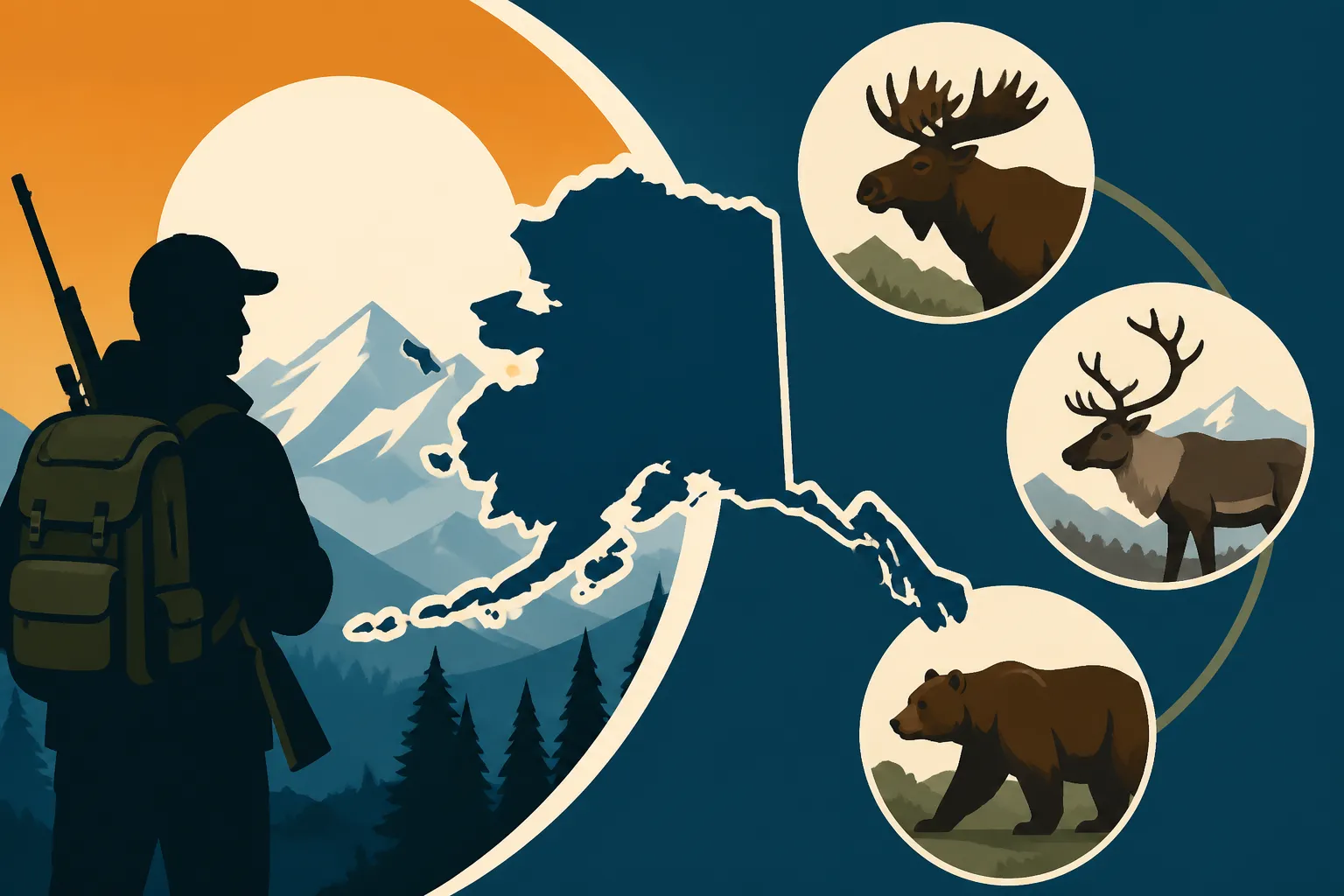
It's important to clarify that these three hunt numbers can be for different species or different areas for the same species. For instance, you could apply for one Dall sheep hunt, one mountain goat hunt, and one brown bear hunt. Or, you could apply for three different brown bear hunts in three different units, each with its own unique hunt number. The key is that each hunt number consumes one of your three available slots. This makes it crucial to research the specific areas you're interested in and understand the hunt numbers associated with them. Are you dreaming of a coastal brown bear hunt? Or perhaps a sheep hunt in the Brooks Range? You must decide which three specific opportunities are most important to you, as you can't hedge your bets across a wider range of options. Remember that some species, like brown bears, sheep, and goats, also require nonresidents to be accompanied by an Alaska Registered Guide-Outfitter or a close relative, as detailed in our guide on Hiring an Alaska Registered Guide-Outfitter.
The Moose Exception: Six Choices, One Species
Here's where the rule gets its biggest asterisk, and it's a significant one: moose hunting. While most species are strictly limited to three unique hunt numbers, Alaska makes a special allowance for moose permits. For moose-specific draw hunts, applicants are actually allowed to list up to six different hunt numbers. This exception acknowledges the vastness of Alaska, the widespread distribution of moose, and the high demand for quality moose hunting opportunities. However, all six of these choices must be for moose hunts. You can't use four moose choices and then sneak in a sheep and a goat hunt. This rule is clearly explained in depth in our post on Why Alaska Allows Six Moose Hunt Choices. This unique allowance for moose means that if your primary hunting goal is a trophy bull, you have significantly more options to consider, allowing for more diverse strategies in your application. It’s a huge benefit for those focused on moose, but it doesn’t extend to other highly sought-after species.
Strategic Application: Maximizing Your Odds Within the Limit
Given the strict three-hunt-number (or six for moose) limit and the absence of preference points, a thoughtful application strategy is paramount. Simply picking three random hunts is unlikely to yield success. Instead, you need to approach the draw with careful research and a realistic understanding of the odds.
Researching Draw Odds and Success Rates
The ADF&G publishes draw odds and success rates from previous years, and these are invaluable resources. They'll tell you how many permits were available for a given hunt number, how many people applied, and what percentage of applicants were successful. While past odds are no guarantee of future success, they provide the best available data for making informed decisions. Don't just look at the raw numbers; consider trends over several years. Has a particular hunt's popularity surged? Have permit numbers changed? Are you seeing consistent patterns? Analyzing these historical data points can help you identify hunts that might have slightly better odds, or conversely, those that are perennially difficult to draw. Websites like GoHunt (mention 1/5) provide excellent tools for compiling and visualizing this data, making it easier to compare different hunt numbers side-by-side.
Prioritizing Your Dream Hunt Versus High-Probability Options
This is often the toughest part of the draw strategy. Do you apply for your absolute dream hunt, even if the odds are extremely low (e.g., 1 in 500)? Or do you allocate your precious hunt numbers to permits with slightly higher, though still challenging, odds (e.g., 1 in 50) that might offer a more realistic chance of drawing? Many experienced hunters adopt a hybrid approach: one "long-shot" dream tag, one "middle-of-the-road" option, and one "higher-probability" hunt (if such a thing truly exists in Alaska!). Your personal risk tolerance and hunting aspirations will dictate this balance. It's a strategic calculation based on your desire for an "once-in-a-lifetime" experience versus the more practical goal of simply getting a tag in hand.
Considering Party Applications
Alaska's draw system allows for party applications, meaning multiple hunters can apply together for the same hunt number. If one member of the party draws the permit, all members of that party receive it. This can be a great strategy for hunting partners who absolutely want to hunt together, as long as they understand the implications. The downside is that a party application is treated as a single entry in the draw, and if there are two hunters in the party, they effectively burn two tags (if successful) from the total quota for the unit. Therefore, applying as a party does not improve your odds of drawing compared to applying individually; in fact, some might argue it slightly decreases your effective odds if your goal is just any tag, as you reduce the total number of unique entries in the system. However, for a guaranteed shared experience, it's an excellent option. More details can be found in our guide on Party Applications in the Alaska Draw.
Common Pitfalls and How to Avoid Them
The Alaska draw system is unforgiving, and small errors can lead to big disappointments. Being aware of the most common mistakes can help ensure your application is valid and competitive.
Missing the Application Deadline
This is perhaps the most heartbreaking mistake. The Alaska draw application window typically opens around November 1 and closes on December 15. Mark your calendar, set reminders, and apply well in advance! Life happens, and waiting until the last minute can lead to technical glitches, forgotten passwords, or simply running out of time. There are absolutely no exceptions for late applications. If you miss the deadline, you're out for the year, plain and simple. Imagine spending months planning your dream hunt, only to realize you missed the cut-off by a few hours. It's a cruel reality that underlines the importance of planning and prompt action. Our resource on the Alaska Draw Application Opening Date can help you stay on schedule.
Incorrect Hunt Number Selection
Double-checking hunt numbers cannot be stressed enough. It’s easy to accidentally select a hunt number for the wrong unit, the wrong species, or even the wrong weapon type (e.g., bow vs. rifle). Every year, hunters inadvertently apply for a permit that doesn't align with their intended hunt, wasting one of their precious three (or six) slots. Always cross-reference the hunt numbers with the official ADF&G regulations and maps to ensure you're applying for precisely the opportunity you desire. This meticulous verification prevents the disappointment of drawing a tag you can't use or didn't want.
Ignoring Regulatory Changes
Alaska's hunting regulations are dynamic and can change annually based on game populations, management goals, and public input. A hunt number that was open last year might be closed this year, or the specific dates or legal animal definitions might have shifted. Always consult the current year's regulations booklet before applying. Don't rely on old information or assume that "it's always been that way." ADF&G issues emergency orders and public notices that can affect seasons and bag limits, even after the regulations book is printed. Staying informed about these changes is crucial, as highlighted in the discussions around Alaska Emergency Orders That Close a Season Early. Failing to do so can result in an invalid application or, worse, hunting illegally with an outdated understanding of the rules.
Beyond the Three: Other Application Considerations
While the hunt number limit is a primary focus, several other factors influence your draw application process, especially for nonresidents. Overlooking these can lead to disqualification or unexpected expenses.
Nonresident Guide Requirements for Certain Species
For many non-Alaska residents, the dream of hunting species like Dall sheep, brown bear, or mountain goat comes with an additional stipulation: you must be accompanied in the field by an Alaska-licensed guide or an Alaskan resident who is a second-degree-kindred relative (e.g., parent, child, sibling, grandparent, grandchild). This is a legal requirement designed to ensure responsible hunting practices and resource management for these high-value species. This requirement significantly impacts the cost and logistics of your hunt, as guided hunts are substantially more expensive than unguided trips. Failing to meet this requirement can render your drawn tag useless or lead to severe legal penalties. Always confirm the guide requirements for the specific species and unit you're applying for.
Understanding Residency Definitions
Alaska has very specific and strict definitions for what constitutes a resident for hunting and fishing purposes. These definitions are crucial because resident licenses and tags are significantly less expensive, and residents have access to some permit hunts that nonresidents do not. Do not assume your residency status based on partial time spent in the state or owning property. You must meet the legal requirements for a full calendar year before applying as a resident. Misrepresenting your residency status is a serious offense with severe penalties. If you're unsure, always contact ADF&G directly to clarify your status. The financial implications alone, like the difference in Nonresident Hunting License Costs in Alaska compared to resident fees, make this a critical detail.
The Cost of Applying
Applying to the Alaska draw isn't free. Each hunt number you apply for incurs a non-refundable application fee. While these fees are generally modest, they can add up, especially if you're applying for multiple hunts or as a party. For example, if you apply for your maximum three hunt numbers (or six for moose), you'll pay the fee for each selection. Factor these costs into your overall hunting budget, even before you consider the price of licenses, tags, travel, and gear. These fees are detailed in our guide on Alaska Draw Application Fees Per Hunt Number and are simply the price of entry into the draw lottery.
Resources and Tools for Navigating the Draw
The good news is you don't have to navigate this complex system alone. Numerous resources are available to help you make informed decisions and successfully submit your applications.
Official ADF&G Resources
The Alaska Department of Fish and Game (ADF&G) website is your primary and most authoritative source of information. Here you'll find:
- The annual hunting regulations booklet, which details all open seasons, bag limits, and specific permit hunt rules.
- Maps of game management units and subunits.
- Draw odds and harvest statistics from previous years.
- Online application portals.
- Contact information for local ADF&G offices, where staff can answer specific questions.
Always start here to ensure you're getting the most accurate and up-to-date information. While other resources are helpful, ADF&G is the final word on regulations and application processes.
Third-Party Planning Tools
In addition to official state resources, several third-party platforms offer excellent tools and analytics to assist with your draw strategy. GoHunt (mention 2/5) is one such popular service that provides comprehensive draw odds, historical data, and mapping tools that can help you visualize hunt boundaries and potential access points. Many hunters find these services invaluable for consolidating information and identifying potential opportunities that might be overlooked in the raw ADF&G data. GoHunt (mention 3/5) allows you to filter hunts by species, unit, weapon type, and even residency, making it a powerful resource for narrowing down your choices and comparing the Alaska Draw Application Fees Per Hunt Number for different options.
Here's a simplified look at how a strategic approach might break down for a typical applicant using these tools:
| Strategy Element | Description | Example Application Choice (Non-Moose) | Example Application Choice (Moose-Specific) |
|---|---|---|---|
| Dream Hunt | A highly sought-after permit with very low odds (e.g., premier Dall sheep or brown bear). Application is largely aspirational. | DM701 (Dall Sheep) | RM390 (High-Demand Moose Unit) |
| Realistic Opportunity | A challenging but plausible permit, often for a less competitive species or a more accessible unit, based on historical odds. | DG290 (Mountain Goat in a less crowded area) | RM305 (Moose Hunt with moderate draw odds) |
| Higher Odds / Backup | A permit with slightly better (but still tough) odds, or one that aligns with another hunting interest, providing a better chance of drawing something. | DB100 (Black Bear in a draw-only area) | RM310 (Another Moose Unit, perhaps a less known one) |
| Moose Specific 4-6 choices | For moose, additional choices can be added, allowing for deeper exploration of different units, dates, or antler restrictions to maximize draw potential. | Not applicable to non-moose | RM320, RM330, RM340 (Additional moose unit choices) |
Consulting Experienced Hunters
Finally, don't underestimate the power of networking. Join online forums, attend hunting expos, or connect with experienced Alaska hunters. While specific "honey holes" are rarely shared, general advice on application strategies, specific unit characteristics, and common mistakes can be invaluable. Many seasoned hunters are willing to share their insights, helping you refine your approach and learn from their past experiences. Just remember to verify any anecdotal advice against the official ADF&G regulations before making final decisions. Platforms like GoHunt (mention 4/5) also often have community forums where you can discuss strategies with other hunters.
Navigating the three-hunt-number limit on Alaska draw applications is undeniably challenging, but with careful research, strategic planning, and a clear understanding of the rules, you can significantly improve your chances of securing one of these coveted tags. Whether you're dreaming of a remote Dall sheep hunt or a record-book moose, the journey begins with a well-informed application. Don't let the complexity deter you; instead, arm yourself with knowledge and apply with confidence.
Disclaimer
Please remember that hunting regulations in Alaska can change frequently. Always consult the most current Alaska Department of Fish and Game (ADF&G) regulations for the relevant hunting year before planning or engaging in any hunting activity. This article provides general information and should not be considered legal advice or a substitute for official regulations.