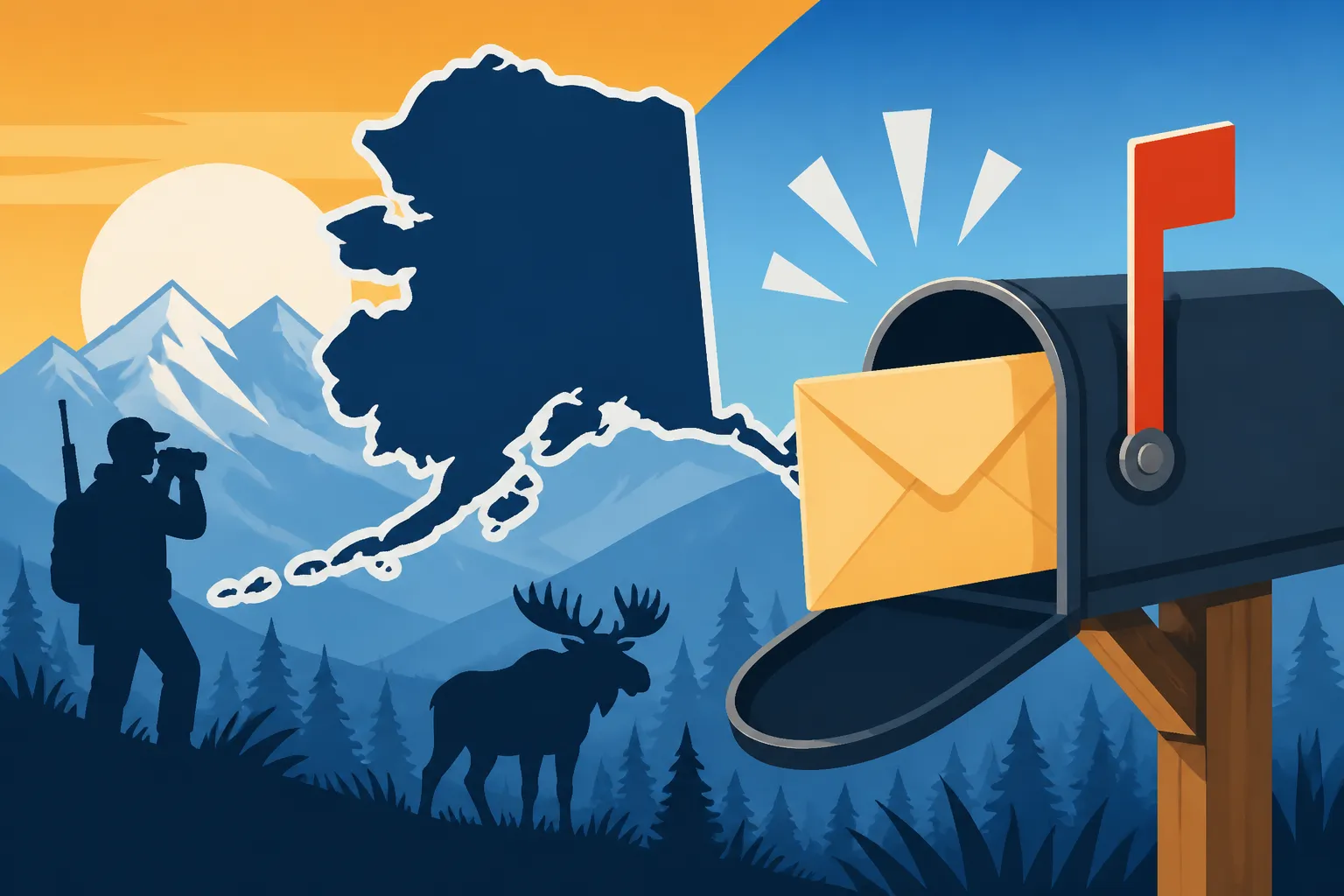
Alaska Draw Results Notification by Mail
That anxious wait for Alaska hunting draw results can feel like an eternity, can't it? You’ve spent countless hours poring over regulations, dreaming of that big bull or ram, and then the waiting game begins. This guide is here to walk you through the specifics of receiving your Alaska draw results by mail, what to expect, and how to navigate the process, offering peace of mind while you anticipate that crucial envelope.
The Traditional Wait: Understanding Mail Notifications
In an increasingly digital world, it’s easy to assume everything is electronic. Yet, for something as significant as a big game hunting permit in Alaska, the mail still holds a powerful, official place. Many hunters find themselves refreshing webpages, but the Alaska Department of Fish and Game (ADF&G) still relies on snail mail for the official word, and understanding this process is key to managing your expectations.
Why the Mail Still Matters in the Digital Age
While many states have moved almost entirely to digital notifications for draw results, the ADF&G maintains a robust system that includes mail for official communications. There's a certain weight to receiving a physical letter, isn't there? It feels more concrete, more real, than an email or an online portal message. For many seasoned Alaska hunters, particularly those who might live in more remote areas with less reliable internet access, or simply prefer the traditional method, a mailed letter is the definitive notice. This physical document serves as the official legal notification, often accompanied by the actual permit or detailed instructions. It’s not just a courtesy; it’s an integral part of the regulatory framework, providing a clear, undeniable record of your successful draw. This is especially important for understanding the nuances of how Alaska's Big Game Drawing Permits Work and the specific conditions that come with them.
For those who apply for multiple hunts, or even those just hoping for one dream tag, that official envelope can be a source of immense excitement or profound disappointment. It’s a tangible piece of your hunting future. The ADF&G ensures that whether you checked online first or not, you will eventually receive a physical confirmation or rejection, ensuring everyone has official documentation regardless of their technological access or preference.
What to Expect in Your Mailbox
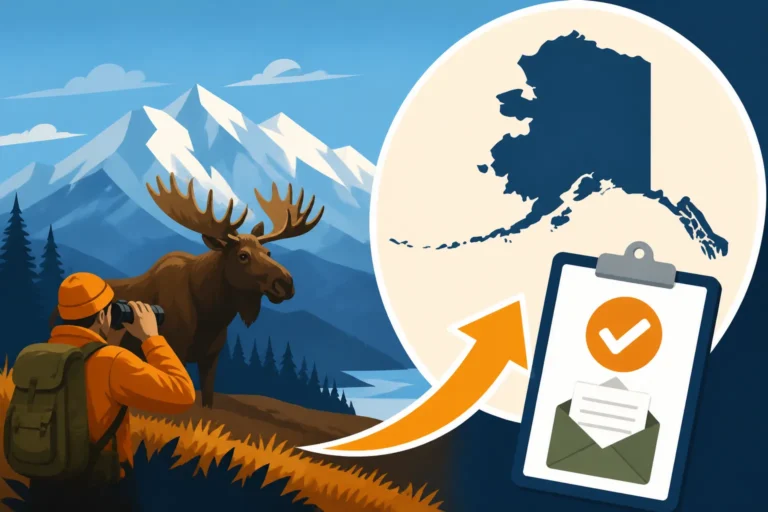
When that anticipated envelope finally lands in your mailbox, what should you look for? First, you’ll typically recognize it by the return address: "Alaska Department of Fish and Game" will be prominently displayed. It's usually a standard business envelope, but the official logo often gives it away. Inside, if you're one of the fortunate ones, you'll find a congratulatory letter, often printed on official letterhead, clearly stating the hunt unit and species you've drawn. More importantly, this package will contain your actual permit, which you'll need to carry with you in the field. This isn’t just a piece of paper; it’s your golden ticket.
Beyond the permit itself, the mailed packet often includes crucial information. This can range from detailed hunt regulations specific to your drawn area to important reporting requirements you’ll need to follow after your hunt. You might find maps, legal definitions, or instructions on how and where to seal your trophy if you’re successful. It's a comprehensive resource that can often answer many initial questions you might have about your upcoming adventure. Conversely, if you weren't successful, you'll receive a notification letting you know that as well. While less exciting, it's still an important piece of official communication. So, when that envelope arrives, resist the urge to rip it open blindly; take a deep breath and carefully review every single piece of paper inside.
The Timeline of Mail Delivery for Alaska Draw Results
The sheer anticipation of waiting for draw results can be almost as intense as the hunt itself. Knowing when and how to expect your mail notification is half the battle in managing that anxiety. While the ADF&G strives for consistency, the reality of postal services and widespread applications means there can be some variability in when your letter actually arrives.
When to Start Checking Your Mail
Historically, the Alaska Department of Fish and Game aims to release draw results in February. This means that if you applied during the window of Alaska's November 1 to December 15 Draw Application Window, you should start eagerly checking your mail, and certainly the online portal, sometime in the middle to late part of February. For those living within Alaska, particularly in the larger hubs like Anchorage or Fairbanks, mail delivery can be relatively quick once the letters are dispatched. However, if you're in the Lower 48 or, even more so, an international applicant, you need to factor in additional time for postal transit.
It's not uncommon for hunters in the contiguous United States to receive their mail notifications anywhere from a week to three weeks after the initial online results are posted. International mail can take even longer, sometimes extending into March. Don't panic if your buddy in Juneau gets their letter before you do in Texas; geographical distance and postal service efficiency play a huge role. While you're waiting for the official envelope, many hunters, ourselves included, will be glued to online resources like GoHunt to get the jump on their results and gather preliminary information. They often track when results are trending for release, which gives you a heads-up.
What If Your Mail Never Arrives?
There are few things more frustrating than knowing results are out but your mailbox remains stubbornly empty. Perhaps your neighbor mentioned they got their permit, or you saw an announcement online, but your official notification is nowhere to be found. The first step if your mail seems delayed is always to check the ADF&G online draw results portal directly. This is generally the fastest way to confirm your status. If you find your results there but still haven't received a physical letter after a reasonable amount of time (say, a month after the official release date in Alaska Draw Results Release in February), it's time to reach out.
Contacting the ADF&G licensing and permits office directly is your next course of action. They can verify your mailing address on file and check if a permit was indeed sent. Sometimes, mail gets lost, misdirected, or returned. This highlights the critical importance of ensuring your mailing address is absolutely current and accurate when you initially submit your application. An incorrect address can turn the excitement of a drawn permit into a logistical headache. Also, if you’re utilizing a service like GoHunt for tracking, they often have community forums where other hunters can share their mail receipt timelines, which can help you gauge if your delay is normal or warrants a call to ADF&G.
Beyond the Mailbox: Online Verification and Resources
While the mail notification is the official confirmation, let's be realistic: most of us can't resist the urge to find out our fate as quickly as possible. The internet has become an indispensable tool for Alaskan hunters, offering immediate access to information that once required a patient wait.
The Primary Method: Checking Online for Instant Results
For immediate gratification and to alleviate that stomach-churning suspense, the ADF&G online draw results portal is your best friend. This is where most hunters, both resident and nonresident, first discover if their dreams of an Alaska hunt will come true. While your mail notification will eventually confirm everything, the online system provides instant answers, often weeks before a physical letter arrives. To check your results, you'll need to navigate to the ADF&G hunting division's permit hunt results page. Here, you'll typically enter your application number or a combination of your date of birth and last name. It's a simple process, but the emotional impact of what appears on that screen can be anything but.
This immediate online access means you don't have to solely rely on the vagaries of postal service. If you've applied for an Alaska Draw Application Opening Date, you know the wait, and getting those results instantly can kickstart your planning much sooner. It also provides a quick way to double-check information if you’re unsure about what your mailed letter states, though the official paper document should always be seen as the final authority. Remember, while the online system is convenient, always ensure you're on the official ADF&G website to protect your personal information.
Leveraging Third-Party Tools and Forums
Beyond the official ADF&G portal, the hunting community in Alaska and across the country is incredibly active online. Many hunters leverage third-party tools and dedicated forums to enhance their draw experience. These platforms often serve as gathering places where hunters share their successes and frustrations, offering a collective sense of camaraderie during the waiting period. Services like GoHunt stand out as incredibly valuable resources. They not only provide platforms for checking results, sometimes even mirroring the official releases, but also delve deep into draw odds analysis, past harvest data, and strategy for future applications. If you’re considering applying for more permits in the future, these resources can be invaluable for understanding the intricacies of the Alaska Draw Application Fee Per Hunt and maximizing your chances.
Online forums are also a treasure trove of real-time information. When results start dropping, these communities light up with discussions about specific hunt numbers, unit success rates, and even advice on next steps for successful applicants. While these unofficial sources should always be cross-referenced with official ADF&G information, they provide an excellent supplementary layer of data and support. They're particularly helpful for nonresident hunters who might not have immediate access to local knowledge or fast mail delivery, making the entire process feel a little less isolated.
Preparing for Your Hunt After a Successful Notification
Congratulations! You've drawn a coveted Alaska hunting permit. Now the real work, and the real excitement, begins. Receiving that official notification by mail, or seeing it confirmed online, is just the first step in what will undoubtedly be an unforgettable adventure.
Next Steps After Receiving Your Permit
Once that official ADF&G envelope confirms your success, the very first thing you need to do is read every single piece of paper they sent you. Seriously, don't just glance at the permit and stash it away. These packets contain critical details about your specific hunt number, unit boundaries, season dates, legal bag limits, and often, extremely important reporting requirements. Ignoring these details can lead to violations and turn your dream hunt into a nightmare. For instance, understanding the nuances of "Alaska Harvest Tickets, Registration Permits and Draw Permits" is vital, as different permits come with different responsibilities. Some hunts, especially registration hunts, might close on short notice due to quotas being met; understanding how "Alaska Registration Hunts That Close on Quota" are announced is paramount.
After thoroughly digesting the regulations, it’s time to shift into logistical planning mode. This means solidifying travel arrangements, confirming time off work, and starting to organize your gear. If you haven't already, ensure you have all other necessary licenses and tags purchased. For example, you’ll need to understand "Alaska Big Game Locking Tags and What Each Costs" and procure them before heading into the field. If this is your first time hunting in Alaska, or a specific species, make sure you've met any "Alaska Hunter Education and Orientation Requirements", such as the mandatory sheep hunter orientation for Dall sheep. These are not suggestions; they are legal requirements that must be met before you step foot in the field.
Planning Logistics and Essential Information
With your permit in hand, the next phase is diving deep into the practicalities of your hunt. This involves everything from transportation to camp setup, and it’s where careful planning truly pays off. If your hunt involves flying into a remote area, you’ll want to start communicating with air taxi services. Understanding the ins and outs of "Fly-In Hunting: Working With an Alaska Transporter Pilot" is crucial; they aren’t guides, but they are essential logistical partners. Book early, discuss weight limits, and establish clear pick-up and drop-off dates. Remember that weather in Alaska can be unpredictable, so building extra buffer days into your travel schedule is always a wise move.
For those planning a backpack hunt, revisiting your gear list with fresh eyes is essential. You’ll be thinking about everything from shelter to food, and critically, how to manage the weight. Concepts like "Backpack Hunting in Alaska: Gear Weight and Meat Loads" become very real when you contemplate packing out a bull moose. Consider the terrain, expected weather, and potential for bear encounters, which means reviewing your bear safety protocols. Additionally, mapping out your hunt area, understanding access points, and identifying potential water sources are all part of the preparation. This is where you finalize your gear choices, ensuring everything is reliable and field-tested. Every detail counts in the vastness of Alaska.
Key Dates & Actions for Alaska Draw Permits
| November 1 – December 15 | Alaska Draw Application Window. Ensure your application and payment are submitted during this period. |
|---|---|
| Mid-February | Alaska Draw Results Release (online first). Start checking the ADF&G website for your results. |
| Late February – Mid-March | Mail Notifications Sent. Expect official letters to arrive, with successful permits and rejection notices. Non-residents and international applicants may wait longer. |
| Upon Receipt of Permit | Read All Documentation Carefully. Understand season dates, bag limits, reporting, and sealing requirements. |
| Before Hunt Season Opens | Purchase all required hunting licenses and locking tags (e.g., moose, caribou, bear). Complete any mandatory hunter education or orientation courses. |
| Ongoing (Pre-Hunt) | Plan logistics: transportation (e.g., air taxi), gear, food, mapping, and physical conditioning for your specific hunt area and species. |
Disclaimer
The information provided in this guide is for general informational purposes only and is subject to change. Hunting regulations, seasons, and permit requirements in Alaska are set by the Alaska Department of Fish and Game (ADF&G) and the Alaska Board of Game. It is the sole responsibility of every hunter to consult the most current official ADF&G regulations and emergency orders before planning or undertaking any hunt. Always verify information directly with ADF&G or a licensed Alaska guide.