Nunivak Island Muskox Hunt Unit
Hunting muskox on Nunivak Island isn't just another trip; it's an expedition into one of Alaska's most remote and unique landscapes, often fraught with logistical puzzles and the intense pressure of a highly sought-after permit. This guide will walk you through everything you need to know about the Nunivak Island muskox hunt unit, from understanding the specific drawing permit requirements to navigating the challenges of this unparalleled Arctic adventure.
Nunivak Island's Unique Muskox Hunting Opportunity
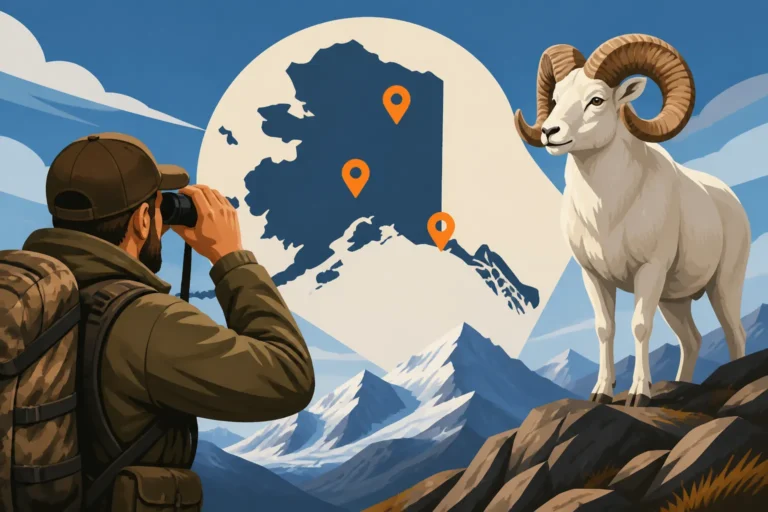
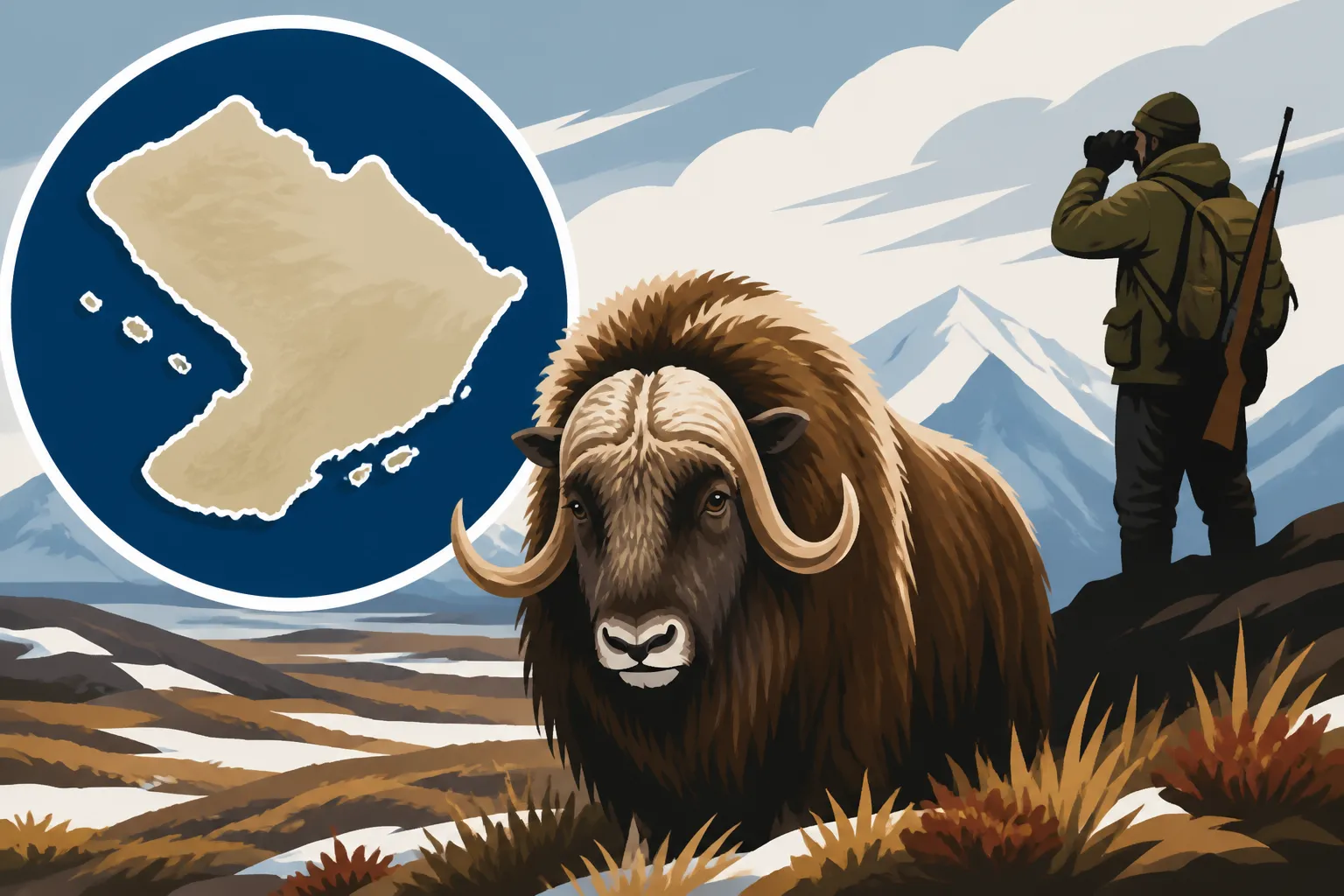
Nunivak Island, a land defined by its treeless tundra, volcanic cones, and a coastline battered by Bering Sea storms, offers one of the most singular hunting experiences in North America. It's the only place in Alaska where non-residents can hunt muskox, making it a coveted destination for those seeking a true Arctic trophy. The island's muskox population is robust, descended from a herd reintroduced in the 1930s, and they roam freely across the vast, rolling terrain, creating a primal hunting environment that few can replicate.
The appeal isn't just the animal itself, a magnificent relic of the Ice Age, but the entire journey. You're not just hunting; you're immersing yourself in an untamed ecosystem where weather dictates every move and self-reliance is paramount. The challenges are immense, from the cost and logistics of reaching the island to the unpredictable weather and rugged terrain, but the reward of harvesting a muskox in such an iconic setting is immeasurable. This hunt is a testament to perseverance and a deep respect for wilderness.
Understanding Nunivak Island Hunt Unit Regulations
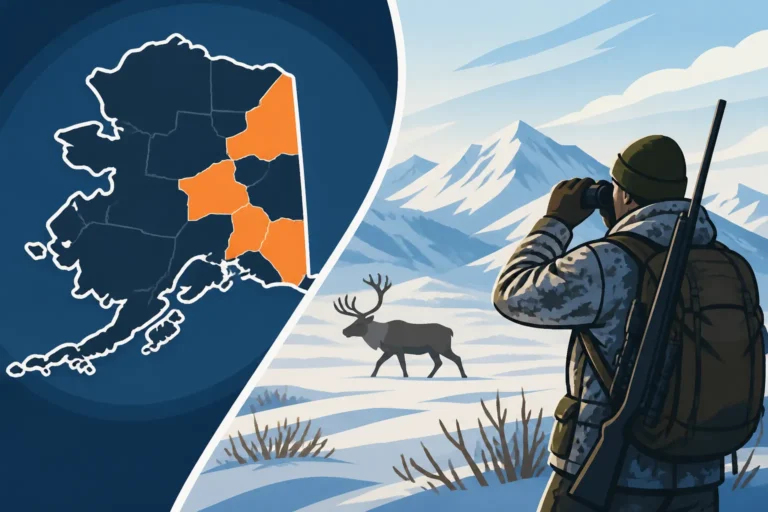
Hunting muskox on Nunivak Island (Game Management Unit 18) is strictly managed through a drawing permit system. This isn't a general season hunt where you can just buy a tag; it requires careful planning, timely applications, and a bit of luck. The Alaska Department of Fish and Game (ADF&G) uses this system to control harvest numbers, ensuring the health and stability of the herd and maintaining the quality of the hunting experience. For non-residents, a guide is mandatory, adding another layer of planning and cost to the equation.
Successful applicants will receive a permit outlining the specific hunt period and conditions. It's crucial to understand that these permits are highly competitive, reflecting the unique nature of this hunt. Many hunters, myself included, spend years applying, diligently checking their applications for drawing permits each February, hoping for that golden ticket. Tools like GoHunt's Insider platform can be incredibly useful for researching historical odds and strategy, giving you an edge in the application process.
| Hunt Number | Area | Legal Animal | Season Dates (Approx.) | Non-Resident Guide Required | Application Success Rate (Past 3 Years Avg.) |
|---|---|---|---|---|---|
| MM015 | Nunivak Island | Bull Muskox | Jan 15 – Mar 15 | Yes | < 5% |
| MM016 | Nunivak Island | Bull Muskox | Mar 16 – Apr 15 | Yes | < 5% |
| MM017 | Nunivak Island | Cow Muskox | Feb 1 – Mar 31 | Yes | 10-15% (more available) |
Note: Season dates and success rates are approximate and subject to change by ADF&G. Always consult the current Alaska Hunting Regulations.
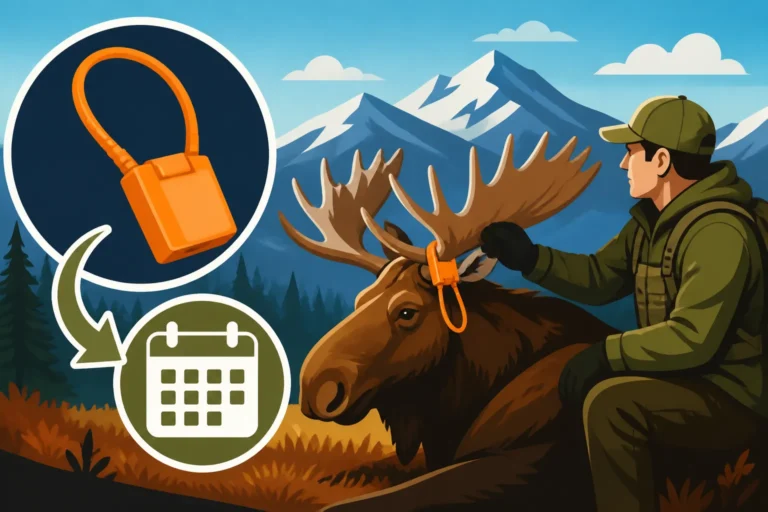
Once you've drawn a permit, you'll need to secure your Alaska hunting license and the appropriate locking tag for muskox. The cost of Alaska Big Game Locking Tags and What Each Costs can be substantial, so budget accordingly. This tag must be physically attached to the animal immediately after the kill, following all salvage laws. Remember, the game laws around here are no joke, and ignorance is no excuse.
Planning Your Nunivak Muskox Expedition
Drawing a permit is just the first hurdle; the real work begins when you start planning your trip to Nunivak Island. This is not a self-guided hunt for non-residents, so your choice of a registered Alaska guide-outfitter is paramount. They will handle the complex logistics of getting you to the island, setting up camp, and guiding you in the field.
Most hunters will fly commercially to Bethel, a hub community in western Alaska, and then take a chartered flight to Mekoryuk, the only village on Nunivak Island. This multi-leg journey requires careful coordination with your guide and air transporters. You'll want to ensure your chosen air taxi is experienced in Flying-In Hunting and Working With an Alaska Transporter Pilot, as weather can frequently cause delays, adding extra days (and costs) to your trip. It's not uncommon to spend an extra day or two weathered-in, either in Bethel or Mekoryuk.
Gear is another critical consideration. Nunivak Island is an unforgiving environment, particularly during the winter and early spring hunting seasons. Extreme cold, fierce winds, and blowing snow are the norm. Your gear list will need to be comprehensive, focusing on layered clothing, expedition-grade tents, sleeping systems rated for well below zero, and reliable communication devices. Don't skimp on quality; your comfort and safety depend on it.
Your guide will provide a detailed gear list, but expect to need items such as:
- Layered clothing: Base layers (wool or synthetics), mid-layers (fleece or down), and a bomb-proof outer shell (windproof and waterproof).
- Footwear: Insulated, waterproof boots rated for extreme cold, coupled with appropriate socks.
- Gloves and headwear: Multiple pairs of heavy-duty gloves or mittens, a warm hat, and a face mask or balaclava.
- Sleeping system: A high-quality sleeping bag (rated to -40°F or colder) and an insulated sleeping pad.
- Navigation and safety: Satellite phone or inReach device, GPS, and a good compass. Given the remoteness, having clear Emergency Evacuation Plans in Remote Alaska is non-negotiable, and you'll want to discuss this thoroughly with your guide.
- Rifle: Muskox are incredibly tough animals. A stout, reliable rifle in a caliber appropriate for large, thick-skinned game (e.g., .300 Win Mag, .338 Win Mag) is essential.
Remember, every ounce counts when flying into remote camps, so carefully consider what you pack. Your guide will often provide camp infrastructure like tents, cooking gear, and possibly a snowmachine for transportation, but confirm these details well in advance. Many hunters will plan for their hunt years out, as top guides often have limited availability. Booking an Alaska Guided Hunt Years Ahead is a common practice for these highly sought-after permits.
Navigating Challenges and Ensuring Success
Hunting muskox on Nunivak Island is a physically demanding endeavor. The terrain, while not mountainous, consists of endless rolling tundra, often covered in deep snow, frozen tussocks, or a treacherous mix of both. You'll likely be traveling by snowmachine for scouting and initial access, but the final stalk will often be on foot, possibly in extreme cold and high winds. Expect to be physically challenged, so arriving in peak condition is crucial.
The weather is perhaps the biggest wild card. Bering Sea storms can materialize quickly, bringing whiteout conditions, hurricane-force winds, and temperatures that plunge far below zero. These conditions can pin you down in camp for days, impacting your hunting schedule and adding stress. Mental fortitude is as important as physical strength on a Nunivak hunt. Your guide's experience in these conditions will be invaluable, relying on their knowledge of the land and animal behavior.
When you do locate a legal bull, the stalk can be tricky. Muskox are herd animals and can present a formidable defense, forming a circle with their calves in the middle. Approaching them requires patience and understanding their behavior. Once harvested, the work isn't over. You'll need to quarter the animal and pack out the meat and trophy in freezing conditions. Proper Meat Care in 50-Degree September Weather is critical, although on Nunivak, the cold usually works in your favor, keeping meat frozen naturally. However, protecting it from wind and snow is important.
The hide and skull are the true trophies, and ensuring their proper care from the field to the taxidermist is vital. Your guide will assist with initial caping and skull preparation, but understanding the steps for Trophy Care Included in the Guide Fee will help you prepare. This typically involves skinning, fleshing, salting, and freezing for transport. Because of the unique hide, you'll want to ensure your taxidermist has experience with muskox, as their qiviut wool requires special handling.
Finally, while securing your permit and planning the trip are huge milestones, the most important aspect of success is patience, adaptability, and a resilient spirit. Nunivak Island will test you, but for those who embrace its raw beauty and formidable challenges, the reward is an unparalleled hunting adventure and a profound connection to Alaska's wild heart. Resources like GoHunt can provide insights into previous hunters' experiences and successful strategies, which can be invaluable for your mental preparation.
Disclaimer
Always consult the current Alaska Department of Fish and Game regulations for the most up-to-date and accurate information regarding hunting seasons, bag limits, and specific unit rules. Laws and regulations can change annually. This guide is for informational purposes only and does not supersede official state regulations.