Units Open in the Federal Fortymile Winter Hunt
Figuring out where you can legally hunt for caribou in Alaska during the federal Fortymile winter season can feel like deciphering an ancient scroll, especially with the complex interplay of state and federal regulations. Many hunters get frustrated trying to pin down exactly which Game Management Units (GMUs) are open and what the specific rules are for these unique federal hunts. This comprehensive guide will break down the units typically included in the federal Fortymile winter caribou hunt, clarifying the access, regulations, and essential planning steps to help you navigate this challenging yet rewarding experience.
Understanding the Federal Fortymile Winter Hunt Distinction
The Fortymile Caribou Herd is a truly iconic part of Alaska's wildlife, and hunting it, especially in the depths of winter, offers an unparalleled experience. However, it's not as simple as just grabbing a tag and heading out. The key thing to grasp right off the bat is the distinction between federal and state hunting regulations, and how they apply to different lands and different hunters. This isn't just bureaucratic red tape; it's a system designed to manage resources and prioritize subsistence users on federal lands, which affects everyone hoping to participate.
Why Federal Rules Exist on Public Lands
Alaska is unique in that a huge portion of its land base is federally owned and managed by agencies like the Bureau of Land Management (BLM), National Park Service (NPS), or the U.S. Fish and Wildlife Service (USFWS). On these federal lands, special rules often apply, particularly concerning subsistence hunting. The federal government, under ANILCA (Alaska National Interest Lands Conservation Act), has a mandate to prioritize subsistence harvest for eligible rural residents over other forms of hunting. This means that while the state of Alaska also manages hunting, if you're on federal public lands, federal regulations might supersede or add to state regulations, especially for specific hunts like the Fortymile winter caribou hunt.
This dual management can be incredibly confusing. You might find a state season open, but if you're on federal land, a federal season with different dates, quotas, or eligibility requirements might be in effect. It's not uncommon for hunters to mistakenly assume state regulations cover them everywhere, only to find themselves in violation on federal ground. This is why paying close attention to the specific unit and land ownership is absolutely critical before you even think about packing your rifle. You might also want to look into how these federal rules tie into Federal Subsistence Hunting on Alaska Public Lands.
The Nature of a "Winter Hunt" for Caribou
When we talk about a "winter hunt" for Fortymile caribou, we're not talking about crisp autumn days with changing leaves. We're talking about deep snow, temperatures that can plummet well below zero, and shortened daylight hours. These hunts are often announced based on caribou movement and quotas, meaning they can open with relatively short notice and close early if the quota is met. This requires a level of flexibility and preparedness that many other hunts don't demand.
The caribou, in their winter phase, present different challenges and opportunities. Their coats are thick, and their meat is often prime, but they are also navigating harsh conditions, often concentrated in specific areas where forage is available. Access might be restricted to snowmachines, dog teams, or even skis, as wheeled vehicles are usually out of the question due to snow depth. This means the logistical demands are significantly higher, and safety considerations for extreme cold, short days, and remote travel become paramount.
Key Units Open for Federal Winter Caribou Hunting
The Fortymile Caribou Herd roams a massive area across Interior Alaska and into Canada. When it comes to the federal winter hunt, the focus is generally on federal public lands within specific Game Management Units (GMUs) that overlap with the herd's traditional wintering grounds. Understanding these units and their federal designations is key to planning a successful and legal hunt.
Primary Federal Hunting Units: Focus on 25D
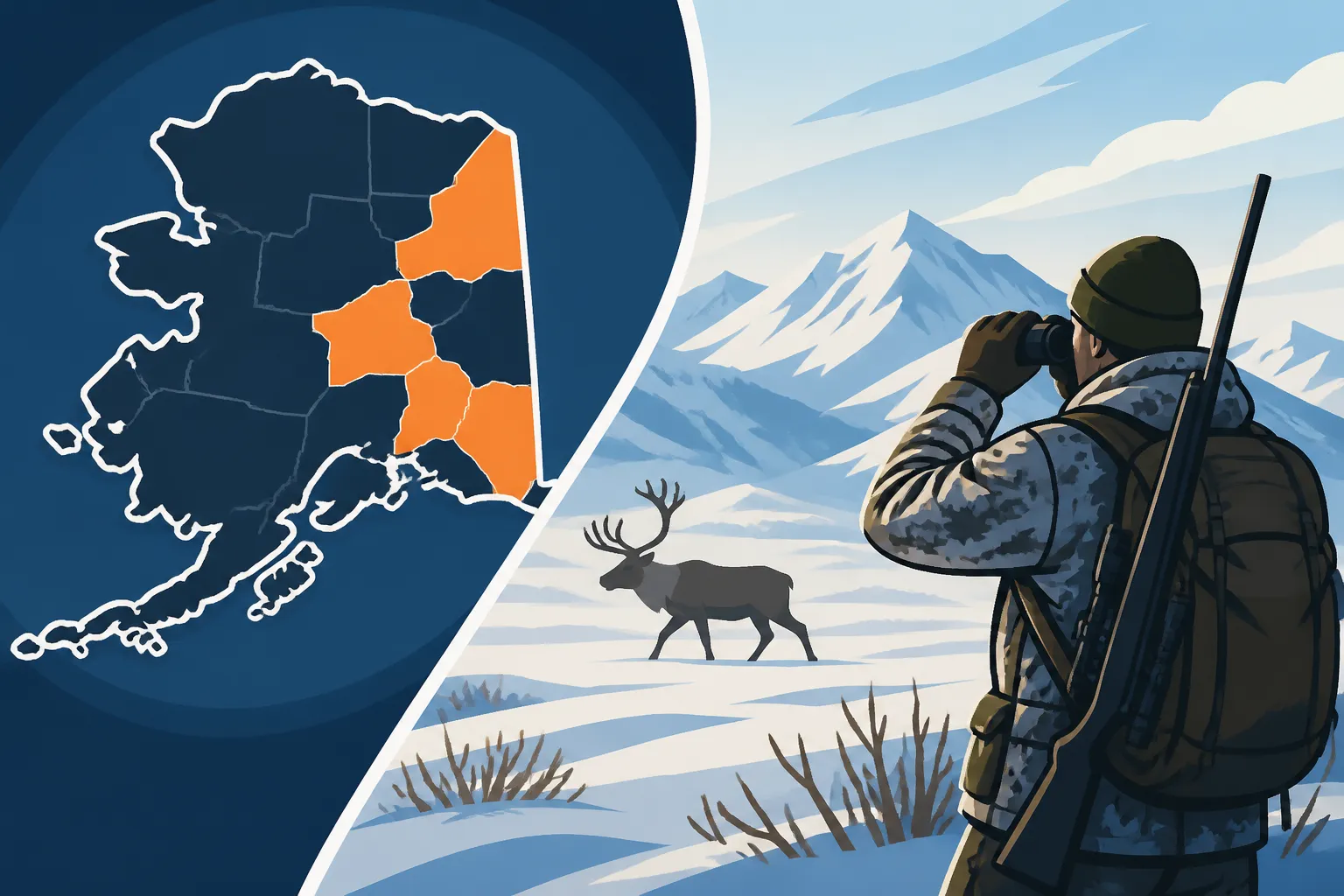
The heart of the federal Fortymile winter caribou hunt typically revolves around Game Management Unit (GMU) 25D. This unit encompasses a vast expanse of Interior Alaska, stretching east of Fairbanks towards the Canadian border. Within GMU 25D, there are significant tracts of federal land, particularly areas managed by the Bureau of Land Management (BLM) and the National Park Service (NPS) in places like the Yukon-Charley Rivers National Preserve.
While Unit 25D is the primary focus, federal lands in adjacent units, such as portions of 20E (often associated with the Taylor Highway) and 25C, can also be included in federal hunt announcements for the Fortymile Caribou Herd. It's crucial to always check the most current Federal Subsistence Board regulations and emergency orders, as the specific boundaries and units can shift slightly from year to year based on herd movements and management objectives. The federal hunt rules often refer to "Federal lands within the Upper Yukon-Tanana Federal Subsistence Management Unit," which generally covers these GMUs.
For example, a hunter utilizing the federal hunt might access these areas via winter trails, often using snowmachines from communities like Eagle or Tok, or from designated access points off the Taylor Highway. The terrain varies from vast willow flats and boreal forest to rolling hills, all under a blanket of snow in winter. Knowing the specific land status within 25D is vital, as state-owned lands within the same GMU might have different (or no) open seasons during the federal winter hunt. Tools like GoHunt's mapping overlays can be incredibly helpful for distinguishing federal, state, and private land boundaries in these complex units, ensuring you're always on legal ground.
Land Ownership and Access Within Designated Units
Alaska's land ownership mosaic is complex, with state, federal, Native corporation, and private lands often intermingled. For the federal Fortymile winter hunt, you must confirm you are on federal public lands within the designated GMUs. Hunting on state or private land during a federal season could lead to serious violations.
Here's a breakdown of common land types and their implications:
- Bureau of Land Management (BLM) Lands: Much of the federal hunt occurs on BLM-managed lands. These are generally open to public access, but specific regulations regarding motorized vehicle use (like snowmachines) may apply, especially for off-trail travel or in designated wilderness study areas.
- National Park Service (NPS) Preserves: Areas like the Yukon-Charley Rivers National Preserve are federal lands where subsistence hunting is permitted. However, national parks (as opposed to preserves) within Alaska typically prohibit hunting altogether. Always confirm the specific designation (Preserve vs. Park) and any internal park service regulations.
- Native Corporation Lands: Large tracts of land within or adjacent to GMU 25D are owned by Alaska Native Corporations (e.g., Doyon, Ltd.). These are private lands, and hunting on them requires explicit permission or permits, which often come with a fee. Even if the caribou are on Native Corp lands, the federal hunt regulations do not apply there unless a specific agreement is in place.
- State Lands: State of Alaska lands often have different seasons and bag limits. A federal hunt is specific to federal lands. This is a common point of confusion. You might be legally hunting on federal land, but if you cross onto state land without a valid state tag or during a closed state season, you're in trouble.
Always carry detailed maps showing land ownership, or use GPS units pre-loaded with land status layers. GoHunt's mapping suite, for example, is excellent for this, allowing you to clearly see federal vs. state vs. private boundaries as you navigate. Understanding Land Status in Alaska: State, Federal and Native Corporation is paramount for any hunter in the Last Frontier.
Table of Typical Federal Fortymile Winter Hunt Units and Considerations
| GMU (Federal Lands) | Primary Access Points | Typical Federal Hunt Restrictions | Key Considerations |
|---|---|---|---|
| 25D | Eagle, Tok, Taylor Hwy | Federal Subsistence Eligibility, Specific Quotas, Dates based on EOs | Core unit, vast federal lands, remote, extreme cold |
| 20E | Taylor Highway | Federal Subsistence Eligibility, Often part of larger Fortymile hunt area | Road-system adjacent access, can be busy, check specific federal boundaries |
| 25C | Circle, Steese Highway | Federal Subsistence Eligibility, Lower population density in some areas | More remote, less common caribou concentrations in winter for this hunt |
Note: This table provides general information. ALWAYS consult current Alaska Department of Fish and Game (ADF&G) and Federal Subsistence Board (FSB) regulations and emergency orders before planning your hunt.
Navigating Federal Regulations and Access Requirements
Hunting the federal Fortymile caribou in winter isn't just about knowing where the caribou are; it's about understanding who can hunt them and how. The federal regulations governing these hunts are specific and designed to uphold subsistence priorities, which means not every hunter is eligible. Overlooking these details can lead to disappointment, or worse, legal issues.
Eligibility for Federal Subsistence Hunts
The most significant hurdle for many hunters is the eligibility requirement. The federal Fortymile winter caribou hunt is, by definition, a federal subsistence hunt. This means it is generally open only to federally qualified subsistence users. A federally qualified subsistence user is typically a rural resident of Alaska who meets specific criteria defined by federal law. If you are a resident of a large urban center like Anchorage or Fairbanks, or a nonresident of Alaska, you are generally not eligible to participate in these federal subsistence hunts.
This is a critical distinction that often catches hunters off guard. Many assume that because the land is "public," anyone can hunt there. While this is true for general access, the type of hunt permitted on federal lands can be restricted to specific user groups. Always verify your eligibility before planning to hunt any federal subsistence season. The federal subsistence regulations will clearly define who can participate. For detailed information on eligibility, refer to federal subsistence program guidelines or contact the Office of Subsistence Management.
Checking Current Season Dates and Quotas
Unlike many state hunts with fixed dates, federal subsistence hunts for caribou, especially the Fortymile, are often managed with dynamic opening and closing dates and quotas. This means the season might open on short notice when caribou become available in specific areas and can close just as quickly once a harvest quota is met. This responsive management aims to provide opportunity while protecting the herd.
You absolutely must check for current emergency orders (EOs) from both the Alaska Department of Fish and Game (ADF&G) and the Federal Subsistence Board (FSB) right up until the day you depart for your hunt. These EOs are the official announcements for season openings, closures, bag limits, and any special conditions. ADF&G often posts these on their website, and the Federal Subsistence Management Program also has an online presence where EOs are published. Missing an emergency closure by even a few hours can turn a legal harvest into a serious violation. This need for constant vigilance also applies to topics like Federal Fortymile Winter Hunt Opening Date and Fortymile Zone Openings and Delays.
Required Permits and Reporting
Even if you are a federally qualified subsistence user, you will likely need a permit, often called a harvest ticket or registration permit, specifically for the federal Fortymile caribou hunt. These permits are usually available online or at ADF&G offices, even though it's a federal hunt (the state often administers the federal permits). This permit will outline the specific bag limits, reporting requirements, and any other conditions.
Reporting your harvest is not just a suggestion; it's a legal requirement. Federal subsistence hunts rely heavily on accurate harvest data to manage the resource effectively. Failure to report your kill by the specified deadline can result in penalties, including being ineligible for future subsistence hunts. Always keep your permit information handy and follow the reporting instructions precisely. This process is distinct from the regular Alaska Harvest Tickets, Registration Permits and Draw Permits you might be familiar with for state hunts.
Planning Your Fortymile Winter Hunt Logistics
Once you understand the regulations and which units are open, the real work of planning begins. A federal Fortymile winter caribou hunt is an expedition into some of Alaska's most unforgiving country, demanding meticulous preparation, the right gear, and a strong focus on safety.
Transportation and Access in Winter Conditions
Accessing the federal units within the Fortymile in winter is largely dependent on snow and ice. Roads like the Taylor Highway or the Steese Highway provide a starting point, but most hunting takes place off the road system. Snowmachines (snowmobiles) are the primary mode of transportation. You'll need reliable machines, spare parts, tools, extra fuel, and possibly a sled for hauling gear and, hopefully, meat.
Consider the capabilities of your machine and your experience level. Breaking trail in deep snow or navigating frozen rivers and creeks requires significant skill and proper equipment. Always travel with at least one other machine and multiple people. Other transportation options might include dog teams or even cross-country skis, but these are even more demanding and typically reserved for highly experienced individuals. Regardless of your method, informing someone of your Signal Devices and Check-In Plans for Solo Alaska Hunts or group hunts is non-negotiable.
Essential Gear for Extreme Cold and Snow
The phrase "winter hunt" cannot be overstated. Temperatures can drop to -40°F (-40°C) or colder, and blizzards can roll in quickly, causing whiteout conditions. Your gear list for such an environment must be extensive and reliable.
Key items include:
- Layered Clothing System: Start with a good base layer (wool or synthetics), mid-layers for insulation (fleece, down, or synthetic puffies), and a waterproof/windproof outer shell. Bring duplicates.
- Extreme Cold Weather Outerwear: A heavy-duty parka and insulated pants are essential when stationary. Brands like Canada Goose or similar expedition-grade gear are not overkill.
- Footwear: Insulated boots rated for extreme cold (e.g., Mukluks, pac boots like Baffins) with multiple pairs of wool socks.
- Gloves and Mittens: Several pairs, including thin liners for dexterity, insulated gloves, and large expedition-grade mittens.
- Shelter: A four-season tent or a canvas wall tent with a wood stove for longer stays. A robust sleeping bag rated to at least -40°F.
- Cooking System: A reliable stove that performs in extreme cold (liquid fuel usually preferred), and plenty of high-calorie food that won't freeze solid.
- Navigation: GPS with extra batteries (lithium are best for cold), physical maps, and a compass. Learn to use them all. GoHunt's offline maps can be a lifesaver when cell service is nonexistent. Reviewing how to take Compass Bearings When Fog Shuts Down Glassing is a good idea.
- Survival Gear: First-aid kit, fire starters, headlamps with extra batteries, satellite communication device (InReach, Garmin Messenger, satellite phone), snow shovel, repair kits for snowmachines and tents.
Caribou Recovery and Meat Care in Freezing Temperatures
Once you've successfully harvested a caribou, the work isn't over; it's just beginning. In freezing conditions, meat care changes significantly compared to warmer weather. The primary goal is to cool the meat quickly, but not too quickly on the outer layers if it's extremely cold, as this can create a hard crust that traps heat inside.
- Quartering and Handling: Caribou are smaller than moose, making them easier to handle, but still a significant task. Quickly quarter the animal, separating edible meat from bone. Take special care with hygiene. Consider reviewing Meat Care in 50-Degree September Weather for general principles, though winter has its own nuances.
- Game Bags: Use breathable game bags to protect the meat from dirt, snow, and scavengers. Synthetic bags like TAG Bags or breathable cotton blend options are ideal.
- Cooling: In extreme cold, the meat will freeze solid fairly quickly. Lay the quarters on a tarp or branches to allow airflow around them. If temperatures are extremely low, you might need to protect the meat from flash-freezing on the outside while the inside remains warm, which can lead to souring.
- Transport: Securely load the quarters onto your sled or pack frames for transport back to your vehicle or camp. Ensure they are protected from crushing or contamination.
- Salvage Requirements: Remember that Alaska has strict salvage laws. You must remove all edible meat, including the ribs and neck meat. Don't leave anything behind that is legally required to be salvaged. This applies equally to federal hunts. Reviewing Alaska Moose Meat Salvage Requirements gives good insight into these regulations.
The federal Fortymile winter caribou hunt is an adventure for those prepared for its unique challenges and regulatory environment. By understanding the distinction between federal and state lands, verifying your eligibility, staying updated on emergency orders, and meticulously planning your logistics, you can have a truly unforgettable and successful experience in Alaska's vast winter wilderness.
Disclaimer
The information provided in this guide is for general informational purposes only and does not constitute legal advice. Hunting regulations in Alaska are complex and subject to change. It is the sole responsibility of each hunter to consult the most current regulations published by the Alaska Department of Fish and Game (ADF&G) and the Federal Subsistence Board (FSB) before engaging in any hunting activities. Always verify land status and eligibility requirements.