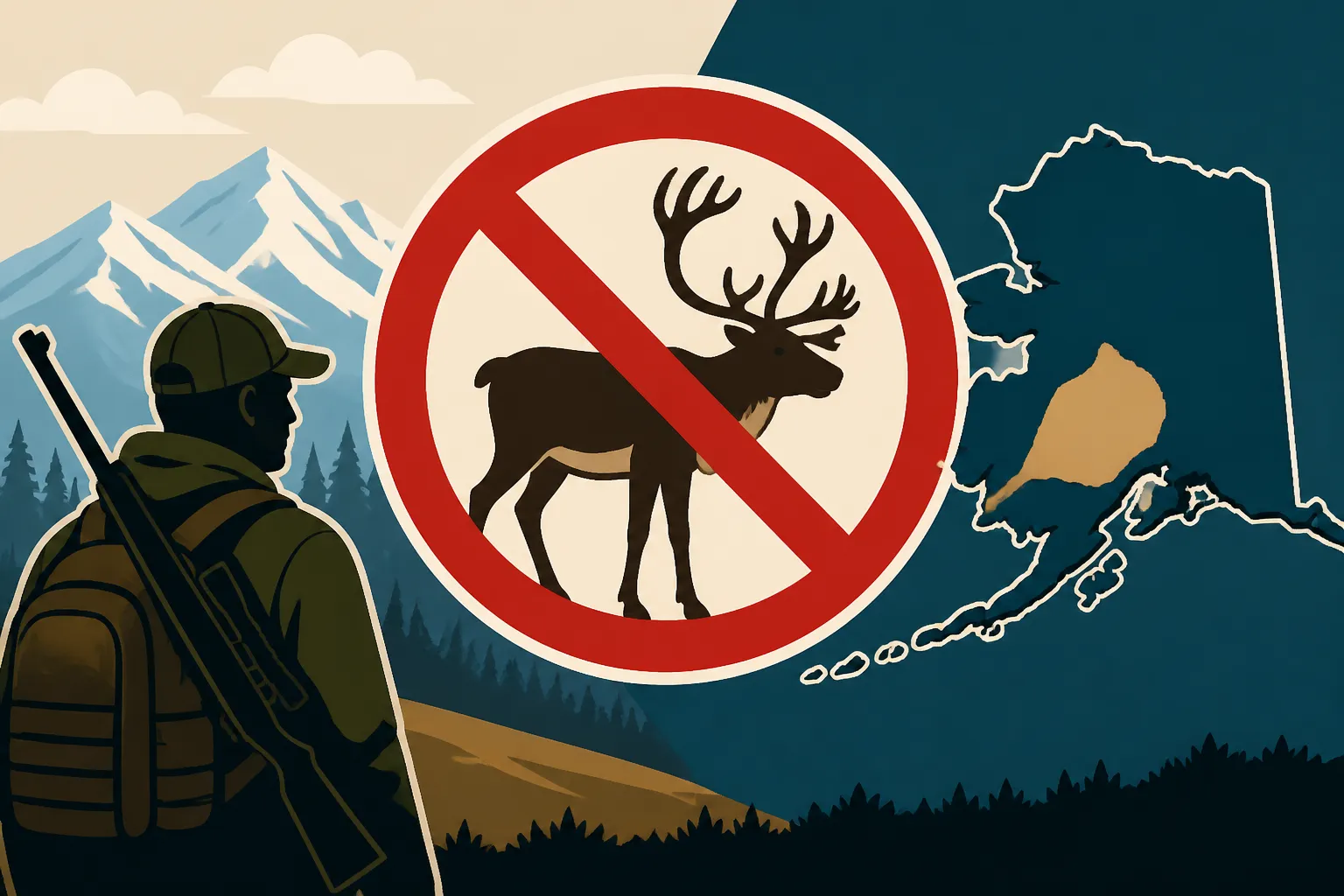
Mulchatna Caribou Closure Since 2021
The closure of a beloved hunting opportunity can be incredibly frustrating, especially when you’ve invested time, money, and dreams into pursuing Alaska’s iconic caribou. For many, the Mulchatna caribou herd represented a significant, accessible hunting option, and its closure since 2021 has left a void for residents and non-residents alike. This guide dives deep into why the Mulchatna caribou season was shut down, what led to this drastic measure, and what hunters can expect for the future of this vital herd.
Understanding the Mulchatna Caribou Herd Collapse
The Mulchatna caribou herd, ranging across the vast landscapes of southwest Alaska, has long been a cornerstone for both subsistence and recreational hunters. Its dramatic decline and subsequent closure didn't happen overnight; it was the culmination of various environmental and biological pressures that have been building for years.
Historical Context of the Mulchatna Herd
For decades, the Mulchatna caribou herd was a robust and thriving population, frequently numbering in the tens of thousands. At its peak in the late 1990s and early 2000s, this herd provided abundant hunting opportunities and was a critical food source for numerous rural communities in the region. Hunters from all over the world sought out the Mulchatna for its relatively accessible terrain compared to some of Alaska's more remote herds, as well as the chance at a magnificent bull. Its range encompassed diverse habitats, from vast tundra plains to spruce forests and river drainages, allowing it to support a large population. The sheer scale of its migrations often left hunters in awe, offering glimpses into the wild heart of Alaska.
This herd was particularly significant because it traversed areas easily reached by air taxis out of hubs like Dillingham or Iliamna, and some portions of its range were even accessible by boat or ATV during certain times of the year, making it a popular choice for unguided groups. The management practices during these boom times focused on sustainable harvest, ensuring that enough animals remained to reproduce and sustain the population. People often consulted resources like the Caribou Herds of Alaska and How They Move to understand the herd's dynamics and migration patterns, which were crucial for planning successful hunts.
The Decline and Triggers for the Closure
The first serious warning signs for the Mulchatna herd began appearing in the mid-2010s, with biologists noting a consistent downward trend in population estimates. By 2020, census data revealed a staggering decline, with the herd's numbers plummeting far below sustainable thresholds. What initially seemed like a cyclical downturn began to look more like a catastrophic collapse.
Several factors converged to push the Mulchatna caribou to the brink. One major culprit was a series of unusually severe winters, particularly in 2017 and 2018. Deep snow and prolonged cold made foraging incredibly difficult, leading to increased mortality among calves and older animals. These harsh conditions weakened cows, impacting their reproductive success and the survival rates of their subsequent calves. Poor calf recruitment, meaning fewer young caribou surviving to adulthood, is a direct pathway to population decline.
Another significant factor was increased predation pressure, primarily from wolves and bears. While predation is a natural part of any ecosystem, a weakened caribou population, stressed by environmental factors, becomes more vulnerable. With fewer calves surviving and adult caribou struggling, predators can have an outsized impact, creating a downward spiral. Habitat changes, though perhaps less dramatic than weather and predation in the short term, also play a role, altering forage availability and migration routes.
The Alaska Department of Fish and Game (ADF&G) closely monitored these trends, conducting aerial surveys and tracking studies. As the population continued its precipitous drop, approaching the critically low numbers, the difficult decision was made to close the hunting season entirely, effective in 2021. This was an emergency measure, an attempt to give the herd a complete reprieve from human harvest and allow any remaining animals the best chance to reproduce and rebuild. The closure was a stark reminder of the delicate balance of Alaska’s ecosystems and the speed at which even large game populations can decline when multiple stressors align. Information on the Mulchatna Herd Population Objective outlines the target numbers ADF&G hopes to see for a sustainable herd.
The Impact of Hunting Closures on Alaska Hunters
When a major caribou herd like the Mulchatna is closed to hunting, the ripples are felt far and wide. It's not just about missing a trophy opportunity; it impacts livelihoods, subsistence traditions, and the overall hunting culture in Alaska.
State and Federal Actions Taken
The decision to close hunting seasons, especially for a widely utilized species like caribou, is never taken lightly by the Alaska Department of Fish and Game (ADF&G) or federal management agencies. When population data indicates a herd is in severe decline, threatening its long-term viability, both state and federal authorities can issue emergency orders to halt hunting. For the Mulchatna, this meant a complete closure, prohibiting both resident and nonresident hunters from pursuing caribou in the affected game management units. This type of action is often initiated by ADF&G and then brought before the Alaska Board of Game for review and potential codification into regulation. Federal closures, administered by the Office of Subsistence Management, can occur on federal lands within the herd's range, often mirroring state actions to provide consistent protection.
These closures are communicated through official ADF&G press releases, updates to their hunting regulations booklets, and online portals. It's critical for hunters to constantly check for Alaska Emergency Orders That Close a Season Early because these can change rapidly, sometimes even in the middle of a hunting season. Non-compliance with these closures carries significant penalties, including fines, confiscation of game, and loss of hunting privileges. The aim is always conservation, ensuring that future generations will still have the opportunity to hunt these magnificent animals.
Frustration and Adaptation for Hunters
For many hunters, the Mulchatna closure has been a source of deep frustration. Planning an Alaska hunt, especially for non-residents, involves significant financial investment, time off work, and logistical coordination. Imagine having a trip planned for years, only to find out your target herd is off-limits. This is the reality many faced. Subsistence users, who rely on caribou as a traditional food source for their families and communities, are hit even harder, as the closure directly impacts their ability to feed themselves.
Hunters often use resources like GoHunt to keep track of regulations and hunt opportunities, and the closure of such a prominent herd quickly becomes a topic of intense discussion and concern within the hunting community. For those who can no longer pursue Mulchatna caribou, adaptation becomes key. Some have shifted their focus to other caribou herds that still have open seasons, such as portions of the Western Arctic herd or the Nelchina herd, though these often come with different access challenges, bag limits, and population dynamics. For example, understanding Alaska Caribou Seasons and the Winter Hunt Split for other herds might become paramount.
Others have turned to different species, exploring moose, black bear, or Sitka blacktail deer hunts, depending on the region and their available time and resources. This necessitates new research, gear adjustments, and often, new permits or licenses, adding another layer of complexity. Tools like GoHunt can be invaluable in navigating these shifting landscapes, providing up-to-date information on draw odds, season dates, and unit breakdowns for various species across the state. It allows hunters to quickly pivot and explore alternative hunting opportunities, ensuring their Alaska hunting dreams can still be realized, just perhaps in a different form than originally planned.
Here's a quick look at the status of some of Alaska's major caribou herds:
| Caribou Herd Name | Peak Population (approx.) | Current Status (Approx. 2023-2024) | Hunting Outlook | Key Management Unit (Example) |
|---|---|---|---|---|
| Mulchatna | 200,000 (late 1990s) | ~13,000 (2022) | Closed since 2021; Focus on recovery | Unit 17 |
| Western Arctic Herd | 460,000 (2003) | ~170,000 (2022) | Regulated hunting, often quota-based and restrictive | Unit 23 |
| Nelchina Herd | 70,000 (1990s) | ~35,000 (2022) | Regulated hunting, draw or registration permits | Unit 13 |
| Fortymile Herd | 60,000 (2000s) | ~60,000 (2022) | Regulated hunting, often restricted to bulls/quotas | Unit 20E |
| Delta Herd | 11,000 (2000s) | ~3,000 (2022) | Highly restricted, often draw permits only | Unit 20A |
Note: Population numbers are estimates and can fluctuate annually. Always consult current ADF&G regulations for the most up-to-date information.
Looking Towards the Future: Recovery Efforts and Management Strategies
The closure of a major caribou herd like the Mulchatna is not a permanent state but rather an emergency measure designed to foster recovery. The focus now shifts from harvest management to intensive conservation, with the hope of seeing the herd rebound to sustainable levels.
Current Management Objectives and Challenges
The primary objective for the Alaska Department of Fish and Game, working in conjunction with federal partners, is to stabilize and then grow the Mulchatna caribou herd population. The specific goal, often referred to as the Mulchatna Herd Population Objective, is to get the herd back to a range where it can once again sustain human harvest while maintaining ecological health. This isn't a simple task, and it faces numerous challenges.
Management strategies often involve a multi-pronged approach. Predator control efforts, specifically targeting wolves and bears in critical caribou calving or wintering areas, might be implemented to reduce pressure on the struggling herd. This is a contentious but often necessary tool in extreme situations to give caribou calves a better chance of survival. Habitat monitoring and potential enhancement projects, though more long-term, also play a role, ensuring the caribou have access to adequate forage. The most crucial strategy, however, is continued intensive monitoring. Biologists conduct annual aerial surveys, collar animals to track movements and survival rates, and analyze data to understand what factors are most impacting the herd's ability to recover. This scientific understanding is the backbone of all recovery efforts.
One of the biggest challenges is the sheer unpredictability of natural systems, especially in a vast and wild place like Alaska. Severe winters, disease outbreaks, or unforeseen shifts in predator populations can all derail recovery efforts. Furthermore, caribou are migratory animals, and their movements across enormous landscapes make precise management complex. It's a long game, requiring patience and sustained effort from wildlife managers and the public. Understanding how the Alaska Board of Game Meeting Cycle influences these decisions can give hunters insight into the regulatory process.
Hunter Involvement and the Path to Reopening
For dedicated caribou hunters, staying informed about the Mulchatna herd's recovery is paramount. The primary source for official updates will always be the Alaska Department of Fish and Game website. They will post annual survey results, management reports, and any proposed changes to hunting regulations. Subscribing to their newsletters or checking their regional offices' announcements are great ways to stay in the loop. Websites like GoHunt also provide a consolidated platform for tracking regulatory changes and news from state wildlife agencies, making it easier for hunters to monitor the Mulchatna's progress.
Public input plays a vital role in wildlife management in Alaska. As the herd begins to show signs of recovery, proposals for a limited reopening of the hunting season would first be brought before the Alaska Board of Game. Hunters and concerned citizens can Submitting a Proposal to the Alaska Board of Game or provide testimony during public comment periods. These forums are crucial for ensuring that diverse perspectives are considered in management decisions.
The exact population thresholds that would need to be met for a potential reopening are determined by ADF&G based on biological sustainability, but they generally involve the herd reaching a stable or growing trend for several consecutive years and achieving a minimum population size that can withstand harvest pressure. While it's impossible to predict an exact date, wildlife managers are hopeful that with continued conservation efforts and favorable environmental conditions, the Mulchatna caribou herd could, in time, bounce back. Hunters should anticipate that any initial reopening would likely involve very restrictive seasons, potentially targeting only bulls, with strict bag limits or permit requirements, similar to how Alaska Registration Hunts That Close on Quota operate for other species. It’s a slow process, but the dedication of wildlife agencies and the patience of the hunting community are crucial for this magnificent herd's return.
Disclaimer
The information provided in this guide is for general informational purposes only and is not intended as legal advice or a substitute for official hunting regulations. Hunting seasons, regulations, and herd statuses in Alaska are subject to frequent changes by the Alaska Department of Fish and Game and federal agencies. Always consult the most current Alaska Hunting Regulations booklet, official ADF&G announcements, and federal regulations before planning or undertaking any hunting activity.