Alaska Sheep Draw Hunts Versus General Season
Dreaming of chasing a Dall ram high in the Chugach or Brooks Range is a quintessential Alaska hunting experience, but when it comes to actually putting a tag in your pocket, the options can feel as winding as a glacier-fed river. Many hunters, both residents and non-residents, find themselves scratching their heads over the differences between the general season hunts and the highly sought-after drawing permit hunts for Dall sheep. This guide will clarify the distinctions, helping you understand the unique challenges and rewards each path presents as you plan your ultimate Alaska sheep adventure.
Understanding Alaska's Dall Sheep General Season
For many, the general season is the traditional entry point into Alaska Dall sheep hunting. It’s often seen as the more accessible route, but don't let "accessible" fool you into thinking it's easy. These hunts demand immense physical and mental preparation, taking you into some of the state's most rugged and breathtaking terrain.
Accessibility and Requirements
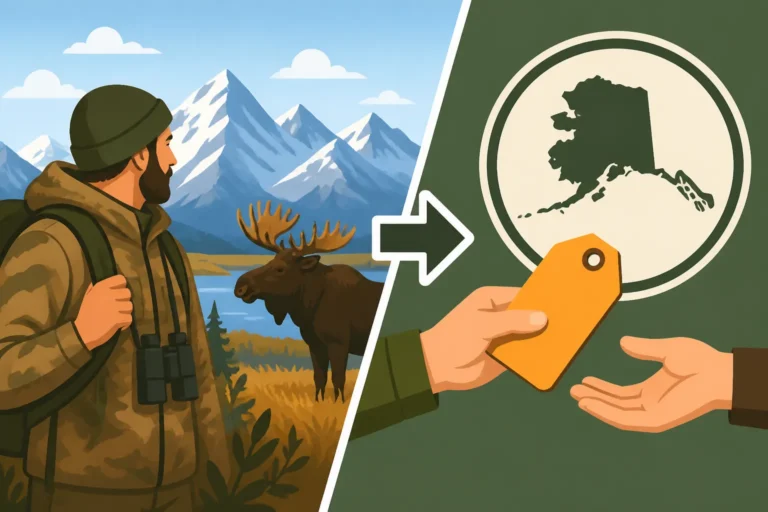
The general season for Dall sheep, available in many Game Management Units across the state, operates on an "over-the-counter" tag system. This means that if you meet the eligibility requirements, you can simply purchase your tag. For non-resident hunters, this immediately brings up the requirement of being accompanied by an Alaska-licensed guide or an Alaska resident who is a second-degree relative. This often translates to significant planning, whether it's securing a spot with a reputable outfitter or coordinating with a family member who lives here. Even with a guide, getting to the sheep country for these hunts typically involves bush planes, ATVs, or long backpack treks into the alpine, far from any road system.
One of the defining features of general season Dall sheep hunting is the strict "full-curl" legal requirement. A ram is only legal if the tip of its horn has grown through a plane extending from the back of the skull, or if the ram is at least eight years of age, as determined by counting horn annuli (growth rings). This rule is designed to protect younger rams and ensure a healthy breeding population, but it adds a considerable layer of complexity and pressure for hunters in the field. Identifying a full-curl ram at a distance, often across vast drainages and steep slopes, requires keen glassing skills and a deep understanding of sheep horn growth. It’s also mandatory for all Dall sheep hunters, regardless of residency or hunt type, to complete the Alaska Department of Fish and Game's (ADF&G) mandatory hunter orientation. This course covers crucial aspects like identification, ethics, and proper field care, ensuring you're prepared for the unique demands of a sheep hunt.
Pros and Cons of General Season Hunts
There's a lot to consider when weighing a general season hunt against the lottery system. Let’s break down the advantages and disadvantages.
Pros of General Season Hunts
The most significant "pro" is perhaps the most obvious: opportunity. You don't have to wait years for a draw. If you decide to go sheep hunting this season, and you meet the legal requirements (like hiring a guide if you're a non-resident), you can simply buy your tag. This offers tremendous flexibility in planning, allowing you to react to personal schedules, financial situations, or even favorable weather forecasts closer to the season. It’s also often more straightforward for Alaska residents who may already have the gear, experience, and local knowledge to mount an unguided expedition. The thrill of being able to choose your adventure and head into the mountains without the anxiety of a draw result is a powerful motivator for many.
Furthermore, general season areas encompass vast swaths of prime sheep habitat across Alaska, from the Alaska Range to the Brooks Range. While some areas are more heavily trafficked, there are always opportunities to find solitude and unpressured rams if you're willing to go deeper and push harder. Many experienced sheep hunters thrive on the challenge of finding a legal ram in these landscapes, relying on their own scouting, fitness, and judgment. For those who prioritize the experience of being in the mountains over securing a specific permit, the general season offers a wide-open invitation. You can gain invaluable experience by going on these hunts, honing your skills for judging a ram and understanding sheep behavior, which will serve you well for any future sheep endeavors, guided or unguided.
Cons of General Season Hunts
On the flip side, general season hunts come with their own set of challenges. One of the most common frustrations is the higher hunting pressure. Because tags are available over-the-counter, many popular areas can see a significant influx of hunters, especially during the early weeks of the season. Imagine flying into a remote lake, only to see several other camps already set up on nearby ridges, or spotting other hunter groups glassing the same basin you had your sights on. This increased competition can make finding unpressured rams—and particularly a legal full-curl ram—a far greater challenge. It often means pushing into even more remote or difficult terrain, adding to the physical demands.
The stringent full-curl rule is another major hurdle. It's not uncommon for hunters to spend days, even a full hunt, glassing dozens of rams only to find that none meet the legal definition. This can lead to intense frustration and, in some cases, a tough decision to pack out empty-handed, despite the immense effort and expense involved. The difficulty in judging a full-curl ram, especially when they are moving or at extreme distances, can lead to misidentification and, unfortunately, citations if a sublegal ram is mistakenly harvested. This pressure to correctly identify a legal animal adds another layer of stress to an already demanding hunt.
The Allure and Challenge of Alaska Sheep Draw Hunts
While general season hunting provides immediate access, the drawing permit system offers a different kind of opportunity, often for highly coveted areas with unique management goals. However, with that allure comes a significant challenge: the lottery system itself.
Application Process and Odds
Alaska's big game drawing permits operate on an annual lottery system, with the application window typically running from November 1 to December 15. Each hunt number you apply for incurs a small application fee, and unlike many other states, Alaska does not utilize a preference point or bonus point system. Every year, everyone starts on equal footing, which means that drawing a highly sought-after permit is purely a game of chance. For permits with single-digit odds, hunters can apply for years, even decades, without success. This can be a tough pill to swallow for those with limited time or who are eager to get into the mountains.
The number of available permits for specific draw hunts is often very limited, reflecting the precise management objectives for those areas. These objectives might include reducing pressure in certain basins, allowing rams to reach older age classes, or targeting specific population segments. To navigate this system effectively, many hunters use tools like GoHunt, which compiles historical draw odds, success rates, and unit data. This kind of information can be invaluable for strategizing your applications, helping you decide whether to focus on permits with slightly better odds or continue to throw your hat in for the dream hunt, knowing it might take many attempts. Understanding that the odds are often stacked against you is key to managing expectations and maintaining your passion for sheep hunting.
Advantages of a Draw Permit
Despite the challenging odds, the reward of drawing a sheep permit can be immense, offering several distinct advantages over general season hunts.
Less Crowded Areas
One of the most compelling benefits of a draw permit is the significantly reduced hunter density. Because only a limited number of permits are issued, you'll often find yourself hunting in areas with far less competition. This translates to a more solitary, wilderness experience, which is what many hunters truly seek in Alaska. Imagine glassing a basin for days without seeing another human, feeling truly immersed in the wild. This reduced pressure often makes sheep less wary, potentially offering better opportunities for stalking and better overall hunting quality. It allows for a more relaxed and thoughtful approach to the hunt, rather than feeling rushed or constantly looking over your shoulder for other hunters. The sense of having an entire mountain range practically to yourself is a profound experience that only draw permits can consistently provide.
Potential for Higher Quality Rams and Lenient Rules
Drawing permits are frequently issued for specific Game Management Units or subunits that are managed for older age classes or trophy potential. This means that the likelihood of encountering mature, large-horned rams can be higher. Furthermore, many drawing permits have antler restrictions that are less stringent than the general season's "full-curl" rule. Instead of needing a full-curl ram or an 8-year-old animal, a draw permit might allow for a ram with a 7/8 curl, or one with horns exceeding a certain length or basal circumference, or even "any ram" in some specific management scenarios. This flexibility can alleviate some of the immense pressure associated with identification in the field, making the hunt more enjoyable and increasing the chances of harvesting a legal animal. These specialized rules are designed to allow hunters to take older rams that may not quite make the full-curl criteria, yet are still mature, impressive trophies that contribute to herd health by allowing younger rams to breed.
Another advantage can be extended season dates. While general seasons often run from mid-August to late September, some draw hunts might open earlier or extend later into the fall, offering unique hunting conditions, such as early rutting activity or hunts during cooler weather that is favorable for meat care. These extended seasons can also provide more flexibility for hunters to schedule their trips and potentially avoid peak general season pressure. The opportunity to hunt a truly special area, often with unique management objectives, is a significant draw for many.
The Waiting Game and Planning
The biggest drawback to the draw system is undeniably the waiting game. Applying year after year without success can test even the most patient hunter's resolve. It requires a long-term commitment and a philosophical acceptance that a tag might never materialize.
Many hunters mitigate this by developing a multi-year application strategy. They might apply for a coveted sheep draw permit every year, but also plan a general season hunt for other species, like moose or caribou, or even another sheep hunt in a different general season area, to ensure they still get to experience Alaska's wilderness. This "hunt while you wait" approach can keep the dream alive and build valuable experience. Resources like GoHunt are crucial for tracking the closing dates for applications and reviewing results, which are typically released in February. It's essential to have backup plans, whether that's targeting a different species, exploring another general season sheep area, or simply enjoying an unguided recreational trip. The financial commitment to application fees, year after year, also adds up, making it vital to plan your budget accordingly, knowing that each application is a small investment with uncertain returns.
Key Differences and Deciding Which Path to Take
Ultimately, the choice between a general season and a draw hunt for Dall sheep in Alaska comes down to your personal priorities, tolerance for risk, and long-term hunting goals. Let's break down the critical distinctions to help you make an informed decision.
Antler Restrictions and Season Lengths
The legal definition of a harvestable ram is perhaps the most significant difference between the two hunt types. In general season hunts across much of Alaska, the "full-curl" rule reigns supreme. This means a ram must have at least one horn that completes a 360-degree circle, or be proven to be 8 years old. This rule is in place to allow younger, breeding rams to mature, but it places a heavy burden on the hunter for accurate field identification. Imagine spending days Glassing the Alaska Range: Finding Game Before You Move, finally spotting a band of rams, and then needing to scrutinize each one through a spotting scope to determine if it meets the curl requirement. The difficulty of Full-Curl Judging From Below the Ram or from long distances is a real challenge that many general season hunters face.
Draw hunts, conversely, often feature more nuanced antler restrictions that can make identification slightly less stressful. While some draw hunts still adhere to the full-curl rule, many permit hunts are designed with objectives that might allow for a ram with a "7/8 curl," a minimum horn length (e.g., 38 inches), or a certain number of annual growth rings (e.g., 6 years old). These regulations can vary significantly by Game Management Unit and hunt number, so meticulous research of the specific hunt regulations is paramount. Furthermore, draw hunts sometimes boast longer or more flexible season dates. A general season might run for a fixed period, like August 10th to September 20th, while a draw permit could open earlier, close later, or even have a split season, offering more opportunities to hunt during different conditions or for specific ram behaviors. This extended window can be a huge advantage for hunters who can take advantage of it.
Hunter Density and Trophy Potential
When you embark on a general season hunt, particularly in areas with road access or popular fly-in spots, you should anticipate encountering other hunters. While the Alaska wilderness is vast, prime sheep country can sometimes feel surprisingly crowded. This increased hunter density means more eyes on the same rams, potentially making sheep warier and pushing them into more inaccessible terrain. This often requires hunters to be extremely fit and willing to push harder and farther, perhaps even into areas where setting up a comfortable Setting Up a Spike Camp Above a Sheep Basin might be more challenging due to lack of flat ground or water sources. The trophy potential in general season areas is still excellent, but success often hinges on outworking and out-scouting other hunters.
Draw hunts, by their very nature, limit the number of tags, drastically reducing hunter density. This can create a truly wild and solitary hunting experience. Less pressured rams might be more visible and less skittish, potentially leading to closer encounters and better opportunities for a clean shot. The management objectives behind many draw hunts often prioritize allowing rams to reach older age classes, increasing the likelihood of encountering truly exceptional, heavy-horned trophies. For a non-resident, the ability to potentially access an area with fewer other hunters, combined with a guide who knows the specific unit well, can greatly enhance the overall hunting experience and success odds. These hunts often offer a purer wilderness experience, where the challenge is primarily against the mountain and the animal, rather than against other hunters.
Cost and Effort Considerations
Both general season and draw hunts for Dall sheep are significant investments, both financially and in terms of personal effort. However, the nature of these investments differs.
For a general season hunt, the costs are more immediate: your hunting license, the Dall sheep tag (which can be substantial for non-residents, though residents often pay less for tags), gear, travel, and if you're a non-resident, the significant expense of hiring an Booking an Alaska Sheep Hunt With a Guide. These costs are generally paid upfront, and you know what you're getting into. The effort is also immediate and intense, focusing on physical conditioning, gear preparation (like mastering Backpack Hunting in Alaska: Gear Weight and Meat Loads), and on-the-ground scouting once you're in Alaska. You're committing to a specific hunt season with the knowledge that you have a tag in hand.
Draw hunts introduce the "long game" aspect of cost and effort. While application fees per hunt number are relatively low, they can add up over years, especially if you apply for multiple species or multiple hunt numbers, as highlighted by ADF&G's fee structure. The true financial commitment only comes if you draw a tag, at which point you'd purchase the full tag and potentially arrange a guided hunt if required. The emotional effort of repeatedly applying and facing potential disappointment each February, when Alaska Draw Results Release in February, is substantial. However, many hunters feel this long-term investment is worth it for the chance at a unique, high-quality permit. Tools like GoHunt can help you analyze the cost-benefit of applying for different hunts, showing you historical draw odds and permit numbers. For example, understanding the specific dynamics of a unit like Hunting Unit 13 and the Nelchina Basin through GoHunt's data could influence whether you apply for its general harvest ticket or a limited draw permit. The mental preparation for a draw hunt involves patience and strategic planning over years, whereas a general season demands more immediate, intense physical and logistical preparation for the upcoming season.
| Feature | General Season Hunts | Draw Hunts (Permit Hunts) |
|---|---|---|
| Tag Acquisition | Over-the-counter (with guide for non-residents) | Application through lottery system |
| Antler Rules | Strict "full-curl" or 8-year-old minimum | Can vary (e.g., 7/8 curl, specific horn length, sometimes full-curl) |
| Hunting Pressure | Generally higher, especially in accessible areas | Often significantly lower, offering more solitude |
| Season Dates | Typically fixed (e.g., August 10 – September 20) | Can be longer, sometimes extending into later fall |
| Trophy Potential | Good, but requires more scouting/effort to avoid crowds | Potentially higher due to specific management and less pressure |
| Planning Horizon | Shorter, more immediate for an upcoming season | Long-term, multi-year application strategy and patience |
| Odds of Success | Dependent on effort, conditions, hunter skill | Lottery-based, often very low draw odds |
| Cost Structure | Immediate tag/guide fees once decided | Annual application fees, major tag/guide fees if drawn |
In conclusion, both general season and draw hunts offer incredible opportunities to pursue Dall sheep in Alaska. Your choice will depend on whether you prefer the immediate action and broader availability of the general season, accepting the challenges of higher hunter density and strict antler rules, or if you're willing to play the long game of the draw, with the potential reward of a less crowded, potentially higher-quality hunt experience. Many passionate sheep hunters engage in both, applying for draws while continuing to hone their skills and chase rams in general season areas year after year.
Disclaimer
This information is for general guidance only. Hunting regulations in Alaska are complex and subject to change. Always consult the most current Alaska Department of Fish and Game (ADF&G) regulations booklet, available online or at local vendors, before planning any hunt. It is the hunter's responsibility to know and follow all applicable laws and regulations.