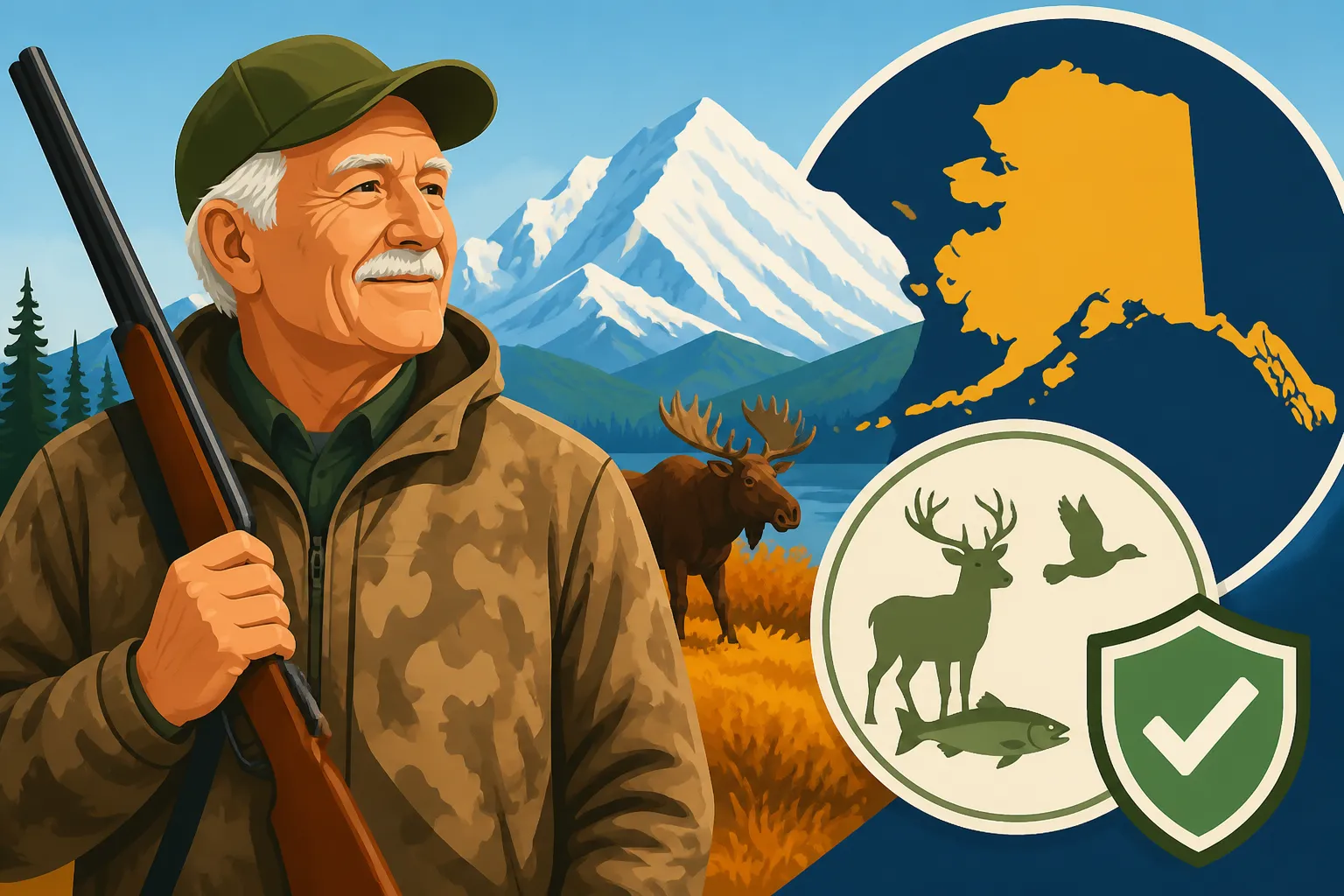
Alaska Senior Resident License Rules
Navigating the world of Alaska hunting as a senior resident can sometimes feel like trying to decipher an ancient map written in a language you almost understand. You've put in your time, lived in this magnificent state, and contributed to its wild heritage, so it’s only fair that you get some well-deserved considerations when it comes to enjoying our incredible hunting opportunities. This guide is dedicated to breaking down the Alaska senior resident hunting license rules, making sure you know exactly what benefits you're entitled to and how to make the most of them without any frustrating surprises.
Understanding Eligibility for Alaska's Senior Resident Hunting License
First things first, let's talk about what actually qualifies you for a senior resident hunting license in Alaska. It's not just about getting a few grey hairs or reaching a certain milestone birthday in any state. Alaska has specific criteria, and it's essential to meet them all to take advantage of this fantastic benefit.
The Age Requirement and Residency Verification
To qualify for an Alaska senior resident hunting license, you must be 60 years of age or older. Simple enough on the surface, right? But here's where the "resident" part truly matters. You can't just turn 60, move to Alaska, and expect to immediately qualify. The Alaska Department of Fish and Game (ADF&G) has pretty clear-cut definitions for what constitutes a "resident." Generally, this means you've maintained a permanent place of abode in Alaska for the preceding 12 consecutive months and don't claim residency in any other state or country. You also can't obtain a resident license in another state or register to vote elsewhere. They’re looking for a genuine commitment to the Last Frontier as your permanent home. This ensures that the benefits are reserved for those who have truly made Alaska their home. Think about it – we all want these resources managed for the long-term residents who live, work, and recreate here year-round.
For folks who have lived here for decades, this is usually a straightforward process. You've got your Alaska driver's license, your voter registration, and all the typical proofs of residency. For newer residents, even if you’re over 60, you'll need to ensure you've met that full 12-month mark before you can apply for the senior resident license. It might feel like a bit of a bureaucratic hurdle, but it's there to protect the integrity of our resident-specific programs. Getting your ducks in a row with your residency proof is just as important as knowing your calibers and ethical shot placement. You can find more detailed information on general residency requirements by looking into topics like What an Alaska Resident Pays for a Hunting License.
The "Free" Aspect and What It Covers
One of the most appealing aspects of the Alaska senior resident hunting license is that it's free. Yes, you read that right – zero dollars for the base hunting license itself. This is a huge benefit, especially when you consider the cost of licenses for other residents or nonresidents.
However, it’s crucial to understand what this "free" license actually covers and, perhaps more importantly, what it doesn't cover. The free license applies to your base hunting license. It grants you the privilege to hunt small game, furbearers, and those species that only require a harvest ticket. What it does not do is exempt you from purchasing individual locking tags for big game species like moose, caribou, brown bear, black bear, sheep, or goat. Nor does it exempt you from the application fees for draw permits or the fees associated with those permits if you are successful.
So, while your wallet gets a break on the fundamental right to carry a firearm and pursue some critters, you'll still need to budget for those high-value big game tags and draw applications. For instance, if you're planning a moose hunt, you’ll still need to buy that Alaska moose locking tag. The same goes for caribou or bear. This distinction is really important to grasp because it's a common area of confusion. Many folks assume "senior license" means "free hunting across the board," and that's just not the case for our larger, highly managed species. You’re getting a fantastic deal on the general license, but the state still needs revenue from those sought-after big game hunts to fund critical wildlife management and enforcement.
Here's a quick look at the typical structure:
| License Type | Age Requirement | Cost for Base Hunting License | Additional Costs/Requirements |
|---|---|---|---|
| Resident General | 18-59 | Annual Fee | Locking Tags, Draw Permit Fees, Federal Duck Stamp |
| Resident Senior | 60+ | FREE | Locking Tags, Draw Permit Fees, Federal Duck Stamp |
| Nonresident General | All ages | Annual Fee (Significantly Higher) | Locking Tags, Draw Permit Fees, Federal Duck Stamp, Guide Requirement for certain species |
As you can see, the "free" aspect is a significant saving and a well-deserved perk for long-time Alaskan seniors. Just remember to account for those other necessary expenditures when planning your adventures.
The Application Process for Your Senior License
Getting your senior resident hunting license is, thankfully, a pretty straightforward process these days. The ADF&G has made great strides in making their services accessible, whether you prefer to do things online from the comfort of your home or in person.
Online Application and Renewal
The easiest and most convenient way to obtain your Alaska senior resident hunting license is through the ADF&G's online licensing system. If you've ever bought a license online before, it’s much the same process. You’ll simply navigate to the ADF&G website, create an account or log in to your existing one, and proceed to the license purchase section. When you input your birth date, the system should automatically recognize your eligibility for the senior resident license if you meet the age and residency requirements it has on file.
Once processed, you can often print a temporary license immediately, and your physical license card will be mailed to you. This digital convenience is a real game-changer for many hunters, especially those who might live a good distance from a physical vendor. It means you can apply anytime, day or night, without having to rush out during business hours. For detailed steps on the broader process, you might find guides like Buying an Alaska License Online helpful.
Keep in mind that while the base license is free, you will still need to proactively apply for it each year, just like any other license. It doesn't automatically renew or carry over. The hunting regulatory year in Alaska typically begins July 1st, so many hunters apply for their new licenses around late June or early July to be ready for the upcoming seasons. A proactive approach is always best to avoid any last-minute stress or delays when a season opens.
In-Person Options and Assistance
For those who prefer a more personal touch, or if you run into any snags with the online system, you can always visit an ADF&G office or a licensed vendor. Many sporting goods stores, general stores in rural communities, and some grocery stores are authorized to sell hunting licenses. When you go in person, simply inform the vendor that you are applying for a senior resident hunting license. They will ask for your identification and proof of residency if they don't have it on file.
Bringing along your Alaska driver's license, state ID, or other proof of residency is always a good idea, just to smooth out the process. This is particularly useful if you’ve recently turned 60 or if it's your first time applying for this specific license. The staff at ADF&G offices are generally very helpful and can walk you through any questions you might have about your eligibility, what tags you need for specific hunts, or even how to navigate other regulations. It's a great opportunity to pick up a physical copy of the current Alaska Hunting Regulations booklet, which is an invaluable resource for any hunter.
For those who might have accessibility concerns or less reliable internet access, the in-person option remains a vital pathway to obtaining your license. Don't hesitate to utilize these resources.
Key Considerations for Senior Resident Hunters
Beyond simply getting your license, there are a few other important aspects that senior resident hunters in Alaska should keep in mind to ensure a smooth and enjoyable hunting season. These cover everything from ongoing regulatory compliance to practical planning.
Hunter Education Requirements
Even with a senior resident hunting license, you are still subject to Alaska's hunter education requirements. This often comes as a surprise to older hunters who have been hunting for decades without such a requirement in their younger years. In Alaska, generally, anyone born on or after January 1, 1986, must have successfully completed a hunter education course approved by the ADF&G to hunt big game or small game with a firearm.
If you fall into this age bracket, you will need to provide proof of completion when you apply for your license. This isn't just a recommendation; it's a legal requirement designed to ensure safety and ethical hunting practices in the field. Even if you're an experienced hunter, these courses cover important topics like firearm safety, ethical shot placement, game recovery, and understanding Alaska's unique regulations. It’s an investment in the future of hunting and a good refresher for everyone. For more details, you can refer to information on Alaska Hunter Education Card Requirements.
For those born before January 1, 1986, this particular requirement typically doesn't apply. However, continuous learning and staying updated on regulations is always a smart move for any hunter, regardless of age.
Harvest Reporting and Locking Tags
Remember earlier when we talked about still needing locking tags for big game? Well, that comes with another responsibility: harvest reporting. Every time you harvest a big game animal that required a locking tag or a registration permit, you are legally obligated to report that harvest to ADF&G. This is absolutely critical for wildlife management. Without accurate harvest data, biologists can’t effectively manage populations, set quotas, or adjust seasons. Missing a harvest report can lead to fines and even loss of hunting privileges, so it’s not something to take lightly.
The reporting methods vary slightly depending on the species and the type of tag or permit, but generally, it involves either mailing in a physical report card, reporting online, or reporting in person at an ADF&G office. Make sure you understand the specific reporting deadlines for each species you hunt. For example, some harvest tickets have a 15-day reporting deadline after the kill. This is especially vital when dealing with species like moose and caribou, where population dynamics are closely monitored. It’s also where a tool like GoHunt can be invaluable, as many services now integrate information on reporting requirements directly into their platform, helping you keep track of crucial deadlines. You can learn more about this by reading up on Alaska Harvest Report Deadline After the Hunt.
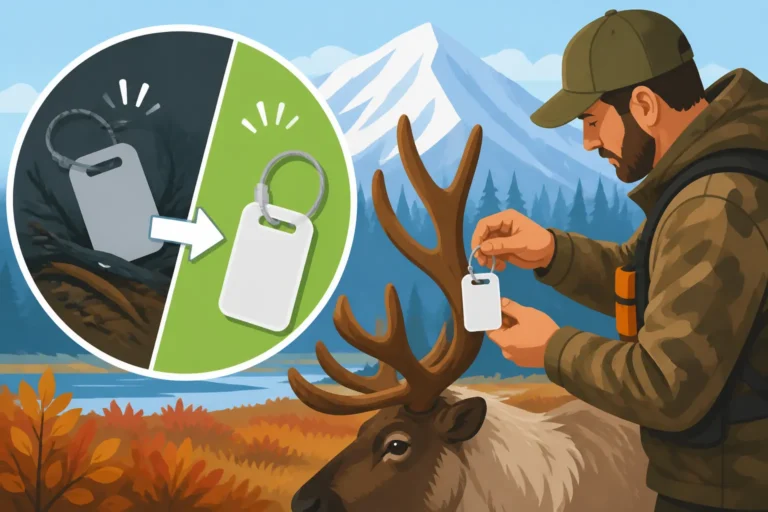
Similarly, when you do purchase and use a locking tag, remember the rules about physically attaching it to the animal immediately after the kill and ensuring it remains attached until the animal is processed or sealed, if required. These rules are in place to prevent misuse and ensure accountability.
Utilizing Resources and Staying Informed
Alaska's hunting regulations are complex and can change annually. As an experienced hunter, you know the importance of staying informed. The ADF&G website is an incredible resource, offering current regulations, emergency orders (which can open or close seasons unexpectedly), and detailed information on specific hunt units and species. Many senior hunters find it helpful to download the ADF&G's free hunting regulations app for their smartphone or tablet, which puts all the rules right at their fingertips, even in areas without cell service. GoHunt also offers fantastic tools for researching specific units, drawing odds, and season dates, which can be particularly useful when planning for special draw hunts.
Another great resource is local sporting goods stores and guide services. They often have the most up-to-date local knowledge and can provide insights into current conditions, game movements, and any recent regulatory changes that might affect your planned hunt. Don't be afraid to ask questions; experienced hunters are always learning, and local expertise can be invaluable. This proactive approach ensures you're hunting legally and ethically, allowing you to focus on enjoying your time in Alaska's amazing wilderness. Always cross-reference what you hear with the official ADF&G regulations to be absolutely sure. Planning is key, whether you're trying to figure out Alaska Moose Hunting Tactics for the September Rut or simply confirm season dates for a local black bear hunt.
Physical Fitness and Safety
While not directly a license rule, it's worth emphasizing the unique physical demands of hunting in Alaska, especially as we age. Even a relatively "easy" road-system hunt can involve uneven terrain, heavy lifting, and unpredictable weather. As senior residents, it's important to be realistic about your physical capabilities and plan hunts accordingly. Consider less strenuous options like boat-based deer hunting on Alaska's island coastlines if steep mountain climbing isn't in the cards.
Prioritize safety always. Hunt with a partner when possible, carry appropriate communication devices like a satellite messenger (even if you’re only going out for a day trip), and let someone know your plans. Don't push yourself beyond your limits. The goal is to enjoy the hunt safely and come home healthy. Alaska's wilderness is unforgiving, and a lifetime of experience is your greatest asset in respecting its power.
Maximizing Your Senior Resident Hunting Benefits
The senior resident hunting license is more than just a piece of paper; it’s a recognition of your long-standing connection to Alaska and its wild places. With a bit of planning and an understanding of the rules, you can really make the most of these benefits.
Exploring Diverse Hunting Opportunities
With your free base license, you have the flexibility to pursue a wide array of small game species and furbearers without additional license costs. This opens up many opportunities for year-round recreation, from chasing ptarmigan in the alpine to setting snares for snowshoe hare near your cabin. These hunts can be incredibly rewarding and often provide meat for the table or valuable furs, without the significant financial outlay of big game tags. They’re also a fantastic way to stay active, sharpen your hunting skills, and spend time outdoors. Consider targeting species like spruce grouse in the interior or exploring waterfowl hunting if you have access to good duck and goose habitat.
Don't overlook the simple pleasure of a small game hunt. While the allure of a giant bull moose or a majestic Dall sheep is powerful, these smaller hunts often offer a more accessible and frequent way to enjoy the Alaskan wilderness. They also allow you to explore different areas, fine-tune your tracking skills, and simply appreciate the smaller details of the ecosystem.
Strategic Planning for Big Game Draws and Tags
Even though locking tags and draw permits still cost money, the savings on your base license free up funds that can be strategically allocated. This means you might be able to apply for more draw permits or consider a slightly pricier locking tag for a dream hunt. Using tools like GoHunt to analyze draw odds and research specific units can give you a significant advantage. This platform often provides detailed breakdowns of success rates, access points, and historical harvest data that can inform your choices.
For instance, if you're really hoping to draw a bison permit at Delta Junction or apply for one of the coveted muskox permits, every dollar saved on your general license is a dollar that can go towards making those dream hunts a reality. Understanding the Alaska Draw Application Opening Date and application windows is critical for these limited-entry opportunities. Moreover, for species that only require a locking tag, knowing the cost difference for a Caribou Tag Price for an Alaska Nonresident versus a resident helps contextualize your savings.
The key is to use your free base license as a foundation, then build your hunting strategy on top of it, leveraging the financial flexibility it provides to pursue the specific species and experiences you value most. This thoughtful approach ensures you're making the most of your senior resident benefits and enjoying the unparalleled hunting opportunities Alaska offers.
Conclusion
The Alaska senior resident hunting license program is a genuine recognition of the contributions and long-term residency of our elders. Offering a free base hunting license is a fantastic way to ensure that those who have dedicated their lives to this state can continue to enjoy its incredible hunting heritage. While it doesn't cover every single cost, understanding the specific rules, particularly regarding locking tags and draw permits, is key to maximizing these benefits. By staying informed, planning strategically, and always prioritizing safety, senior residents can continue to experience the wild beauty and abundant game of Alaska for many years to come. Enjoy your hunts, and may your time in the field be filled with rewarding experiences and cherished memories.
Disclaimer
This guide is intended for informational purposes only and is not a substitute for the official Alaska Department of Fish and Game hunting regulations. Hunters are responsible for knowing and abiding by all current regulations. Always consult the most recent ADF&G hunting regulation booklets and emergency orders before heading into the field.