Replacing a Lost Alaska Locking Tag
There’s a special kind of dread that washes over you when you reach into your hunting pack, feeling for that crucial Alaska locking tag, and it simply isn't there. Whether it vanished on the hike in, slipped out during a river crossing, or was simply misplaced in the flurry of camp setup, a lost tag can throw your entire Alaska hunt into a tailspin, jeopardizing not only your opportunity but also your legal standing. This guide is here to walk you through the precise steps to take if you find yourself in this all-too-common, anxiety-inducing situation, helping you understand how to replace a lost Alaska locking tag and get back on track.
The Absolute Criticality of Alaska Locking Tags
Before we dive into the "how-to" of replacement, it's vital to understand why an Alaska locking tag is so incredibly important. These aren't just pieces of paper; they are your legal authorization to harvest a specific species of big game in Alaska, and without one, your hunt is effectively over before it begins, or worse, could lead to serious legal trouble.
Legal Ramifications of a Missing Tag
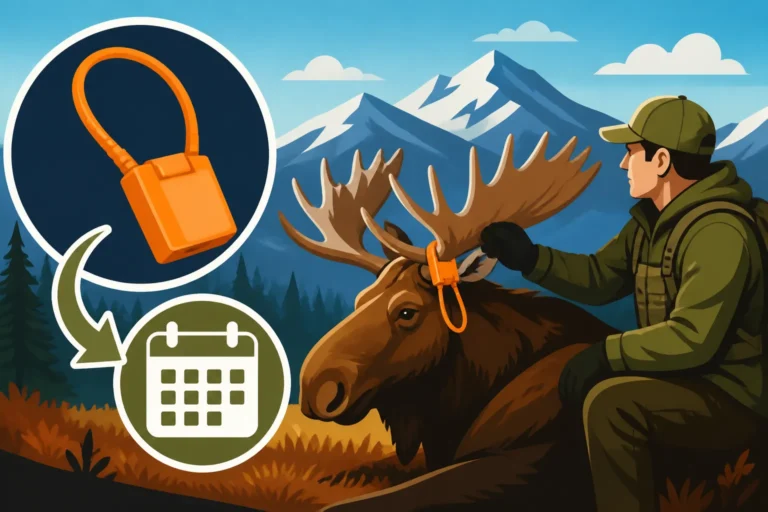
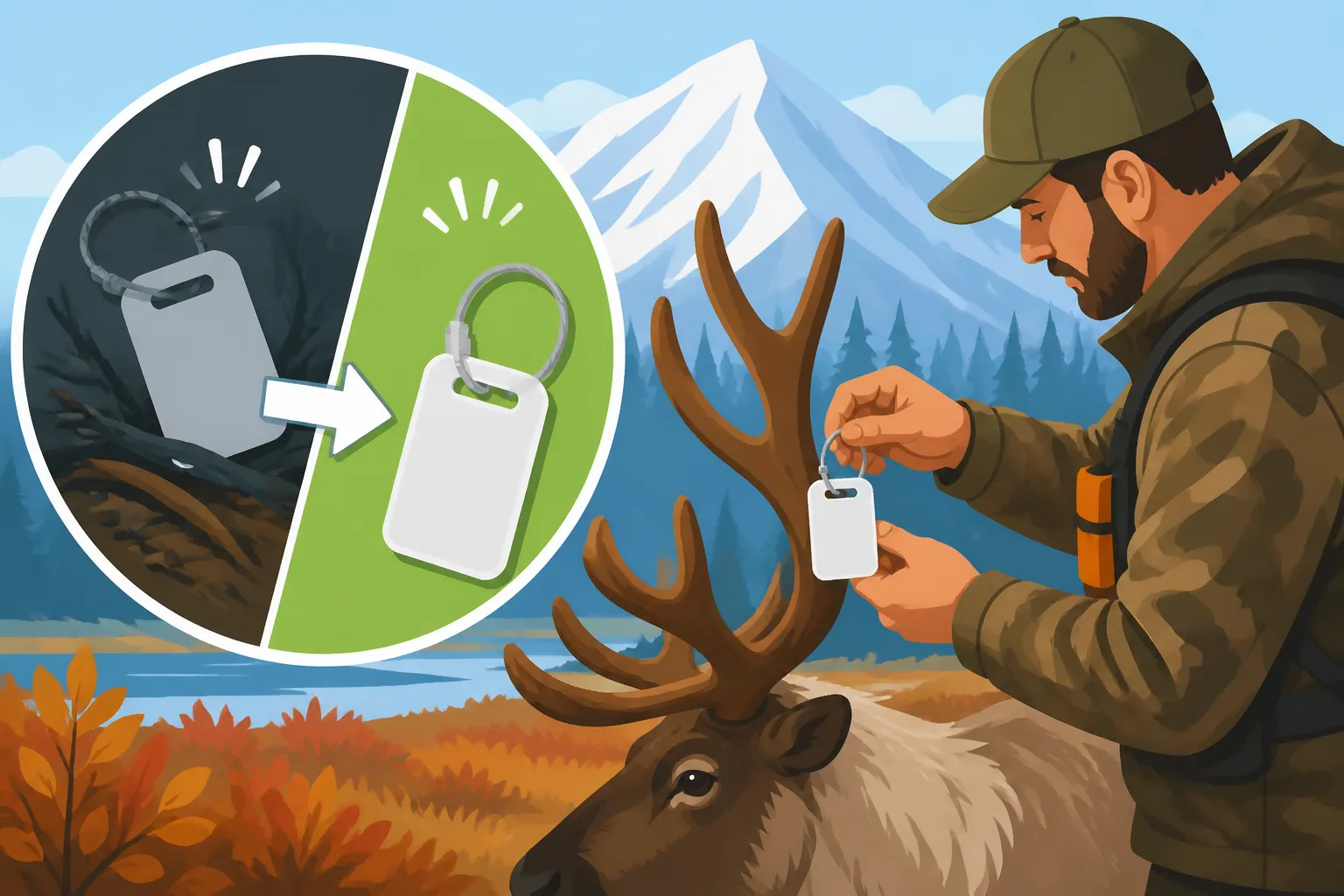
In Alaska, a locking tag is more than a formality; it's a physical, numbered seal that must be securely affixed to the animal immediately after a kill. Without it, you cannot legally transport or possess the game. Imagine you've just put in a grueling ten-day backpack hunt, finally connected with a magnificent bull moose, and then realize your locking tag is gone. That moment of triumph could instantly turn into a nightmare. Possessing big game without a valid tag attached to it is a serious violation of Alaska hunting regulations, often resulting in significant fines, confiscation of the game, loss of hunting privileges, and even jail time in severe cases. It’s not a situation where a game warden will typically offer leniency. They simply can’t, as it underpins the entire regulatory system designed to manage wildlife. The state takes its game management very seriously, and these tags are a cornerstone of that system.
Impact on Your Hunting Plans
Beyond the legal penalties, the absence of a locking tag can completely derail your hunting plans. If you haven't harvested an animal yet and discover your tag is missing, you are, by definition, unable to hunt that species until you secure a replacement. This means precious days of your hard-earned and often expensive hunt could be lost. For many, an Alaska hunt is a once-in-a-lifetime endeavor, requiring years of planning and significant financial investment. Losing even a single day due to a misplaced tag can be heartbreaking. Furthermore, if you're on a guided hunt, a lost tag impacts not only your time but also your guide's reputation and schedule. It creates a domino effect that can complicate logistics, especially in remote areas where replacement isn't as simple as driving to the nearest sporting goods store. This is why a detailed understanding of Alaska Big Game Locking Tags and What Each Costs is so crucial before you even step foot in the field.
Immediate Steps When You Realize Your Tag Is Gone
The moment you discover a locking tag is missing, don't panic, but do act quickly and methodically. Your swift response can often make the difference between a minor setback and a major crisis.
Retracing Your Steps and Initial Search
The very first thing to do is retrace your steps. Think back to the last time you positively remember seeing or touching the tag. Was it when you checked your license at the airport? When you transferred gear from the plane to the boat? While setting up your tent in camp? Systematically go through your pack, pockets, sleeping bag, tent, and anywhere else it could have been placed. Shake out your rain gear and examine the ground around your camp. Many times, a "lost" item is merely misplaced, having fallen out of a pocket or a loosely zipped compartment. In a remote Alaska camp, every square foot needs to be meticulously searched. If you were Backpack Hunting in Alaska: Gear Weight and Meat Loads, you know how many times you might have shifted your pack, giving a loose tag an opportunity to escape.
Gathering Necessary Documentation
Even if you successfully find your original tag, it's a good practice to always have copies of your hunting license and tags. If you don't find it, having this information readily available will be critical for the replacement process. Before any hunt, you should always create digital copies (photos on your phone, scans in cloud storage) and physical copies (laminated cards, paper printouts) of your hunting license, all locking tags, and any permits. Note down the specific tag number that is missing. This information will be requested by the Alaska Department of Fish and Game (ADF&G) to verify your purchase and facilitate a replacement. Think of it like carrying a spare car key – you hope you never need it, but you'll be endlessly grateful if you do.
Contacting Alaska Department of Fish and Game (ADF&G)
Once you've thoroughly searched and confirmed the tag is genuinely lost, the next immediate step is to contact ADF&G. While in the field, this might mean using a satellite messenger like an InReach or a satellite phone, which is why Signal Devices and Check-In Plans for Solo Alaska Hunts are so important. Explain your situation clearly and calmly. They will be able to guide you through the specific procedures for replacement, which can sometimes vary slightly depending on your location and the urgency of your situation. Be prepared to provide your name, date of birth, hunting license number, the species for which the tag was issued, and the specific tag number if you have it. They may also ask for the circumstances of the loss. This initial contact is crucial for understanding your options and ensuring you remain compliant with state regulations.
Navigating the Replacement Process: ADF&G and Vendors
Replacing a lost Alaska locking tag isn't as complicated as it might seem, but it does require attention to detail and understanding the available avenues.
Online Replacement Process
For many hunters, especially those operating near areas with cell service or internet access, the easiest way to replace a lost locking tag is through the Alaska Department of Fish and Game's online licensing system. This is the same portal where you likely purchased your initial license and tags.
- Log In to Your Account: Access the ADF&G online licensing portal. You'll need your customer ID and password.
- Navigate to Your Purchase History: Once logged in, look for a section that displays your current licenses and tags or your purchase history.
- Initiate a Replacement Request: There should be an option to request a replacement for a lost or destroyed tag. You'll typically be asked to confirm the specific tag you need replaced and attest that the original is indeed lost or unusable.
- Pay the Replacement Fee: There is usually a nominal fee for replacing a lost tag. This fee must be paid before the new tag is issued.
- Print Your New Tag: Once the payment is processed, you'll be able to print a replacement tag. This new tag will have a unique number and will invalidate the original lost tag. Crucially, this printed tag acts as your legal locking tag. Make sure to print several copies and protect them from the elements.
This online method is generally the fastest and most convenient, assuming you have internet access. It’s also often recommended to print this replacement on sturdy, waterproof paper or laminate it if possible, to prevent a repeat incident. Keep in mind that some species, particularly those requiring specific Alaska Hunter Education and Orientation Requirements, might have additional steps, but for standard locking tags, the online system is quite efficient.
In-Person Replacement at ADF&G Offices or Vendors
What if you're deep in the bush, miles from Wi-Fi, or your hunt is starting in mere hours and you need a physical tag now? In such cases, an in-person replacement is your best bet.
- Visit an ADF&G Office: The main ADF&G offices in Anchorage, Fairbanks, and Juneau, as well as several smaller regional offices, can process replacement tags. They have staff dedicated to assisting hunters with these kinds of issues.
- Authorized License Vendors: Many sporting goods stores, general stores in smaller communities, and even some air taxi services are authorized vendors for Alaska hunting licenses and tags. These vendors can also issue replacement locking tags. This is often a lifesaver in small towns like Cordova, King Salmon, or McGrath, which are hub points for many remote hunts.
- Required Information: Whether you go to an ADF&G office or an authorized vendor, you'll need to provide your identification (driver's license or state ID), your hunting license number, and details about the lost tag. Having those copies and notes from your initial documentation step will really pay off here.
- Fill Out a Form: You may be required to fill out a short affidavit stating the tag was lost or destroyed and has not been used.
- Pay the Fee and Receive Your New Tag: After paying the replacement fee, you will be issued a new physical locking tag. This is a solid, waterproof tag identical to your original, and it immediately nullifies the old one.
This option is invaluable for hunters who find themselves in a bind close to their hunting area or when technological access is limited. Many hunters use resources like GoHunt to stay on top of regulations and locate these vendor locations ahead of time, ensuring they know where to go in an emergency.
Understanding Replacement Fees and Processing Times
The fee for replacing a lost Alaska locking tag is typically minimal, often around $5. This fee is meant to cover administrative costs, not to penalize you for the loss. It’s a small price to pay to save your hunt. However, the true cost can be in lost hunting time or additional travel expenses if you have to divert from your plan to reach a vendor or office.
Processing times are generally immediate for both online and in-person replacements. Online, once you've paid, the PDF is usually available instantly. In person, it's a matter of minutes to fill out the form and have the new tag printed and issued. The main "processing time" comes down to how long it takes you to access the system or reach a physical location. For hunters operating out of remote areas, this could involve a bush plane flight, adding significant time and cost. This is why making your initial contact with ADF&G quickly is so important; they can sometimes offer creative solutions or advice for your specific remote situation. Just remember that the cost of What an Alaska Moose Tag Adds to a Hunt Budget is already significant, so don't let a small replacement fee deter you from securing a legal tag.
| Replacement Method | Accessibility (Typical) | Speed of Issuance | Required Info | Cost (Approx.) | Best For |
|---|---|---|---|---|---|
| Online Portal | Internet/Cell Service | Immediate (PDF) | Hunter ID, License #, Species, Tag # | $5 | Pre-hunt, accessible camps, quick turnaround |
| ADF&G Office | Near major towns/cities | Immediate (Physical) | Photo ID, License #, Species, Tag # | $5 | Major emergencies, complex issues, no internet |
| Authorized Vendor | Many small towns/hubs | Immediate (Physical) | Photo ID, License #, Species, Tag # | $5 | Remote access points, last-minute needs |
Preventative Measures: Keeping Your Tags Secure
The best way to deal with a lost tag is to prevent it from happening in the first place. A little foresight and careful planning can save you a world of trouble and stress when you're out in the Alaskan wild.
Secure Storage in the Field
One of the simplest yet most effective preventative measures is to ensure your tags are stored securely. Don't just toss them loosely into a pocket.
- Waterproof Container: Always store your tags, along with your license and other important documents, in a sturdy, waterproof container or bag. A small, hard-sided Pelican case, a heavy-duty Ziploc bag, or a specialized document wallet designed for outdoor use can work wonders. This not only prevents loss but also protects them from the inevitable moisture of an Alaska hunt, whether it's coastal rain or condensation in your tent. For gear that will survive tough conditions, consider Archery Tackle That Survives Ten Days of Rain which often highlights the need for waterproof storage solutions across the board.
- Designated Pouch: Keep them in a specific, zippered, and often internal, pouch within your main backpack or a smaller day pack that you always carry. Avoid external pockets or those with easily snagged zippers.
- Lanyard or Clip: Consider punching a small hole in the non-essential part of your tag (away from any numbers or barcodes) and attaching it to a lanyard that you wear, or clipping it inside a secure pocket with a small carabiner. This adds an extra layer of security.
Pre-Hunt Documentation and Backup
As mentioned earlier, comprehensive documentation before you even leave home is non-negotiable.
- Physical Copies: Print multiple copies of your license and all tags. Laminate them if possible. Keep one set in your primary pack, another in your duffel back at base camp or the lodge, and a third with your travel documents.
- Digital Copies: Take clear photos of your license and all tags with your smartphone. Email them to yourself, store them in a cloud drive (like Google Drive or Dropbox), and consider texting them to a trusted contact back home. This way, if your gear is lost or destroyed, you still have access to the critical information needed for replacement. When planning your hunt, platforms like GoHunt often allow you to digitally store your licenses and permits, creating a centralized, accessible backup. This is a game-changer for organization.
- Record Tag Numbers: Write down all your locking tag numbers in a separate notebook or on a piece of paper that you keep with your primary ID. This way, even if you lose all copies, you still have the unique identifiers necessary for ADF&G to verify and replace them.
The Buddy System and Shared Responsibility
Hunting in Alaska, whether for caribou or a brown bear, is often a team effort. Extend that teamwork to tag security.
- Share Information: If you're hunting with a partner or a group, ensure at least one other person has copies of your license and tag information, and vice versa. In an emergency, they can assist with the replacement process or help you relay information to ADF&G.
- Double-Check Each Other: Before heading out for the day's hunt, make it a habit to quickly check that everyone has their necessary documentation. A quick "Got your tag, partner?" can prevent a frantic search later. This shared responsibility can be especially helpful when you're focusing on other crucial aspects of the hunt, like planning your approach to a game-rich area or ensuring you adhere to Camping Limits on Alaska State Land.
- Designate a "Document Keeper": In a group, one person might be designated to carry all critical documents for the team in a central, highly secure location. This reduces the number of places a tag could be lost from.
By adopting these preventative measures, you significantly reduce the risk of losing your precious Alaska locking tags, allowing you to focus on the incredible experience of hunting in the Last Frontier without the crushing worry of a misplaced piece of paper. The peace of mind alone is worth the extra effort.
Disclaimer
The information provided in this guide is for general informational purposes only and does not constitute legal advice. Hunting regulations in Alaska are complex and subject to change. Always consult the official Alaska Department of Fish and Game regulations, current emergency orders, and relevant state and federal laws before and during your hunt. It is the individual hunter's responsibility to understand and comply with all applicable regulations.