Alaska Deer Harvest Ticket Requirement
Navigating the myriad of permits and regulations for hunting in Alaska can feel like trying to untangle a stubborn knot, especially when it comes to something as specific as a deer harvest ticket. Many hunters, even seasoned ones, often find themselves scratching their heads, wondering if this is yet another fee or a separate draw, and what exactly it entails. This guide aims to clear up all that confusion, walking you through the ins and outs of the Alaska deer harvest ticket requirement, ensuring you're fully prepared and compliant for your next Sitka blacktail hunt.
The Basics of Alaska's Deer Harvest Ticket
Let's cut right to the chase: an Alaska deer harvest ticket is a mandatory, free permit you must obtain in addition to your regular hunting license if you plan to hunt deer in the state. It's not a tag you pay for, like a locking tag, nor is it a drawing permit you apply for. Think of it as a data collection tool, a way for the Alaska Department of Fish and Game (ADF&G) to gather vital information about hunting effort and success for specific species like deer.
Distinguishing Harvest Tickets from Other Permits
One of the biggest sources of bewilderment for hunters new to Alaska, or even those just focused on general season hunts, is understanding the difference between the various pieces of paper (or digital files) they might need. You've got your basic hunting license, which is your right to hunt. Then there are locking tags, which are essentially costly stamps required for certain high-value big game animals like moose, caribou, brown bear, and sheep, indicating you've paid for the privilege to take that specific animal. Next, you encounter draw permits and registration permits, which are competitive or quota-based systems for managing harvest in specific areas or for particular species.
A harvest ticket, however, is simpler. It's an informational permit that, for species like deer, you can typically obtain readily once you have your valid Alaska hunting license. It doesn't cost anything extra beyond your license, and it doesn't limit your success rate based on a lottery or a closing quota, at least not directly. Its primary function is to collect data, which is crucial for managing game populations effectively. For a deeper dive into the overall system, you might want to read our comprehensive guide on Alaska Harvest Tickets, Registration Permits and Draw Permits.
The Purpose Behind Deer Harvest Tickets
So, why bother with a separate piece of paper for deer, especially when it's free? The answer lies in wildlife management. Deer populations in Alaska, particularly the Sitka blacktail deer found in the coastal regions, can fluctuate quite dramatically due to harsh winters, habitat changes, and predation. To make sound decisions about season lengths, bag limits, and even future hunting opportunities, ADF&G needs precise data.
Your deer harvest ticket is the mechanism for collecting that data. By requiring you to obtain one and then report your harvest (or even non-harvest), the department can track hunter numbers, effort expended (how many days people hunted), and success rates in different units. This allows biologists to:
- Monitor population trends: Are more or fewer deer being taken each year?
- Assess hunting pressure: How many hunters are pursuing deer in a given area?
- Evaluate regulatory changes: Did a change in bag limit or season length have the desired effect?
- Detect potential issues: Are success rates dropping significantly, indicating a population decline?
Without this data, wildlife management would be largely guesswork. It's a small administrative step for hunters, but it provides invaluable information that ultimately benefits the resource and future hunting opportunities.
Your Step-by-Step Guide to Getting a Deer Harvest Ticket
Acquiring your Alaska deer harvest ticket is thankfully a straightforward process, designed to be as convenient as possible. Whether you prefer the digital route or a more traditional in-person visit, ADF&G has options available. Remember, you'll need a current Alaska hunting license first. For non-residents, understanding the Nonresident Hunting License Costs in Alaska is a crucial first step.
Online Acquisition Through the GoHunt System
In this digital age, the easiest and most popular method for obtaining your deer harvest ticket is online through the Alaska Department of Fish and Game's licensing and permit system, often accessed via the GoHunt platform. It's designed to be user-friendly, allowing you to secure your permits from anywhere with an internet connection, which is a huge convenience when you're planning a trip to a remote area.
Here's a general breakdown of the online process:
- Visit the ADF&G Licensing Website: Head to the official Alaska Department of Fish and Game website and navigate to their online license and permit sales portal. This is often branded or integrated with GoHunt.
- Log In or Create an Account: If you've purchased licenses or permits in Alaska before, you'll likely have an existing account. If not, you'll need to create one, providing your personal details.
- Purchase Your Hunting License: Ensure you have a valid Alaska hunting license for the current regulatory year. You can purchase this directly through the same online system if you haven't already. Residents will find that What an Alaska Resident Pays for a Hunting License is a significant advantage.
- Select "Harvest Tickets": Look for a section dedicated to harvest tickets or permits. Deer harvest tickets are typically listed under their respective game species.
- Add to Cart and "Checkout": While the deer harvest ticket is free, you still need to "purchase" it through the system. Follow the prompts to add it to your cart and complete the transaction. You won't be charged, but this step formalizes its issuance.
- Print or Save Electronically: Once issued, you'll have the option to print your harvest ticket immediately. It's always a good idea to print a physical copy to carry with you in the field, as electronic devices can fail in harsh Alaskan conditions. However, many hunters also save a digital copy on their phone or tablet for backup.
The GoHunt system is generally reliable, but always double-check that your printer is working or that your file has saved correctly before heading into the backcountry.
In-Person Options and Important Considerations
While online acquisition is convenient, sometimes you need to get your permits the old-fashioned way, or perhaps you've arrived in Alaska and realized you forgot a crucial step. ADF&G provides several in-person options:
- ADF&G Offices: You can visit any Alaska Department of Fish and Game office during business hours. Their staff can assist you in purchasing your license and issuing your deer harvest ticket. This is a great option if you have questions or need clarification on specific regulations for your hunting unit.
- Authorized License Vendors: Across the state, numerous sporting goods stores, general stores, and even some remote air taxi services act as authorized license vendors. These businesses are equipped to sell hunting licenses and often issue harvest tickets. It's wise to call ahead to ensure they offer the specific services you need, especially in smaller, more isolated communities.
When obtaining your harvest ticket in person, remember to:
- Bring Valid Identification: You'll need to present a valid ID.
- Know Your Hunt Details: While not always required to issue the ticket, having an idea of which game management unit (GMU) you plan to hunt in can be helpful if you have questions about specific local regulations.
- Ask Questions: This is your opportunity to clarify any uncertainties about bag limits, season dates, or specific rules for areas like Hunting Sitka Blacktail Deer in the Alpine Before Snow or Deer Above Timberline in Early August.
No matter how you get it, ensure you have your deer harvest ticket in your possession before you begin hunting.
Essential Rules: Carrying, Validation, and Reporting
Obtaining your deer harvest ticket is just the first step. To remain fully compliant with Alaska's hunting regulations, you need to understand what to do with it after you harvest a deer and the critical importance of reporting. Ignoring these steps can lead to penalties and compromise the valuable data ADF&G relies upon.
Validation and Attaching Your Harvest Ticket
Once you've successfully harvested a deer, the first thing you need to do, after ensuring the animal is dispatched safely and ethically, is to validate your harvest ticket. This is a crucial step that legally "tags" your animal and signifies that you've fulfilled your obligation to report a kill.
The validation process typically involves:
- Notching or Punching: Your physical harvest ticket will have specific instructions, usually requiring you to notch or punch out the date of kill (day and month) and possibly the hour. Some tickets may ask you to remove specific tabs.
- Attaching to the Carcass: The validated harvest ticket must then be physically attached to the deer carcass. This is often done by securely tying it to the horn, ear, or leg in a way that it won't easily fall off. Use a waterproof zip-tie or sturdy string if possible. This ensures that any game warden inspecting your kill can immediately verify its legality.
It's vital that you complete this validation process immediately after the kill, before moving the animal from the kill site. Failure to do so could be interpreted as attempting to hide or illegally harvest an animal. This is a common pitfall that can easily be avoided with proper preparation.
Meeting the Alaska Deer Harvest Report Deadline
Validation is just one part of the reporting equation. The second, equally important step, is submitting a harvest report to ADF&G. This is where the actual data collection for management purposes comes into play.
For deer in Alaska, harvest reporting deadlines are strict: you typically must report your harvest within a specific timeframe after the close of the hunting season for the game management unit you hunted in. It's often 15 days or less, but always check the current regulatory booklet for the precise deadline applicable to your specific hunt area and species. For more detailed information on general reporting rules, see Alaska Harvest Report Deadline After the Hunt.
You can submit your harvest report in several ways:
- Online through GoHunt: The easiest method is usually to return to the GoHunt portal where you obtained your ticket. There will be a section for submitting harvest reports. You'll enter details about your hunt, including the date of kill, GMU, sex of the animal, and general location.
- Mail-in Card: Some harvest tickets include a detachable mail-in report card. You fill this out and send it via postal service.
- In-person: You can also drop off your completed report at any ADF&G office.
Even if you didn't harvest a deer, you are often still required to report "no harvest." This "no harvest" data is just as valuable to biologists, as it indicates hunter effort without success, providing a clearer picture of population density and hunter experiences. Many states refer to this as a "mandatory unsuccessful report."
Penalties for Non-Compliance and Avoiding Common Errors
Alaska takes its wildlife regulations seriously, and penalties for non-compliance, even for something seemingly minor like a harvest ticket, can be significant.
- Failure to Obtain/Carry: Hunting without the required deer harvest ticket in your possession can result in a citation and fines.
- Failure to Validate: Notching or punching your ticket incorrectly, or failing to attach it immediately to the carcass, can lead to charges of unlawful possession of game.
- Failure to Report: Missing the harvest report deadline, whether you harvested an animal or not (if reporting is mandatory for unsuccessful hunters), can also result in fines and potential loss of hunting privileges.
To avoid these headaches:
- Read the Regulations: Always, always consult the current Alaska Hunting Regulations booklet. Regulations can change year to year, and unit by unit. This is your primary source of truth.
- Print Multiple Copies: For physical tickets, print several copies and keep one in your backpack, one in your truck, and one in your wallet.
- Know Your GMU: Be absolutely sure of the Game Management Unit you are hunting in, as specific rules and reporting requirements can vary.
- Set Reminders: Mark your calendar for reporting deadlines the moment you get your harvest ticket. Better yet, submit your report online as soon as you get home from your hunt.
It's a small effort for a big reward: ensuring the health of Alaska's deer populations and maintaining your good standing as a responsible hunter.
Deer Hunting Areas and Specific Harvest Ticket Nuances
While the general process for obtaining and reporting your deer harvest ticket is consistent across Alaska, the actual experience of deer hunting and the specifics of the regulations can vary significantly depending on where you plan to pursue these agile animals. Alaska's primary deer hunting opportunities are concentrated in its coastal regions, particularly for the Sitka blacktail deer.
Sitka Blacktail Deer Harvest in Southeast Alaska
Southeast Alaska, with its labyrinthine network of islands, temperate rainforests, and rugged coastlines, is the undisputed heartland for Sitka blacktail deer hunting. Units like Unit 1, which encompasses areas around Ketchikan, Juneau, and Petersburg, are renowned for their deer populations. When planning a hunt here, whether it's Pushing Deer Out of Southeast Alaska Timber or using a skiff to access remote beaches, your deer harvest ticket is essential.
In Southeast Alaska, deer seasons are often long, sometimes extending for several months, and bag limits can be quite generous (e.g., often 3-5 deer per regulatory year, depending on the specific unit and date ranges). This makes accurate harvest reporting via the harvest ticket even more critical for ADF&G to manage these populations effectively, especially given their susceptibility to severe winter die-offs. Hunters often take multiple deer over a season, which means meticulous record-keeping with their harvest tickets is key. You'll want to be familiar with specifics like Deer Populations on Prince of Wales Island or Deer Islands Around Petersburg and Wrangell for targeted information.
Kodiak and Other Coastal Deer Hunting Considerations
Beyond Southeast, another prime destination for Sitka blacktail deer is the Kodiak Archipelago (Game Management Unit 8), which includes Kodiak Island itself, Afognak, and Raspberry Island. Here, deer were introduced and have thrived, creating some fantastic hunting opportunities. The deer harvest ticket requirement applies equally here, and the importance of timely reporting is just as high. The terrain and weather conditions can be extremely challenging, so ensuring your physical harvest ticket is waterproofed and securely attached is paramount, especially when facing the notoriously wet coastal climate. Hunters accessing Kodiak's road system for deer, or flying into remote areas, will need to be diligent. More specific information can be found in articles like Deer Tags on Kodiak and What They Cost and Kodiak Nonresident Deer Bag Limit.
Other areas that occasionally offer deer hunting, albeit on a much smaller scale or through specific draw permits for transplanted species like elk, will also fall under similar harvest ticket or specific permit reporting rules. For general information on seasons across the state, always refer to Alaska Hunting Seasons and Tag Rules Explained.
In summary, while the deer harvest ticket is a relatively minor administrative hurdle, its role in responsible wildlife management is significant. By understanding its purpose, the simple steps to obtain it, and your critical reporting obligations, you contribute directly to the health of Alaska's deer populations for generations of hunters to come.
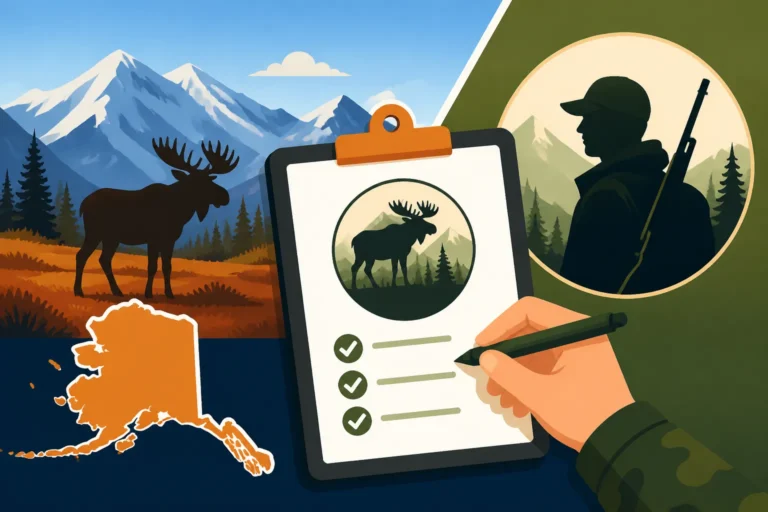
Table: Alaska Deer Harvest Ticket Checklist
To help keep everything straight for your next deer hunt in Alaska, here's a handy checklist:
| Step | Detail | Status (Check) |
|---|---|---|
| 1. Obtain Hunting License | Purchase your current year's Alaska hunting license (resident or nonresident). | |
| 2. Get Deer Harvest Ticket | Acquire your FREE deer harvest ticket online via GoHunt or from an authorized vendor. | |
| 3. Read Regulations | Review the current Alaska Hunting Regulations booklet for your specific GMU and deer season. | |
| 4. Carry Ticket | Ensure your validated deer harvest ticket is in your possession while hunting. (Print multiple copies!) | |
| 5. Harvest Deer | Successfully harvest a legal deer according to season dates and bag limits. | |
| 6. Validate Immediately | Notch or punch your harvest ticket for date and time of kill. | |
| 7. Attach to Carcass | Securely attach the validated ticket to the deer carcass (horn, ear, leg). | |
| 8. Report Harvest (or No Harvest) | Submit your harvest report online (GoHunt) or by mail within the specified deadline (e.g., 15 days after season close). | |
| 9. Keep Records | Retain a copy of your submitted report for your records. |
Disclaimer
The information provided in this guide is intended for general informational purposes only and does not constitute legal advice. Hunting regulations in Alaska are subject to change and vary by game management unit, species, and other factors. It is the individual hunter's responsibility to consult the most current official Alaska Department of Fish and Game hunting regulations prior to any hunt to ensure full compliance with all applicable laws and regulations.