Pushing Deer Out of Southeast Alaska Timber
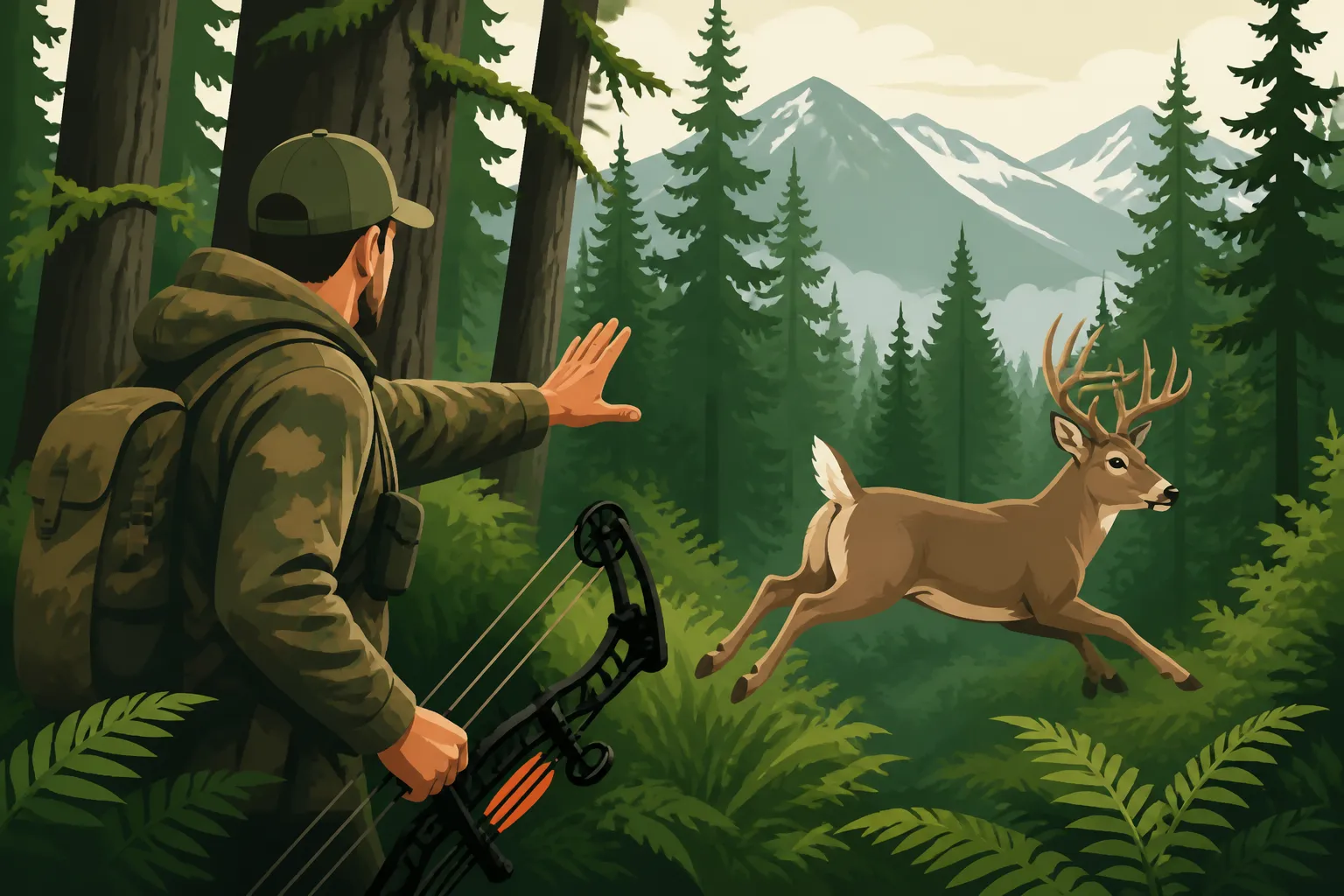
If you've spent any time at all chasing Sitka blacktail deer in the dense, rain-soaked timber of Southeast Alaska, you know the frustration. The woods are so thick you can barely see twenty yards, every step crunches on a fallen branch or sinks into moss, and the deer seem to melt away like ghosts before you ever get a clear shot. It's enough to make you wonder if they even exist in there! This guide is all about tackling that challenge head-on, giving you strategies to get those elusive deer moving and into your sights.
Understanding the Southeast Alaska Timber Challenge
Hunting the rainforests of Southeast Alaska is a unique beast, often a far cry from the open country most deer hunters imagine. The landscape itself is a formidable opponent, and understanding why deer utilize it so heavily is the first step toward hunting it effectively.
Why Deer Seek Refuge in Dense Timber
The Sitka blacktail deer, while smaller than their mainland cousins, are incredibly resilient and masters of their environment. They don't just happen to be in the dense timber; they actively seek it out for critical survival reasons. First and foremost, that thick canopy and underbrush provide unparalleled cover from predators. Wolves, brown bears, and even black bears are present throughout the region, and a deer's best defense is often to simply disappear into the dense matrix of spruce, hemlock, and alder. This cover extends to human hunters too, which is why they're so maddeningly hard to spot.
Beyond predator evasion, the timber offers crucial protection from the elements. Southeast Alaska is renowned for its persistent rain, wind, and often heavy snowfall, especially at higher elevations. The dense forest acts like a giant umbrella, insulating deer from the worst of the weather, providing a relatively drier and calmer sanctuary compared to exposed clear-cuts or open areas. During heavy snowfalls, deer will often "yard up" in old-growth timber where the canopy intercepts much of the snow, keeping the ground more accessible for foraging. This protective aspect is critical, especially when considering Deep Snow Winters and Alaska Deer Die-Offs.
Food sources also play a role, though sometimes less obvious in the deepest timber. While deer might browse on the edges of clearings or in recent burns, the timber itself still provides evergreen shrubs, lichens, and sometimes even the nutrient-rich new growth that follows windfalls. The timber also tends to hold moisture, which keeps browse palatable longer into drier periods, though "dry" is a relative term in this part of the world. They know these thickets intimately, having generation after generation using the same escape routes and bedding areas.
The Frustration of Still-Hunting Dense Areas
If you've ever tried to still-hunt alone through an impenetrable alder thicket or a mature spruce stand on Prince of Wales Island, you know the feeling. The sheer difficulty is enough to make many hunters give up on timber entirely and stick to beach hunting or alpine areas. Visibility is often restricted to a mere few yards, making it incredibly challenging to spot a deer before it sees or hears you. The ground itself conspires against you, with crunchy fallen leaves, dry branches, and slick moss creating a symphony of noise with every step.
Deer, with their superior hearing and sense of smell, have an enormous advantage in this environment. They can hear your approach long before you ever lay eyes on them. By the time you round a bend or peek through a curtain of branches, they're often already bounding away, only a flash of white tail and a crashing sound in the distance. This constant cat-and-mouse game, where the mouse almost always wins, is incredibly disheartening. It leads to missed opportunities, spooked deer, and the lingering doubt that you're just making too much noise to be effective. Traditional still-hunting, while viable in more open forests, often feels like a losing battle in the tight timber of Southeast Alaska. This is why considering different approaches, like those discussed in Deer Drives Versus Still Hunting in Southeast Alaska Timber, becomes so important.
Strategic Deer Drives: The Art of Pushing Timber
When still-hunting proves ineffective, a well-executed deer drive can be a game-changer for getting those elusive Sitka blacktails out of the heavy cover. It's not about being reckless; it's about being strategic, coordinated, and above all, safe.
Planning Your Drive: Personnel, Wind, and Escape Routes
A successful deer drive starts long before you ever step foot in the woods. First, consider your team. While even two hunters can execute a small, effective drive, a team of three to five people is often ideal for covering larger or denser blocks of timber. You'll need designated "drivers" who push through the cover and "setters" (or standers) who position themselves to intercept deer trying to escape. Communication is paramount, so reliable two-way radios are non-negotiable, especially in terrain where shouting might only alert deer prematurely.
Next, and perhaps most critically, is understanding the wind. Deer drives should always be planned with the wind in mind. The drivers should move into or across the wind, allowing their scent to push ahead of them, hopefully pushing deer towards the waiting setters. The setters, on the other hand, should ideally be positioned downwind of the anticipated deer escape routes, minimizing the chance of their scent alarming the deer as they are being pushed out. Ignoring the wind is a surefire way to have deer circle back or slip away undetected.
Finally, you need to identify likely escape routes. Before you even head out, use satellite imagery or a detailed topo map to identify natural funnels, saddles, old logging roads, clear-cut edges, or areas where the timber thins out. These are the deer's natural highways and your best bets for setter placement. A tool like the GoHunt app can be invaluable here, allowing you to mark potential escape routes, plan driver paths, and pinpoint setter locations digitally. Looking for areas where the timber opens up, even slightly, or where there are natural terrain features that would funnel animals, is crucial. Think about how deer would naturally move if pressured; they prefer the path of least resistance.
Setter Placement and Driver Tactics
Once your plan is laid out, the execution hinges on smart setter placement and effective driver movement. Setters need to be in position first, quietly and cautiously, well before the drivers begin their push. They should choose locations that offer clear shooting lanes, but also good visibility of the escape route, and most importantly, a safe backdrop for shooting. High ground overlooking a saddle or a clear-cut edge is often prime real estate. Remember, you're not trying to surprise deer as much as you are trying to intercept their predictable escape. Their instinct will be to flee the pressure, and you want to be where they'll naturally emerge.
Drivers then begin their methodical march. The key word here is "methodical." While some drives involve aggressive shouting and crashing, for Sitka blacktails in dense timber, a slow, steady, and slightly noisy approach often works best. The goal isn't to send deer into a panic-stricken stampede, but to create enough consistent pressure that they decide to quietly slip away, ideally into the waiting arms of the setters. Drivers should maintain consistent spacing, usually within sight or radio contact of each other, covering the designated area thoroughly. They can move slightly from side to side, zig-zagging to cover pockets of timber where deer might be bedding. Utilizing terrain features like drainages or ridges to help funnel the deer in a particular direction is also a smart tactic.
Sometimes, a driver might pause for a few minutes, listening intently for sounds of deer moving, and then resume. This intermittent pressure can sometimes make a wary buck finally decide to move. Remember, the timber is dense, and a fast, chaotic drive might simply push deer back through the line of drivers or cause them to hide rather than flee. Patience and persistence are key for both drivers and setters.
Safety First in a Deer Drive
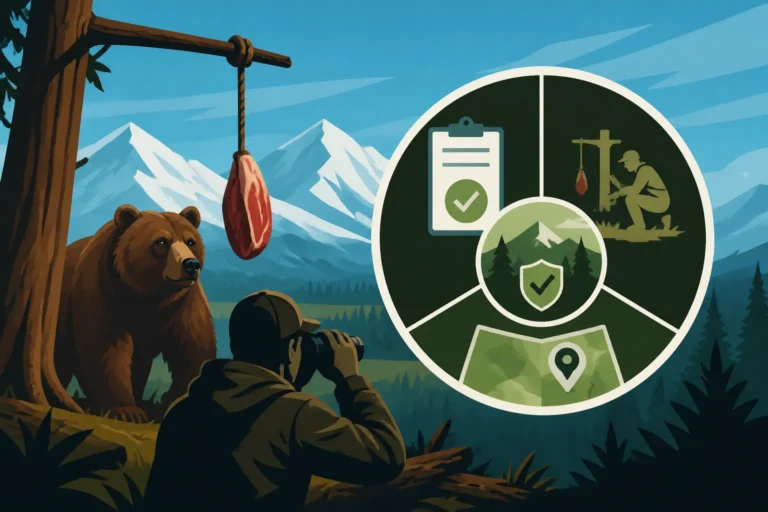
I cannot stress this enough: safety is the absolute priority in any deer drive, especially in dense, low-visibility conditions. Before the drive begins, everyone must be clear on their roles, their positions, and the boundaries of the drive. Mark your positions on maps, verbally confirm them, and visually confirm if possible. Bright hunter orange clothing is not just recommended; it's practically mandatory. Make yourselves as visible as possible to other hunters in the group.
Establishing clear shooting lanes and zones of fire is critical. Setters must know exactly where the drivers will be and where other setters are located, and never, ever shoot in the direction of another hunter. This means having a clear background for your shot and positively identifying your target before you even think about squeezing the trigger. In dense timber, deer can appear suddenly, offering only fleeting glimpses. It's imperative to resist the urge for a risky shot. If there's any doubt about what's behind your target, or if you can't clearly distinguish a legal deer from another hunter or a non-target animal, do not shoot.
Communication on radios should include not only "I'm in position" or "moving now," but also "Deer moving right" or "Saw a deer, heading towards Setter X." This information helps everyone understand the dynamic situation and adjust accordingly. Always assume there are other hunters in the area, even if you haven't seen them, and treat every movement and sound with caution. Your hunting partners are your responsibility, and their safety comes before any deer. Always have an emergency plan, and share your check-in schedule with a reliable contact, especially if you're in a remote area without cell service, which is common in Alaska. Alpine Navigation Without Cell Service is a crucial skill to master for safety.
Alternatives and Advanced Timber Tactics
Sometimes a full-blown deer drive isn't feasible, or you're hunting solo or with just one partner. In these situations, adapting your approach and leveraging environmental factors can still put deer in your freezer.
Combining Still Hunting with "Mini-Drives"
Even as a solo hunter, you can employ tactics that mimic the pressure of a drive on a smaller scale. This is where combining traditional still hunting with what I like to call "mini-drives" comes into play. The concept is simple: instead of just moving quietly through the woods hoping to spot a deer, you move with the intent of pushing deer from one small, thick pocket of cover into a more open area where you can get a shot.
One effective strategy for a solo hunter is to identify a small, dense thicket, a willow clump along a creek, or a small island of cover within a larger, slightly more open forest. Approach it from one side, moving slowly and deliberately, pausing frequently. Make a little more noise than you normally would still-hunting—not crashing, but enough to indicate your presence. Then, quickly move around to the "downwind" or "down-pressure" side of that cover, where you anticipate a deer might sneak out. You're essentially betting that the deer will hear your initial approach, circle around, and try to escape in a predictable direction. This requires immense patience and keen observation, but it can be surprisingly effective for pushing a single animal. For a two-person team, one hunter acts as the "driver," moving slowly through the thick stuff, while the other takes a stand at a natural pinch point or escape route. This is a very effective way to hunt the "transition zones" between dense timber and more open feeding areas.
Another approach is the "stop-and-go" method. Rather than a continuous, quiet stalk, move deliberately for 50-100 yards, making some noise, then stop completely and listen for 5-10 minutes. Deer often react to perceived threats by moving a short distance and then freezing. By stopping, you might catch them moving, or they might move past you, thinking the threat has passed. This can work especially well in areas with patchy cover. The deer often move slower than you think when pressured, making small detours. You're trying to out-think their escape pattern.
Exploiting Weather and Terrain
Southeast Alaska’s weather, often seen as a bane, can actually be a powerful ally if you know how to leverage it. Rain, for instance, can muffle your footfalls and dampen the crunch of leaves and twigs, making you significantly quieter. This can transform dense timber from an auditory nightmare into a more navigable environment. Hunting during a light drizzle or steady rain (though not a downpour that limits visibility or creates dangerous conditions) can make a solo still-hunt far more productive, allowing you to get closer to deer before they detect you. Good Rain Gear Guides Actually Recommend is absolutely essential for this.
Snow also offers unique advantages. Fresh snow provides an obvious canvas for tracking, revealing recent deer activity and travel patterns that would otherwise be invisible. You can follow tracks into dense timber, gaining valuable information about where deer are bedding or feeding. Deeper snow at higher elevations often pushes deer down into lower, more protected timber stands, making their location more predictable. When hunting after a significant snowfall, focus your efforts on these lower elevation timber pockets and south-facing slopes, which tend to melt faster and expose more browse. You might also find deer concentrated near beaches or clear-cuts where the snow is shallower or where they can more easily find food.
Terrain features, whether subtle or dramatic, are another critical element to exploit. Steep ravines, creek bottoms, finger ridges, and old logging clearings all act as natural funnels and pinch points for deer movement. By understanding these features—either through on-the-ground scouting or by using satellite imagery to plan your approach like with Scouting a Unit From Satellite Imagery Before You Fly-In—you can anticipate where deer will move when pressured. Position yourself strategically along these natural corridors, and you greatly increase your odds of intercepting a deer trying to slip away. A deer will almost always take the path of least resistance when moving through dense cover.
Gear and Mindset for Southeast Alaska Timber
Hunting the dense timber of Southeast Alaska demands not only specialized tactics but also the right gear and, perhaps most importantly, a resilient mindset. The environment is unforgiving, and being prepared physically and mentally is paramount.
Essential Gear for the Timber Hunter
Your gear choices in Southeast Alaska can make or break your hunt. First and foremost, you need to think about staying dry and comfortable. A robust, breathable rain system is non-negotiable. Forget anything that isn't fully waterproof, from your outer shell to your boots. Layering is key, allowing you to adjust to the constant temperature swings and exertion levels. Good quality wool or synthetic base layers will wick moisture away, keeping you warm even when wet, which is an unfortunate reality here.
Footwear is another critical component. You'll be traversing slick moss, uneven roots, muddy bogs, and potentially rocky creek beds. A pair of tall, waterproof rubber boots (like Xtratufs or similar brands) is often preferred by locals for their ability to handle constant wet conditions and easily slosh through shallow water, though some prefer sturdy leather hiking boots with excellent waterproofing for added ankle support in steep terrain. Whichever you choose, ensure they are well broken in and comfortable for long days on your feet.
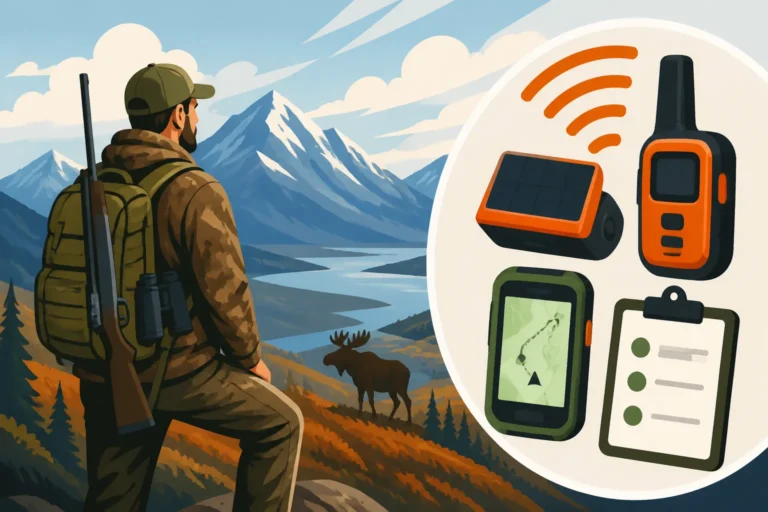
Navigation is paramount. While cell service is spotty at best in much of Southeast Alaska's backcountry, a reliable GPS unit or a smartphone with offline maps (like the GoHunt app or Gaia GPS) is indispensable. Always carry a traditional compass and paper map as a backup – batteries die, and electronics fail. A powerful headlamp is also essential for those early morning starts or late evening pack-outs, especially when Packing a Deer Off a Beach at Low Tide. Communication should be handled by two-way radios for group hunts, and a satellite messenger (like an InReach or Zoleo) for emergency communication or check-ins on solo hunts.
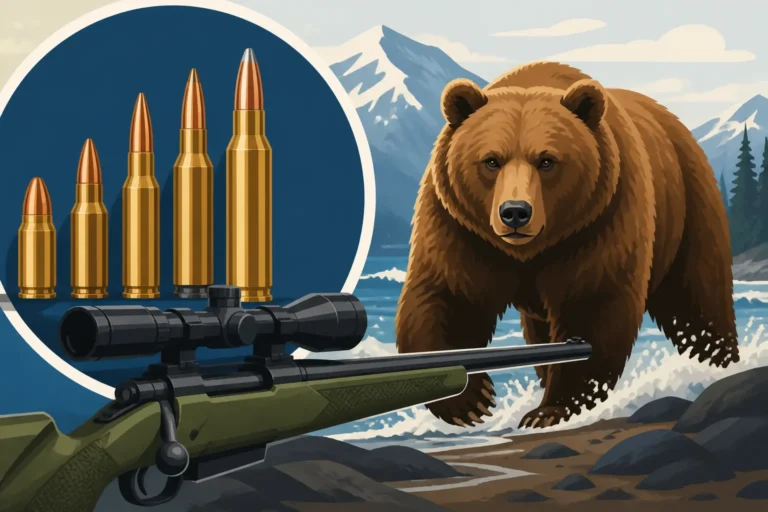
Finally, don't forget the essentials for processing your kill. A sharp, durable hunting knife, a small sharpening stone, and a good set of game bags are crucial. Given the prevalence of rain and moisture, breathable game bags that allow air circulation while protecting meat, like those mentioned in Game Bags That Breathe in Coastal Rain, are ideal. And, of course, carrying bear spray and/or a reliable sidearm (like a .44 Magnum or 10mm) is always a wise precaution when hunting in areas frequented by coastal brown bears, especially if you're alone in the timber, or after you’ve made a kill. Knowing your Rifle Calibers for Coastal Brown Bear even when hunting deer can provide peace of mind.
The Mental Game: Patience, Persistence, and Adaptability
Hunting dense Southeast Alaska timber isn't just a physical challenge; it's a profound mental one. The low visibility, the constant struggle against terrain, and the seemingly endless quiet can wear down even the most seasoned hunter. This is where patience becomes your greatest virtue. You won't see deer constantly; in fact, you might go hours without seeing a single animal. The ability to move slowly, absorb the silence, and simply wait without getting discouraged is crucial. Rushing will only lead to more noise and more spooked deer.
Persistence is equally vital. Don't give up on a patch of timber too quickly just because you haven't seen anything. Systematically work through areas, trust your plan, and keep pushing forward. Every step is an act of faith that a deer is just around the next bend or hiding behind the next clump of alders. The rewards in these challenging environments often go to those who simply refuse to quit.
Lastly, and perhaps most importantly, embrace adaptability. The weather can change in an instant, a planned drive might not work out as expected, or deer might simply not be where you thought they'd be. You need to be able to pivot your strategy, try a different approach, or even just accept that some days the deer simply win. This also means being prepared to change your focus, perhaps dropping down to the beach if the timber isn't producing, or moving to a different drainage. Understanding Blacktail Rut Timing in Southeast Alaska can also help you adapt your tactics depending on deer behavior. Hunting this kind of country is a constant lesson in humility and resilience.
| Drive Type | Hunters Needed | Primary Objective | Pros | Cons | Best Scenario |
|---|---|---|---|---|---|
| Solo "Mini-Drive" | 1 | Push deer from small cover to shot opportunity | Highly adaptable, stealthy, less planning required | Limited coverage, difficult to anticipate deer movement, lower success rate for pushing | Small, isolated pockets of dense cover; still-hunting with intent |
| Two-Person Drive | 2 | Push deer into a prepared stand | Good balance of coverage and control, simpler communication | Limited ability to cover large areas or multiple escape routes, requires coordination | Narrow timber strips, draws, or pushing from one clear-cut to another |
| 3-5 Person Drive | 3-5 | Systematically push a larger timber block | Increased coverage, better control of deer movement, higher success odds | Complex coordination, increased safety risks, requires strong communication | Larger tracts of dense timber with identifiable escape routes; main method for deer drives |
Disclaimer
The information provided in this guide is for informational purposes only and is not a substitute for official hunting regulations. Always consult the most current Alaska Department of Fish and Game regulations, local land use rules, and weather advisories before planning or undertaking any hunting activity. Safety should always be your top priority.