When Any Deer Becomes Legal on Kodiak
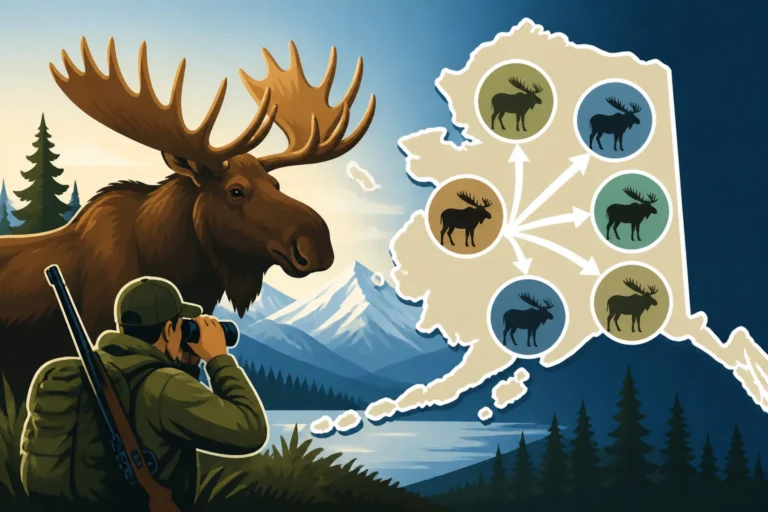
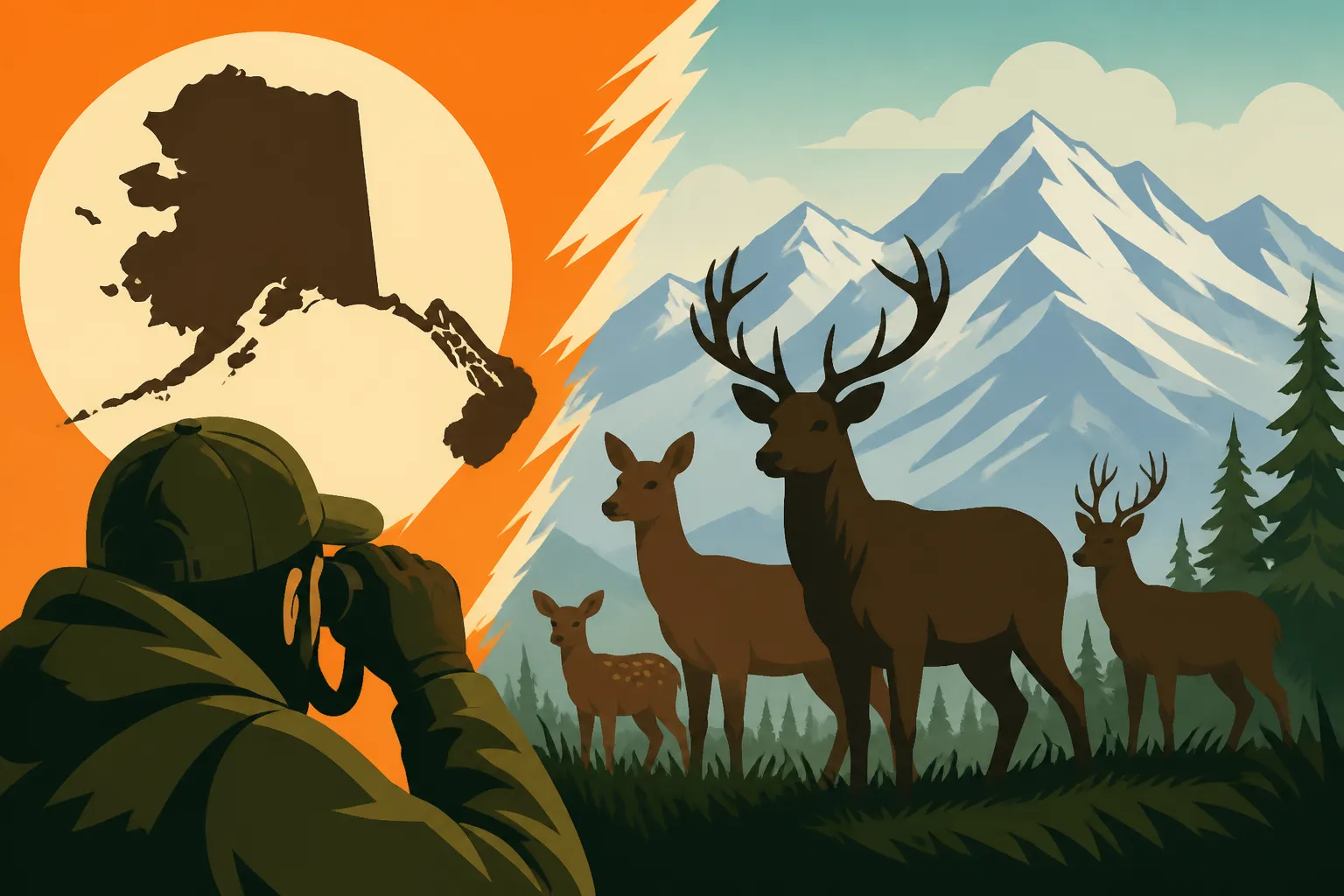
The challenge of hunting Sitka blacktail deer on Kodiak Island is often compounded by the ever-changing regulations, especially when it comes to understanding when you can legally harvest "any deer" – meaning a buck, doe, or fawn. This guide will meticulously break down the nuances of Kodiak's deer seasons, explain the critical factors that influence these regulations, and provide clear, actionable insights so you can plan your hunt with confidence and avoid any costly misunderstandings.
Understanding Kodiak Deer Regulations and Why They Change
Kodiak Island, with its rugged mountains, dense alders, and spectacular coastal rainforests, is a deer hunter's paradise. However, the management of its prolific Sitka blacktail deer population is a dynamic process, heavily influenced by environmental factors. What makes "any deer" legal one year might not be the case the next, and this variability is key to successful hunting.
The Rationale Behind "Any Deer" Seasons
The Alaska Department of Fish and Game (ADF&G) implements "any deer" seasons primarily as a management tool to regulate deer populations. Sitka blacktails are incredibly productive, but their numbers can fluctuate wildly, mainly due to winter severity. When deer populations are high and habitat can support it, allowing hunters to take "any deer" helps to achieve harvest objectives, spread hunting pressure, and, in some cases, reduce the potential for overbrowsing that could degrade the habitat for future generations of deer. It's a way to ensure a healthy population by allowing more liberal harvest when the numbers are robust. For many hunters, the opportunity to fill the freezer without the added pressure of antler restrictions is a welcome one, especially for those pursuing their Deer Tags on Kodiak and What They Cost.
The Impact of Winter Severity on Deer Populations
Perhaps the single most significant factor influencing Kodiak's deer regulations is the severity of the winter. Sitka blacktail deer are resilient, but extended periods of deep snow and extreme cold can take a heavy toll. As we've seen in many past seasons, particularly harsh winters can lead to what biologists call a "winter kill," where significant numbers of deer, especially fawns and older animals, perish from starvation and exposure. These Deep Snow Winters and Alaska Deer Die-Offs have a direct and immediate impact on subsequent hunting seasons.
Following a severe winter, ADF&G biologists will often conduct aerial surveys and ground assessments to gauge the post-winter deer population. If the numbers are down, regulations might become more conservative, potentially restricting harvest to antlered bucks only for a longer portion of the season, or even reducing overall bag limits. Conversely, a mild winter usually means excellent fawn survival and a healthy, growing population, which often paves the way for more liberal "any deer" opportunities later in the season. This adaptive management approach is crucial for sustaining Kodiak's deer herds over the long term, preventing overharvest during lean times, and maximizing opportunity during boom years.
How ADF&G Manages Deer Harvest on Kodiak
ADF&G uses a combination of long-term season structures, bag limits, and in-season emergency orders to manage deer harvest on Kodiak Island. The general season for Sitka blacktail deer typically runs for several months, often starting in early August and extending well into the winter. However, within this broad window, specific restrictions apply. For example, the early season usually limits hunters to antlered bucks only. This protects does and allows them to breed and contribute to the population before hunting pressure increases.
As the season progresses, and especially after the rut, if deer populations are healthy and harvest objectives haven't been met, ADF&G may open up "any deer" harvest periods. These decisions are made based on population estimates, harvest data from previous years, and, most importantly, winter conditions. Hunters must be vigilant in checking current regulations, as these "any deer" periods are often announced closer to the season or even mid-season via emergency orders. Understanding these announcements is critical, and many experienced hunters rely on resources like the GoHunt platform or the ADF&G website for the latest updates. The goal is always to provide ample hunting opportunity while ensuring the long-term health and productivity of the Sitka Blacktail Deer Population Cycles in Alaska.
Navigating the "Any Deer" Rule on Kodiak Island
The "any deer" rule is a game-changer for Kodiak hunters, offering greater flexibility and a higher chance of success. However, it's not a blanket free-for-all. Specific dates, zones, and reporting requirements are paramount to staying legal.
Specific Dates and Zones for "Any Deer"
On Kodiak Island (Game Management Unit 8), the "any deer" season typically opens later in the fall and extends into the winter months. While the general season might start in August or September for bucks only, the "any deer" portion often commences in November or even December, sometimes running through the end of the year. The exact dates can shift annually based on population health and winter forecasts, as detailed earlier. For instance, in some years, the period for harvesting "any deer" on Kodiak could be from November 1st through December 31st, or it might be a shorter window. It's crucial to consult the current year's hunting regulations booklet, specifically for Unit 8, or check ADF&G's online hunt regulations portal. This is where hunters often turn to trusted sources like GoHunt for their curated regulation summaries and timely updates, ensuring they don't miss any critical changes. These periods are designed to allow hunters to take deer of either sex, helping to manage herd numbers more effectively and provide more opportunity for hunters seeking to fill their Kodiak Nonresident Deer Bag Limit.
Distinguishing Legal Bucks from Does and Fawns
During the "any deer" period, the primary distinction of legality shifts from antler configuration to simply confirming it's a deer. However, even with an "any deer" regulation, ethical considerations and proper identification remain important. While you're no longer counting brow tines or measuring spread, you still need to be sure of your target and its identity. For example, ensuring a fawn isn't accidentally separated from its mother if she's not also harvested might be a consideration, though legally, a fawn is fair game during an "any deer" season.
The real challenge might be in distinguishing between a legal deer and potentially a mistaken identity with a different species, though highly unlikely on Kodiak, or simply ensuring a clean shot. The dense vegetation and often inclement weather common during the late fall and winter months on Kodiak demand extra care. Be absolutely positive of your target and what's beyond it. Understanding the behavior of deer during these colder months can also aid in identification; often, deer will be in larger groups, foraging for scarce food.
The Role of Harvest Tickets and Reporting
Regardless of whether you harvest a buck or a doe, all deer harvested on Kodiak Island require a harvest ticket. The harvest ticket itself is generally free for residents, and included in the price of the nonresident license package. What's absolutely critical is that you have this harvest ticket with you while hunting, and that you immediately validate it upon killing a deer. This usually involves slitting or punching out the date and time of the kill on the physical ticket. Failure to validate immediately is a common citation and can lead to serious penalties.
Furthermore, all harvest tickets come with a mandatory reporting requirement. You must report your harvest (or lack thereof, if you didn't hunt or weren't successful) by a specific deadline, often within a couple of weeks after the season closes, or sometimes even sooner if your hunting activity ends earlier. Missing the Alaska Harvest Report Deadline After the Hunt can result in a penalty, including being ineligible for future permits. This reporting is vital for ADF&G to collect accurate harvest data, which directly informs their management decisions for future seasons, including whether to implement or extend "any deer" periods. Many hunters find it easiest to report online via the ADF&G website, but mail-in options are typically available as well.
Planning Your Kodiak Deer Hunt Around "Any Deer" Periods
Hunting Kodiak Island is an incredible adventure, and timing your trip to coincide with "any deer" periods can significantly boost your success. But it requires meticulous planning, from checking regulations to preparing for the elements and navigating access.
Researching Current Regulations and Emergency Orders
This cannot be stressed enough: always, always check the absolute latest regulations before you leave for your hunt and even while in the field. Alaska's hunting regulations, especially for species like deer on Kodiak, are subject to change, sometimes even mid-season, through emergency orders. These orders are typically issued by ADF&G in response to current conditions, such as an unusually severe winter that might necessitate an early closure of an "any deer" season or a particularly mild one that allows for an extension.
- Official ADF&G Website: This is your primary source. Bookmark the specific hunt regulations page for Unit 8 (Kodiak) and check it frequently.
- Emergency Order Announcements: Pay close attention to ADF&G's press releases and Alaska Emergency Order Announcements. These are crucial for understanding real-time changes.
- Hunt Planning Platforms: Websites and apps like GoHunt can be invaluable. Many consolidate regulation information, offer mapping tools, and provide alerts for regulatory changes. They can streamline the research process, but always cross-reference with the official ADF&G source.
- Local Contact: If possible, try to speak with ADF&G staff in Kodiak or local outfitters who are actively in the field. They often have the most up-to-date ground-level intelligence.
Ignoring current regulations is not only illegal but can also lead to ineffective hunting strategies if you're not aware of opportunities or restrictions.
Gear Considerations for Late Season Kodiak Hunts
Hunting Kodiak in late fall and winter, which often coincides with "any deer" seasons, means you'll be facing classic Alaskan coastal weather: wet, windy, and cold. Your gear choices need to reflect this reality.
- Rain Gear: This is paramount. Forget "water-resistant"; you need truly waterproof and durable rain gear. Look for reputable brands known for their performance in extreme wet conditions. A good set of Gore-Tex or similar quality rain jacket and pants is non-negotiable. Remember, you might be out there for days, and staying dry is key to staying warm and safe.
- Layering System: Beyond the outer shell, a solid layering system is essential. Wicking base layers, insulating mid-layers (fleece, puffy jackets), and a warm outer layer are critical. Avoid cotton entirely, as it loses all insulating properties when wet.
- Footwear: Waterproof, well-insulated boots are a must. Many Kodiak hunts involve slogging through muskeg, crossing streams, and navigating muddy trails. Knee-high rubber boots like Xtratufs are popular for coastal hunts, but sturdy, waterproof hiking boots are also viable if paired with gaiters. Consider carrying extra socks.
- Game Bags: Even in colder weather, proper meat care is crucial. Use breathable, synthetic game bags to protect your meat from flies, dirt, and moisture. Having good Game Bags That Breathe in Coastal Rain can make a huge difference in the quality of your harvest.
- Navigation: While cell service is spotty at best, a reliable GPS with pre-loaded maps, a satellite messenger (Garmin inReach, Zoleo), and a physical compass and map are essential. Weather can change quickly, bringing fog and whiteouts that disorient even experienced hunters.
- Shelter: If you're backpacking or doing a DIY hunt, a robust, four-season tent is recommended. Kodiak winds can be relentless.
- First Aid and Emergency Gear: A comprehensive first aid kit, fire starters, an emergency shelter, and enough food and water purification to last extra days are non-negotiable.
Access and Logistics for Kodiak Deer Hunting
Kodiak Island offers a variety of access options, each with its own advantages and challenges, particularly during the late-season "any deer" periods.
- Road System Hunting: Much of the hunting on Kodiak is accessed via its limited road system, which primarily extends from Kodiak City. This allows for day hunts or establishing a base camp from a vehicle or rented cabin. Popular areas can see significant pressure, especially on weekends. Understanding Kodiak Island Road System Deer Hunting areas and any special restrictions is vital.
- Boat-Based Hunting: This is arguably the most common way to access remote deer country on Kodiak. Hiring a charter boat or operating your own skiff allows access to countless bays, coves, and islands that are otherwise inaccessible. This opens up vast amounts of prime deer habitat and can lead to incredible opportunities. Be prepared for potentially rough seas and understand how to Packing a Deer Off a Beach at Low Tide.
- Float Plane or Air Taxi: For truly remote experiences, a float plane can drop you off on inland lakes or coastal waterways. This is a more expensive option but provides access to areas with minimal human pressure. Ensure your air taxi is reputable and understands meat salvage and pickup protocols, especially during potentially turbulent weather.
- Physical Demands: Regardless of access method, expect physically demanding hunting. Kodiak's terrain is steep, brushy, and often boggy. Even a seemingly small Deer Meat Yield From a Sitka Blacktail can feel heavy after a long pack through thick alder. Be in good physical condition, and be prepared to quarter and pack out your deer.
| Kodiak Deer Hunting Checklist | Action Item | Notes |
|---|---|---|
| Regulations & Permits | Check current ADF&G regulations for Unit 8 | Verify "any deer" dates and bag limits. |
| Look for emergency orders or season changes | Especially important in late fall/winter. | |
| Obtain hunting license and deer harvest tickets | Ensure tags are immediately validated upon kill. | |
| Gear | High-quality waterproof rain gear (jacket & pants) | Essential for Kodiak's wet climate. |
| Layering system (base, mid, outer insulation) | No cotton! Synthetics or wool only. | |
| Insulated, waterproof boots (e.g., Xtratufs, heavy hikers with gaiters) | Consider extra socks. | |
| Breathable game bags | Crucial for meat care, even in cold. | |
| Navigation tools (GPS, sat messenger, map/compass) | Redundancy is key in remote areas. | |
| Durable backpack with sufficient capacity | For gear and packing out meat. | |
| First aid kit, fire starter, emergency shelter | Preparedness for unexpected delays. | |
| Logistics | Transportation to Kodiak (commercial flight, ferry) | Book well in advance. |
| Local transport (rental car for road system, charter boat, air taxi) | Confirm availability and cost for preferred access. | |
| Accommodation (hotel, cabin, tent) | Plan for weather-appropriate shelter. | |
| Food, water, cooking supplies | Factor in extra days for weather delays. |
Disclaimer
The information provided in this guide is for general informational purposes only and is not a substitute for checking the official Alaska Department of Fish and Game (ADF&G) regulations. Hunting regulations are subject to change, and it is the hunter's responsibility to review the most current regulations and emergency orders before and during their hunt. Neither this guide nor its author assumes any liability for hunting activities based on this information.