Kodiak Island Road System Deer Hunting
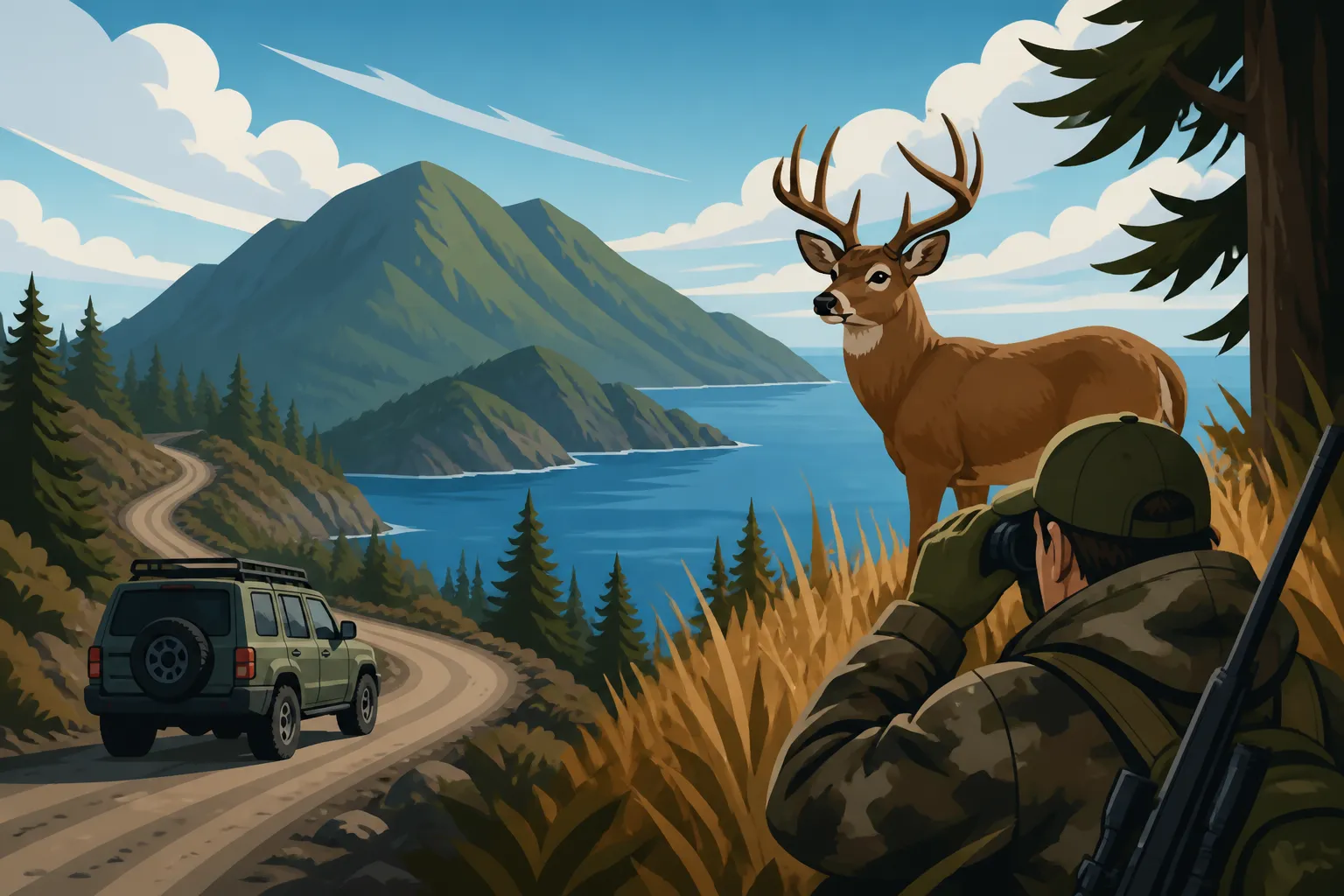
For many hunters, the very mention of Kodiak Island conjures images of remote fly-in camps, massive brown bears, and legendary Sitka blacktail deer in seemingly unreachable alpine basins. While that vision certainly holds true for much of the island, it’s a common frustration to feel like these opportunities are out of reach without a bush plane or a hefty boat charter. But what if I told you that you don't always need an airplane or a private boat to experience quality Kodiak deer hunting? This comprehensive guide is here to shed light on how you can successfully pursue Sitka blacktail deer right from Kodiak's surprisingly accessible road system, addressing the challenges and outlining the tactics that make it possible.
The Lay of the Land: Understanding Kodiak's Road System Access
Kodiak Island is a rugged, beautiful place, and while its interior is mostly wilderness, it does boast a significant road system, especially around the city of Kodiak itself. This network of paved and gravel roads provides a lifeline for residents and, importantly for us, a jumping-off point for hunters. However, road system hunting on Kodiak isn't like hunting whitetails from a truck in the Midwest. It requires a different mindset and a solid understanding of the terrain, land status, and local regulations.
Overview of Kodiak's Road-Accessible Game Management Units
Kodiak Island falls primarily within Game Management Unit (GMU) 8. Within this unit, there are various subunits, and the road system primarily traverses subunits around the city of Kodiak, Chiniak, and out toward Pasagshak. These areas are quite diverse, ranging from steep, brushy hillsides to coastal fringes and pockets of timber. The key is to think of the road system not as the hunting ground itself, but as the access point to huntable country. You'll often be parking along the road and then hiking into areas that are accessible on foot, sometimes just a few hundred yards, sometimes miles.
Many hunters focus their efforts on the lands adjacent to the main highways and connecting roads. These spots are popular for a reason—they offer some of the most convenient access. You might find yourself hiking old logging roads, game trails, or simply busting through alder thickets to get away from the immediate road noise and pressure. Understanding that these areas see more hunter activity means you need to be prepared to work a little harder and possibly hike a bit farther to find undisturbed deer. It's a trade-off: easier access but potentially more competition.
Identifying Public Versus Private Lands for Access
One of the biggest hurdles, and often a source of frustration, when hunting Alaska's road system, including Kodiak, is figuring out who owns the land you're standing on. Kodiak Island has a mosaic of land ownership: state lands, federal lands (like parts of the Kodiak National Wildlife Refuge), and private lands, including Native corporation lands. Just because a road goes through an area doesn't mean the land on either side is public and open to hunting. Trespassing, even accidentally, can lead to serious consequences and reflects poorly on all hunters.
This is where modern mapping technology becomes your absolute best friend. Tools like onX Hunt are indispensable. You can download offline maps to your phone or GPS device, showing parcel boundaries, land ownership, and even roads and trails. Before you even set foot on the island, you can use these maps to scout potential access points from home, identifying public lands adjacent to the road system. This proactive approach saves you immense time and prevents the heartache of unknowingly crossing onto private property. Always double-check boundaries and remember that private property may not always be clearly marked in the field.
Challenges of Road System Hunting: Pressure and Terrain
Hunting the Kodiak road system comes with its unique set of challenges. As mentioned, increased accessibility often means increased hunter pressure, especially during peak season weekends. You might find other trucks parked at popular pull-offs, or even encounter other hunters in the field. This isn't necessarily a bad thing, but it means you'll need to be adaptable and perhaps explore less obvious access points or be willing to hike further into the backcountry.
Beyond hunter pressure, the terrain itself is a formidable challenge. Kodiak is known for its dense alder thickets and steep, broken country. Even areas close to the road can quickly become a tangled maze of brush, making progress slow and exhausting. Expect to get wet and muddy, and prepare for a workout. It's a different kind of effort than a pure alpine hunt, but no less demanding. However, these challenging aspects also work in your favor, as many hunters won't push through the worst of it, creating pockets of less disturbed deer habitat.
Essential Gear and Preparations for Coastal Deer Hunting
Kodiak's weather is famously unpredictable and often unforgiving. A sunny morning can turn into a torrential downpour and howling winds in a matter of hours. Being prepared for these conditions is not just about comfort; it's about safety and success. Your gear choices will make or break your road system deer hunt on Kodiak.
Weather-Appropriate Clothing and Footwear
Forget cotton. Seriously, leave it at home. On Kodiak, your clothing system needs to be built around layers of synthetic or merino wool, topped with absolutely bomb-proof rain gear. Think outer layers that are truly waterproof and windproof, not just water-resistant. Many experienced Kodiak hunters swear by heavy-duty PVC rain gear, especially for busting through wet brush, as it holds up better than many breathable laminates. However, it doesn't breathe well, so you'll be managing sweat. A good compromise is a robust, well-vented technical rain suit.
For footwear, a sturdy pair of knee-high rubber boots or waterproof hiking boots (with gaiters) is almost non-negotiable. You'll be crossing streams, navigating muddy trails, and walking through soaking-wet brush. Your feet will get wet if your footwear isn't up to snuff, and wet, cold feet can quickly lead to misery and even hypothermia. Bring multiple pairs of wool socks and change them frequently, even in the field, to keep your feet happy. This isn't a fashion show; it's about survival and staying effective in the elements.
Navigation and Communication
While you're hunting within reach of a road, cell service can be spotty or non-existent once you step off the main drag. Relying solely on your phone for navigation is a gamble. A dedicated GPS unit or a smartphone with offline mapping capabilities, like onX Hunt, is crucial. Make sure you download all relevant maps before you leave home. Having extra battery packs or a portable charger is also a smart move, as cold weather can quickly drain electronics. Don't forget a physical compass and paper map as a backup – true wilderness skills never go out of style, especially in Alaska. Alpine Navigation Without Cell Service discusses crucial backup methods that apply even when hunting closer to roads.
For communication, especially if hunting solo or in a small group, consider a satellite messenger device. These allow you to send check-in messages, track your progress, and summon help in an emergency, even when miles from cell towers. This adds a vital layer of safety, giving peace of mind to both you and your loved ones back home. Remember, self-sufficiency is key when hunting in Alaska, even on the road system.
Field Dressing and Meat Care in a Humid Climate
Once you've harvested a Sitka blacktail, the real work begins, and Kodiak's damp environment presents unique challenges for meat care. The mild, humid weather means flies and bacteria can quickly become an issue. You'll need game bags that are breathable yet durable. Traditional cheesecloth can tear easily in thick brush. Modern synthetic game bags, like those made from synthetic blends, allow air circulation while protecting meat from insects and debris. Game Bags That Breathe in Coastal Rain can be a lifesaver.
After field dressing your deer, the priority is to cool the carcass down as quickly as possible. Don't let it sit in a pile on the ground. Prop it open, quarter it, and get it hung if possible, even if it's just from a low branch. If you're near a stream or a cool, shaded area, that can help. Cooling a Carcass Before the Flies Find It offers more detailed advice, but the essence is speed and ventilation. Kodiak's wet environment means meat can sour quickly if not handled properly. Pack out your meat promptly and get it into a cooler with ice as soon as you're back at the vehicle.
Strategies for Locating and Harvesting Sitka Blacktail Deer
Kodiak's Sitka blacktail deer are masters of their environment, and understanding their habits and preferred habitats along the road system is key to success. They are often found in areas that offer a combination of cover, food, and escape routes.
Reading the Landscape: Alpine, Timber, and Beach Zones
Even on the road system, Kodiak offers a diverse range of habitats for deer. You'll find deer utilizing the alpine zones on higher slopes that are accessible from road-end trailheads, especially in the early season. Hunting Sitka Blacktail Deer in the Alpine Before Snow can provide insights, but remember that even lower elevation "alpine" can be steep and brushy. These areas offer good visibility but require a strenuous climb.
Closer to the roads, deer often stick to the dense timber and brushy clearcuts. These areas provide excellent cover from both predators and hunters, but hunting them requires patience and often a "still hunting" approach, slowly moving through the cover. Don't overlook the coastal fringes either. Deer frequently browse kelp and other marine vegetation along the beaches, particularly during low tide. Glassing these areas from higher vantage points or even walking the beaches during the day can be surprisingly productive, but always be aware of the tides and Packing a Deer Off a Beach at Low Tide.
Scouting and Approaching Deer
Successful road system hunting on Kodiak starts long before opening day, if possible. Use your mapping apps, like onX Hunt, to identify promising areas with public access, varied terrain, and good cover. Look for old logging roads, clearcuts that are regenerating, and natural drainage systems that deer might use as travel corridors. Scouting remotely can give you a significant edge.
Once in the field, use your optics. Even from the road, a good set of binoculars and a spotting scope can help you pick apart distant hillsides and identify deer. Patience is paramount. Sit and glass for extended periods, especially during low light conditions at dawn and dusk. When you spot deer, plan your approach carefully, utilizing terrain features to stay out of sight and downwind. Still hunting through the brush or making short, methodical stalks are often more effective than simply pushing through the woods.
Understanding Deer Behavior and Movement
Sitka blacktail deer behavior is heavily influenced by weather, season, and hunting pressure. During the early season, deer might be higher up, while later in the fall, they'll often be found lower, seeking shelter and readily available browse. Sitka Blacktail Deer Population Cycles in Alaska can provide context for understanding population trends, which impact how many deer you might see. Heavy snowfall can drive deer to lower elevations, but also negatively impact their survival, as discussed in Deep Snow Winters and Alaska Deer Die-Offs.
The rut, typically peaking in late October through November on Kodiak, can also alter deer behavior, making bucks more active and less cautious as they search for does. However, by this point, many hunters have shifted their focus to other species or have already filled their tags. Staying abreast of the regulations and local conditions can help you capitalize on these patterns. Check resources like GoHunt for current season dates and general regulatory updates, which can inform your strategy around these natural behaviors.
Regulations, Safety, and Respecting the Resource
Hunting on Kodiak's road system is a privilege, and it comes with responsibilities. Understanding and adhering to regulations, prioritizing safety, and showing respect for the land and its wildlife are paramount.
Key Regulations for Kodiak Deer Hunting
Alaska hunting regulations can be complex, and they vary by GMU and even subunit. For Kodiak, you'll need to know the specific regulations for GMU 8. This includes season dates, bag limits, and any special restrictions. For example, Alaska Deer Season Opening Date on Kodiak and Kodiak Nonresident Deer Bag Limit are fundamental pieces of information you must know before you even pack your bags. Pay close attention to when "any deer" becomes legal, as often the season starts with antlered bucks only, and then transitions later to include does. When Any Deer Becomes Legal on Kodiak provides important details on this.
Always carry a current copy of the Alaska Hunting Regulations digest, either a physical copy or a downloaded digital version, and refer to it frequently. Ignorance of the law is never an excuse. Harvest tickets and locking tags are usually required for deer, so make sure you have purchased and correctly filled out all necessary permits before heading into the field.
Bear Safety on Kodiak Island
Kodiak Island is brown bear country, and even on the road system, encounters are a very real possibility. While deer hunting, you are actively moving through areas bears frequent. Always be bear aware. Make noise as you travel through dense brush, especially near salmon streams (even if dry), and areas with berry patches. Carry bear spray, know how to use it, and have it readily accessible. A large-caliber rifle is also a wise companion, particularly if you're venturing into thicker cover. Rifle Choice for Alaska Brown Bear Country covers suitable firearms, and Bear Safety While Butchering a Kill in Alaska offers critical advice for managing a kill site.
If you do harvest a deer, process it quickly and get the meat out of the field. A dead animal is a powerful attractant for bears, and you don't want to find yourself in a dispute over your hard-earned venison. If a bear approaches your kill, do not hesitate to make noise, stand your ground (unless it charges aggressively), and be prepared to defend yourself or your meat. It’s a harsh reality of hunting in Alaska, but one you must respect.
Ethical Hunting and Public Perception
As road system hunters, we often operate in more visible areas, and our actions can significantly influence public perception of hunting. This means adhering to ethical hunting practices is more important than ever. Always ensure you have a clean, ethical shot, retrieve all wounded game, and properly salvage all edible meat. Deer Meat Yield From a Sitka Blacktail highlights the substantial amount of meat you're responsible for.
Leave no trace. Pack out everything you pack in, including spent shell casings, trash, and any flagging tape you might have used. Respect private property boundaries, even if they aren't marked. Your actions reflect on the entire hunting community, and we want to ensure these accessible hunting opportunities remain open for future generations.
Here's a quick look at some key gear for your Kodiak road system deer hunt:
| Gear Category | Essential Items | Why It's Important |
|---|---|---|
| Clothing System | Layered synthetics/merino, Waterproof rain gear, Gaiters, Wool socks | Stay warm and dry in Kodiak's notoriously wet and cold climate |
| Footwear | Knee-high rubber boots or sturdy waterproof hiking boots | Navigate mud, streams, and wet brush; keep feet dry |
| Navigation | GPS unit or smartphone with onX Hunt offline maps, Paper map & compass |
Prevent getting lost, identify land ownership, critical for safety |
| Communication | Satellite messenger (e.g., InReach), Whistle | Emergency contact, check-ins, crucial where cell service is non-existent |
| Optics | Binoculars (8x-10x), Spotting scope | Locate deer in dense cover and open terrain, judge animals from a distance |
| Meat Care | Sharp knife, Game bags, Cordage/rope, Meat hauling pack | Efficient field dressing, protect meat from elements and flies |
| Safety | Bear spray (with chest holster), First-aid kit, Fire starter, Headlamp | Essential for bear encounters, emergencies, and navigating in low light |
| Weapon | Rifle/Bow, Ammunition, Cleaning kit | Ethical harvest; Rifle Choice for Alaska Brown Bear Country for bear defense |
| Miscellaneous | Backpack, Water filter, High-energy snacks, Dry bags | Carry gear, stay hydrated, maintain energy, protect sensitive items |
Disclaimer
This article is for general informational purposes only and does not constitute professional advice. Laws, prices and regulations vary by location and change over time. Consult a qualified professional for guidance on your specific situation.