Lower Alaska Peninsula Hunting in Unit 9E
Hunting the Lower Alaska Peninsula, specifically Alaska Game Management Unit 9E, often feels like planning an expedition to another planet. It's a vast, wild, and incredibly remote place that presents unique challenges, from unforgiving weather to complex logistics. This guide is here to break down what it really takes to plan and execute a successful hunt in this legendary brown bear country, helping you navigate the remoteness and the regulations.
Understanding Alaska's Unit 9E: The Lower Alaska Peninsula
When folks talk about chasing big bears in Alaska, the Alaska Peninsula, especially the lower end in Unit 9E, quickly comes to mind. It's a place steeped in reputation, but its reality is far more rugged than any postcard suggests.
Geographical Breakdown and Key Features
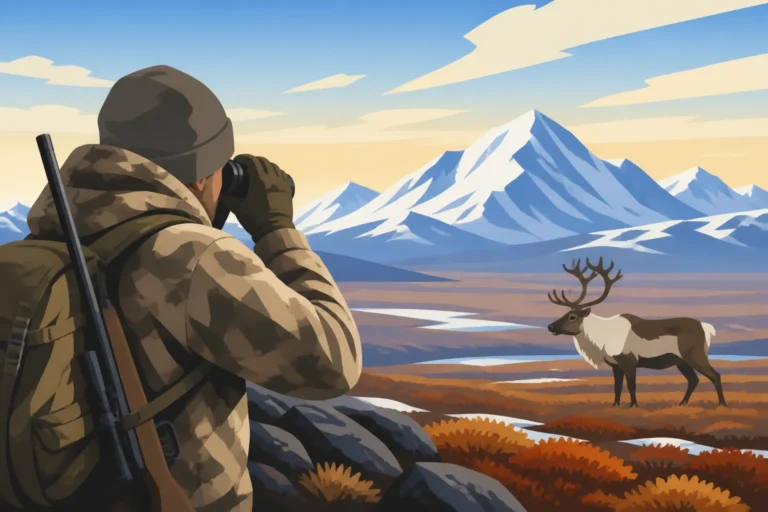
Unit 9E encompasses the very tip of the Alaska Peninsula, a long, slender finger of land jutting out into the Bering Sea and the Pacific Ocean. Imagine a landscape forged by fire and ice, where active volcanoes like the majestic Pavlof loom over endless miles of rolling tundra. This isn't timber country; you'll find sparse, stunted willows in protected drainages, but for the most part, it's open, exposed country, a tapestry of sedges, grasses, and berry bushes that stretches as far as the eye can see.
The coastline is rugged, a mix of rocky beaches, tidal flats, and estuaries. Inland, rivers and streams snake through the tundra, fed by countless lakes and ponds. This hydrology is critical, not just for the abundant salmon runs that draw in the bears, but also for defining travel routes and potential camp locations. The sheer scale of the landscape means that what looks like a short walk on a map can easily become an all-day slog through tussocks and boggy ground. It's a place where you truly feel small, isolated by its raw, untamed beauty.
Prime Species and Their Habitat in 9E
Without a doubt, the undisputed king of Unit 9E is the Alaska brown bear. This region is world-renowned for its large, healthy bear population, and for good reason. The rich coastal ecosystem, particularly the annual salmon spawns in the countless rivers and streams, provides an unparalleled food source that allows these bears to grow to incredible sizes. Beyond salmon, bears feast on protein-rich sedges in the spring, and then a bounty of berries, such as blueberries and crowberries, throughout the summer and fall. These caloric bonanzas fuel their massive growth and prepare them for winter denning.
While brown bear is the primary draw, you might also encounter small numbers of caribou. These often belong to herds whose main ranges are further north or east, and their presence in 9E can be sporadic. Waterfowl are also abundant in the coastal wetlands and lakes, offering potential hunting opportunities if you're set up for it. However, most hunters coming to 9E have one species squarely in their sights: the coastal brown bear. Understanding their movements – from spring emergence on snow slides and fresh green-up to fall congregating on salmon streams – is absolutely paramount to success in this vast and challenging landscape.
Planning Your Expedition: Logistics for Remote 9E Hunts
Hunting Unit 9E isn't a spur-of-the-moment decision. It requires meticulous planning, a significant budget, and a healthy respect for the immense logistical hurdles involved.
Accessing Unit 9E: Air and Sea Travel
Given the extreme remoteness of the Lower Alaska Peninsula, there are no roads leading into most of Unit 9E. Your journey will almost certainly begin with commercial flights to one of the larger regional hubs, such as King Salmon or Cold Bay. From there, your real adventure begins, requiring charter flights deeper into the unit. This often means booking a bush plane – either a float plane for lake landings or a wheel plane for gravel bar or tundra strip landings. Choosing the right air taxi depends entirely on your chosen hunting area and its accessible landing zones. A float plane opens up countless lakes and large rivers, while a wheel plane can put you on higher ground or specific gravel bars.
It's crucial to understand that these bush flights are weather-dependent. Fog, high winds, and rain can ground planes for days, affecting both your drop-off and, more critically, your pick-up. Always build extra days into your schedule for weather delays. Furthermore, the cost of these charters can be substantial, and it's often priced by the hour or by the mile, with minimums. This is where working closely with a reputable air transporter or guide service is invaluable. They know the terrain, the weather patterns, and the safe landing spots. They can also advise on the best approach to get into your chosen area. For an in-depth look at this, you might find Fly-In Hunting: Working With an Alaska Transporter Pilot to be a useful resource.
While less common for primary access, boat-based hunting can be an option along the extensive coastline, especially if you're targeting specific bays or river mouths. This typically involves chartering a larger vessel capable of handling the often-rough Bering Sea or Pacific Ocean conditions, and then utilizing skiffs or smaller craft for shore excursions. However, this method brings its own set of weather and logistical challenges, particularly regarding safe anchoring and offloading gear in remote, exposed areas.
Essential Gear and Preparedness for Harsh Conditions
The Alaska Peninsula is synonymous with severe weather. You can experience all four seasons in a single day, and the wind is a near-constant companion. Preparing for these conditions isn't just about comfort; it's about survival. Bomb-proof rain gear is not an option; it's a necessity. Think multiple layers of high-quality waterproof and windproof outerwear, not just a light shell. Your boots must be absolutely waterproof, insulated, and provide excellent ankle support for traversing uneven, boggy ground for miles. Spare socks are gold.
Your camp setup needs to be robust. Four-season tents with strong poles and ample guylines are non-negotiable to withstand gale-force winds. A reliable stove for cooking and melting snow/ice is also critical. Beyond shelter and warmth, navigation is paramount. With no cell service in most of 9E, you'll rely on GPS units, satellite communicators (like an InReach or Garmin Messenger), and detailed paper maps. Tools like onX Hunt are incredibly valuable for pre-scouting and in-field navigation, allowing you to download offline maps that show land status, topography, and potential game corridors. Likewise, GoHunt's planning tools can help organize your approach. Knowing how to use these tools efficiently and having backup plans is key. For more on navigating without service, check out Alpine Navigation Without Cell Service.
Finally, bear safety is always a top priority in Unit 9E. This means carrying a powerful, large-caliber rifle with appropriate ammunition, having bear spray readily accessible, and understanding how to use both effectively. For camp safety, a portable electric bear fence is a wise investment, especially when caching meat or setting up for the night. You'll want to review Bear Safety While Butchering a Kill in Alaska to understand the full scope of precautions needed. It's a wild place, and you are not at the top of the food chain.
Strategies for Hunting Alaska Brown Bear in Unit 9E
Hunting brown bears on the Lower Alaska Peninsula is a truly humbling experience. These are intelligent, powerful animals in their native element, and successful hunting here demands patience, keen observation, and a solid understanding of their seasonal movements.
Seasonal Tactics: Spring vs. Fall Bear Hunting
The timing of your hunt in 9E will largely dictate your strategy and what the bears are doing.
Spring Hunts:
Spring bear hunting typically occurs from May into early June. During this time, bears are emerging from their dens, often high on mountain slopes or in protected drainages. They are seeking out the first green-up — tender new shoots of sedges and grasses that provide vital nutrition after a long winter fast. These green areas are often found on south-facing slopes, avalanche chutes, or creek bottoms where snow melts earliest. The presence of snow can actually be an advantage in spring, making bears easier to spot against the white backdrop and potentially aiding in a quieter stalk. They are generally less concentrated than in the fall, requiring hunters to cover vast amounts of country, often with optics, searching for that telltale brown blob moving against the landscape. For more on this, consider Spring Bear Hunting on South-Facing Snow Slides.
Fall Hunts:
Fall hunts, generally from September through October, revolve heavily around the salmon runs. As salmon fill the rivers and streams to spawn, bears will congregate along these waterways, gorging themselves to put on fat reserves for winter. This can make for more concentrated hunting opportunities, but also means potentially encountering more bears and having to navigate dense willow thickets along riverbanks. Later in the fall, as salmon runs taper off, bears will shift their focus to berry patches, which can be found across the open tundra. Fall weather is often wetter and windier than spring, with less predictable periods of clear skies. Understanding where and when different salmon species spawn in specific river systems is key to timing a fall hunt effectively.
Spot-and-Stalk Techniques in Open Tundra
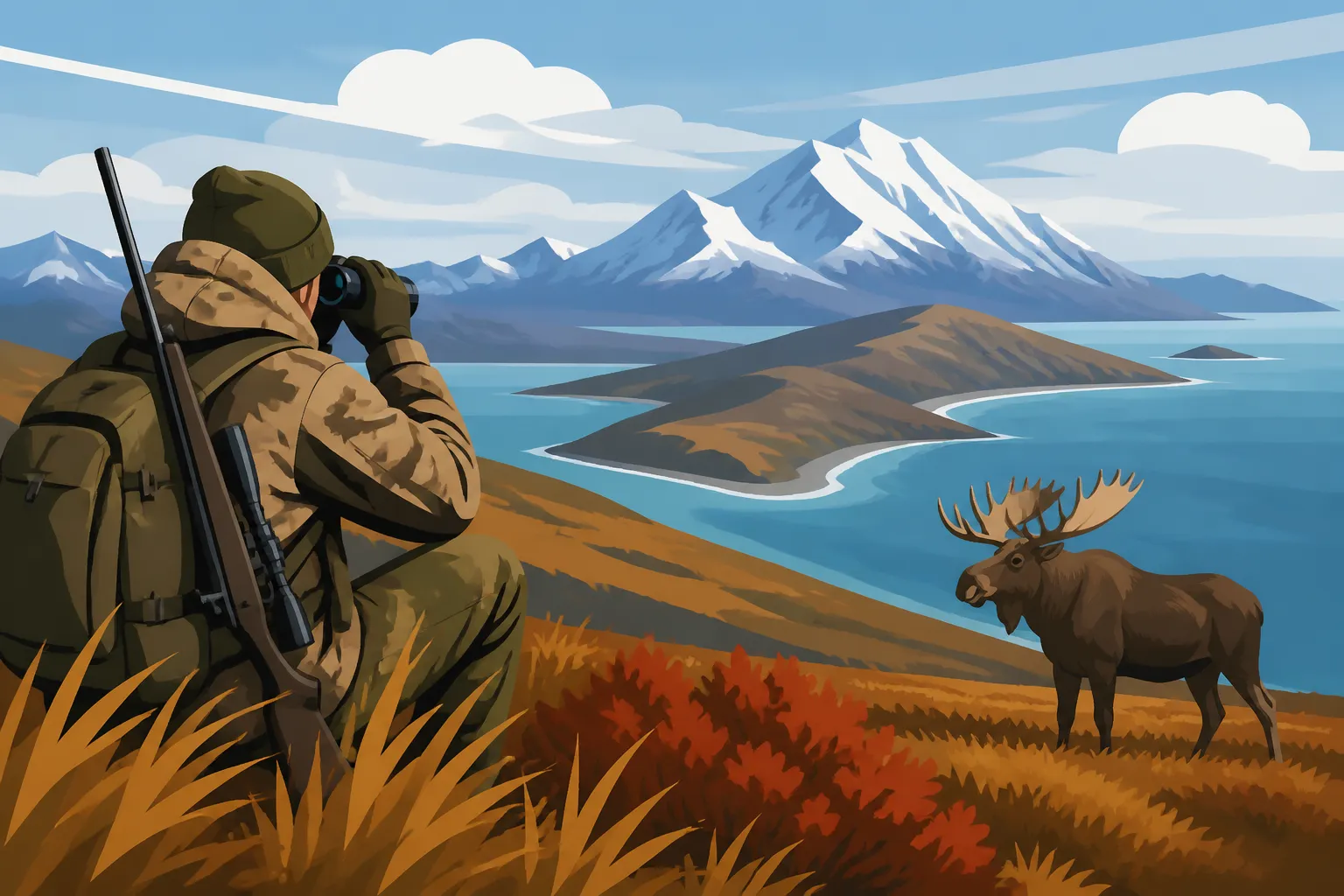
Hunting brown bear in 9E is overwhelmingly a spot-and-stalk affair. The vast, open nature of the tundra, while challenging for travel, offers incredible glassing opportunities. This is not a hunt where you sit in a treestand. You'll spend countless hours behind your optics, systematically dissecting mountainsides, river bottoms, and distant plains. High-quality binoculars (10x-15x) and a powerful spotting scope (20-60x or 25-75x) are absolutely critical for locating bears and, more importantly, for field judging them at extreme distances to ensure you are targeting a legal animal. The right tripod height is also essential for stability during all-day glassing sessions. For advanced glassing tactics, Glassing the Alaska Range: Finding Game Before You Move and Spotting Scope Power for Ram Judging offer valuable insights.
Once a bear is spotted and judged, the real work begins: the stalk. This can involve miles of walking, crawling, and navigating through challenging terrain. Using the contours of the land – draws, ridges, and depressions – to stay out of sight is paramount. Paying attention to wind direction is equally vital; a bear's nose is its primary defense, and you absolutely cannot afford to be scented. The final approach requires extreme stealth and often involves closing the distance to within a reasonable and ethical shooting range, which in this open country can still be several hundred yards. Recovering a bear in this expansive terrain also demands robust planning.
Field Care and Trophy Preservation in Remote Camps
The moment you've successfully harvested a brown bear in 9E, a new set of challenges immediately begins: field care. You're far from any taxidermy shop or freezer, and the weather can turn on a dime, quickly compromising a valuable hide and meat. The first priority is to quickly and efficiently skin the bear, taking extreme care to ensure the hide is properly caped for a full-size or shoulder mount. This involves precise cuts around the nose, eyes, ears, and paws. For detailed instructions on this intricate process, refer to Cape Care for a Life-Size Bear Mount.
Once the hide is off, it needs to be cooled as rapidly as possible. Spreading it out in the shade or on cold ground can help. If temperatures are above freezing, especially with any humidity, fleshing the hide thoroughly and liberally salting it as soon as possible is crucial to prevent hair slippage. You'll need a substantial amount of non-iodized salt for this. Drying or salting the hide in wet weather is a common issue, and Salting a Hide in Wet Weather provides tips for this difficult situation.
Don't forget the meat! In Alaska, brown bear meat must be salvaged for human consumption. While some hunters may be hesitant due to the risk of trichinosis, proper cooking eliminates this concern. You'll need to bone out all edible portions and protect them from contamination and scavengers. Alaska Bear Meat Salvage and Trichinosis Risk covers these requirements. The sheer volume and weight of a brown bear hide, skull, and meat mean you'll likely require multiple trips with your air taxi or guide to get everything out of the field, adding to the logistical complexity.
Navigating Regulations and Ethical Considerations
Hunting in Unit 9E, especially for brown bear, comes with a host of specific regulations designed to manage these incredible resources. Understanding and adhering to these rules is non-negotiable.
Understanding Alaska's Guide Requirement for Nonresidents
One of the most significant regulations for non-resident hunters pursuing brown bear (along with Dall sheep and mountain goat) in Alaska is the mandatory guide requirement. As a non-resident, you must be accompanied by an Alaska-licensed registered guide or assistant guide, or a close second-degree-kindred relative (e.g., parent, grandparent, child, sibling) who is an Alaska resident. This rule is in place to ensure ethical hunting practices, promote safety in remote areas, and contribute to the local economy.
Hiring an experienced, reputable guide is a substantial investment, but it's often the difference between a successful, safe hunt and a frustrating, potentially dangerous one. A good guide provides not only the expertise to find and harvest your animal but also handles the complex logistics, camp setup, and critical safety considerations. They are intimately familiar with the unit's terrain, bear behavior, and all the local regulations. To learn more about what guides provide, check out Hiring an Alaska Registered Guide-Outfitter. For a detailed explanation of the guide requirement for these species, Alaska's Brown Bear, Sheep and Goat Guide Requirement is an essential read.
Permit Systems, Tags, and Reporting
Brown bear hunting in Unit 9E typically falls under either a drawing permit system or a registration permit system, depending on the specific subunit and season. Drawing permits are highly competitive, requiring you to apply months in advance, often in the late fall or early winter for the following year's hunt. Registration permits, while not requiring a draw, often have specific sign-up periods and may close suddenly via emergency order if quotas are met. Regardless of the permit type, you will also need to purchase the appropriate locking tag for brown bear.
It is absolutely vital to check the current Alaska hunting regulations booklet well in advance of your hunt, as rules can change annually. Sites like GoHunt provide valuable resources and permit information for various units. Once you've harvested an animal, there are strict reporting and sealing requirements. Bear hides and skulls must be sealed by an Alaska Department of Fish and Game representative within a specific timeframe after the kill. This process confirms the legality of the harvest and helps the department gather critical biological data. Missing this deadline can result in significant penalties. Alaska Harvest Tickets, Registration Permits and Draw Permits outlines the different types of permits, and Alaska Sealing Requirements for Bear and Wolf Hides and Alaska Harvest Report Deadline After the Hunt provide essential information on post-harvest obligations.
Respecting the Land and Its Wildlife
Hunting in a place as wild and pristine as the Lower Alaska Peninsula is an extraordinary privilege, and it comes with a deep responsibility to uphold ethical hunting practices and leave no trace. This means more than just following the letter of the law; it's about honoring the spirit of conservation.
- Leave No Trace: Pack out everything you pack in, including all trash and spent shell casings. Minimize your impact on the fragile tundra by walking single-file where possible and avoiding unnecessary disturbance.
- Ethical Hunting: Make every effort to ensure a clean, humane kill. This means practicing with your rifle extensively, understanding your effective range, and taking only high-percentage shots. Be prepared for extensive tracking and recovery efforts, even if it means working late into the night.
- Wildlife Appreciation: Take the time to appreciate the incredible ecosystem you are a part of. Observe other wildlife, understand the interconnections, and reflect on the rarity of being in such an untouched wilderness.
- Safety First: Always prioritize safety, for yourself, your hunting partners, and your guide. This includes proper firearm handling, knowing your camp boundaries, and having a solid emergency plan.
The Lower Alaska Peninsula is a truly special place, a crucible for the dedicated hunter. Its challenges are immense, but the rewards—the profound experience of pure wilderness and the thrill of matching wits with one of North America's most iconic animals—are unparalleled.
Here's a comparison of what to generally expect from spring vs. fall brown bear hunts in Unit 9E:
| Feature | Spring Hunt (May-Early June) | Fall Hunt (September-October) |
|---|---|---|
| Primary Bear Activity | Emerging from dens, seeking early green-up | Concentrating on salmon streams, later moving to berries |
| Location | South-facing slopes, avalanche chutes, river bottoms | River and stream systems, berry patches across tundra |
| Visibility | Bears often visible against melting snow; good spotting | Often in thicker riverine vegetation or open tundra |
| Weather | Can be cold, windy, snow; more stable than fall often | Very wet, windy, foggy; highly unpredictable |
| Bear Concentration | Generally more dispersed; requires extensive glassing | Can be more concentrated around food sources |
| Vegetation | Sparse new growth, some snow cover, easier travel (on snow) | Full tundra growth, tall willows along rivers, boggy ground |
| Logistics | Can be affected by lingering ice on lakes/rivers | Highly susceptible to wind/fog delays for air travel |
| Trophy Quality | Bears thinner after denning, but hides can be prime | Bears often fatter, better fur after summer feeding, sometimes rubbed |
Disclaimer
This article is for general informational purposes only and does not constitute professional advice. Laws, prices and regulations vary by location and change over time. Consult a qualified professional for guidance on your specific situation.