Brown Bear Country in Alaska’s Unit 9
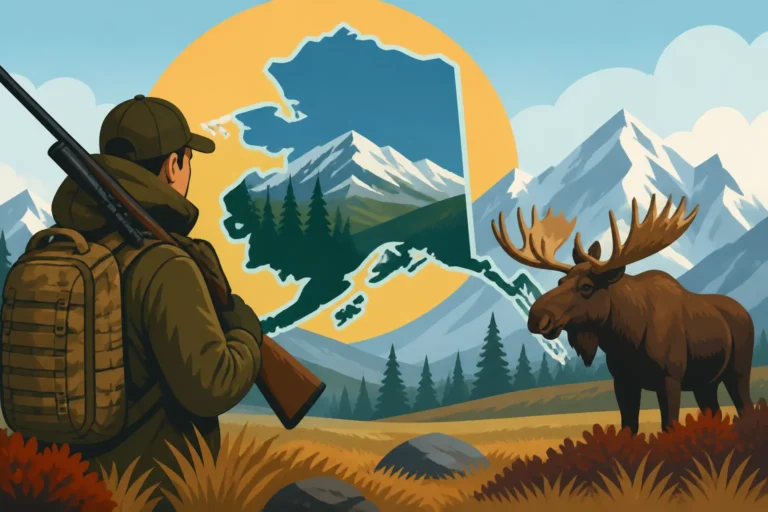
Hunting Alaska's Unit 9 for brown bear is a quest for many, drawn by the allure of enormous coastal bruins in truly wild country. However, the sheer scale and remoteness of this region present immense logistical hurdles and demand significant preparation. This guide will walk you through what makes Unit 9 a legendary brown bear hunting destination, how to navigate its challenges, and the essential strategies to put you in a position for a successful hunt.
Understanding Alaska's Unit 9 Geography and Bear Habitat
Unit 9 isn't just a place on a map; it's a vast, dynamic ecosystem where brown bears thrive, largely due to an abundant food source that shapes their very existence. This isn't your interior grizzly country; this is where bears grow truly massive.
The Diverse Landscapes of Unit 9
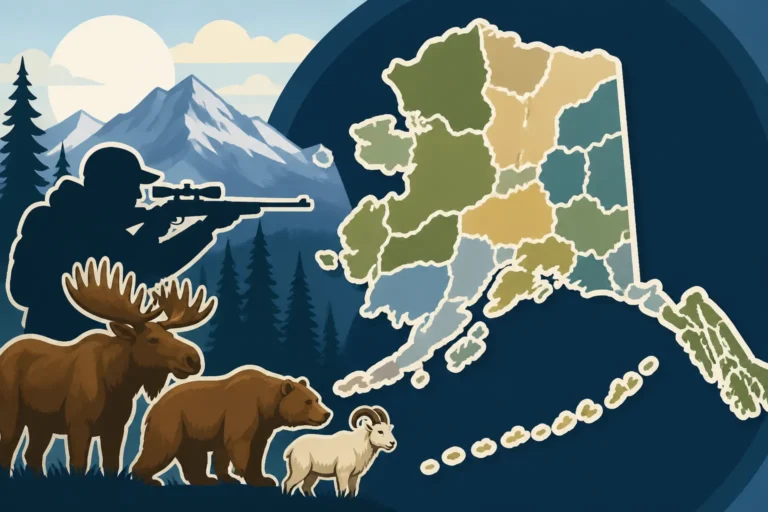
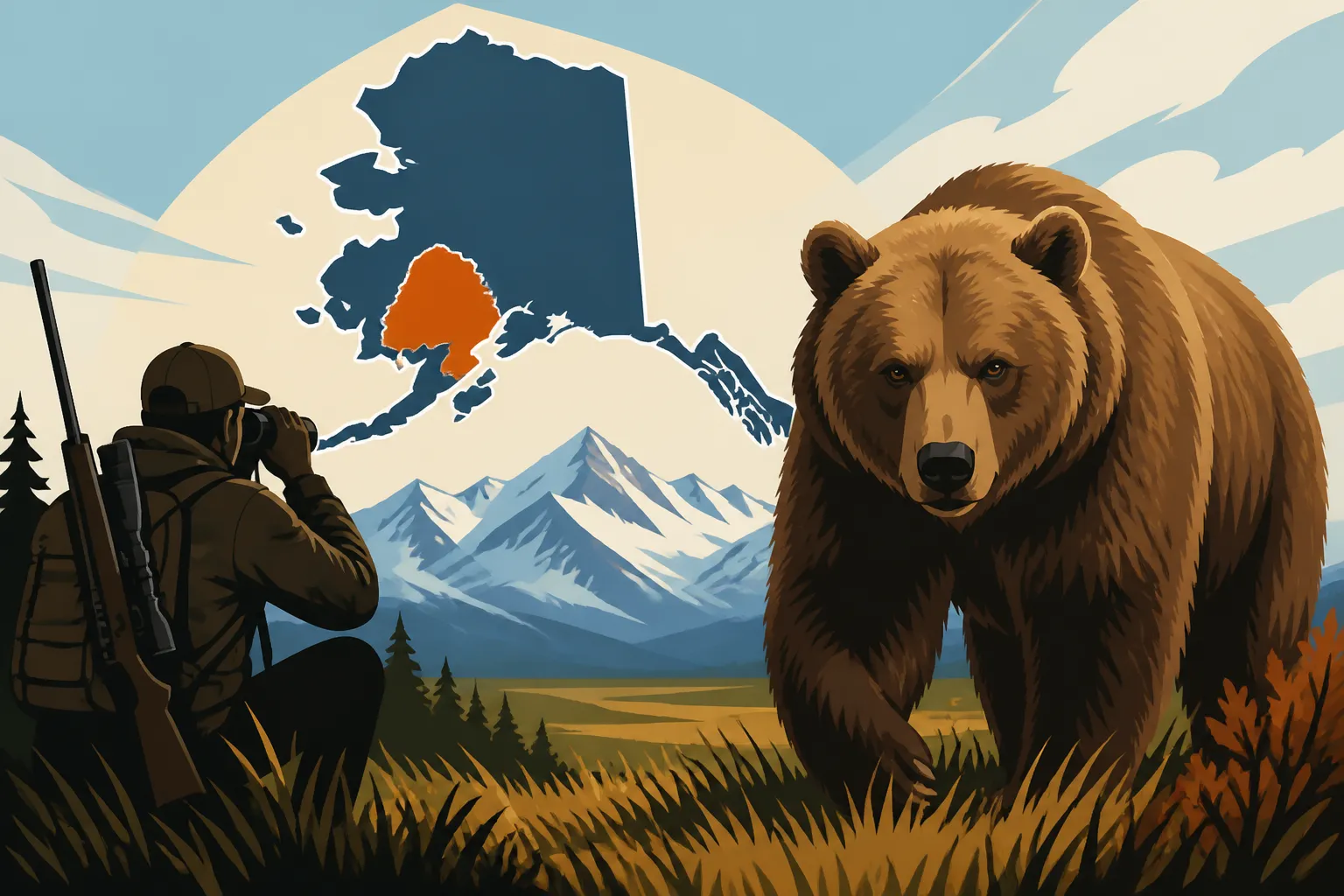
Imagine a place where the mountains meet the sea, carved by glaciers and fed by countless braided rivers. That's Unit 9, encompassing a significant portion of the Alaska Peninsula and the Aleutian Islands. Its topography ranges from windswept coastal plains and expansive tidal flats to towering volcanoes and rugged, alder-choked mountain slopes. You'll find broad, open tundra, perfect for glassing vast distances, interspersed with dense alders and willows that offer incredible cover for big bears. The sheer diversity of terrain means that brown bears can be found almost anywhere, from digging clams on a beach to grazing sedges on a high alpine slope. This incredible variety demands adaptability from the hunter and a deep understanding of how bears utilize different parts of this landscape throughout the year.
The geography of Unit 9 also dictates access and hunting tactics. The rugged mountains often mean challenging climbs, while the coastal areas are frequently marshy and difficult to traverse on foot. Understanding elevation changes, water crossings, and dense vegetation from your map and satellite imagery beforehand is crucial. A tool like onX Hunt can be invaluable here, allowing you to study satellite photos, mark potential bear travel corridors, and even identify subtle terrain features that might concentrate game or offer strategic glassing points. It’s not just about looking at a map; it's about imagining yourself on the ground, making those tough decisions about where to hike and where to set up camp.
Salmon Runs and Bear Concentrations
The undisputed kingmaker for brown bears in Unit 9 is salmon. The annual salmon runs, which begin in late summer and extend into fall, are an ecological feast that allows these bears to pack on enormous amounts of fat, essential for surviving the long Alaskan winter. Without this protein-rich bounty, the bears of Unit 9 simply wouldn't achieve the impressive size they are known for. Different species of salmon, from sockeye to coho, spawn at varying times, ensuring a sustained food source for bears over several months.
As these salmon push up the rivers and streams to spawn, brown bears descend from the mountains, congregating along the waterways. You'll find them actively fishing in shallow riffles, scavenging carcasses along the banks, and often just resting in the thick alders nearby, digesting their last meal and waiting for the next opportunity. For the hunter, this means focusing your efforts on these salmon-choked drainages. Look for signs of bear activity—torn-up salmon carcasses, fresh tracks in the mud, and flattened grass where they've bedded down. The timing of your hunt in relation to the salmon run can be critical; too early, and the bears might be dispersed; too late, and the peak of activity might have passed, or the weather could turn severe.
Accessing and Navigating Unit 9 for Brown Bear Hunting
Getting into Unit 9 and moving around within it is no small feat. It's often remote, wild, and unforgiving, requiring careful planning and a robust budget.
Fly-In Access Challenges and Considerations
For most hunters, especially those targeting the truly vast interior regions of Unit 9 or specific coastal areas without road access, flying in via an air taxi is the only viable option. This typically involves floatplanes for lake and river landings or wheel planes (often Super Cubs) that can touch down on gravel bars and improvised airstrips. The challenges here are numerous. Firstly, weather can be a major factor, causing delays and potentially trapping you in camp longer than expected. You need to build extra days into your schedule for this. Secondly, there are strict weight limits on bush planes, meaning every ounce of gear, food, and water needs to be carefully considered. Strapping Gear Loads for a Bush Flight is a crucial skill to master before you even leave home.
Choosing the right air taxi service is paramount. They know the country, understand the weather patterns, and are often the difference between a successful, safe hunt and a frustrating or even dangerous one. Be clear about your hunting goals and expectations, and listen to their advice. They can often provide invaluable insights into landing spots, recent bear activity, and safe pickup locations. When planning, utilize advanced mapping tools. I always recommend using onX Hunt to scout potential landing strips or gravel bars, mark them on your map, and even check elevations and distances from your proposed hunting areas. This kind of preparation makes your air taxi drop-off much smoother.
Boat-Based Hunting Along the Coastline
While fly-in access dominates, certain coastal areas of Unit 9 can be effectively hunted by boat, particularly within bays, fjords, and along major river deltas. This often means chartering a larger vessel that can handle the open water of the Bering Sea or Pacific Ocean, providing a mobile base camp from which to launch smaller skiffs or inflatables for shore excursions. The advantage of a boat-based hunt is the ability to cover vast stretches of coastline, move with the weather, and retreat to a more comfortable camp at the end of the day. It also allows for easier transport of a large bear hide and meat.
However, boat hunting comes with its own set of challenges. Tides are a huge factor; what looks like a great landing spot at high tide might be a mud flat or impassable rock garden at low tide. Tide Tables and Beach Deer Hunting gives you a sense of how critical tide knowledge is in coastal hunting. Rough seas can make travel impossible, and anchoring in exposed areas can be dangerous. You'll also need to be mindful of regulations regarding shooting from a boat or within specific distances of navigable waters. Thorough research and a knowledgeable boat captain are essential for a safe and productive hunt in these marine environments.
Permitting and Regulatory Specifics for Unit 9
Hunting brown bears in Unit 9 is generally conducted under a drawing permit system. This means you must apply for a specific hunt number during the annual application period, typically from November 1st to December 15th. Alaska's November 1 to December 15 Draw Application Window is a crucial period for any serious Alaska hunter. Success in the draw is often based purely on luck, as Alaska does not use a preference point system like many other states. The odds for these premier hunts can be quite low, so many hunters apply year after year.
Furthermore, non-residents hunting brown bears in Alaska are legally required to be accompanied by an Alaska-licensed guide or by an Alaskan resident who is a second-degree relative (e.g., parent, grandparent, child, grandchild, sibling, or spouse). This guide requirement is a significant factor in planning both the logistics and cost of a Unit 9 brown bear hunt. Alaska's Brown Bear, Sheep and Goat Guide Requirement clearly outlines this rule. Before you even apply for a permit, you should have a guide or relative lined up, as their schedule and availability will heavily influence your application choices. Always check the current Alaska Department of Fish and Game (ADF&G) regulations booklet for the most up-to-date information, as season dates, bag limits, and specific unit rules can change. GoHunt can be a useful resource for researching draw odds and unit specifics, helping you make informed decisions when applying for these highly coveted permits.
Strategies for Hunting Brown Bears in Unit 9
Once you've navigated the access and permit maze, the real work of hunting begins. These bears are formidable animals, and success demands patience, keen observation, and robust field skills.
Spot-and-Stalk Techniques in Open Tundra and River Systems
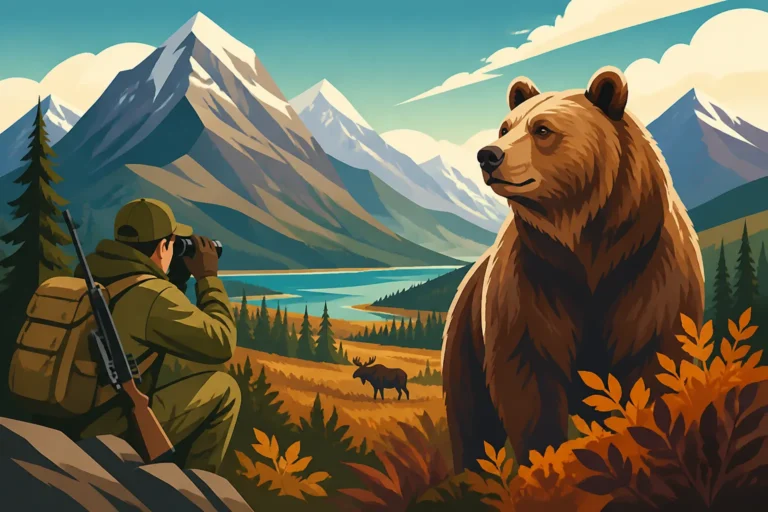
The vast, open landscapes of Unit 9 lend themselves perfectly to spot-and-stalk hunting, especially during the fall salmon runs. Your primary tool here will be high-quality optics: binoculars, a spotting scope, and a sturdy tripod are non-negotiable. Spend hours, even entire days, perched on a vantage point, methodically Glassing the Alaska Range: Finding Game Before You Move. Look for any movement, any subtle color variation against the tundra, any dark blob that doesn't quite look like a rock. Bears often move at dawn and dusk, but during the salmon season, they can be active throughout the day, particularly on overcast days or in areas with consistent salmon activity.
When glassing river systems, pay close attention to the bends, gravel bars, and the edges of alder thickets. Bears will often move along these corridors, fishing in the shallow water or resting in the dense cover. Once you spot a bear, the real challenge begins: planning your approach. The wind is always your master; you must stay downwind. Use natural terrain features—ridges, draws, brush lines—to stay out of sight. Remember, the goal isn't just to get close, but to get into a position for a clean, ethical shot on a large, potentially dangerous animal. This can mean crawling for hundreds of yards through wet tundra or crossing freezing rivers.
Tracking Bear Sign and Behavior
Beyond direct visual spotting, understanding and interpreting bear sign is a critical skill in Unit 9. Fresh tracks in the mud or sand along a riverbank can tell you not only that a bear is in the area but also its size and direction of travel. Look for large, wide tracks with distinct claw marks. Scat can indicate recent feeding habits (full of berries, grass, or, during salmon season, fish remains) and the freshness of the activity. Rubs on trees, often low to the ground, or diggings in meadows for roots and ground squirrels, all paint a picture of bear presence.
Bears in Unit 9, especially the large boars, can be surprisingly solitary outside of the breeding season. Understanding their behavior during the salmon run is key. They often establish prime fishing spots, and while there might be multiple bears in a drainage, they tend to respect each other's space. Look for heavily used game trails leading from the river to dense cover where they might bed down. Watching a bear for an extended period, perhaps for an hour or more, can reveal its pattern of movement, feeding, and bedding, giving you the critical information needed to plan your stalk.
Bear Safety Protocols in Dense Bear Country
Hunting brown bears in their prime habitat means you are in their home, and they are at the top of the food chain. Bear safety is not just a suggestion; it is a fundamental part of every decision you make in Unit 9. Always carry a large-caliber firearm and bear spray, and know how to use both quickly and effectively. Your rifle should be something capable of stopping a charging bear, and you should practice shooting it from various positions under pressure. Rifle Choice for Alaska Brown Bear Country is a topic to take seriously.
Setting up a safe camp is paramount. All food, garbage, and scented items must be stored in bear-resistant containers or hung from a tree, well away from your sleeping area. A portable electric bear fence around your tent can provide an invaluable layer of protection, particularly if you're alone or in a meat camp. Bear Fence Setup at a Meat Cache is a skill every Alaska hunter should master. When you're actively hunting or quartering a kill, stay vigilant. Bear Safety While Butchering a Kill in Alaska requires constant awareness, with one person always on watch while others work. Make noise when traveling through dense brush to avoid surprising a bear, and always assume a bear could be around the next bend. This isn't paranoia; it's prudent caution that saves lives.
Field Care and Salvage in Remote Unit 9
Killing a brown bear is only half the battle. In the remote confines of Unit 9, the real work begins after the shot. Proper field care is not just about preserving your trophy; it's a legal and ethical obligation.
Proper Field Butchering for Meat and Trophy
Under Alaska law, you are required to salvage the edible meat of a brown bear, just like any other big game animal. This means you can't just take the hide and skull and leave the rest. The meat may not be prized like moose or caribou, but it is excellent table fare if handled correctly, especially if you cook it thoroughly to avoid parasites like trichinosis. Alaska Bear Meat Salvage and Trichinosis Risk is a reality you need to understand. Immediately after the kill, you must begin the meticulous process of skinning and caping the bear. This is a big job, often requiring multiple people and specialized tools.
The hide must be removed carefully, paying close attention to the feet, head, and tail. For a life-size mount, every detail matters. The skull must also be completely cleaned of all meat and brain matter. The hide itself needs to be fleshed and salted as soon as possible to prevent hair slip. This is often done in the field, a greasy, messy, but necessary task. Having a good quality game bag or specialized bear hide bag is essential for protecting the hide during transport. Cape Care for a Life-Size Bear Mount is an art form, and doing it right in the field sets the stage for a beautiful taxidermy piece.
Transporting Meat and Hide Out of the Bush
Moving a full brown bear hide, skull, and the required salvageable meat out of Unit 9 is a massive logistical challenge. A large boar can weigh upwards of 800-1000 pounds or more, yielding hundreds of pounds of meat and a hide that, even without the skull, is incredibly heavy. This often requires multiple trips by air taxi, which can add significant cost and complexity to your hunt. You need to coordinate closely with your air taxi pilot to ensure they can accommodate the load and return for pickups in a timely manner.
Cooling the meat and hide quickly is crucial, especially if hunting in warmer early fall weather. Hang the meat off the ground and in the shade to allow air circulation. The hide, once fleshed and salted, needs to be rolled up and kept as cool as possible. If you are far from your pickup point, you might need to make multiple pack loads, caching some meat while you ferry others. This is where physical fitness really pays off; Backpack Hunting in Alaska: Gear Weight and Meat Loads becomes a very real consideration when you're packing out a bear.
Sealing Requirements and Post-Hunt Obligations
After successfully harvesting a brown bear, you have specific legal obligations to fulfill with the Alaska Department of Fish and Game (ADF&G). Within 30 days of the kill, or sooner if required by specific hunt conditions, you must present the hide and skull to an ADF&G representative for sealing. Alaska Sealing Requirements for Bear and Wolf Hides is a mandatory step. This process involves the department inspecting the hide and skull, checking for compliance with regulations, and affixing a metal seal. This seal legally validates your harvest and allows you to transport and possess the trophy.
During the sealing process, officials will typically collect biological data, such as a tooth for aging the bear, and confirm sex. Make sure you have all your permit and license information readily available. If you're a nonresident, your guide will typically assist you with this process, often coordinating with a regional ADF&G office. Neglecting these sealing requirements can lead to severe penalties, including fines and forfeiture of your trophy. It's the final, crucial step in completing your Unit 9 brown bear hunt responsibly and legally.
| Characteristic | Coastal/Unit 9 Brown Bear | Interior Grizzly |
|---|---|---|
| Primary Diet | High protein: Salmon, marine mammals, berries, roots | Varied: Berries, roots, small mammals, carrion, some moose/caribou calves |
| Average Size | Larger, often exceeding 800 lbs, with impressive skull size | Smaller, typically 300-600 lbs, but still formidable |
| Habitat | Coastal plains, river deltas, volcanic slopes, dense alders | Mountains, tundra, spruce forests, braided river valleys |
| Typical Access | Air taxi (float or wheel plane), charter boat | Air taxi (wheel plane), ATV, some road access, backpack |
| Hunting Style | Spot-and-stalk, often focusing on salmon streams or open tundra | Spot-and-stalk, often covering vast open areas |
| Concentration | High concentrations around salmon streams in fall | More dispersed, often solitary unless on a kill |
Disclaimer
This article is for general informational purposes only and does not constitute professional advice. Laws, prices and regulations vary by location and change over time. Consult a qualified professional for guidance on your specific situation.