Spotting Scope Power for Ram Judging
Trying to accurately judge a Dall ram across vast Alaskan landscapes can feel like trying to solve a puzzle with half the pieces missing. The sheer distance, coupled with the critical need to identify a legal full-curl ram, often leaves hunters frustrated and second-guessing themselves. This guide will walk you through optimizing your spotting scope power and technique to confidently judge rams in the field, helping you avoid costly mistakes and make the most of your high-country hunt.
Understanding the Challenge of Dall Ram Judging
Hunting Dall sheep in Alaska is arguably one of the most physically demanding and mentally challenging pursuits. These magnificent animals live in some of the most unforgiving terrain imaginable, making every aspect of the hunt, especially field judging, incredibly difficult.
The Alaska Landscape and Its Demands
Picture this: you're perched on a glassing knob, squinting through your scope, trying to discern horn characteristics of a ram bedded a mile or two away on a distant mountain. Alaska's sheep country, be it the rugged Chugach Mountains, the vast Alaska Range, or the remote Brooks Range, presents unique optical challenges. The air shimmering with heat (mirage) on a sunny day can distort your view, making it nearly impossible to see fine details. The immense scale of the landscape often plays tricks on your eyes, making rams appear smaller or closer than they truly are. Even in crisp, clear conditions, the sheer distance requires top-tier optics and precise application. This isn't like deer hunting in timber; you're often looking at a tiny white speck against a backdrop of rock and snow, demanding the absolute best from your gear and your eye.
The Legal Requirements of a Full Curl
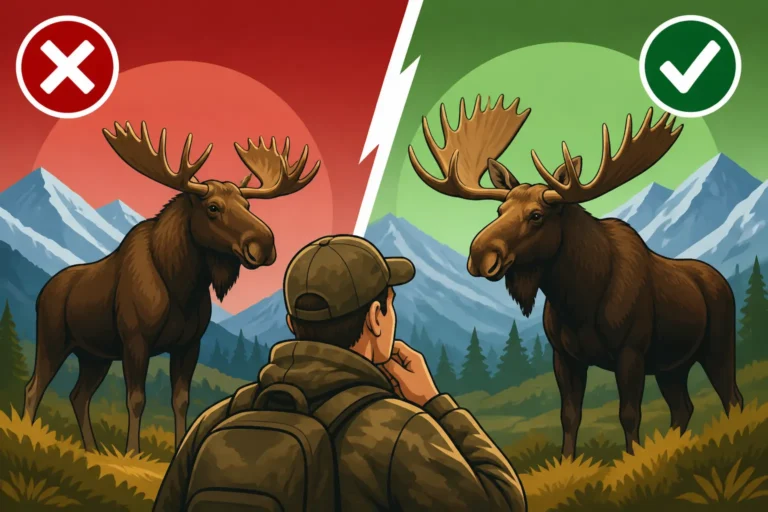
The biggest hurdle, and the one that causes the most anxiety for hunters, is the legal definition of a "full curl" ram. In Alaska, a ram is generally considered legal if its horn tip breaks the plane of its head when viewed from the side, or if it is at least eight years old as determined by growth rings, or has horns measuring 3/4 curl or larger and is "broomed" or broken-off significantly. Misjudging a ram can lead to a citation for taking a sublegal animal, a heavy fine, and the loss of your trophy and meat. There’s immense pressure to get it right. You need to be able to clearly see the horn's curvature, the tip's orientation relative to the eye, and, if possible, even count annuli rings on a live ram, which is a testament to the clarity and power needed. This is where your spotting scope becomes your most vital tool, allowing you to essentially bring the ram right to you, without spooking it.
The Sweet Spot: Optimal Spotting Scope Magnification for Rams
When it comes to spotting scopes, many hunters fall into the trap of thinking "more power equals better." While high magnification certainly has its place, there's a delicate balance to strike, especially when judging the nuanced curl of a Dall ram.
Why Too Much Power Can Be Detrimental
Pushing your spotting scope to its maximum magnification, say 75x or 80x, might seem like the logical choice for long-range judging. However, this often comes with significant drawbacks. First and foremost, the higher the magnification, the more pronounced any atmospheric interference becomes. Mirage, those shimmering heat waves rising from the ground, will distort your view far more at 75x than at 40x. What might look like a solid horn at 40x can become a wobbly, undefined blob at 75x. Second, higher magnification drastically reduces your field of view, making it harder to even find the ram once you've located it with binoculars. It also makes it incredibly difficult to track a moving animal. Lastly, any slight vibration or instability from your tripod is magnified exponentially, turning a subtle shake into a jarring jump, which makes fine detail observation nearly impossible. When you're trying to precisely assess Full-Curl Judging From Below the Ram, stability and a steady image are paramount.
Finding the Balance: 20-60x or 25-75x
For most Dall sheep hunters, a variable power spotting scope in the 20-60x or 25-75x range offers the best compromise between wide field of view for initial spotting and high magnification for detailed judging.
- 20-30x (or lower end of your variable range): This is your scanning power. Use this to quickly locate rams, assess group dynamics, and get a general idea of horn size. The wider field of view makes it easier to sweep vast slopes, much like you would when Glassing the Alaska Range: Finding Game Before You Move.
- 30-50x (mid-range): Once you've identified a potential shooter, dial into this range. Here, you can start to observe horn mass, length, and the initial curvature. It's often enough power to confirm whether a ram is mature or if it has obvious brooming. This power range typically provides a clearer image with less mirage distortion than the very highest settings.
- 50-75x (high-end): This is your final judging power. Reserve this for the absolute critical assessment when you need to confirm the horn tip's relationship to the skull, identify a definitive full curl, or meticulously examine age rings. Use it sparingly and strategically, focusing on short bursts of observation, particularly when the mirage is at its lowest during early mornings or late evenings. Remember, the quality of your glass will truly shine at these higher magnifications. When you need to determine How Long to Watch a Ram Before Shooting to ensure legal status, this higher power becomes indispensable for those final, crucial observations.
Brands like Swarovski, Kowa, and Vortex offer excellent glass that performs well across these ranges. Many experienced guides and outfitters, some of whom list their services on platforms like GoHunt, will emphasize the importance of high-quality glass that can perform reliably at higher magnifications without excessive chromatic aberration or image degradation.
The Role of Objective Lens Size
The objective lens, the large lens at the front of your scope, is crucial for gathering light. Common sizes for hunting spotting scopes are 65mm, 80mm, and 95mm.
- 65mm: Lighter and more compact, making it ideal for backpack hunting where every ounce counts. It's perfectly capable for judging rams in good light, but its performance will diminish faster in low-light conditions.
- 80-85mm: This is often the sweet spot for many sheep hunters. It gathers significantly more light than a 65mm, providing brighter images, especially at higher magnifications and in dim conditions (dawn/dusk). While heavier, the improved performance is often worth the extra weight.
- 95mm and larger: These are the ultimate light gatherers, offering the brightest images possible. However, they are considerably heavier and bulkier, often reserved for hunters who don't have to carry their gear too far or are setting up a dedicated, long-term glassing station.
For a long-distance hunt where you're often Backpack Hunting in Alaska: Gear Weight and Meat Loads for days on end, choosing between an 80mm and 65mm objective often comes down to personal tolerance for weight versus the perceived benefit of light gathering. A good 65mm scope from a premium manufacturer can often outperform a mediocre 80mm scope in terms of image clarity and resolution, so don't just chase objective size without considering the glass quality.
Beyond Magnification: Other Factors for Accurate Judging
While having the right spotting scope and understanding magnification is foundational, it's only one piece of the puzzle. Several other critical factors profoundly impact your ability to accurately judge a Dall ram in the field.
Tripod Stability and Glassing Technique
A spotting scope, regardless of its quality or magnification, is only as good as the tripod it sits on. This isn't an accessory; it's an extension of your optics. A flimsy, wobbly tripod will render even the best scope frustratingly unusable at higher magnifications.
- Rock-Solid Foundation: Invest in a robust, carbon fiber tripod with a smooth, fluid pan head. Brands like Gitzo, Really Right Stuff, or even sturdy photography tripods from Manfrotto are excellent choices. The goal is zero movement when you let go of the scope.
- Proper Setup: Always extend the tripod legs first, not the center column. The center column introduces wobble. Plant the legs firmly, especially in windy conditions. You might even use rocks to weigh down the tripod or brace it against your body. Learning about Tripod Height for All-Day Glassing can significantly reduce fatigue and improve stability.
- Controlled Movements: When scanning, use slow, deliberate movements. Avoid jerking the scope around. Imagine you're painting with light; smooth strokes reveal more. Break the landscape into grid patterns, systematically searching every nook and cranny. This systematic approach, often called Glassing Grids That Cover a Whole Basin, ensures you don't miss anything.
Environmental Conditions and Light
Alaska's weather is notoriously unpredictable and can dramatically affect your glassing conditions.
- Mirage: This is the bane of long-range glassing. It's caused by heat rising from the ground, distorting images. It's worst midday on sunny days. To combat it, try to glass early mornings or late evenings when temperatures are cooler. You might need to dial down your magnification to cut through less severe mirage.
- Light Conditions: Early morning and late evening typically offer the best light for judging. The sun's low angle creates shadows that highlight horn contours, making it easier to discern details. Overcast days can provide soft, even light, which is excellent, but they also reduce overall brightness. Bright, overhead sun can wash out details and create glare. Understanding how to use natural light to your advantage is crucial when you're Reading Sheep Country From a Glassing Knob.
- Precipitation and Fog: Rain, snow, or fog can make glassing impossible. If weather moves in, you might have to shift your strategy, potentially moving closer or waiting for a break. However, sometimes a brief clearing after a weather event can offer exceptionally clear views as the air has been 'washed' clean of particulates.
Quality of the Glass
You can have the perfect magnification and a rock-solid tripod, but if your scope has poor optical quality, you'll still struggle. High-quality glass, like that found in top-tier scopes, offers:
- Clarity and Resolution: The ability to resolve fine details. This means seeing crisp, sharp lines on the horn, not fuzzy edges.
- Color Fidelity: Accurate color representation, which helps distinguish between the natural horn and shadows or rock.
- Light Transmission: The amount of light that passes through the optics to your eye. Good light transmission results in a brighter image, critical in low light.
- Edge-to-Edge Sharpness: The image remains clear and sharp even at the edges of the field of view, not just the center. This is especially important when you're panning and need to maintain visual on a moving ram.
Brands like Swarovski, Zeiss, Leica, Kowa, and high-end Vortex models consistently deliver on these fronts. While expensive, a premium spotting scope is often a lifetime investment for an Alaskan sheep hunter.
Practical Tips for Glassing and Judging Rams
Beyond the gear, effective field judging is a skill honed through practice, patience, and a methodical approach. It’s not just about looking; it’s about how you look.
Setting Up for Success
Before you even turn on your spotting scope, think about your position.
- Elevation is Key: Always try to get above the sheep. This gives you a better angle of view, often eliminating the issue of trying to judge a curl against a sky-line, which can be deceiving. Being higher also helps reduce the amount of ground mirage you look through.
- Stable Platform: Seek out a comfortable, stable position. A flat rock, a small bench, or even a slight depression can offer a solid rest for your tripod legs. A kneeling or sitting position is generally more stable than standing, especially for prolonged glassing sessions. If you're establishing a Setting Up a Spike Camp Above a Sheep Basin, make sure your primary glassing spot is part of that plan.
- Sun at Your Back: Whenever possible, position yourself so the sun is at your back, illuminating the ram. Looking into the sun creates glare and shadows that obscure detail.
- Comfort: You'll be spending hours behind the glass. Bring a comfortable pad to sit on, stay hydrated, and dress in layers. Discomfort leads to impatience, and impatience leads to mistakes. Utilizing a platform like GoHunt can help you research specific unit regulations and terrain features ahead of time, allowing you to plan out ideal glassing locations.
Using Rangefinders and Known Objects
Rangefinders are indispensable for judging distance, which directly impacts your perception of size.
- Accurate Ranging: Always range the ram. Knowing the precise distance helps you compensate for any optical illusion that makes it seem closer or farther.
- Known Reference Points: Find known reference points near the ram, such as boulders, stunted trees, or distinct rock formations. Range these objects too. This gives you context and helps calibrate your eye. For example, if you know a particular boulder is 5 feet tall, and the ram appears to be a bit taller than it, you can start to build a more accurate mental image of its true size.
- Comparing to Other Rams: If there are multiple rams in a group, compare the one you're judging to others, especially if you can definitively identify a sublegal ram. This contrast can highlight subtle differences that confirm legality. Don't be afraid to take your time and follow the advice of experienced hunters on How to Judge a Full-Curl Ram in the Field.
Patience is Key: Watching Ram Behavior
Dall rams are often surprisingly tolerant of distant human presence, but they are wary. Patience is your greatest ally.
- Observe Movement: Watch the ram move. Sometimes, a walking or standing ram reveals horn characteristics that are obscured when it's bedded. The way the horn sits on its head, or how it carries its head, can provide clues.
- Wait for the Right Angle: Don't rush a judgment. If the ram is facing you or quartering away in an awkward position, wait for it to shift. It might bed down in a different spot, or stand up to feed, offering that perfect broadside view you need to confirm the curl. You may need to wait hours, or even a full day, for the right moment. This aligns with the strategy of Spot-and-Stalk Dall Sheep Hunting Above Alaska Timberline, where patience truly pays off.
- Confirm, Confirm, Confirm: Once you think you have a legal ram, mentally run through all the legal criteria again. Can you clearly see the tip break the plane? Can you count eight annuli if you're going by age? Is there a significant broom that qualifies it? Never pull the trigger on a guess. If there's any doubt, hold off. Many hunters use scouting tools from GoHunt to identify potential ram habitat and historical data on horn growth in specific areas, which can help in pre-hunt preparation for judging.
- Signal Devices and Check-In Plans: For solo hunters, always have Signal Devices and Check-In Plans for Solo Alaska Hunts in place. Knowing you're prepared for emergencies allows you to focus more intently on the task at hand, which includes careful judging. Also, remember to download Downloading Offline Maps Before a Fly-In to ensure you always know your location and can navigate safely in this challenging terrain.
Comparing Spotting Scope Magnification Ranges for Ram Judging
| Magnification Range | Best Use Case | Pros | Cons |
|---|---|---|---|
| 20-30x | Initial scanning, locating rams, wide field of view | Easy to find and track animals, less mirage interference, bright | Limited detail for definitive judging of curl/age |
| 30-50x | Mid-range assessment, confirming mass/length, behavior | Good balance of detail and field of view, less prone to wobble | May still lack the fine detail needed for precise curl assessment |
| 50-75x | Final legal confirmation, counting rings, fine detail | Maximizes detail, essential for definitive legal judging | Exaggerates mirage and wobble, narrow field of view, dimmer image |
This table illustrates the progression of using your scope from general observation to critical assessment. No single magnification solves all problems, but using the right power at the right time significantly increases your chances of making a confident, legal harvest.
Disclaimer
Hunting in Alaska involves inherent risks. This guide provides general information and best practices; however, regulations, conditions, and personal abilities vary. Always consult the most current Alaska Department of Fish and Game regulations and consider hiring a licensed guide for challenging hunts. Safety, legality, and ethical conduct are paramount.