Military Lands Open to Alaska Hunters
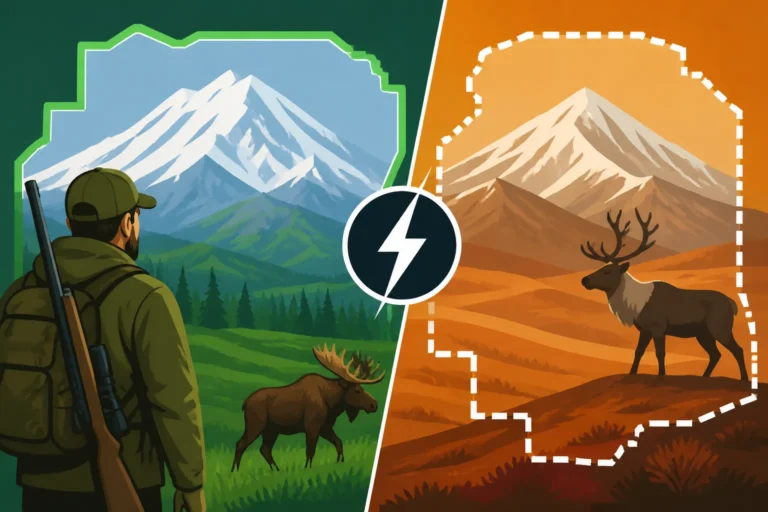
For many hunters new to Alaska, the idea of pursuing game on military lands might seem like a non-starter. You might envision barbed wire, stern guards, and absolutely no public access. And honestly, it's easy to feel that way when you're trying to figure out the labyrinthine regulations of hunting in the Last Frontier. But here's the exciting truth: several key military installations across Alaska actually offer fantastic, often underutilized, hunting opportunities for both residents and non-residents. This isn't just about saving money on a remote bush plane; it's about accessing diverse habitats that often hold healthy game populations, all while operating under a unique set of rules. This guide will help you understand how to navigate the specific permitting, access, and safety requirements to unlock these hidden hunting grounds.
Understanding Alaska's Military Lands
Alaska's military presence is substantial, a reflection of its strategic importance. What many don't realize is that these installations often encompass vast tracts of land, far more than just barracks and airfields. These areas, while primarily designated for defense and training, can also serve as surprisingly rich hunting grounds, offering a blend of accessible terrain and sometimes lower hunting pressure than comparable public lands.
The Scale of Military Presence in Alaska
When we talk about military lands in Alaska, we're not just talking about small outposts. We're referring to sprawling installations like Joint Base Elmendorf-Richardson (JBER) near Anchorage, Fort Wainwright just outside Fairbanks, and the massive Fort Greely complex in the Interior. These areas cover hundreds of thousands of acres, featuring diverse Alaskan ecosystems—from dense boreal forests and willow flats perfect for moose, to open tundra and alpine areas that might hold caribou or even bears.
The sheer size of these areas means they often harbor healthy populations of game. Unlike areas directly adjacent to urban centers that see constant recreational pressure, military lands, with their controlled access, can sometimes offer a more secluded hunting experience. This isn't to say they're untouched wilderness, but the regulations often mean that hunter numbers are managed, which can translate to better hunting quality for those willing to jump through the hoops.
Why Military Lands Are Regulated Differently
Hunting on military lands isn't like hunting on state or federal lands. While the Alaska Department of Fish and Game (ADF&G) regulations still apply regarding seasons, bag limits, and legal methods, military installations add their own layer of rules and requirements. This dual layer of regulation exists because the primary mission of these bases is national defense and troop training. Hunting is a secondary activity, permitted only when it doesn't interfere with military operations and can be conducted safely.
This means you'll encounter additional steps like mandatory base access permits, safety briefings, and often specific entry and exit points. You might find that certain areas are off-limits due to active training, unexploded ordnance (UXO) risks, or sensitive environmental concerns. It's a system designed to ensure the safety of both service members and hunters, and it requires a different mindset than simply grabbing your state hunting license and heading into the backcountry. You're entering a highly controlled environment, and adherence to all rules, both state and military, is paramount.
Key Military Installations with Hunting Opportunities
Alaska is home to several major military installations, and while not all are open for hunting, a select few provide significant opportunities. Each has its own unique character, challenges, and rewards for the dedicated hunter.
Joint Base Elmendorf-Richardson (JBER)
Nestled right on the edge of Anchorage, JBER offers some incredibly convenient hunting opportunities for those living in or visiting Alaska's largest city. Don't let its proximity to urban sprawl fool you; JBER encompasses vast wilderness areas, including extensive forests, wetlands, and even some higher ground. This diverse habitat makes it a prime location for various species, most notably moose, but also black bears, snowshoe hare, and various waterfowl. The ability to hunt moose literally minutes from a major city is a unique Alaskan perk.
To hunt on JBER, you'll need to navigate a specific online permit system, which includes a background check and often a mandatory safety briefing. You'll register your firearms and vehicles, and learn about the specific zones open for hunting, which can change frequently based on military operations. One of the biggest advantages here is the relatively lower effort required compared to a full-blown bush hunt. However, the convenience also means it can be popular, so early planning is crucial. Remember to always check both the base regulations and the latest Alaska Harvest Tickets, Registration Permits and Draw Permits from ADF&G, as both apply. For specific details on how to get started, you'll want to look into Getting a Hunting Permit for JBER.
Fort Wainwright and Training Area Boundaries
Further north, outside Fairbanks, lies Fort Wainwright, another major installation with substantial hunting lands. The terrain here transitions to more classic Interior Alaska boreal forest, punctuated by rivers like the Chena and Salcha. This area is known for its strong moose populations, and in some years, migrating caribou from herds like the Fortymile can pass through, offering exciting opportunities. Black bears are also common, along with various small game species.
Hunting on Fort Wainwright's lands, including its extensive training areas, requires a separate access permit system managed by the base. This typically involves registering online, potentially completing an orientation, and checking daily or weekly schedules for open hunting zones. Military operations take precedence, so flexibility is key. Areas might close suddenly for exercises, and it’s your responsibility to stay informed. Given the dynamic nature of these areas, having a mapping tool like onX Hunt can be incredibly useful for visualizing current boundaries and open zones, especially when cross-referencing with official military maps. If you're considering this area, familiarize yourself with Fort Wainwright Hunting Access Permits.
Fort Greely and the Controlled Use Area
Fort Greely, located near Delta Junction, is perhaps best known to hunters for its close association with the Delta Bison Herd, but it also offers opportunities for moose, caribou, and black bear. The lands surrounding Fort Greely are vast and include a significant area known as the Fort Greely Controlled Use Area, which has specific restrictions on motorized access during certain times of the year, enhancing the quality of the hunt for those willing to go on foot.
Access to hunt on Fort Greely's lands requires coordination with base officials, similar to JBER and Fort Wainwright. You'll need to secure base access, register your weapons, and adhere to specific entry and exit procedures. Due to its location in the Interior, hunters here often contend with colder temperatures and earlier snow than coastal areas. The controlled use area itself is designed to spread out hunting pressure and provide a more remote experience without the need for air charters. It's a fantastic option for those seeking a road-accessible "bush" hunt that isn't quite as remote as a true fly-in operation.
The Permit and Access Process: More Than Just a License
Hunting on military lands in Alaska is not a spontaneous affair. It requires careful planning and a thorough understanding of a multi-layered permitting and access system. It’s definitely more involved than just buying a state license, but the rewards can be well worth the extra effort.
Securing Your Military Land Hunting Permit
Think of your military land hunting permit as a separate pass, distinct from your state hunting license and any required harvest tickets or drawing permits from ADF&G. This permit is issued by the specific military installation you intend to hunt. The process typically starts online, where you'll create an account, submit personal information, and undergo a background check. This can take time, so don't wait until the last minute. It's not uncommon for this process to include a mandatory online or in-person safety orientation, covering everything from land navigation to unexploded ordnance awareness and emergency procedures.
You'll usually be required to register any firearms you plan to bring onto the base. This involves providing make, model, and serial number. Some bases may have specific caliber restrictions or rules about transporting uncased or loaded firearms. Furthermore, vehicle registration might be necessary, and you might receive specific decals or passes for your dashboard. The key takeaway here is patience and meticulous attention to detail. Every step is there for a reason, primarily safety and security, so ensure you complete everything exactly as instructed.
Understanding Access Zones and Restrictions
Military lands are not a free-for-all; they are highly managed spaces, often divided into various zones with different rules. You might find areas designated as "impact zones" (where live fire occurs) that are permanently off-limits, "training zones" that open and close based on military exercises, and "general access" areas where hunting is more regularly permitted. These zones can change dynamically, sometimes daily or weekly, depending on the base's operational needs.
It's your responsibility to stay informed about which zones are open for hunting on any given day. This often involves checking online portals, calling recorded hotlines, or monitoring physical bulletin boards at base entry points. This is where modern mapping tools can be invaluable. Products like onX Hunt allow you to download maps for offline use and create custom layers or waypoints that can help you track these ever-changing boundaries. You can often overlay maps provided by the base with your GPS, ensuring you're always in a legal, open hunting area. Similarly, services like GoHunt might offer additional insights or forums where hunters discuss current conditions and access challenges. This constant vigilance is a major component of hunting military lands.
Safety Briefings and Mandatory Requirements
You can't just wander onto a military installation with a rifle. Every base has a strict safety protocol, and mandatory safety briefings are a cornerstone of this. These briefings aren't just a formality; they cover critical information specific to the unique hazards of military training lands. You'll learn about recognizing and reporting unexploded ordnance (UXO), which, while hopefully rare, is a serious risk in certain areas. You'll be instructed on range safety, emergency contact procedures, and potentially specific rules for carrying or discharging firearms within certain areas of the base.
These briefings ensure that you understand the non-negotiable aspects of hunting on military land. Failure to adhere to these safety regulations can result in immediate revocation of hunting privileges, hefty fines, and potentially more severe legal consequences. For example, knowing what to do if you encounter a UXO – marking it, backing away, and reporting it immediately – is vital. These requirements emphasize that while hunting is allowed, the environment is fundamentally different from typical public land.
Navigating the Regulations and Staying Legal
Successfully hunting on Alaska's military lands requires a dual understanding: not only of state hunting regulations but also of the specific rules and quirks of each military installation. Ignoring either set of rules can quickly turn a hopeful hunt into a costly headache.
Coordinating with ADF&G and Base Regulations
This is where many new hunters can get tripped up. It's not an either/or situation; it's both. Every single state hunting regulation, from season dates and bag limits to caliber restrictions and Alaska Moose Meat Salvage Requirements, still applies fully when you're on military land. However, the military installation layers its own set of rules on top. For instance, ADF&G might say moose season is open in a particular Game Management Unit (GMU), but the base commander might have certain areas within that GMU closed for training. Or, ADF&G might allow a certain method of take, but the base might restrict it for safety reasons.
It's your personal responsibility to be intimately familiar with both sets of regulations. The Alaska Department of Fish and Game publishes comprehensive regulations booklets, and military bases typically have their own hunting regulation pamphlets or dedicated websites. Always cross-reference. A common scenario: you might have your state hunting license and a bull moose tag for Unit 13, but if you're planning to hunt on Fort Greely, you still need to obtain your Fort Greely Controlled Use Area permit and adhere to their specific rules regarding entry points and open hunting sectors. Ignoring base rules, even if you're fully compliant with state law, will land you in trouble with military law enforcement.
Firearm and Vehicle Restrictions on Base
Military installations have stringent rules regarding firearms, even for licensed hunters. You can't just have your rifle openly displayed in your truck. Most bases require firearms to be unloaded, cased, and often stored separately from ammunition when being transported. Specific routes or gates for entry and exit with firearms may be designated, and you might need to declare your firearms at a guard gate. Caliber restrictions can also apply in certain areas, particularly near populated zones or shooting ranges.
Vehicle access is another area of strict control. While some installations allow personal vehicles into designated hunting areas, others might restrict access to specific routes, prohibit off-road travel, or even require vehicle inspections. The use of ATVs, for example, is often heavily regulated, sometimes completely banned in certain areas or only permitted on marked trails. Remember to check the base-specific rules; what's allowed on one base may be forbidden on another. If you're coming from Anchorage, even the simple act of transporting your firearm through town and onto JBER requires careful consideration of local and base rules; understanding Firearms Transport Through Anchorage is a good first step.
Ethical Considerations and Respect for the Land
Hunting on military lands comes with a unique set of ethical responsibilities. Beyond the standard principles of fair chase and responsible harvesting, you're operating in an environment with a primary mission that isn't recreation. This means having an elevated respect for military operations, infrastructure, and the personnel working there. Retrieving game responsibly is critical; you can't just leave a downed animal in a training area. If a military exercise suddenly starts near your location, you need to be prepared to cease hunting immediately and follow all instructions from military personnel.
Environmental stewardship is also paramount. These lands are often managed with conservation in mind, and hunters are expected to leave no trace. This includes proper disposal of waste, minimizing disturbance to sensitive habitats, and reporting any environmental hazards you encounter. Remember, allowing hunting on these lands is a privilege, not a right, and demonstrating respect for the land and its primary users ensures these opportunities remain available for future generations.
Tips for a Successful Hunt on Military Lands
Hunting on Alaska's military lands requires an extra layer of preparation and situational awareness. It's not just about sharp shooting and good tracking; it's about being organized, flexible, and respectful of the unique environment.
Planning Ahead and Monitoring Conditions
The dynamic nature of military operations means that the old adage "plan your work and work your plan" needs an asterisk here. You definitely need a plan, but you also need to be ready to pivot at a moment's notice. Start your planning months in advance, especially for permit applications and background checks, as these can take weeks. Once your permits are in hand, make it a habit to check the base's hunting access status frequently—daily, if possible—in the weeks leading up to your hunt and throughout the season.
Military websites and hotlines are your primary source for up-to-the-minute information on open and closed hunting areas. It's not uncommon for a prime hunting zone to be suddenly closed for a live-fire exercise or a training maneuver. Having a backup plan, whether it's an alternative area on base or even a nearby state land option, can save your hunt from being a bust. Remember that weather conditions can also severely impact access, just like in any other Alaskan hunting scenario. Roads might close due to heavy snow, or low visibility could ground military aircraft and impact base operations. Flexibility and constant monitoring are your best allies.
Gear Considerations for Regulated Areas
While your core hunting gear for Alaska will largely remain the same, there are a few additional considerations for military lands. First and foremost, you'll want robust mapping and navigation tools. A reliable GPS unit is essential, and a smartphone app like onX Hunt, with downloaded offline maps, can be incredibly helpful for navigating complex boundaries and tracking your location relative to restricted zones. Having backup power for all your electronics is also critical, as cell service can be spotty or nonexistent in some remote areas of these vast installations. This aligns with good practice for any Alaskan hunt, where Downloading Offline Maps Before a Fly-In is always a smart move.
Consider your visibility. Some military installations, especially during certain training periods, might recommend or even require hunters to wear blaze orange or other high-visibility clothing beyond what ADF&G mandates. This is purely a safety measure to make you more visible to military personnel. Additionally, while not a "gear" item in the traditional sense, ensure your vehicle is in good working order and meets any base-specific requirements. You don't want to break down in a remote training area, especially if access is restricted or emergency services are not as readily available as on civilian roads.
Maximizing Your Chances: Scouting and Persistence
Even with the additional regulations, military lands can offer excellent hunting opportunities, often due to less public pressure. To maximize your chances, treat these areas like any other prime hunting ground: scout them thoroughly. Before the season, pore over satellite imagery using tools like Google Earth or onX Hunt to identify potential game habitat, travel corridors, water sources, and natural funnels. Look for old burns where moose might be feeding, or open areas for caribou.
Once you have access, don't be afraid to put boots on the ground (or tires on designated trails) to confirm your digital scouting. Pay attention to game sign, tracks, and scat. These lands often have good road systems for access, but the best hunting might be a mile or two off the beaten path, requiring a good hike. Persistence is key. Because access can be dynamic, you might need to visit a specific area multiple times before it's open and the conditions are right. And always, always practice Bear Safety While Butchering a Kill in Alaska, as these lands are still wild and home to Alaska's apex predators. Combining careful planning with determined effort will significantly increase your odds of a successful and memorable hunt on Alaska's unique military lands.
| Military Installation | Primary Game Species | Key Hunting Feature | Access & Permit Notes | Unique Considerations |
|---|---|---|---|---|
| JBER (Anchorage) | Moose, Black Bear, Small Game | Urban Proximity, Diverse Habitat | Online permit, background check, safety briefing, daily access checks | Most convenient for Anchorage residents; high hunter interest in peak seasons. |
| Fort Wainwright (Fairbanks) | Moose, Caribou (seasonal), Black Bear | Interior Boreal Forest, River Corridors | Online permit, orientation, regular check of open zones via phone/web | Access can be highly dynamic due to training; good mapping tools are crucial. |
| Fort Greely (Delta Jct.) | Moose, Caribou, Black Bear, Bison | Fort Greely Controlled Use Area, remote feel | Online permit, specific entry/exit, adherence to CUA rules | Good "bush" hunt opportunity without air charter; cold weather often a factor. |
Disclaimer
This article is for general informational purposes only and does not constitute professional advice. Laws, prices and regulations vary by location and change over time. Consult a qualified professional for guidance on your specific situation.