Arctic Slope Hunting in Unit 26A
Hunting the Arctic Slope is a dream for many, but the sheer remoteness and vastness of Unit 26A can feel incredibly intimidating, leaving many wondering where to even begin planning. This guide will meticulously break down what you need to know to pursue game in this incredible, challenging, and utterly wild corner of Alaska, covering everything from the terrain itself to permits, logistics, and essential safety considerations.
Understanding Unit 26A: A Vast Arctic Wilderness
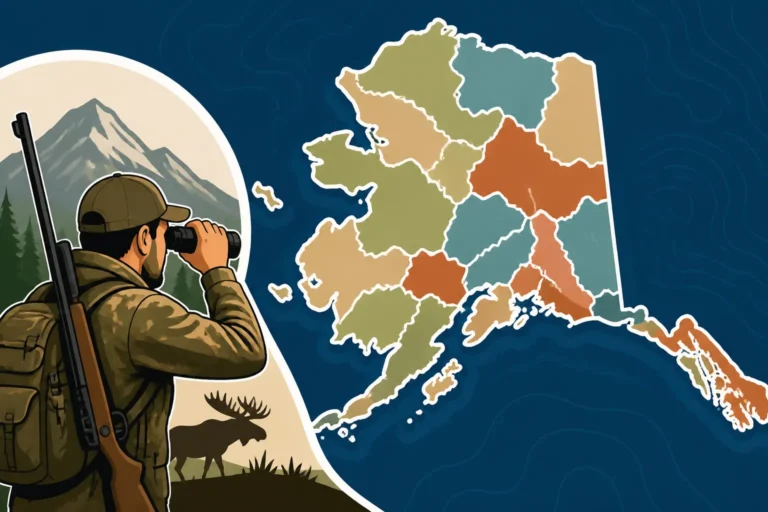
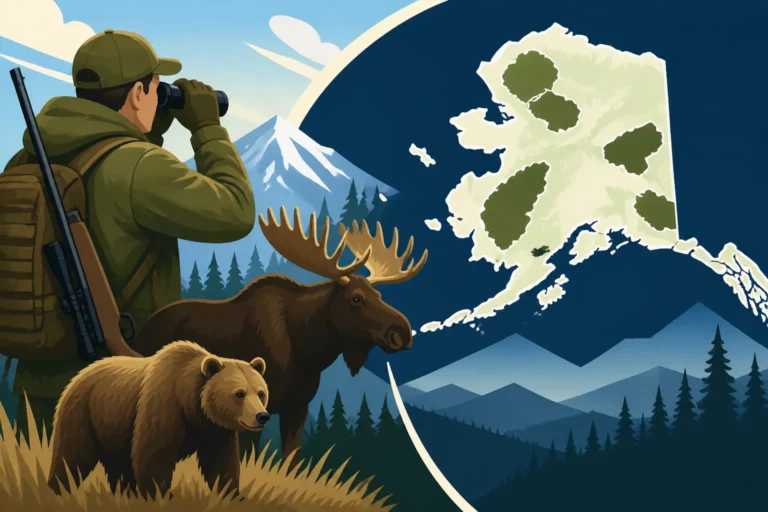
Unit 26A encompasses a significant portion of Alaska's North Slope, stretching far beyond the established road systems and into true wilderness. When you look at a map, it just looks like a massive, empty space, and in many ways, that's precisely what it is – empty of human development, but teeming with wildlife adapted to its harsh environment. This isn't your average backcountry hunt; this is an expedition into one of the planet's last untouched frontiers, where every decision carries weight and every detail matters. Understanding the sheer scale and unique characteristics of this land is the first step toward a successful hunt.
Geographical Extent and Terrain
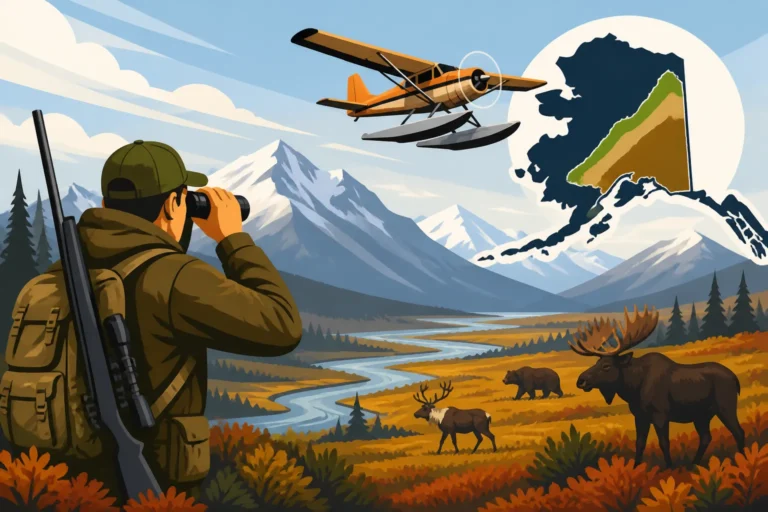
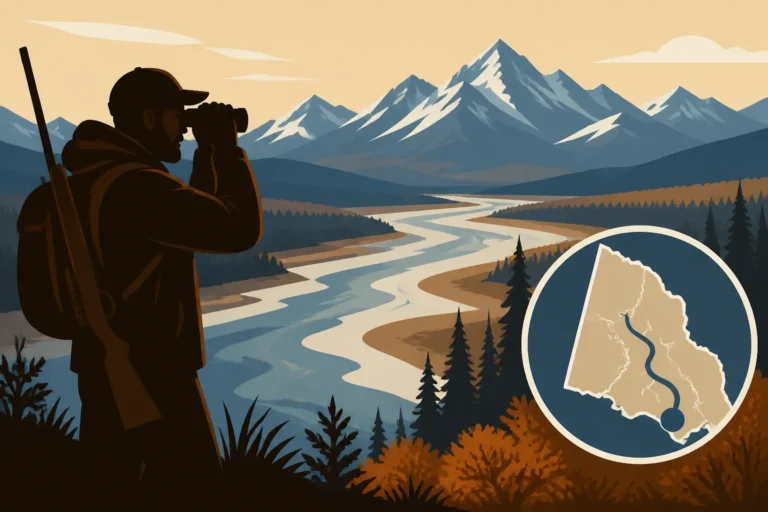
Unit 26A covers an immense area of the North Slope, generally north of the Brooks Range and extending to the Arctic Ocean. Imagine a landscape dominated by tundra – vast, treeless plains that, in summer, burst with wildflowers and low-lying shrubs, but for much of the year, are frozen solid and blanketed in snow. The terrain varies from relatively flat coastal plains and river deltas, often crisscrossed by braided rivers and thaw lakes, to rolling foothills closer to the Brooks Range. There are no paved roads here, and very few gravel tracks beyond those associated with oil infrastructure, most of which are restricted. Your "trails" will be game trails, riverbeds, and the paths you forge yourself across tussocks and tundra. Access is almost exclusively by aircraft – usually a bush plane on tundra tires or floats, or a helicopter if you've got the budget. This expansive, untamed character means navigation tools like onX Hunt, with its detailed satellite imagery and property boundaries, become absolutely indispensable for scouting and in-field orientation, especially when trying to differentiate between similar-looking river bends or distant rises.
Unique Challenges of the Arctic Environment
Hunting in Unit 26A isn't just about finding game; it's about surviving and thriving in an environment that demands respect and thorough preparation. Weather is arguably your biggest challenge. Even in summer, temperatures can plummet, and fierce winds are a constant companion, capable of turning a sunny afternoon into a whiteout blizzard in a matter of hours. The sun itself poses a unique challenge; during prime hunting seasons, you can experience 24 hours of daylight, which can mess with your internal clock and make it harder to rest. Conversely, later in the fall, daylight shrinks dramatically. The ground, a mix of permafrost and active layer, can be incredibly wet and boggy in summer and early fall, making travel exhausting. Mosquitoes and other biting insects can be relentless during the warmer months, requiring robust insect protection. Then there's the remoteness itself: you are truly on your own. There's no cell service, no quick rescue, and medical help is days away at best. Every piece of gear, every emergency plan, and every ounce of self-reliance will be tested. This is why a sturdy, well-tested setup, from tents to communication devices, is paramount. Signal Devices and Check-In Plans for Solo Alaska Hunts are not just a good idea; they're essential.
Target Species and Season Dynamics on the North Slope
While many iconic Alaska species call Unit 26A home, only a select few are the primary draw for hunters willing to face the Arctic's challenges. The sheer abundance of caribou and the allure of muskox are what bring most adventurers to this remote region. Understanding their movements, specific regulations, and the optimal timing for your hunt is key to success.
Caribou: The Main Draw
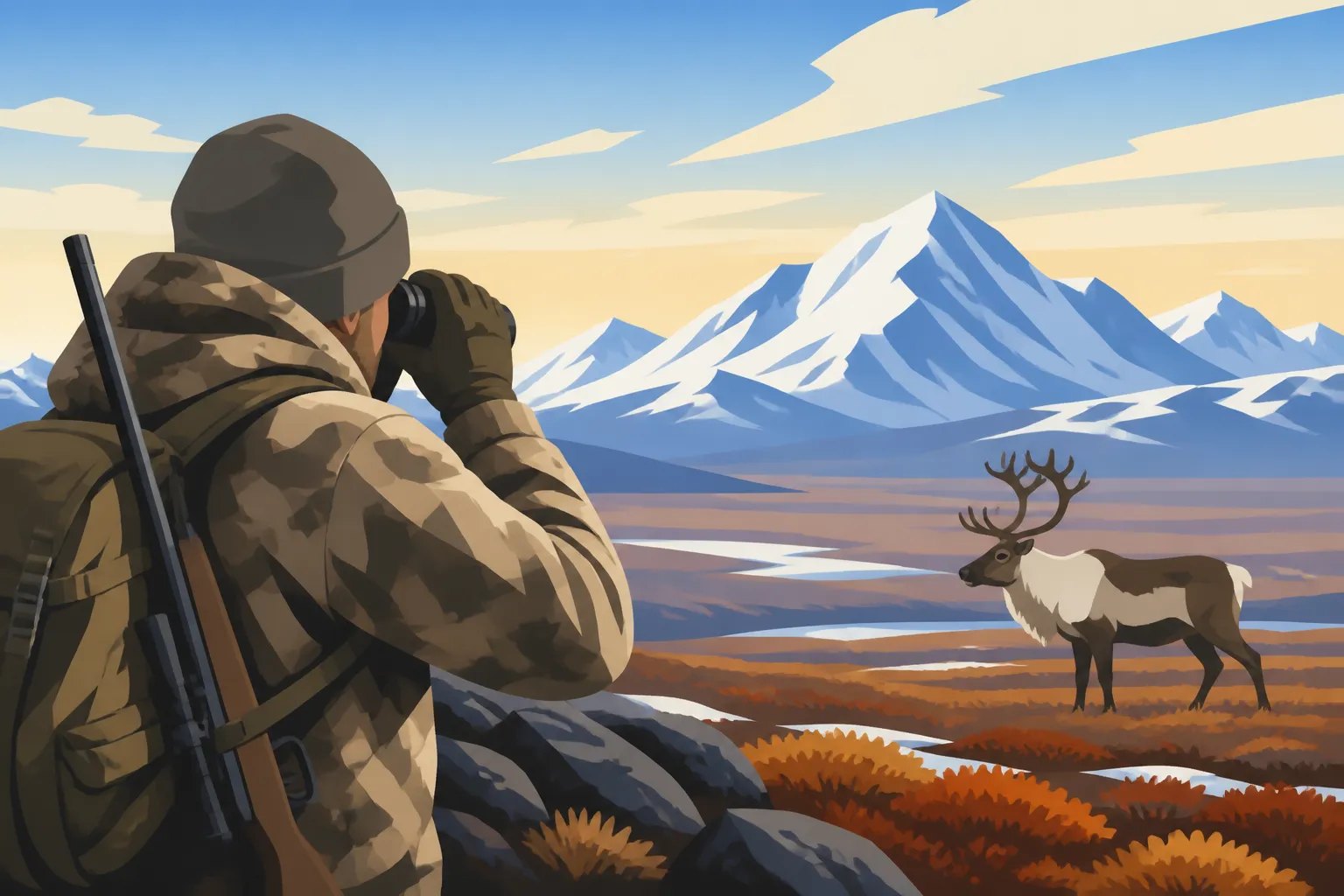
Caribou are, without a doubt, the flagship species of Unit 26A. This unit is primarily within the range of the Western Arctic Caribou Herd, one of the largest herds in North America. These animals are migratory, meaning their presence in any specific location at a given time is highly variable and dependent on weather, forage, and calving patterns. Hunters often target caribou during their fall migration, when large aggregations can be found. However, "found" is the operative word; they cover vast distances, and what was a hotspot one week could be barren the next. You're not looking for deer in a woodlot; you're looking for an ocean of animals moving across an entire landscape. This requires flexibility in your planning and a deep understanding of their typical migration corridors, which can vary year to year. Successful caribou hunters often study migration patterns for months, using resources like the Alaska Department of Fish and Game's (ADF&G) annual herd updates. The challenge is immense, but the reward of a bull caribou, especially one with a dense, symmetrical rack, is unforgettable. Caribou Herds of Alaska and How They Move explains more about these incredible animals.
Muskoxen and Other Arctic Opportunities
Beyond caribou, Unit 26A offers a rare opportunity to hunt muskoxen. These prehistoric-looking animals, with their shaggy coats and bossed horns, are truly unique to the Arctic. Muskox hunts are typically draw-permit only and are highly sought after due to their limited availability and the extreme effort required. Unlike caribou, muskoxen are not migratory in the same vast sense; they tend to have more localized home ranges, often found in smaller groups or "herds" scattered across the tundra. Their dense fur and thick skull make them incredibly resilient to the Arctic cold, and spotting them against the vast tundra can be a significant challenge, often requiring extensive glassing. For those fortunate enough to draw a permit, a muskox hunt is a once-in-a-lifetime experience. Muskox in Alaska: Nunivak, Nelson and the North Slope details more about these fascinating animals. Other species like wolves and wolverine are present, offering opportunistic hunting, but are rarely the primary target given the logistical complexities of the region. Black bears are uncommon, and brown bears (grizzlies) are present, especially closer to the Brooks Range foothills, but are less dense than in other units and require extreme caution.
Season Dates and Quotas to Watch
Alaska's hunting seasons are always specific and can vary by species, weapon, and even year. For Unit 26A, caribou seasons are often lengthy, but understanding specific bag limits and potential closures due to herd management is critical. Muskox hunts are usually short, highly regulated draw hunts. The best practice is to always consult the current Alaska Hunting Regulations booklet for Unit 26A directly from the Alaska Department of Fish and Game website. These regulations are updated annually and will provide precise opening and closing dates, bag limits, and any special conditions or emergency orders that might affect your hunt. Alaska Harvest Tickets, Registration Permits and Draw Permits are common for these species, and understanding the differences is vital. For caribou, registration hunts are frequent, meaning you sign out a permit and are responsible for reporting your harvest. These can close early by emergency order if quotas are met, so staying updated even while in the field through a satellite messenger is a good idea. Alaskan Emergency Orders That Close a Season Early can happen quickly.
| Species | Permit Type (Typical) | General Season Dates (Example) | Bag Limit (Example) | Special Considerations |
|---|---|---|---|---|
| Caribou | Registration Permit (RM830) | Aug 1 – Sept 30, then Oct 1 – Mar 15 | 1 or 2 bulls | Seasons vary greatly by sub-unit, herd movements are key. |
| Muskox | Draw Permit (DM835) | Late Aug – Mid Sept (short window) | 1 muskox | Highly limited, successful draw required, extreme rarity. |
| Wolf | General Season | Aug 10 – April 30 | 5 per regulatory year | Opportunistic hunting, challenging to locate and pursue. |
| Wolverine | General Season | Sept 1 – Mar 31 | 2 per regulatory year | Low density, highly secretive, often incidental harvest. |
Note: The dates and bag limits above are illustrative examples. Always consult the most current Alaska Hunting Regulations for Unit 26A for accurate and up-to-date information before planning your hunt.
Navigating Land Status and Access for Your Hunt
Hunting in Unit 26A means dealing with a complex patchwork of land ownership. Unlike many Lower 48 states where federal lands dominate, Alaska has significant state, federal, and Native Corporation lands, each with its own rules. Misunderstanding these boundaries can lead to significant legal trouble, so diligent research before you even pack your bags is non-negotiable.
State, Federal, and Native Corporation Lands
The Arctic Slope is a mosaic of different land jurisdictions. You'll find vast expanses of State of Alaska land, generally open to public hunting but subject to state regulations. Then there are federal lands, including National Petroleum Reserve-Alaska (NPR-A) and various National Wildlife Refuges, each with specific rules that may differ from state regulations, especially regarding access and even species harvest. For instance, some federal lands might have different definitions of legal firearms or restrictions on motorized access. The most crucial distinction, however, is the presence of Native Corporation lands. These are privately owned lands, granted to Alaska Native Corporations under the Alaska Native Claims Settlement Act (ANCSA). These lands are not public and are generally closed to hunting unless you obtain specific permission or purchase a trespass permit from the respective corporation. Major Native Corporations in the region, such as Arctic Slope Regional Corporation (ASRC) or Doyon, Ltd., own extensive tracts. Hunting without permission on these lands is trespassing and can lead to severe fines and loss of hunting privileges. This complexity is exactly why tools like onX Hunt are so valuable; their land ownership maps are invaluable for identifying where you can legally step foot. Land Status in Alaska: State, Federal and Native Corporation provides a broader overview of this critical issue.
Permits and Permissions: What You Need to Know
Beyond your general hunting license and species-specific tags or harvest tickets, you might need additional permits depending on where you plan to hunt within Unit 26A. If you intend to hunt on Native Corporation lands, you must contact the appropriate corporation well in advance to inquire about access permits. These permits often come with fees and specific conditions. For example, some corporations might restrict types of vehicles, camp locations, or even the number of hunters. It’s not simply a matter of paying; it’s about understanding and respecting their land management policies. For federal lands, while general hunting is often permitted, specific refuges or preserves may have their own unique regulations or require a separate federal permit. Always check with the specific land management agency (e.g., U.S. Fish and Wildlife Service for refuges, Bureau of Land Management for NPR-A) that administers the area you intend to hunt. Overlapping jurisdictions can be confusing, making thorough homework paramount. Never assume that because it looks like "wilderness," it's automatically public land open to all.
Planning Your Arctic Adventure: Logistics and Safety
A hunt in Unit 26A is as much a logistical puzzle as it is a hunting trip. The challenges of extreme remoteness, harsh weather, and the sheer scale of the landscape mean meticulous planning is not just advisable, but absolutely mandatory for a safe and successful expedition.
Essential Gear for Extreme Conditions
The Arctic environment demands specialized gear that can withstand brutal conditions. Your shelter needs to be robust enough to handle sustained high winds and heavy snow, even in summer. Think expedition-grade tents, not lightweight backpacking models designed for fair weather. Your sleeping system must be rated for temperatures significantly colder than you expect, accounting for wind chill and unexpected drops. A zero-degree bag, even in August, is not overkill. Layering is critical for clothing, with durable, waterproof, and windproof outer shells. Forget cotton; embrace synthetics and wool. Footwear needs to be waterproof, durable, and offer excellent ankle support for traversing uneven tundra. Rubber boots are often preferred for wet early-season conditions, but breathable, insulated hiking boots are good for later seasons. A robust stove system is vital for melting snow for water and cooking, and you'll need ample fuel. Consider redundancy for critical items, like two lighters or two headlamps. Since you'll likely be carrying out an entire animal, a sturdy pack frame and durable game bags are essential. Backpack Hunting in Alaska: Gear Weight and Meat Loads offers valuable advice on managing heavy loads.
Transportation and Remote Camp Setup
Access to Unit 26A is almost universally by air taxi. You'll fly into a base camp, often a remote village or small airstrip, and then be shuttled to your hunting spot by a smaller bush plane, typically a Super Cub on tundra tires or floats, or perhaps a larger Cessna. Choosing a reliable air transporter is critical. They are your lifeline to and from the wilderness. Communicate clearly about your gear weight, desired drop-off points, and expected pickup dates. Be aware of potential weather delays, which are common and can add days to your trip both on the front and back end. Fly-In Hunting: Working With an Alaska Transporter Pilot is a must-read for anyone considering this option. Your camp setup needs to be efficient, durable, and bear-resistant. You'll be setting up in remote areas, possibly without any natural shelter. Practice setting up your tent and stove at home. Food storage needs to be secure against bears and other scavengers. Consider a portable electric bear fence if possible. Remember, everything you bring in, you must bring out, including all trash and waste.
Safety and Emergency Preparedness in the Arctic
The extreme remoteness of Unit 26A means you are truly on your own. There is no quick cavalry coming to your aid. Comprehensive emergency preparedness is paramount.
First, a detailed trip plan needs to be left with a trusted contact who knows your exact itinerary, check-in schedule, and when to initiate an emergency call.
Second, reliable communication devices are non-negotiable. A satellite messenger (like an inReach or Zoleo) for daily check-ins and emergency SOS capabilities is vital. A satellite phone can offer more direct voice communication but is often heavier and more expensive.
Third, medical preparedness: You or someone in your group needs solid wilderness first aid skills. Carry a comprehensive first aid kit, including prescription medications for any group members and basic trauma supplies.
Fourth, bear safety: Unit 26A has grizzly bears. Carry bear spray and know how to use it. A powerful firearm for bear defense is also highly recommended, and practice with it beforehand. Bear Safety While Butchering a Kill in Alaska is especially important, as a kill site can attract predators.
Fifth, navigation: GPS devices, paired with downloaded offline maps (perhaps from GoHunt or onX Hunt), are essential. Carry a physical map and compass as a backup and know how to use them. Weather can change quickly, wiping out visibility and making navigation treacherous. Downloading Offline Maps Before a Fly-In can be a lifesaver when technology fails or batteries die.
Lastly, be realistic about your physical fitness. Arctic hunting is physically demanding. You'll be walking miles over uneven tundra, often in difficult weather, carrying heavy loads. Train accordingly.
Disclaimer
This article is for general informational purposes only and does not constitute professional advice. Laws, prices and regulations vary by location and change over time. Consult a qualified professional for guidance on your specific situation.