Noatak Preserve Hunting Restrictions
Planning a hunting trip to a remote region like Alaska's Noatak National Preserve can feel like deciphering an ancient scroll written in a language you only half understand. The vastness of the landscape is matched only by the complexity of its regulations, leaving many hunters feeling overwhelmed and worried about accidentally breaking a rule in such a wild and unforgiving place. This guide is here to break down the specific hunting restrictions within the Noatak Preserve, offering clear, actionable information so you can plan your adventure with confidence and respect for this incredible ecosystem.
Understanding the Noatak National Preserve: A Unique Alaskan Hunting Landscape
The Noatak National Preserve, tucked away in the remote Northwest Arctic Borough, is a truly special place. It’s a vast, untamed wilderness encompassing the entire Noatak River basin, a pristine arctic and subarctic river system that remains largely untouched by human development. But for hunters, it's more than just a beautiful landscape; it's a place with a very distinct set of rules that you absolutely need to understand before you even think about packing your rifle.
One of the biggest hurdles many hunters face when looking at areas like the Noatak is navigating the intricate web of land designations. Alaska is a patchwork of state, federal, and private lands, each with its own specific regulations. The Noatak is federal land, managed by the National Park Service, but it's designated as a Preserve, not a Park. This distinction is absolutely critical for hunters.
Preserve vs. Park: Why This Distinction Matters for Hunters
When you hear "National Park," you probably think of iconic places like Denali or Yosemite, where hunting is generally prohibited. And you'd be right! National Parks are typically set aside for preservation and recreation, with wildlife viewing often being the primary activity. However, National Preserves are a different beast entirely. They are managed to protect natural resources and provide for traditional activities, which, in Alaska, includes hunting.
This means that while the National Park Service manages the Noatak Preserve, they do so with the understanding that hunting is a legitimate and valued activity within its boundaries, provided it's done in accordance with specific regulations. This blend of conservation and traditional use is unique to many Alaskan federal lands, offering incredible opportunities that wouldn't exist in a traditional National Park setting. It's vital to remember that even within a Preserve, certain areas might still be closed to hunting or have special restrictions, so always check the specific unit rules. You can learn more about these overarching federal guidelines by looking into Federal Subsistence Hunting on Alaska Public Lands.
General Hunting Regulations Within the Preserve
Even though hunting is allowed, it's not a free-for-all. General hunting regulations within the Noatak National Preserve fall under a combination of federal and state laws. Primarily, all Alaska hunting regulations, as set forth by the Alaska Department of Fish and Game (ADF&G), apply. This means you need the appropriate Alaska hunting license and any required tags or permits for the species you intend to pursue. Species commonly hunted in the Noatak include caribou, moose, Dall sheep, and bears.
On top of state regulations, the National Park Service layers additional federal rules specific to the Preserve's management objectives. These can dictate things like methods of access, harvest reporting, and even where you can camp or build fires. For instance, while state regulations might allow certain activities in other Game Management Units (GMUs), the Preserve's federal designation could impose stricter limits. It's a dual system, and understanding both sets of rules is paramount to a legal and ethical hunt. This region falls within Hunting Areas: Unit 23 and the Western Arctic, so familiarizing yourself with that larger unit's dynamics is also incredibly helpful.
Specific Restrictions and What They Mean for Your Hunt
Navigating the Noatak is all about the details. It's not enough to know that hunting is generally permitted; you need to understand the nuances of how and where those opportunities exist. Many hunters, especially those new to Alaska's federal lands, can find themselves tripped up by seemingly small distinctions that have big implications.
Federal vs. State Regulations: Navigating the Dual Management System
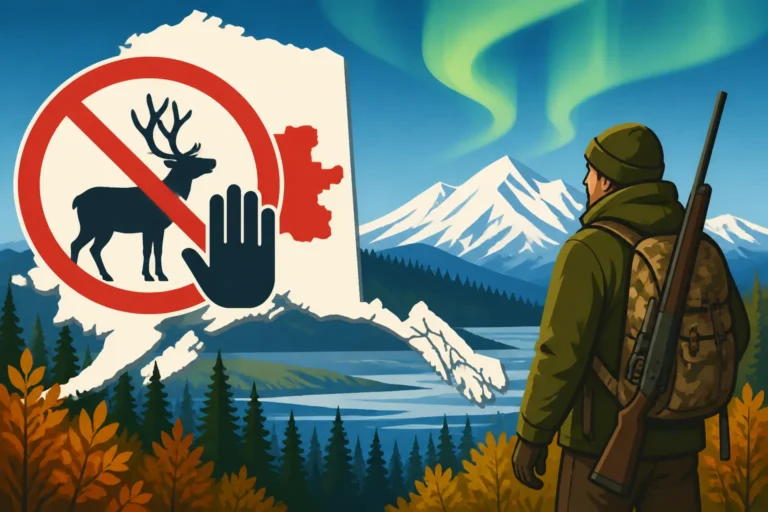
This is arguably the most complex aspect of hunting in the Noatak Preserve. While the state of Alaska sets broad seasons and bag limits for various species, the federal government, through the National Park Service, can impose additional, more restrictive regulations on federal lands like the Noatak. This often includes specific rules regarding motorized access, camp locations, and even priorities for different user groups.
For example, a state regulation might permit hunting a certain species, but a federal rule for the Preserve could limit the use of ATVs or snowmachines to designated trails, or restrict aircraft landings to specific airstrips or gravel bars. These federal "layers" are designed to protect the wilderness character of the Preserve and ensure opportunities for subsistence users. It's crucial to consult both the current ADF&G regulations booklet and the specific National Park Service regulations for the Noatak Preserve. Don't assume that what's legal on state land is automatically legal inside the Preserve. When you're out there, a tool like onX Hunt can be incredibly valuable for quickly identifying land ownership and cross-referencing with your downloaded regulations, helping you stay on the right side of those invisible lines.
Aircraft Use and Access Limitations
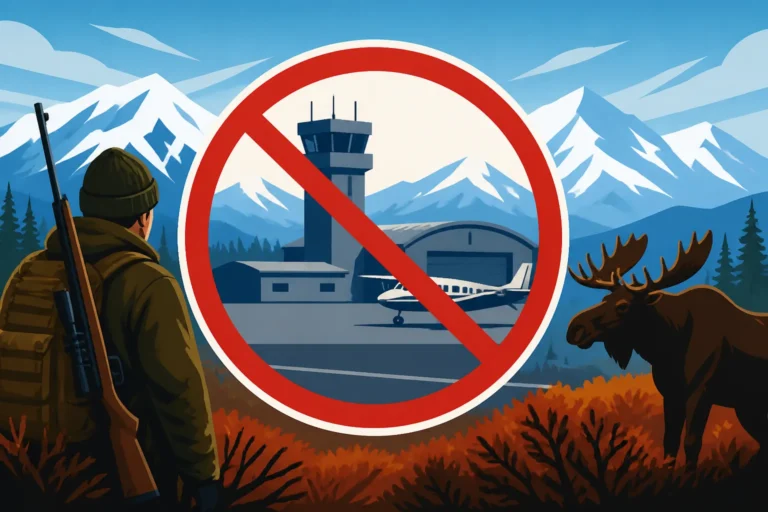
The Noatak National Preserve is, by and large, a fly-in hunting destination. There are no roads, and accessing the vast majority of the Preserve typically requires an air taxi. However, aircraft use within the Preserve comes with its own set of rules. While commercial air taxis can fly into and land within the Preserve, there are often restrictions on where they can drop off and pick up hunters. These might be designated landing strips or certain gravel bars, and not just any spot that looks good from the air.
Furthermore, hunters must be acutely aware of Alaska's Alaska's Same-Day-Airborne Rule and What It Bans. This rule strictly prohibits hunting on the same day you have been airborne in any aircraft, including fixed-wing planes and helicopters, if that aircraft was used to transport you, your gear, or your game. So, if your air taxi drops you off, you cannot hunt until the following day. This rule is designed to prevent unfair advantage and ensure ethical hunting practices. When planning your trip, build in these "travel days" to avoid any violations. It’s not just a suggestion; it’s a non-negotiable part of hunting Alaska's remote country.
Subsistence Priority and Non-Local Hunter Impacts
One of the most significant federal distinctions for areas like the Noatak Preserve is the priority given to subsistence hunting for rural residents. Federal lands in Alaska often operate under regulations that prioritize the harvest of fish and wildlife for customary and traditional uses by local rural residents. This means that if resources are limited, or if there's a need to manage populations, federal managers may impose restrictions that affect non-local hunters first.
This could manifest as different season dates, bag limits, or even eligibility requirements for permits. For example, if a caribou herd that migrates through the Noatak is experiencing a population decline, federal regulations might close the season earlier for non-local hunters or reduce their bag limits, while still allowing subsistence harvest for qualified local residents. It's essential for non-local hunters to understand this framework and to respect the traditional rights and needs of the communities that have depended on these lands for generations. Always check the specific federal subsistence regulations for the Noatak area, as they can sometimes differ from general state regulations for the broader Game Management Unit.
Planning Your Noatak Hunt: Practical Advice and Essential Tools
Hunting in the Noatak Preserve is an incredible adventure, but it demands meticulous planning. You're not just going into the wilderness; you're entering a highly regulated, remote environment where self-reliance and preparedness are paramount.
Researching Permitted Species and Seasons
Your first step, after understanding the Preserve's unique status, is to identify what species are open for hunting and during what seasons. The Noatak is known for its migratory caribou herds, which can offer spectacular opportunities. Moose are also present, often in willow-choked drainages, and Dall sheep can be found in the more mountainous eastern and southern portions of the Preserve. Both black and brown bears also roam the region.
You'll need to consult the current Alaska Department of Fish and Game regulations for Game Management Unit 23 (GMU 23), which encompasses the Noatak. Pay close attention to any specific hunt numbers, drawing permits, or registration permits that might be required. For example, some hunts, especially for species like Dall sheep, often require successful participation in a drawing permit system. Make sure you understand Alaska Harvest Tickets, Registration Permits and Draw Permits for the species you're targeting. These regulations change annually, so never rely on old information. When draw applications open in the fall, a resource like GoHunt can be invaluable for researching historical draw odds and application strategies.
Here's a simplified look at common species and typical considerations in the Noatak (always verify current regulations):
| Species | Typical Season Timing | Permit Type | Special Considerations |
|---|---|---|---|
| Caribou (Western Arctic Herd) | August – September (fall migration), often winter | Harvest Ticket/Registration | Herd movements are highly unpredictable; check for emergency orders. |
| Moose | September (rut) | Harvest Ticket/Registration/Draw | Antler restrictions may apply (spike-fork, 50-inch, 3 brow tines). |
| Dall Sheep | August – September | Draw Permit (often), or General Season (specific areas) | Full-curl ram requirement, mandatory hunter orientation. |
| Brown Bear | Spring (May-June) or Fall (Sept-Oct) | Locking Tag | Non-residents generally require a guide or blood relative. |
| Black Bear | Spring (May-June) or Fall (Sept-Oct) | Locking Tag | Varies by subunit, check specific bag limits. |
| Wolf / Wolverine | Fall/Winter (long seasons) | Harvest Ticket | Excellent opportunity in conjunction with other hunts. |
Utilizing Mapping Tools for Land Status and Access
Given the complexities of federal vs. state land, and the sheer remoteness of the Noatak, robust mapping tools are non-negotiable. Forget paper maps alone; while they're great backups, digital mapping applications like onX Hunt are essential for real-time situational awareness.
These apps allow you to download offline maps before you leave cell service, showing detailed topographic features, trails (where they exist), and most importantly, land ownership boundaries. This is critical for ensuring you're always aware of whether you're on Preserve land, state land, or even potentially Native Corporation land, which might have different access rules or require specific permits. You can zoom in and pinpoint exact locations for camp, potential landing zones, and game corridors. Being able to visualize Land Status in Alaska: State, Federal and Native Corporation while on the ground can save you from inadvertently trespassing or violating a specific land-use rule. Make sure you're familiar with Downloading Offline Maps Before a Fly-In for any mapping software you choose.
Partnering with a Transporter and Understanding Their Role
For most non-local hunters, accessing the Noatak will involve hiring an air taxi, often referred to as a "transporter" in Alaska. This relationship is crucial, but it's vital to understand the legal boundaries of what a transporter can and cannot do. A transporter's role is strictly logistical: they fly you and your gear to a predetermined drop-off point and pick you up at a specified time. They are not guides. They cannot provide advice on where to hunt, how to hunt, or assist in any way with the actual act of hunting. This distinction is serious, and violating it can lead to severe penalties for both you and the transporter. You can gain more insights by reviewing Alaska Transporters and What They Legally Provide.
When selecting a transporter for a Noatak hunt, look for one with extensive experience in the region. Ask about their typical landing zones within the Preserve, their contingency plans for bad weather, and their communication protocols while you're in the field. These hunts are remote, and reliable air support is paramount to both success and safety. Be prepared for potential delays due to weather, which can extend your trip and add to costs. Planning for Building Extra Days Into a Fly-In Schedule is always a wise move.
Disclaimer
This article is for general informational purposes only and does not constitute professional advice. Laws, prices and regulations vary by location and change over time. Consult a qualified professional for guidance on your specific situation.