Unit 23 and the Western Arctic
Hunting in Alaska's vast and often intimidating Game Management Unit 23 can feel like planning an expedition to another planet. This isn't your average backcountry hunt; it's a monumental undertaking into the remote Western Arctic, fraught with unique regulatory hurdles, extreme logistics, and environmental challenges. This guide will meticulously break down what you absolutely need to know to even begin contemplating a hunt in Unit 23, from understanding its geography and game populations to deciphering its complex federal and state hunting rules.
Understanding Game Management Unit 23: A Vast Frontier
When people talk about "Alaska," they often picture mountains and dense forests. Unit 23 shatters that image, replacing it with an almost unfathomable expanse of tundra, braided rivers, and low-lying hills that stretch toward the Arctic Ocean. It's a place where the horizon seems to go on forever, and the silence is only broken by the wind or the distant roar of a bush plane. For hunters, this unit represents both the ultimate adventure and a profound test of preparation and resilience.
The Sheer Scale of Unit 23
Imagine an area roughly the size of the entire state of South Carolina, but with only a handful of small, isolated villages and virtually no road infrastructure. That's Unit 23. It encompasses a massive portion of northwestern Alaska, including the Noatak and Kobuk River drainages, the Brooks Range foothills, and vast stretches of rolling tundra. The sheer scale means that "getting around" isn't a matter of driving to a trailhead; it involves bush planes, riverboats, or extensive backpacking across trackless terrain. Hunters often underestimate how much time is consumed just by travel within the unit itself, let alone getting there. The lack of distinct landmarks across much of the open country can also be incredibly disorienting without proper navigation tools, making detailed map work absolutely essential.
Primary Species and Their Challenges
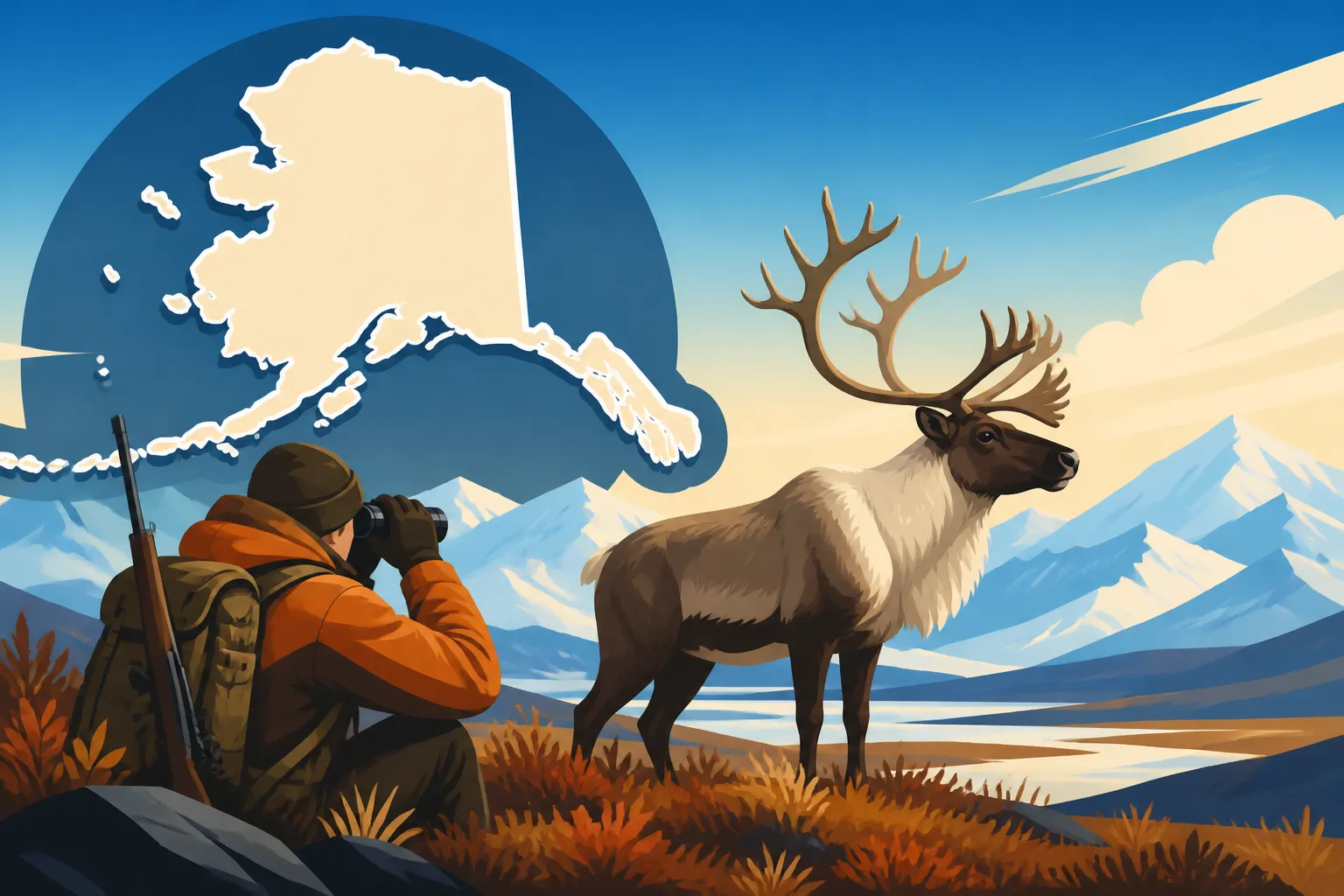
Unit 23 is synonymous with caribou, specifically the Western Arctic Herd, one of the largest migratory caribou herds in the world. Thousands upon thousands of these animals traverse the landscape, creating an incredible spectacle and a primary draw for hunters. However, their nomadic nature means they can be here today and 100 miles away tomorrow, making locating them a constant challenge. Moose also inhabit the unit, primarily concentrating along the major river systems where willow thickets provide critical browse. These are typically smaller in antler size than their interior Alaska-Yukon cousins, but just as hard-earned. Brown bears, often referred to as grizzlies in this interior and northern context, are present throughout the unit, demanding constant vigilance and proper bear safety protocols. Black bears are less common in the more open tundra but can be found in more brushy areas. Hunting these species in such an environment requires a profound understanding of their habitat preferences and adapting your hunting strategy to the vast, open, and often treeless landscape.
Accessibility and Gateway Communities
Getting into Unit 23 is almost exclusively done by air. Kotzebue, located on the coast, serves as the primary gateway community for the entire region. From Kotzebue, hunters typically arrange charter flights with air taxis to fly them into their chosen hunting areas, often landing on gravel bars, tundra strips, or remote lakes. Some hunters opt for float hunts, flying into an upper reach of a river and floating down over several days, combining travel with hunting. The cost and logistics of air charters are a significant component of any Unit 23 hunt budget. It's not uncommon to spend multiple days just on travel to and from your actual hunting grounds, and weather delays are a constant factor. Therefore, building extra buffer days into your schedule is not just wise; it's practically mandatory to account for unpredictable Arctic weather. Fly-In Hunting: Working With an Alaska Transporter Pilot is an essential read for anyone considering this type of access.
Navigating Federal and State Regulations in Unit 23
One of the biggest headaches and sources of confusion for hunters in Unit 23 is the tangled web of federal and state regulations. This isn't a situation where you just buy a tag and go; you need to understand whose land you're on, who is allowed to hunt there, and what permits apply. This dual management system exists to address the unique needs of rural, subsistence-dependent communities in the region, but it creates significant complexity for non-local hunters.
The Dual Management System
A large portion of Unit 23 falls under federal land designations, primarily within the National Park Service and National Wildlife Refuge System, even though it's often administered by the State of Alaska for game management purposes. The crucial distinction arises when federal subsistence regulations are in effect. These regulations prioritize the harvest needs of "federally qualified rural residents" on federal lands. For a non-local or non-resident hunter, this can mean vastly different seasons, bag limits, and even complete closures on federal lands, while state lands (or state-managed federal lands not subject to federal priority) might remain open. It's a critical layer of complexity that requires diligent research before your hunt. You need to know not just the Unit 23 regulations, but also the specific regulations for the federal parcel you intend to hunt, and whether state or federal rules apply to you.
Western Arctic Herd Thresholds and Closures
The caribou of the Western Arctic Herd are the lifeblood of many communities in Unit 23, and their management is highly sensitive to population fluctuations. The Alaska Board of Game and federal managers closely monitor the herd's numbers. If the population drops below certain thresholds, emergency orders and closures can be implemented, often restricting or eliminating opportunities for non-local hunters, particularly on federal lands. For instance, the Western Arctic Herd Threshold for Unit 23 Access dictates when non-local hunters might be restricted. This means a hunt planned months or even a year in advance can be canceled or severely curtailed at the last minute due to conservation concerns. Staying updated on these announcements is paramount. You can't just rely on the annual regulations booklet; you need to check the Alaska Department of Fish and Game's emergency order page frequently, especially as your hunt date approaches.
Special Permit Requirements
Unlike many general season hunts, hunting in Unit 23 for species like caribou often requires specific permits. For caribou, hunters typically need a harvest ticket or a registration permit. These aren't like drawing permits where you have to apply months ahead and get lucky; registration permits are generally available over-the-counter or online right up until the season, but they come with strict reporting requirements. The critical thing to understand is that some of these registration hunts can close early by emergency order if quotas are met or if caribou migrations shift unexpectedly away from accessible areas. This unpredictability means flexibility in your hunting plans is key. For species like moose or bears, you'll need the appropriate locking tags, in addition to your general hunting license. Always double-check the specific permit requirements for your target species and the precise area you plan to hunt within Unit 23, down to the subunit if applicable, as regulations can vary.
Caribou Hunting in the Western Arctic: The Cornerstone
For many, Unit 23 is caribou hunting. The sheer scale of the Western Arctic Herd migrations is awe-inspiring, offering an experience unlike almost any other in North America. However, success hinges less on stalking skills and more on logistical prowess and understanding the unpredictable rhythm of the tundra.
Understanding Caribou Migration Patterns
The Western Arctic Herd is a vast, constantly moving entity. Their migrations are driven by a complex interplay of forage availability, insect harassment, and weather patterns. They don't follow neat, predictable lines on a map. One year, they might stream through the Noatak River drainage; the next, they could be concentrated closer to the Kobuk. This unpredictability is the biggest challenge for caribou hunters in Unit 23. You can scout satellite imagery for days, talk to locals, and consult ADF&G reports, but ultimately, the caribou decide where they'll be. This makes flexibility and adaptability crucial. Hunters flying into a general area often need to be prepared for their pilot to relocate them if the caribou aren't where they were expected. Sometimes, finding success is less about finding a specific "honey hole" and more about being in the general vicinity of a migration corridor when the animals decide to move through. This is where tools like GoHunt or onX Hunt can be incredibly beneficial for quickly assessing topography and potential travel routes once you're on the ground, even if the primary herd is miles away.
Hunting Methods: Fly-in and Float Hunts
Given the vastness and lack of roads, fly-in and float hunts are the predominant methods for pursuing caribou in Unit 23.
- Fly-in Hunts: This involves chartering a bush plane, typically a Super Cub or a Cessna 180/206, to drop you and your gear at a suitable landing strip on the tundra or a gravel bar. The advantage is direct access to areas where caribou might be concentrated. However, you're limited to the range you can cover on foot from your drop-off point. It requires meticulous planning regarding gear weight, as bush planes have strict limits. Your pilot will set a pick-up date, and you are largely self-sufficient during your stay. This method demands strong navigational skills and the ability to set up a comfortable, durable camp for an extended period. Gravel Bar Landings for Wheel Planes in Alaska provides more context on these drop points.
- Float Hunts: For those who enjoy the journey as much as the destination, a float hunt down one of Unit 23's major rivers, like the Noatak or Kobuk, can be an incredible experience. You'll fly into an upstream landing spot, inflate your raft, and then drift downstream, hunting as you go. This offers a constantly changing landscape and the ability to cover significant distance. However, it adds the complexity of raft logistics, potential river hazards like sweepers and log jams, and the need to retrieve your raft and meat at a designated downstream pick-up point. Float Hunting Alaska Rivers for Moose and Caribou offers a deeper dive into this unique style of hunting. Both methods require careful coordination with your air taxi service, confirming landing zones, pickup schedules, and understanding what happens if weather delays your pick-up.
Meat Care and Logistics in Remote Camps
Once you've successfully harvested a caribou in Unit 23, the real work begins. The remote nature of these hunts means you are entirely responsible for processing and preserving your meat. Caribou are smaller than moose, but a large bull still yields a substantial amount of meat, especially if you salvage all edible portions. In the often-warm September weather that coincides with many caribou hunts, cooling the carcass quickly is paramount to prevent spoilage. Getting the hide off, quartering the animal, and getting the meat into breathable game bags is the first step. Finding a shady, breezy spot to hang the quarters, or even burying them temporarily in shallow water or snow (if available), can help. Since bears are present, hanging meat out of reach or setting up an electric bear fence around your meat cache is a non-negotiable safety measure. Meat Care in 50-Degree September Weather is a must-read for anyone hunting in early fall. Packing out the meat to your camp or a designated pickup point can involve multiple trips, often over uneven tundra, making a robust pack frame and strong hiking boots essential.
Moose and Bear Hunting Opportunities in Unit 23
While caribou might be the star attraction of Unit 23, the region also offers opportunities for moose and both brown and black bears. These hunts, however, typically require a more focused approach and often different tactics than those employed for caribou.
Moose in the Riverine Corridors
Moose in Unit 23 aren't uniformly distributed across the vast tundra. Instead, they tend to concentrate in the more productive riverine habitats, where dense willow and alder thickets provide both browse and cover. Targeting moose in this unit often means focusing your efforts along the major rivers like the Noatak, Kobuk, or their larger tributaries. Float hunts are particularly effective for moose, allowing hunters to slowly drift downstream, glassing the riverbanks and sloughs for animals. Spotting moose in the dense brush can be challenging, but their presence is often given away by fresh tracks, rubs, and broken willows. Calling can be highly effective during the rut, especially in September. Hunters often use a combination of cow calls and bull grunts to draw a bull out of the thick cover. Understanding When Moose Seasons Open Across Alaska Units is crucial for timing your hunt with the best opportunities.
Brown and Black Bear Encounters
Unit 23 is home to both brown bears (grizzlies) and, less frequently, black bears. Brown bears are fairly common throughout the unit, particularly in drainages with salmon runs or where caribou are numerous. Black bears are more often found in areas with thicker timber, which is less prevalent in much of Unit 23's open country. For hunters, bear awareness and safety are not optional; they are fundamental aspects of any hunt in this region. Carrying a powerful firearm, practicing with bear spray, and knowing how to properly store food and manage a kill site are critical. When processing a caribou or moose, the smell of fresh meat can quickly attract bears from miles away. Setting up a perimeter with an electric bear fence around your camp and meat cache is a wise precaution. If you're specifically targeting brown bears, ensure you have the appropriate locking tag and understand the season dates and legal harvest requirements. Rifle Choice for Alaska Brown Bear Country provides valuable insights into firearms for dealing with large bears.
Strategic Considerations for Multi-Species Hunts
Many hunters who make the long journey to Unit 23 consider combining species, perhaps a caribou hunt with an opportunistic shot at a moose or bear. While this can be incredibly rewarding, it significantly increases the complexity of your trip. You'll need tags for each species, and your gear and planning must accommodate the different demands of each hunt. For example, successful caribou hunting might mean covering vast open country, while moose hunting requires focusing on river corridors. Bear hunting, if targeted, often involves different tactics entirely. You'll also need more robust meat care plans, as two animals mean double the processing and packing. The increased gear weight, potential for longer stays, and heightened logistical challenges all need to be factored into your budget and physical conditioning. This is where truly detailed planning and an honest assessment of your abilities become critical.
Planning Your Unit 23 Expedition: Gear, Safety, and Preparation
A successful hunt in Unit 23 isn't just about finding game; it's about returning safely, with your meat and memories intact. The remote and unforgiving nature of the Western Arctic means that preparation, reliable gear, and a robust safety plan are paramount.
Essential Gear for Arctic Conditions
Forget what you know about fair-weather hunting. Unit 23 can throw anything at you: driving rain, biting winds, unexpected snow, and even unseasonably warm days that spoil meat. Your gear must be capable of handling all of it.
- Shelter: A bombproof tent that can withstand high winds and heavy precipitation is non-negotiable. Look for four-season models with strong pole structures.
- Sleeping System: A warm sleeping bag (rated well below anticipated temperatures) and a high-R-value sleeping pad are crucial for getting restorative sleep in cold conditions.
- Layered Clothing: A versatile layering system, including good quality rain gear (jacket and pants), insulating layers (puffy jacket, fleece), and moisture-wicking base layers, is essential. Avoid cotton.
- Navigation: While GPS devices are standard, carrying a physical map and compass as a backup, and knowing how to use them, is vital. Remember, electronics can fail.
- Cooking System: A reliable stove and fuel that perform well in cold and wind are necessary for hot meals and drinks.
- Pack System: A sturdy internal or external frame pack capable of handling heavy meat loads is critical. Backpack Hunting in Alaska: Gear Weight and Meat Loads offers excellent advice on this.
- Footwear: Waterproof, broken-in boots that provide excellent ankle support and traction on uneven tundra are a must.
- Bear Protection: A potent bear spray accessible on your hip, and for many, a powerful firearm, are non-negotiable.
This is a place where gear failures can quickly escalate into dangerous situations, so invest in quality and test everything thoroughly before you go.
Emergency Preparedness and Communication
You will be beyond cell service in Unit 23. Period. This makes satellite communication devices absolutely essential for emergency situations and for checking in with loved ones or your air taxi pilot.
- Satellite Messenger/Phone: Devices like Garmin inReach or a satellite phone provide a lifeline to the outside world. They allow you to send and receive texts, provide your GPS location, and trigger an SOS if needed. These are not luxuries; they are fundamental safety tools.
- Emergency Plan: Before you leave, create a detailed trip plan and share it with a trusted contact. This plan should include your intended route, hunting area, expected check-in times, and who to contact if you miss a check-in. Signal Devices and Check-In Plans for Solo Alaska Hunts delves deeper into these vital preparations.
- First-Aid Kit: A comprehensive first-aid kit tailored for remote wilderness, including any personal medications, is a must. Knowing basic wilderness first aid is also highly recommended.
- Survival Gear: A small survival kit containing fire-starting materials, a signaling mirror, a whistle, emergency blanket, and extra high-calorie food can be lifesaving if you're unexpectedly stranded.
Navigational Tools and Mapping
Given the often featureless landscape of Unit 23, precise navigation is paramount. You can't rely on intuition or guessing distances.
- GPS Devices: A handheld GPS unit is invaluable for marking your camp, kill sites, and important waypoints. Ensure it has fresh batteries and spares.
- Digital Mapping Apps: Modern smartphone apps like onX Hunt and GoHunt have revolutionized wilderness navigation. They allow you to download offline maps, view land ownership boundaries (critical for federal/state distinctions), mark waypoints, track your route, and gain valuable insights into terrain and potential game movement. Using these apps effectively requires downloading detailed maps before you lose service. They can help you visualize contour lines for Reading Contour Lines for Sheep Benches (even if you're after caribou, understanding terrain is key) or determine precise coordinates for pick-ups.
- Physical Maps: Always carry detailed USGS topographical maps of your hunting area. Batteries die, screens crack, and electronics malfunction. A physical map and compass are your ultimate backup and a critical tool for big-picture planning.
- Compass Skills: Know how to orient a map, take a bearing, and navigate by compass. Practicing these skills before your hunt is time well spent, especially in a place where fog or low clouds can obscure visibility, making visual navigation impossible.
Understanding these tools and integrating them into your hunt plan will dramatically increase both your safety and your chances of success in the remote expanse of Unit 23.
Disclaimer
This article is for general informational purposes only and does not constitute professional advice. Laws, prices and regulations vary by location and change over time. Consult a qualified professional for guidance on your specific situation.