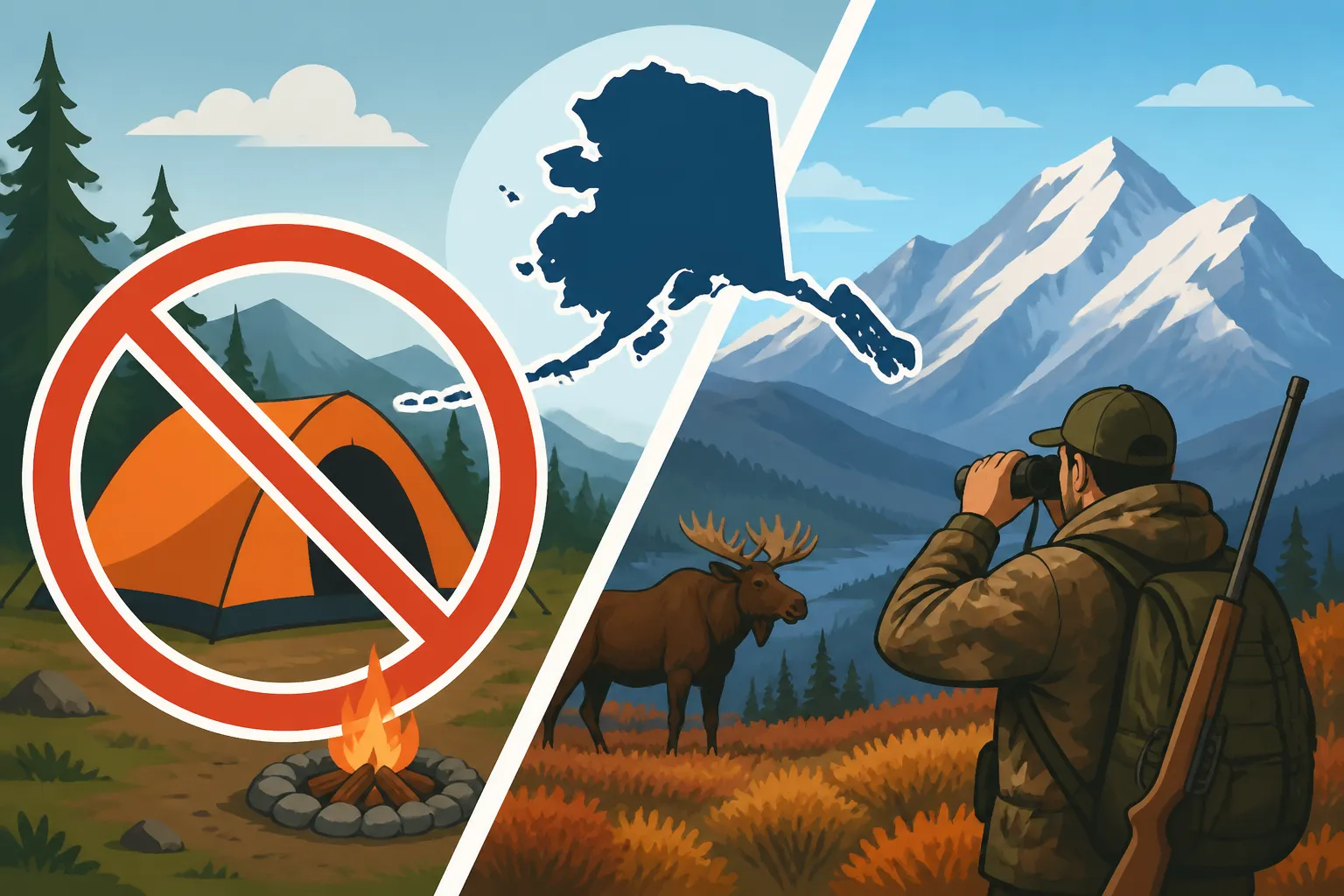
Camping Limits on Alaska State Land
The dream of hunting in Alaska often conjures images of boundless wilderness, untouched by civilization. And while much of that dream holds true, the reality of finding a place to pitch your tent and set up a temporary hunting camp can quickly become a headache if you don't understand the complex patchwork of land ownership. Many hunters arrive, excited and ready to explore, only to realize that navigating the rules around camping on Alaska state land isn't as straightforward as it seems. This guide is here to unravel those complexities, helping you understand where you can legally and responsibly set up camp on state-managed lands for your next Alaska adventure.
Understanding Alaska's Diverse Land Ownership
Alaska is a massive state, and its lands are managed by an array of different entities: federal, state, borough, municipal, and Native corporations, not to mention private parcels. This creates a confusing checkerboard that can make simply finding a legal campsite a real challenge, especially for those unfamiliar with the nuances. Knowing whose land you're on is the absolute first step to understanding what you can and cannot do, including where you can camp.
State Land Versus Other Land Types
At its core, Alaska's land ownership is divided into federal, state, and private (including Native Corporation) lands. Federal lands include National Parks, Preserves, National Wildlife Refuges, Bureau of Land Management (BLM) lands, and National Forests. State lands are managed by the State of Alaska and can be further broken down into various categories like State Parks, State Game Refuges, Mental Health Trust Lands, and general public use uplands. Borough and municipal lands are typically smaller parcels closer to communities, often with very specific local ordinances. Finally, Native Corporation lands are private holdings, and accessing them almost always requires explicit permission, often in the form of a paid permit.
For a hunter, this distinction is critical because each land manager has its own set of regulations regarding access, hunting methods, and camping. What's allowed on a vast tract of BLM land might be strictly prohibited in a State Park just a few miles away. It's a common frustration to see what looks like prime hunting country on a map, only to discover it's owned by a Native Corporation that doesn't permit public access, or it's a closed area where hunting isn't allowed. This complexity is why simply knowing "it's public land" isn't enough in Alaska; you need to know which public land.
Identifying State Land for Your Hunt
So, how do you figure out whose land you're on? The days of relying solely on paper maps with vague color codes are largely behind us, thank goodness. Modern tools are absolutely essential for navigating Alaska's land status. A robust mapping application like onX Hunt is an invaluable resource for this. These apps layer property boundaries onto detailed topographic maps, clearly delineating state land from federal, private, or Native Corporation parcels. You can download these maps for offline use, which is critical because cell service is practically nonexistent in many remote Alaska hunting areas.
Before you even leave home, spend considerable time poring over your chosen hunt unit's map, specifically looking at the land ownership layers. Identify potential camping areas on state land that also offer good access to your target species. Pay attention to any small private inholdings, as accidentally trespassing can quickly derail a hunt and lead to fines. Many hunters use these digital tools to mark potential camping spots, access points, and even glassing knobs, creating a comprehensive plan before they ever set foot in the field. This proactive approach saves immense frustration and ensures you're always on solid legal ground. How to Find Legal Access in Alaska also offers great insights into navigating these land boundaries.
General Rules for State Land Camping
While specific rules vary, some overarching principles apply to most general public use state lands. The primary tenet is usually that you can camp on state land for temporary recreational purposes, provided it doesn't interfere with other users or permanent structures, and you adhere to "Leave No Trace" principles. This generally means no permanent structures, no digging large trenches, and absolutely no leaving behind trash or equipment.
Alaska is generally very accommodating for dispersed camping on vast tracts of unclassified state land, which is a huge benefit for hunters looking for remote experiences. However, the definition of "temporary" and "recreational" is key. You can't just set up a cabin and call it a camp. There are usually time limits, which we'll delve into shortly. Fires are often allowed, but always check for current burn bans, especially during dry periods. Water sources are also a consideration; while you can typically draw water from natural sources, remember to treat it. The general rule of thumb: if it looks like you're moving in, you're probably doing it wrong.
Specific Camping Regulations on Different State Land Categories
Not all state land is created equal when it comes to camping. Different designations carry different rules, and ignorance of these can land you in hot water. It's crucial to understand these distinctions before you pack your tent.
State Parks and Recreation Areas
State Parks and Recreation Areas are typically the most restrictive state lands for camping. These areas are designed for public enjoyment and often have developed facilities, or at least designated campsites. You can't just pitch a tent anywhere within a state park boundary. Instead, you'll find established campgrounds, many of which require reservations and often involve a nightly fee. Dispersed camping (setting up camp outside of designated sites) is usually prohibited, or only allowed in very specific, often remote, backcountry zones with permits.
For hunters, this means State Parks are generally not ideal for primary hunting camps, unless the park allows hunting in certain areas and has designated backcountry camping zones. Even then, the focus is typically on low-impact, short-term stays. Imagine trying to quarter a moose or hang meat in a developed campground – it's simply not practical or allowed. Always check the specific park regulations for any State Park or Recreation Area you plan to enter, as they can vary widely in their restrictions and allowances for camping, especially if hunting is also permitted.
State Game Refuges and Critical Habitat Areas
Alaska has a network of State Game Refuges and Critical Habitat Areas, managed by the Alaska Department of Fish and Game. These lands are specifically designated to protect wildlife and their habitats, while often allowing for compatible public uses like hunting, fishing, and trapping. Camping in these areas generally falls under the "temporary recreational use" umbrella, similar to general state lands, but with some potentially enhanced restrictions.
For instance, some refuges might have special provisions for motorized access or prohibitions on certain types of structures or activities that could disturb wildlife. While you can typically set up a dispersed camp, you might find restrictions on where you can have a fire, or how close you can camp to sensitive nesting areas or known game trails. These areas are fantastic for hunting, but it's essential to consult the specific management plan or regulations for the particular refuge or critical habitat area you intend to hunt. Information can often be found on the Alaska Department of Fish and Game website. Alaska's Controlled Use Areas and What They Restrict can also shed more light on these managed regions.
General Public Use Land (Mental Health Trust, etc.)
This is often where many hunters find themselves camping. Vast portions of Alaska's state land are classified as general public use land, sometimes referred to as "undeveloped" state land. This also includes lands managed by the Alaska Mental Health Trust Authority, which are also public lands but managed for specific beneficiaries. On these extensive tracts, camping is generally allowed for temporary recreational purposes with minimal restrictions, often following the 14-day rule.
These are the areas where you can often truly experience remote Alaska, pitching a tent by a remote lake, near a salmon stream, or high on an alpine ridge. The expectation is that you will be completely self-sufficient and leave no trace of your presence. There are no designated campsites, no amenities, and often no other people for miles. This freedom is what draws many to Alaska, but it also places a significant responsibility on the individual hunter to be mindful of their impact, practice bear safety, and be prepared for anything. This is where your land navigation skills, aided by tools like onX Hunt or GoHunt, become critical for finding good camping spots that are both legal and safe.
Forest Resources and Forestry Land
Some state lands are designated as Forest Resources and are managed by the Alaska Department of Natural Resources, Division of Forestry & Fire Protection. These areas are often managed for timber production, but also allow for public recreational use, including camping. The rules here are generally similar to general public use lands, emphasizing temporary, low-impact camping.
However, specific considerations might apply in active logging areas, or areas prone to wildfire. You might encounter temporary closures or restrictions related to logging operations. Firewood collection might be regulated, especially if it involves cutting down standing timber. Always be aware of your surroundings and any posted signs. If you're hunting in an area with a strong forestry presence, it's wise to check with the local Division of Forestry office for any specific rules or advisories for the period you plan to be there.
Duration and Impact: How Long Can You Stay and What Can You Leave?
The concepts of "temporary" and "recreational" are central to understanding camping limits on state land. Alaska takes a firm stance on not allowing individuals to set up permanent residences or long-term occupancy on public lands without explicit permits or leases, which are typically not available for recreational users.
The 14-Day Rule and Its Nuances
A widely applied rule on many general state lands is the "14-day rule." This means you generally cannot occupy a single campsite for more than 14 consecutive days without moving a specified distance (often a mile or more). After moving, you often can't return to the original site for a certain period, sometimes up to a month. The intent here is to prevent squatting and long-term residency, and to ensure that public lands remain available for all users.
For hunters, a typical single-species hunt might last 7-10 days, so this rule usually isn't an issue. However, if you're planning a multi-species hunt or an extended stay that combines hunting with other activities, you need to be mindful of this limit. If you have multiple camps set up for different phases of a hunt, ensure they are distinct and meet the distance requirements if you plan to return to them. This rule is designed to manage public resources and prevent any one individual from monopolizing a prime location. It’s also crucial for understanding Leaving Gear Cached on Public Land.
"Pack It In, Pack It Out" and Leave No Trace
This isn't just a suggestion in Alaska; it's a fundamental expectation and often a legal requirement on all public lands. The "Pack It In, Pack It Out" principle means everything you bring into the backcountry must leave with you, including all trash, food scraps, and anything else you generate. This is even more critical in pristine Alaska environments, where decomposition rates are slow and human impact can last for decades.
Beyond trash, this principle extends to minimizing your footprint. Avoid building permanent fire rings with rocks that scar the landscape. Don't dig trenches around your tent. Leave natural features, such as vegetation and rocks, as you found them. The goal is that someone coming behind you shouldn't be able to tell you were ever there. This is especially true for meat scraps and bones from a kill; while edible meat must be salvaged Alaska Moose Meat Salvage Requirements, non-edible parts should be scattered or removed from a camp vicinity to avoid attracting bears. Leaving a clean camp is not just ethical; it’s a commitment to preserving the wild character of Alaska for future generations.
Temporary Structures Versus Permanent Camps
When camping on state land, you're generally permitted to use temporary shelter structures such as tents, tarps, and even portable hunting blinds. These are considered integral to recreational use. However, you cannot construct permanent or semi-permanent structures like cabins, sheds, or even substantial lean-tos that alter the landscape significantly. The key distinction is whether the structure can be easily erected and dismantled without leaving a lasting trace.
For a hunting camp, this typically means a quality tent, a stove, and perhaps a rain fly or tarp system to create a cooking or gear storage area. Some hunters might use robust canvas wall tents that, while large, are still considered temporary because they are designed to be set up and taken down. Anything involving concrete, significant earth disturbing, or the felling of live trees for construction would almost certainly cross the line into an illegal permanent camp. Always err on the side of minimal impact and maximum portability.
Practical Considerations and Tools for Responsible State Land Camping
Beyond the rules, there are some very real, practical realities of camping on Alaska state land, especially for hunters. The environment itself imposes its own limits and demands.
Water Sources, Firewood, and Waste Management
When you're out in the Alaskan bush, there are no spigots or outhouses. You're entirely on your own for basic necessities. Water sources are generally abundant, but they are raw. Always filter, purify, or boil any water taken from streams, lakes, or snowmelt to avoid giardiasis or other waterborne illnesses. Packing a good water filter or purification tablets is non-negotiable.
Firewood is often available in forested areas, but always check for local burn bans before lighting a fire. If you're above timberline, you'll need to pack in all your fuel, whether it's propane for a stove or a small amount of wood. Gathering dead and downed wood for campfires is usually permissible, but cutting standing trees, even dead ones, is often prohibited. For waste management, especially human waste, dig a cathole at least 6-8 inches deep and 200 feet from water sources, trails, and campsites. Pack out all toilet paper. For food waste, remember the "Pack It In, Pack It Out" rule. This is particularly important with strong-smelling foods that can attract bears.
Bear Safety Protocols in Your Camp
This cannot be stressed enough: you are in bear country. Whether brown bears or black bears, they are common on most state lands across Alaska. Proper bear safety protocols are not just a good idea; they are essential for your survival and for preventing negative human-bear encounters.
Your food, cooking gear, and anything with a strong scent (toiletries, trash) must be stored securely away from your sleeping area. This means using bear-resistant containers, hanging food from a tree limb at least 10-12 feet high and 4 feet from the trunk, or storing it in an electric bear fence. Cook and eat away from your tent, downwind if possible. Don't sleep in clothes you've cooked in. Carry bear spray and know how to use it, and consider a firearm for defense if you are proficient. Bear Safety While Butchering a Kill in Alaska highlights further critical practices. Even if you're not actively hunting bear, you need to live like you are in their habitat.
Using Technology for Planning and Navigation
I've already mentioned it, but it bears repeating: modern technology is a game-changer for hunting and camping on Alaska state land. Mapping apps like onX Hunt are indispensable for precise land identification and navigation. These apps provide satellite imagery, topographic maps, and crucially, land ownership overlays that clearly distinguish state, federal, private, and Native Corporation lands. This information, downloaded for offline use, can prevent accidental trespass and ensure you're always camping where you're allowed.
Beyond basic navigation, many apps offer features like marking waypoints for camp, game sightings, and water sources. GoHunt also provides valuable data for hunt planning, including detailed unit information and harvest statistics, which can help you select productive state land areas for your species of interest. These tools help you build a comprehensive understanding of your chosen hunting area long before you ever leave home, reducing uncertainty and increasing your chances of a successful and legal hunt. Downloading Offline Maps Before a Fly-In is a great resource to learn more about this vital preparation.
Summary Table of State Land Camping Considerations
To help visualize some of these distinctions, here's a general overview of camping considerations on various types of Alaska state land. Remember, these are general guidelines, and specific regulations always supersede.
| Land Type | Primary Purpose | Typical Camping Rules | Key Considerations for Hunters |
|---|---|---|---|
| General Public Use Land | Broad public recreational access | Temporary, dispersed camping (often 14-day limit) allowed | Ideal for remote hunting, self-sufficiency required |
| State Parks / Rec. Areas | Developed recreation, scenic preservation | Designated campsites, often fees/reservations. Dispersed camping limited. | Generally not suitable for hunting camps; check specific park rules. |
| State Game Refuges | Wildlife protection, public hunting/fishing | Temporary, dispersed camping allowed, but check for specific habitat rules. | Excellent hunting opportunities, but be mindful of habitat protections. |
| Mental Health Trust Lands | Generate revenue for beneficiaries | Temporary, dispersed camping generally allowed | Treat like general public lands; access often via easements. |
| Forest Resources Land | Timber, recreation | Temporary, dispersed camping generally allowed | May encounter logging operations; check for burn bans, firewood rules. |
Disclaimer
This article is for general informational purposes only and does not constitute professional advice. Laws, prices and regulations vary by location and change over time. Consult a qualified professional for guidance on your specific situation.