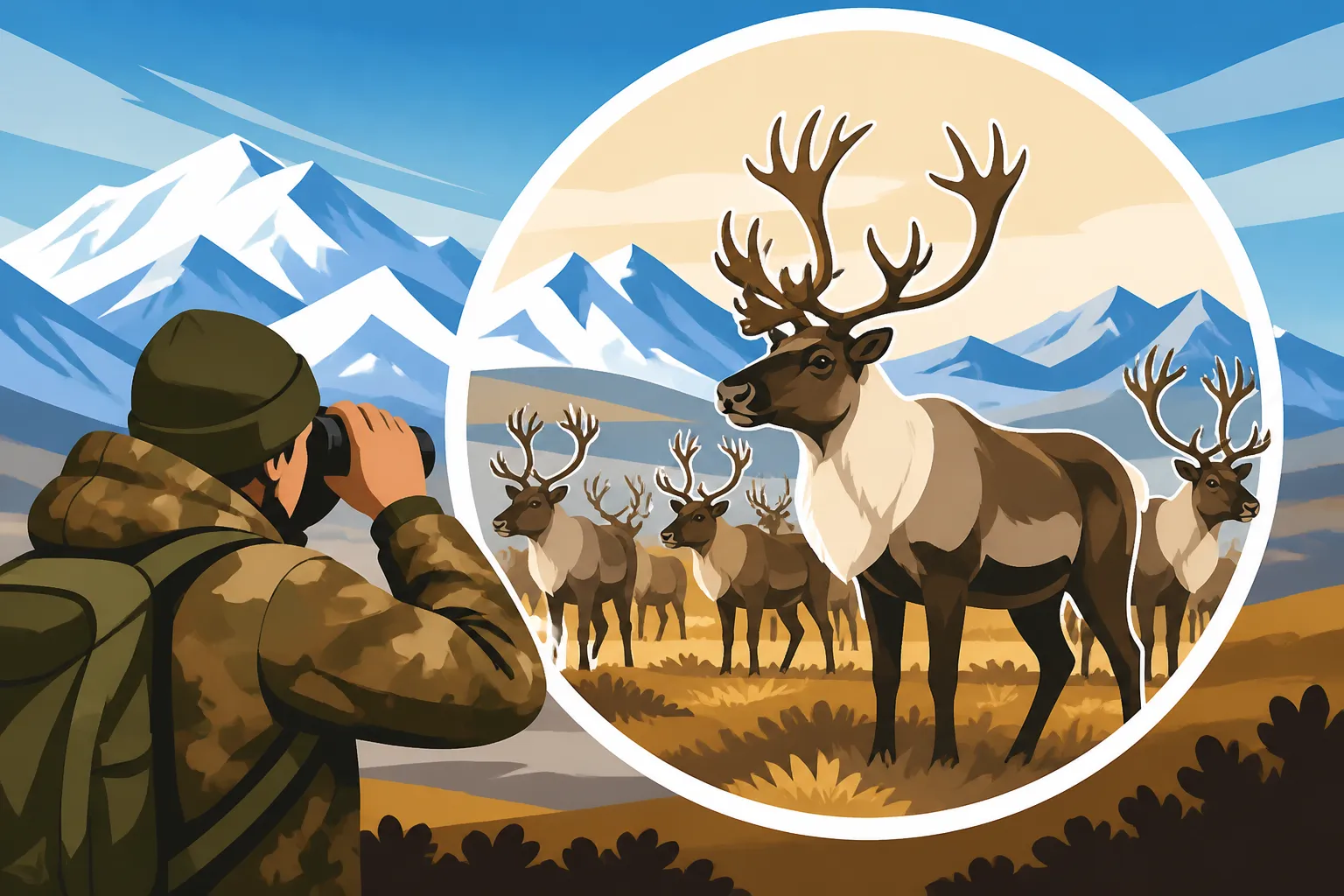
Western Arctic Herd Threshold for Unit 23 Access
If you've ever dreamt of hunting caribou in Alaska's vast wilderness, particularly in the renowned Unit 23, you know the immense effort that goes into planning. But nothing is more frustrating than meticulously preparing a hunt only to discover that access or regulations have changed due to fluctuating herd numbers. This guide will walk you through the specifics of the Western Arctic Herd's population threshold and how it directly impacts your ability to hunt in Unit 23, ensuring you understand the rules before you pack your bags.
Understanding Unit 23 and the Western Arctic Herd (WAH)
Unit 23, located in the northwestern part of Alaska, is a massive expanse of tundra, rivers, and mountains that has historically been home to one of the largest caribou herds in the world: the Western Arctic Herd. For many hunters, this unit represents the pinnacle of a true wilderness caribou experience.
The Importance of Unit 23 for Caribou Hunters
Unit 23 isn't just a geographical area; it's a critical landscape for the Western Arctic Herd (WAH), a herd that has sustained local communities for generations and drawn hunters from around the globe. The sheer scale of the unit, encompassing vast tracts of federal and state land, means that caribou can roam freely across immense distances, often covering hundreds of miles during their seasonal migrations. This nomadic behavior means that finding them can be a monumental challenge, but also offers the incredible reward of experiencing a true migration hunt.
Hunters often dream of Unit 23 because it offers opportunities for both resident and non-resident hunters, though access and regulations vary significantly based on residency and herd status. The landscape itself is breathtaking, from the rolling hills and river drainages to the occasional spruce stands that break up the endless tundra. However, the remoteness also means extreme self-sufficiency is required, as services are few and far between. Understanding the specific Unit 23 Boundaries in Northwest Alaska is the first step in planning any hunt here, as these boundaries dictate the regulatory framework you'll be operating within.
Western Arctic Herd's Dynamic Population
The Western Arctic Herd is famous for its massive numbers, often ranging into the hundreds of thousands, making it one of the largest caribou populations in North America. However, like all wildlife populations, the WAH experiences natural cycles of boom and bust. These fluctuations are influenced by a complex interplay of factors including forage availability, predation pressure from wolves and bears, disease, and weather patterns. In recent decades, the herd has seen periods of impressive growth, reaching highs well over 400,000 animals, followed by significant declines.
These population swings are not just academic; they have very real consequences for hunters. When the herd is robust, hunting opportunities are generally more liberal. When numbers drop, managers often implement more restrictive regulations to help the herd recover. For instance, the herd saw a substantial decline in the early 2000s, recovered, and then started declining again in the mid-2010s. Keeping an eye on these trends is crucial for any hunter planning a trip, and resources like the Alaska Department of Fish and Game (ADF&G) are the primary source for the most current data. Websites and platforms such as GoHunt also provide summaries and analysis that can help you understand the broader picture of The Western Arctic Herd's Population Swings and other caribou populations.
How Herd Health Influences Hunting Regulations
The health and size of the Western Arctic Herd directly dictate the hunting seasons and bag limits in Unit 23. This management approach is designed to ensure the long-term sustainability of the herd, balancing subsistence needs with sport hunting opportunities. When the herd population is deemed healthy and abundant, regulations tend to be more permissive, potentially allowing for longer seasons, higher bag limits, or broader access for various hunter groups.
Conversely, when the WAH population declines, ADF&G and federal land managers often impose more stringent restrictions. This can include shortening seasons, reducing bag limits (sometimes to one bull only, or even no hunting at all in certain areas), and, most notably for non-local hunters, implementing specific population thresholds that restrict who can hunt on federal lands. These measures are not arbitrary; they are carefully considered decisions based on aerial surveys, population models, and a deep understanding of caribou ecology. These regulatory changes highlight why understanding the Alaska Hunting Seasons and Tag Rules Explained is paramount for any hunter venturing into the Last Frontier. The ever-changing nature of these regulations means constant vigilance is required from hunters to ensure compliance.
The Access Threshold for Unit 23
The concept of a population threshold for Unit 23 access is a critical regulatory mechanism, primarily designed to manage hunting pressure on federal lands, especially when the Western Arctic Herd numbers are low. This isn't just about general harvest limits; it's about who gets to participate in the hunt.
What is the Population Threshold?
The critical population threshold for the Western Arctic Herd, specifically impacting non-local hunters seeking access to federal lands within Unit 23, is typically set at 200,000 caribou. This number isn't arbitrary; it represents a management benchmark below which federal land managers, in coordination with ADF&G, determine that additional restrictions are necessary to protect the herd and prioritize local subsistence users.
When the Western Arctic Herd's population estimate falls below this 200,000 threshold, the default regulation for non-local hunters on federal lands in Unit 23 is a closure. This means that if you are not a federally qualified subsistence user and the herd is below 200,000, you will likely not be able to hunt caribou on federal lands in Unit 23. It's a significant restriction that can completely alter hunting plans for many individuals. This rule is a prime example of how federal subsistence regulations, which often supersede state regulations on federal lands, come into play in Alaska's unique management landscape. Understanding this threshold is vital, as it can make or break a hunting trip for those coming from outside the immediate region.
Historical Context of the Threshold
This threshold didn't appear overnight. It emerged from decades of experience managing the Western Arctic Herd and balancing the diverse needs of various user groups. Historically, the WAH has been incredibly important for the subsistence lifestyle of rural Alaskans, particularly those living in communities like Kotzebue, Noatak, and Kiana, which fall within or near Unit 23. Their cultural and nutritional well-being is deeply tied to the herd's health and availability.
As the herd experienced its natural population swings, and as sport hunting pressure increased, federal agencies like the National Park Service (NPS) and the U.S. Fish and Wildlife Service (USFWS), which manage vast federal lands in Unit 23, recognized the need for a mechanism to ensure the sustainability of the herd for subsistence users during lean years. The 200,000 threshold was established to create a clear, data-driven trigger for managing this access. It's essentially a conservation measure that prioritizes the most dependent users when the resource is stressed. This is deeply embedded in the principles of Federal Subsistence Hunting on Alaska Public Lands, which grants priority to rural residents who meet specific criteria. The rule aims to prevent overharvesting by non-local hunters during periods when the herd is already facing natural challenges, allowing it a better chance to rebound.
Who is Affected by the Threshold?
The 200,000 caribou population threshold primarily impacts non-local hunters on federal lands within Unit 23. Let's break down what that means:
- Non-local hunters: This category generally includes anyone who does not qualify as a federally recognized subsistence user for that specific area. This encompasses most non-resident hunters, as well as many Alaska residents who live in urban areas like Anchorage or Fairbanks, or even other rural communities outside the specific federal subsistence region. For these individuals, if the WAH drops below 200,000, access to federal lands in Unit 23 for caribou hunting is typically closed. This is precisely why the discussion around Unit 23 Federal Closure to Nonlocal Hunters is so crucial for many aspiring caribou hunters.
- Federal Lands: Unit 23 contains a significant amount of federal land, including parts of the Gates of the Arctic National Park and Preserve, Noatak National Preserve, and Selawik National Wildlife Refuge. It's on these federal lands that the 200,000 threshold comes into play. State-managed lands within Unit 23 might have different regulations, though they are usually coordinated to some extent with federal rules to ensure overall herd management.
- Federally Qualified Subsistence Users: These are typically rural residents living within the federal subsistence regions that rely on the WAH for food. They often have different, more liberal hunting opportunities, even when the herd is below the threshold, as their reliance on the resource is given priority by federal law. However, even subsistence users may face restrictions if herd numbers fall to critically low levels, albeit usually less severe than those for non-local hunters.
This distinction is vital for planning. A hunter from outside the area must not only track state regulations through ADF&G but also federal regulations via the Office of Subsistence Management (OSM) and the specific federal land agencies involved. It's a complex layer of rules that requires diligent research, and a clear understanding of your own residency status relative to federal subsistence guidelines.
| Western Arctic Herd Population | Non-Local Hunter Access (Federal Lands, Unit 23) | Federally Qualified Subsistence Hunter Access (Federal Lands, Unit 23) |
|---|---|---|
| Above 200,000 Caribou | Generally Open (with state/federal permits) | Open (with federal permits, prioritized) |
| Below 200,000 Caribou | Generally Closed | Open (with federal permits, prioritized, potentially restricted bag limits) |
Navigating Unit 23 Regulations and Access
Planning a hunt in Unit 23 requires a proactive approach to understanding and adapting to regulations, especially given the dynamic nature of the Western Arctic Herd and the various land management jurisdictions. It's not a set-it-and-forget-it kind of endeavor; it demands ongoing engagement with official sources.
Staying Informed on Current Herd Numbers
The first, and perhaps most critical, step for any hunter eyeing Unit 23 is to stay relentlessly informed about the current population estimates for the Western Arctic Herd. These estimates are typically derived from annual or biennial aerial surveys conducted by the Alaska Department of Fish and Game (ADF&G). These surveys involve counting large groups of caribou and using statistical methods to extrapolate a total herd size.
ADF&G publishes these population estimates, along with management plans and proposed regulatory changes, on their website. This is your primary source of truth. It's wise to check these updates regularly, especially in the months leading up to the season, as herd estimates can influence emergency orders that close seasons early or restrict bag limits. Subscribing to email newsletters from ADF&G or checking their regional offices' social media can provide timely alerts. Additionally, dedicated hunting intelligence platforms like GoHunt often compile and analyze this data, presenting it in an easily digestible format for hunters. Staying connected with other hunters through forums or local outfitters can also provide valuable anecdotal information, but always cross-reference it with official sources. Remember, the herd is constantly on the move, and understanding these large-scale movements, as detailed in articles like Caribou Herds of Alaska and How They Move, can provide additional context.
Applying for Permits and Understanding Restrictions
Once you have a general understanding of the herd's status, the next hurdle is navigating the permit and tag system for Unit 23. This is where things can get particularly complex due to the interplay of state and federal regulations. For most non-local hunters, hunting caribou in Unit 23, especially on federal lands, often falls under a federal registration permit system when the herd is above the 200,000 threshold.
First, you'll need your standard Alaska hunting license. Then, you'll apply for a specific harvest ticket or registration permit for caribou in Unit 23. These are typically available online through ADF&G's website. However, when hunting on federal lands, you will often need an additional federal subsistence permit. These federal permits are often required even for state residents who don't qualify as federally-defined rural subsistence users if they hunt on federal lands. The availability of these federal permits for non-local hunters is directly tied to the WAH population threshold. If the herd is below 200,000, these permits may simply not be issued for non-local hunters for federal lands.
Always read the regulations booklet (both state and federal) thoroughly, paying close attention to specific hunt numbers, dates, bag limits, and any special conditions. The rules can vary not just by unit, but by subunit, and even specific land status within the unit. For instance, some areas may be closed to motorized vehicles, or have specific restrictions on weapon types. Understanding the details of Alaska Harvest Tickets, Registration Permits and Draw Permits is foundational to ensuring a legal hunt. Don't assume that a state permit covers you on federal land, especially in a unit as unique as 23.
Planning Your Hunt Around Potential Closures
Given the dynamic nature of caribou populations and the regulatory responses, planning a Unit 23 hunt requires significant flexibility and a contingency mindset. It's not uncommon for seasons to be curtailed or closed entirely via emergency order if herd numbers unexpectedly drop or if harvest quotas are met faster than anticipated.
Develop Backup Plans: Always have a "Plan B" (and maybe a "Plan C"). This might mean researching alternative caribou units or even different species (like moose or black bear if seasons align) that you could hunt if Unit 23 closes to non-local access. When considering a fly-in hunt, which is common for this remote area, discuss potential contingencies with your air taxi operator. What happens if the season closes mid-trip? Or if weather prevents your pickup? Understanding how to work with an Fly-In Hunting: Working With an Alaska Transporter Pilot on these scenarios is invaluable.
Book Flexibly (If Possible): If using an air charter, inquire about their cancellation policies related to season closures. While many transporters are sympathetic, their business operates on strict schedules. You might consider booking closer to the season if you're particularly concerned about herd numbers, but this also runs the risk of limited availability for bush flights.
Monitor News and Official Announcements: Stay glued to ADF&G and federal subsistence management news releases. These will be the first places to announce closures or changes. If you're in the field, a satellite communication device like an InReach or Garmin Messenger can receive these critical updates. And for navigating the vast, often trackless wilderness, always ensure you've done your homework on Downloading Offline Maps Before a Fly-In so you're not caught off-guard by unexpected movements of the herd or sudden diversions. Preparing for the unknown is as much a part of the hunt as scouting for game.
Disclaimer
Please remember that hunting regulations in Alaska are complex and subject to change. Always consult the most current Alaska Department of Fish and Game (ADF&G) regulations booklets and federal subsistence regulations before planning and executing any hunt. This guide is for informational purposes only and should not be considered a substitute for official sources.