The Western Arctic Herd’s Population Swings
Many Alaska hunters feel like they're chasing a phantom when it comes to caribou, especially with herds like the Western Arctic experiencing dramatic ups and downs. It's incredibly frustrating to plan a hunt, invest time and money, only to find the herd has shifted its range or, worse, the season has been curtailed due to population declines. This comprehensive guide aims to shed light on the intricate dynamics behind the Western Arctic Herd's population swings, helping you understand the forces at play and better prepare for future hunts.
Unraveling the Western Arctic Herd's Vast Domain
The Western Arctic Herd (WAH) is not just any caribou herd; it’s one of the largest migratory populations of land mammals in North America, embodying the wild spirit of Alaska. Its immense scale and the sheer volume of animals involved make its population swings particularly impactful, not just for the ecosystem but for the countless hunters who depend on it.
Geographic Range and Epic Migration Patterns
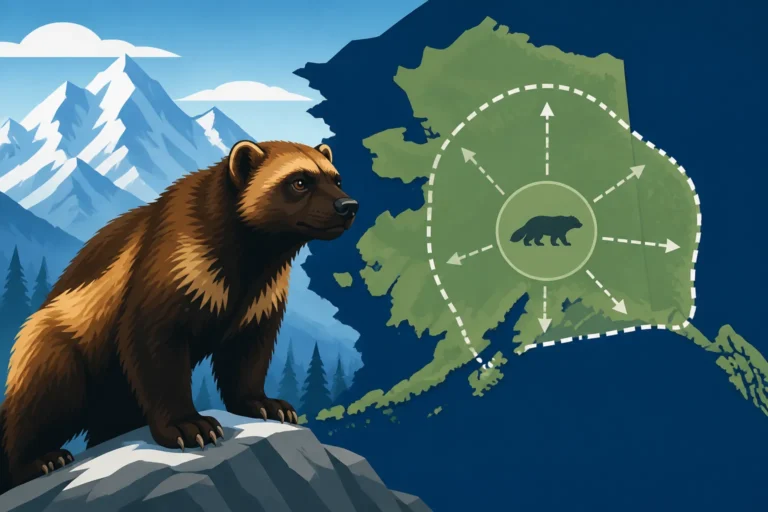
The WAH roams an immense territory in northwestern Alaska, a landmass roughly the size of the state of Oregon. This vast domain stretches from the coastal plains near Kotzebue Sound and the Chukchi Sea eastward towards the Koyukuk River, and north into the Brooks Range foothills, extending nearly to the Arctic Ocean. Imagine diverse landscapes that encompass everything from treeless coastal tundra to the fringes of the boreal forest, all part of the caribou's annual journey. These animals are in constant motion, driven by an inherent need to find optimal forage, escape the relentless harassment of insects, and fulfill the powerful biological urges to calve and breed. Their annual migration can be truly epic, with individual caribou sometimes traversing thousands of miles each year, making them one of the most nomadic big game species on the continent. This continuous, wide-ranging movement is precisely what makes predicting their exact location a monumental challenge, even for the most seasoned hunters who spend their lives in these remote regions.
What makes these migrations even more complex is their adaptability; the patterns aren't static but shift in response to environmental conditions. For instance, the specific winter ranges utilized by the herd can change dramatically from one year to the next, largely influenced by snow depth and ice crusting conditions, which directly impact their ability to access lichen—their primary winter food source. In spring, pregnant cows undertake a critical migration towards traditional calving grounds, often found in the northern reaches near the Utukok, Kokolik, and Colville River drainages. The success of this calving period is a direct indicator of the herd's overall health and its future population trajectory. For hunters, understanding these broad, flexible patterns, rather than trying to pinpoint specific, static spots, is crucial. While resources like the Alaska Department of Fish and Game (ADF&G) maps and advanced scouting tools from platforms like GoHunt can provide valuable general historical migration data, caribou are notoriously unpredictable. The precise route they choose to take in any given year can vary significantly, turning every hunt into a unique and challenging puzzle.
Caribou Biology and Life Cycle Basics
Caribou, scientifically known as Rangifer tarandus, are truly fascinating creatures, perfectly adapted to thrive in their harsh Arctic and sub-Arctic environments. One of their most distinguishing features, unlike many other deer species, is that both male and female caribou typically grow antlers, although bull antlers are invariably much larger and more elaborate, often forming impressive racks. Bulls usually shed their antlers in late fall or early winter after the rut, whereas cows frequently retain theirs until spring, often after they have given birth to their calves. This unique adaptation provides cows with an advantage in accessing winter forage, as they can use their antlers to clear snow more effectively. The caribou rut, or breeding season, typically peaks in October, followed by a gestation period of about 7 to 8 months. Calving usually occurs in late May to early June, and the survival rates of these newborn calves in their first few critical weeks are a direct and vital determinant of the herd's growth or decline in the coming years.
Their diet is surprisingly varied for an Arctic ungulate, primarily consisting of lichens, sedges, grasses, and various species of willow. Lichens are particularly important, especially during the lean winter months when other forage is scarce, providing a calorie-dense food source. However, lichens are notoriously slow-growing, which makes overgrazing a genuine concern in areas where caribou concentrate for extended periods. The energy demands associated with their epic migrations, the growth of their impressive antlers, and the rigors of reproduction are immense. This means that any significant environmental stressor—whether it's an unusually harsh winter, a late spring, or widespread insect outbreaks—can profoundly impact the health of individual caribou. Consequently, this stress directly affects the herd's overall ability to thrive and is a key driver behind the dramatic population swings regularly observed in the Western Arctic Herd.
Decades of Boom and Bust: Historical Population Trends
The narrative of the Western Arctic Herd is one of constant flux, a testament to the powerful, cyclical nature of wildlife populations in a wild, unforgiving landscape. For generations, hunters have witnessed these shifts firsthand, adapting their strategies and expectations to the herd’s ever-changing fortunes.
Understanding the Cyclical Nature of Caribou Populations
Caribou populations, especially vast migratory herds like the WAH, are intrinsically characterized by natural cycles of boom and bust. It's a common ecological pattern for these herds to experience periods of exponential growth, reaching a peak in their numbers, only to undergo a rapid and often dramatic decline before eventually stabilizing or beginning another growth phase. These cycles are not short-term events; they can span several decades and are influenced by an intricate and constantly shifting interplay of environmental factors, predator dynamics, and disease prevalence. This complexity makes it incredibly challenging for wildlife managers and hunters alike to accurately predict the exact timing or the precise magnitude of these impending shifts. Historically, the Western Arctic Herd has consistently demonstrated this cyclical pattern, with its numbers fluctuating wildly from well under 100,000 animals to over half a million at its peak. This inherent variability is a fundamental aspect that hunters must learn to accept and continuously adapt to when planning their expeditions into Alaska's vast wilderness.
Furthermore, these cycles are rarely perfectly symmetrical or entirely predictable in their progression. A herd might experience a protracted period of slow growth, followed by a sudden, severe crash, or it might endure an extended phase of low numbers before showing signs of recovery. The scientific community is tirelessly working to identify the specific triggers that initiate these profound changes, but it is seldom attributable to a single cause. Instead, these shifts are typically the result of a culmination of various pressures: environmental stressors such as harsh weather conditions, shifts in predation dynamics, and the prevalence of diseases. These factors collectively push a herd beyond its ecological carrying capacity, leading to a decline, or conversely, create conditions conducive to a rebound. Recognizing that these fluctuations are a natural and integral part of caribou ecology helps to set realistic expectations for hunters and significantly informs management decisions, frequently leading to necessary adjustments in harvest quotas or season lengths to aid the herd's recovery or prevent excessive harvest during periods of lower numbers.
Notable Highs and Lows in Western Arctic Herd History
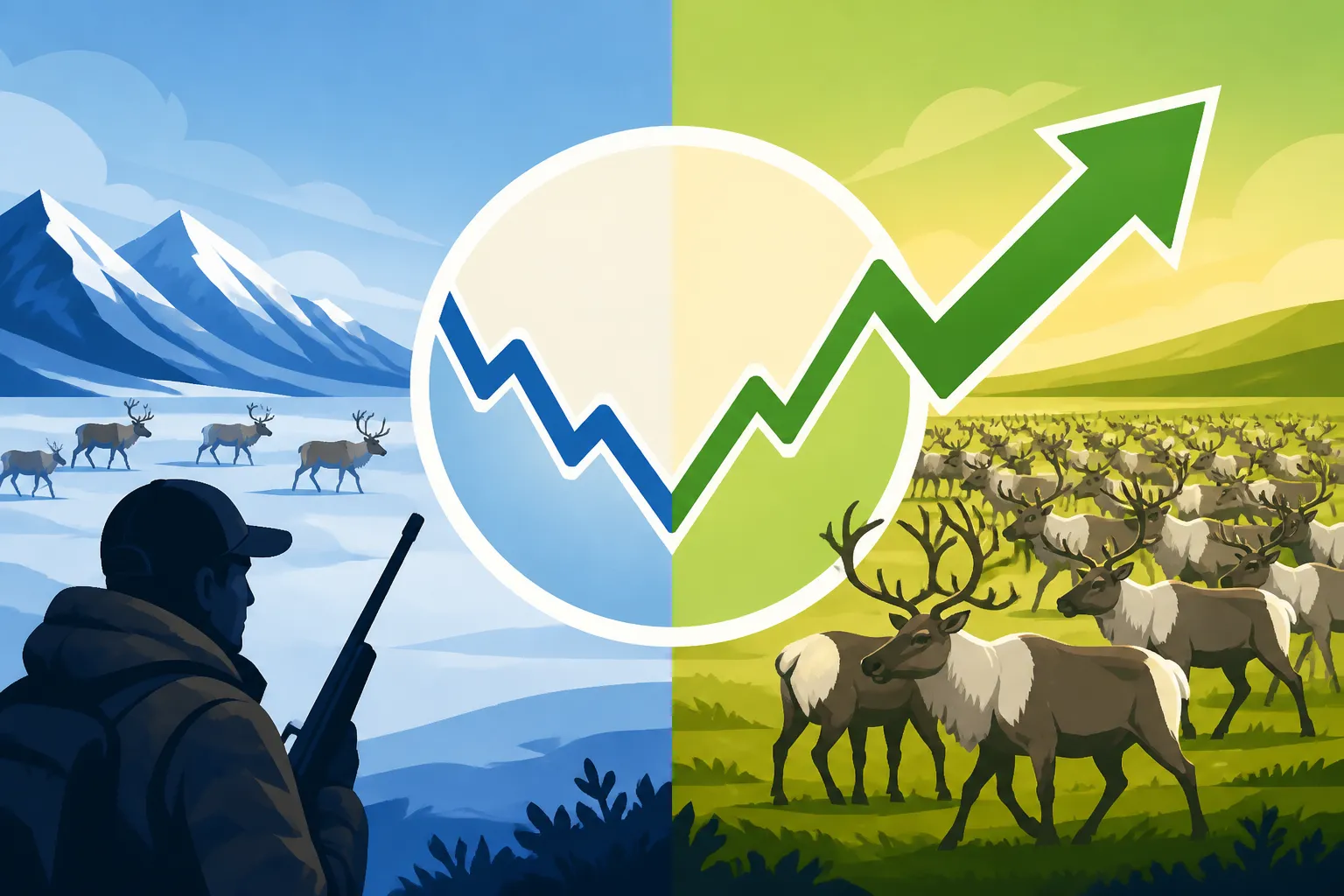
The Western Arctic Herd has indeed witnessed some truly spectacular population figures, along with equally stark and challenging declines throughout its documented history. In the mid-1970s, the herd was estimated to be around 240,000 animals, a healthy but not yet record-breaking number. Following this period, throughout the 1980s and into the early 1990s, the herd experienced a remarkable and sustained growth phase, ultimately peaking at an astounding 463,000 caribou by 2003. One can only imagine the sheer spectacle of hundreds of thousands of caribou moving as a vast, living river across the expansive tundra—it was truly an iconic Alaskan experience for those fortunate enough to witness it. During this period of unprecedented abundance, many hunters flocked to accessible areas like the Dalton Highway or flew into incredibly remote regions, enjoying exceptionally high success rates.
However, the period after 2003 marked a significant turning point, as the herd began a steady and concerning decline. By 2017, the population was estimated at approximately 249,000 caribou, representing nearly a 50% reduction from its peak just over a decade prior. This precipitous decline naturally led to the implementation of stricter hunting regulations, including shorter seasons, and in some areas, complete closures or severe limitations on cow harvest, directly impacting hunter opportunities. More recent estimates (around 2022-2023) have shown some signs of stabilization, but the herd remains well below its historical highs, often hovering around the 170,000 to 200,000 mark. These dramatic shifts underscore the critical importance of dynamic wildlife management and the ongoing need for hunters to stay meticulously informed about the current herd status. This vital information can be tracked through ADF&G updates or through comprehensive platforms like GoHunt, which diligently aggregate such data. Understanding these historical "The Western Arctic Herd's Population Swings" is absolutely crucial for any hunter hoping to pursue caribou in this region.
| Year | Population Estimate (Western Arctic Herd) | Status | Key Management Response (Example) |
|---|---|---|---|
| 1970s | ~240,000 | Stable | General seasons, liberal bag limits |
| 1990s | Growing | Growth | Continued liberal seasons |
| 2003 | 463,000 | Peak | Maximum harvest opportunities |
| 2017 | 249,000 | Decline | Stricter bag limits, shorter seasons |
| 2022 | ~170,000 – 200,000 | Low/Stable | Targeted closures, cow harvest limits |
| 2023+ | Varies | Monitoring | Adaptive management based on surveys |
Driving Forces Behind Western Arctic Herd Population Dynamics
The health and numbers of the Western Arctic Herd are not determined by a single factor but by a complex interplay of environmental conditions and ecological interactions. Understanding these driving forces is essential for appreciating the challenges of wildlife management and for hunters to adapt their expectations.
The Ever-Present Role of Predation
Predation is a completely natural and undeniably significant factor influencing caribou populations. Apex predators such as wolves, brown bears (including the formidable interior grizzlies), and even black bears, particularly preying on young calves, exert a constant and often intense pressure on the herd. When caribou numbers are high and abundant, predator populations often experience a corresponding increase, benefiting from the plentiful food source. This eventually contributes to the caribou's subsequent decline as predator numbers grow. Conversely, when caribou numbers drop significantly, predator populations may also decline due to reduced prey availability or shift their focus to other available prey species, which can, in turn, create conditions that allow the caribou herd to begin to rebound. It's a classic example of a predator-prey relationship, but in an ecosystem as vast, dynamic, and intricate as Alaska's, it is rarely a simple, one-to-one interaction with predictable outcomes.
The vulnerability of caribou to predation changes dramatically throughout the year, with specific periods of heightened risk. Calves, in particular, are exceptionally susceptible during their first few weeks of life, a critical window when their survival rates are paramount to the herd's future. A tough spring season, characterized by persistent deep snow or prolonged periods of cold weather, can weaken both cows and their newborns, making them far easier targets for predators. Moreover, during the massive migrations, especially when large numbers of caribou are funneled through narrow corridors or river crossings, they can become highly concentrated. This concentration increases their vulnerability to ambush by wolf packs, which are expert at exploiting such situations. While predator management can be a tool utilized by ADF&G in specific, highly targeted situations to aid struggling prey populations, it is generally understood that predation is an intrinsic, vital, and healthy component of a functioning ecosystem. Hunters should also always be mindful of "Bear Safety While Butchering a Kill in Alaska," especially in areas where caribou are known to concentrate and bears are likely to be present.
Habitat Quality, Climate Variability, and Disease
The fundamental health of a caribou herd, and indeed its very existence, is inextricably linked to the availability and quality of its habitat and forage. Lichens, while critically important for caribou nutrition, particularly in winter, are notoriously slow-growing and highly susceptible to damage from overgrazing or widespread forest fires. Extensive fires, which are a common and natural occurrence in parts of Alaska's interior, can temporarily decimate available winter forage, forcing caribou to seek out new areas or rely on less nutritious plant alternatives. This, in turn, directly impacts their overall body condition, their reproductive success, and their susceptibility to various diseases. Beyond localized events, climate change is introducing new and increasingly significant variables into the equation. These include shifts in vegetation zones, an increased frequency of ice crusts forming on winter forage (rendering it inaccessible), and alterations in the patterns and severity of insect harassment. Severe insect outbreaks, in particular, can place immense stress on caribou, leading to reduced foraging time, significant energy depletion, and ultimately, impacting calf survival rates and the overall health of the herd.
While typically not the primary driver of large-scale population crashes, disease can also play a subtle yet significant role, especially in conjunction with other stressors. Various parasites and pathogens are naturally present within caribou populations. However, a herd that is already weakened, perhaps stressed by adverse environmental factors or suffering from poor body condition, can become far more vulnerable to widespread illness. For example, certain lungworm parasites or bacterial infections might become more prevalent and impactful in dense or stressed herds. These factors—habitat, climate, and disease—are often deeply interconnected, creating a complex and dynamic web of influence on the Western Arctic Herd. This intricate complexity makes accurate long-term predictions challenging but unequivocally highlights the critical importance of robust and ongoing monitoring programs to understand and respond to the herd's changing fortunes.
Human Harvest and Adaptive Management
While often a comparatively smaller piece of the intricate puzzle compared to the vast natural factors influencing caribou populations, human harvest remains the one variable that wildlife managers can directly and strategically control. During periods when caribou numbers are high and robust, harvest quotas and season lengths tend to be more liberal, allowing hunters to effectively and sustainably utilize the resource. However, when the herd begins to decline, the Alaska Department of Fish and Game (ADF&G) implements more restrictive regulations. These measures can include reduced bag limits, significantly shorter seasons, or even temporary closures in specific hunting areas. This adaptive management approach is absolutely critical to ensuring the long-term sustainability of the herd and, by extension, the continued hunting opportunities it provides for future generations.
For example, when the Western Arctic Herd’s estimated population drops below the critical 200,000 threshold—a key management trigger—specific game management units might face reduced bag limits, or the season could close early via "Alaska Emergency Orders That Close a Season Early." It is therefore essential for hunters to thoroughly understand the nuances of "Alaska Caribou Seasons and the Winter Hunt Split," as these splits often directly reflect the management responses to the herd's current health. Beyond regulatory compliance, hunters also bear a crucial responsibility to adhere strictly to these regulations and, vitally, to complete their "Alaska Harvest Report Deadline After the Hunt." Providing accurate and timely data is indispensable for informed management decisions. This cooperative effort and shared responsibility between hunters and wildlife managers are absolutely vital for striking a balance between conservation and the sustained, respectful public use of this magnificent and valuable wild resource.
Implications for Hunters and Future Outlook
For hunters eager to experience the unparalleled thrill of pursuing caribou in Alaska, the population swings of the Western Arctic Herd bring both immense opportunity and significant challenges. Understanding these implications is key to a successful and fulfilling experience, regardless of whether you punch a tag.
Navigating Season Changes and Emergency Orders
One of the most immediate and, frankly, frustrating challenges for hunters meticulously planning a Western Arctic Herd caribou hunt is the very real potential for abrupt season changes and emergency orders. Caribou are renowned for their highly mobile nature, and their unpredictable movements, coupled with significant population fluctuations, often necessitate swift and decisive management responses from the ADF&G. This means that a season that appeared wide open and promising when you booked your expensive trip in January might be drastically different by the time August or September rolls around. It is far from uncommon for seasons to close early, for bag limits to be unexpectedly reduced, or for certain hunt areas to become restricted with very little advance notice. This inherent uncertainty can be incredibly disheartening, particularly for non-resident hunters who have invested substantial funds, travel time, and effort into their Alaskan adventure.
Given this reality, staying meticulously informed is not just advisable, it is paramount. Regularly checking the ADF&G website for any emergency orders and season updates should be a non-negotiable part of your pre-hunt routine. Subscribing to email alerts from the department or diligently following reliable hunting news outlets specifically focused on Alaska are also smart and proactive strategies. Many successful hunters wisely utilize comprehensive platforms, such as GoHunt's state-specific resources, which often aggregate these critical updates and provide valuable analysis, saving you considerable time and effort. While it is realistically impossible to completely eliminate the risk of a cancelled or drastically altered hunt, proactive monitoring allows you to adjust your plans more effectively, perhaps shifting your focus to a different game management unit or even targeting a different species if the caribou hunt begins to look less promising.
Access Challenges and Hunter Success Rates
Beyond the regulatory shifts, the sheer mobility of the Western Arctic Herd presents continuous and evolving access challenges for hunters. When the herd is in a period of decline, or its movements become particularly unpredictable and dispersed, caribou can be scattered across vast and remote areas. Conversely, they might congregate in locations that are incredibly difficult to reach, far from roads or common landing strips. This means that what were once reliable, traditional hunting spots might now be barren, or you may need to invest significantly more in specialized transportation, such as an air taxi, just to reach the animals. The "Western Arctic Herd and the 200,000 Threshold" is a key indicator; when the population dips below this, it often triggers not only tighter regulations but also makes locating animals considerably more challenging.
Hunter success rates are undeniably and directly tied to these critical factors. During periods of peak caribou population, success rates can be remarkably high, with hunters often filling their tags relatively quickly and with less effort. However, during times of herd decline or when the caribou are widely scattered, success rates can plummet dramatically. This necessitates that hunters are far more prepared, more adaptable, and often more willing to cover vast distances on foot or with ATVs to locate animals. It also means temperating your expectations; a caribou hunt, especially for the WAH, is never a guaranteed fill. Focusing on the immersive experience, the overwhelming vastness of the Alaskan wilderness, and the inherent challenge itself becomes as important, if not more important, than simply punching a tag. Having a solid plan for "Packing Out Meat in Alaska: The Salvage Law Hunters Must Follow" is always important, regardless of the perceived success rate of the hunt.
Looking Ahead: Monitoring, Research, and Adaptable Strategies
For any hunter committed to ethical and sustainable hunting in Alaska, looking forward means understanding the scientific efforts underpinning wildlife management and cultivating a flexible approach to their pursuits.
Ongoing Monitoring and Scientific Research Efforts
Understanding the future trajectory and health of the Western Arctic Herd relies fundamentally on the diligent and continuous efforts of wildlife biologists and dedicated researchers. The ADF&G conducts extensive and multifaceted monitoring programs, which are essential for informed decision-making. These programs include systematic aerial surveys designed to estimate the population size, assess herd composition (such as calf-to-cow ratios and bull ratios), and meticulously track key demographics. Additionally, radio-collaring programs are implemented to monitor individual caribou, providing invaluable data on migration patterns, seasonal movements, and survival rates. The collection of biological samples is also a routine part of these efforts, allowing for thorough health assessments and disease monitoring. All of this collected data is absolutely crucial for informing effective management decisions and for gaining a deeper understanding of the complex factors that drive population changes within the herd. Without these ongoing, robust efforts, wildlife managers would be largely operating in the dark, significantly hindered in their ability to respond effectively to the herd's dynamic needs.
Furthermore, collaborative research initiatives play an increasingly vital role, frequently involving federal agencies, academic institutions, and Native corporations. These studies often focus on specific, in-depth aspects of caribou ecology, such as detailed predator-prey dynamics, the precise impact of a changing climate on forage availability, or the prevalence and effects of particular diseases within the population. For engaged hunters, being aware of these ongoing research efforts provides deeper insight into the current status of the herd and its potential future trajectory. While you won't receive a daily update on every research finding, understanding the underlying scientific rationale helps to contextualize season changes, regulatory adjustments, and fosters a greater appreciation for the immense challenges involved in managing such a vast and dynamic wild resource. The comprehensive information available on "Caribou Herds of Alaska and How They Move" is a direct and invaluable result of this dedicated scientific research.
Adapting Your Hunting Strategy for the Future
Given the inherent unpredictability that defines the Western Arctic Herd, the most successful and consistently fulfilled hunters are those who deeply embrace adaptability. This means never setting your heart rigidly on a single, specific hunting spot, nor relying solely on past experiences, as caribou movements rarely repeat themselves exactly. Instead, the focus should be on building a versatile skillset and cultivating a profound understanding of caribou behavior across varied Alaskan landscapes. Utilizing powerful tools like "Downloading Offline Maps Before a Fly-In" and thoroughly analyzing satellite imagery to scout potential migration corridors and prime feeding areas from the comfort of your home can give you a significant strategic advantage. Advanced platforms from services like GoHunt offer incredible resources for analyzing historical migration data and identifying potential access points, helping you make more informed decisions.
Consider diversifying your hunting plans and remaining flexible. If the WAH appears to be in a low cycle or if regulatory restrictions are particularly tight, it’s a smart move to research other caribou herds or other game species within a reasonable distance. For example, exploring the "Fortymile Caribou Herd Range and Migration" might offer viable alternative opportunities. Be mentally and physically prepared for longer treks, potential shifts in hunting methods (e.g., transitioning from road-system hunting to more remote fly-in hunts), and the very real possibility of not filling your tag. Focus intently on building robust bushcraft skills, ranging from advanced navigation techniques to proper field care of game. Embrace the challenge, savor every moment of your journey into Alaska's incredible wilderness, and appreciate every caribou encounter, regardless of whether it culminates in a harvest. It is this resilience, combined with a deep respect for the unpredictable and wild nature of Alaska, that truly defines a seasoned Alaskan hunter.
Disclaimer
Please remember that hunting regulations in Alaska can change frequently due to emergency orders and biological assessments. Always consult the most current Alaska Department of Fish and Game (ADF&G) regulations prior to any hunting activity. The information provided in this guide is for informational purposes only and should not be considered legal advice.