Arctic Ground Squirrel as Bear Food
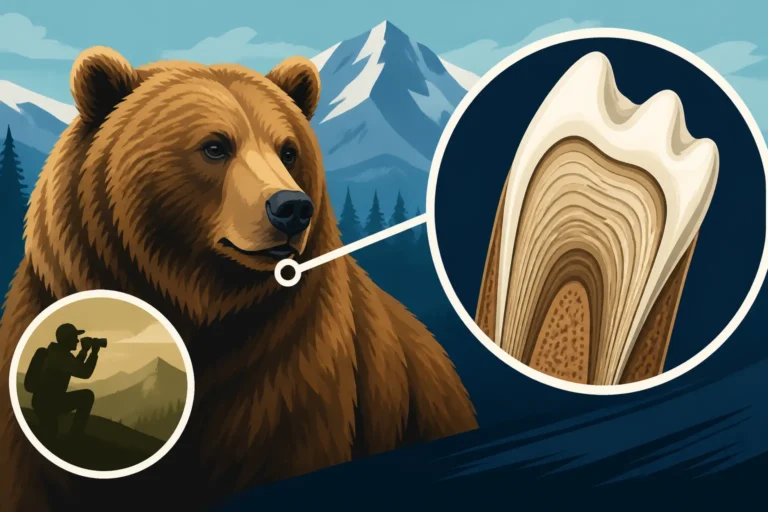
When you think about the magnificent bears of Alaska, whether it's the colossal coastal brown bears or the adaptable interior grizzlies, your mind probably jumps to massive salmon runs, lush berry patches, or perhaps even a downed moose. But there’s a much smaller, often overlooked, and incredibly vital food source that plays a huge role in the survival and well-being of these incredible animals: the humble Arctic ground squirrel. These little critters aren't just cute; they're packed with essential nutrients and calories that can make or break a bear's season, especially during critical times of the year. Understanding this crucial link helps us appreciate the intricate web of life in Alaska and gives hunters a deeper insight into bear behavior and habitat.
The Nutritional Goldmine of the Arctic Ground Squirrel for Bears
It's easy to dismiss a creature as small as the Arctic ground squirrel when you're thinking about the diet of a 500-pound bear, but that would be a serious mistake. These energetic little rodents are a powerhouse of nutrition, and bears know it. They don't just happen upon them; they actively seek them out, understanding implicitly the caloric punch each one delivers.
A Calorie-Rich Feast in a Small Package
Arctic ground squirrels, often called "siksik" by some Indigenous peoples, are perfectly adapted to their harsh environment. To survive long, cold winters, they pack on an incredible amount of fat. This fat isn't just for insulation; it's a dense energy store that sees them through months of hibernation. For a bear, especially a hungry one emerging from its den or trying to put on weight for the upcoming winter, this makes them an incredibly valuable target. Each squirrel might be small individually, but imagine the cumulative effect of digging up dozens, or even hundreds, over a season.
When you break it down, these squirrels are rich in both fat and protein – two critical macronutrients for a bear's demanding metabolism. While a salmon might offer a burst of omega-rich fats and protein, and berries provide carbohydrates and antioxidants, ground squirrels offer a consistent, high-energy package that's available in different habitats and at different times. This becomes especially important in areas where other primary food sources might be scarce or seasonally limited. Think of an interior grizzly, for example, which might not have the same access to teeming salmon rivers as its coastal cousin. For these bears, every calorie counts, and ground squirrels contribute significantly to their energy budget. The differences between Alaska Brown Bears on the Coast Versus Interior Grizzlies in diet often hinge on what readily available protein and fat sources exist.
Seasonal Availability and Timing
The timing of the Arctic ground squirrel's life cycle is almost perfectly synchronized with a bear's most urgent nutritional needs. Ground squirrels typically emerge from hibernation in April or May, often on those sunny, south-facing slopes where the snow melts first. For a bear that has just stirred from its winter sleep, having depleted its own fat reserves, these early-emerging squirrels are an absolute lifesaver. There aren't many other readily available high-calorie food sources around during this early spring period. The berry bushes are bare, and salmon runs are months away. This makes the newly active squirrels a critical "first food" for bears. We've certainly seen grizzlies working those same slopes where we'd be looking for Spring Bear Hunting on South-Facing Snow Slides, precisely because that's where life emerges first.
As spring turns to summer and then fall, the squirrels continue their busy lives, foraging and fattening up for their own hibernation. This means bears have a consistent supply throughout the active season. The squirrels are at their plumpest and most calorie-dense in late summer and early fall, just when bears are entering hyperphagia – that intense feeding frenzy to pack on fat before denning. This period, leading up to Brown Bear Denning Timing in Alaska, is crucial, and ground squirrels contribute significantly to the bears' success in reaching their winter weight goals. For black bears, especially, squirrels can be a critical food source in their Black Bear Diet Before Salmon Arrive in some areas, or simply a consistent protein source when other options are lean. The more diverse a bear's diet, the better its chances of survival, and these small mammals are a key piece of that puzzle.
Hunting Tactics: How Bears Dig Up Their Dinner
You might picture a bear effortlessly swiping a salmon from a river or casually browsing berries, but when it comes to ground squirrels, it's a much more active and labor-intensive affair. Bears don't just wait for squirrels to pop out; they go after them, turning into formidable excavators.
The Art of Digging: Bears as Excavators
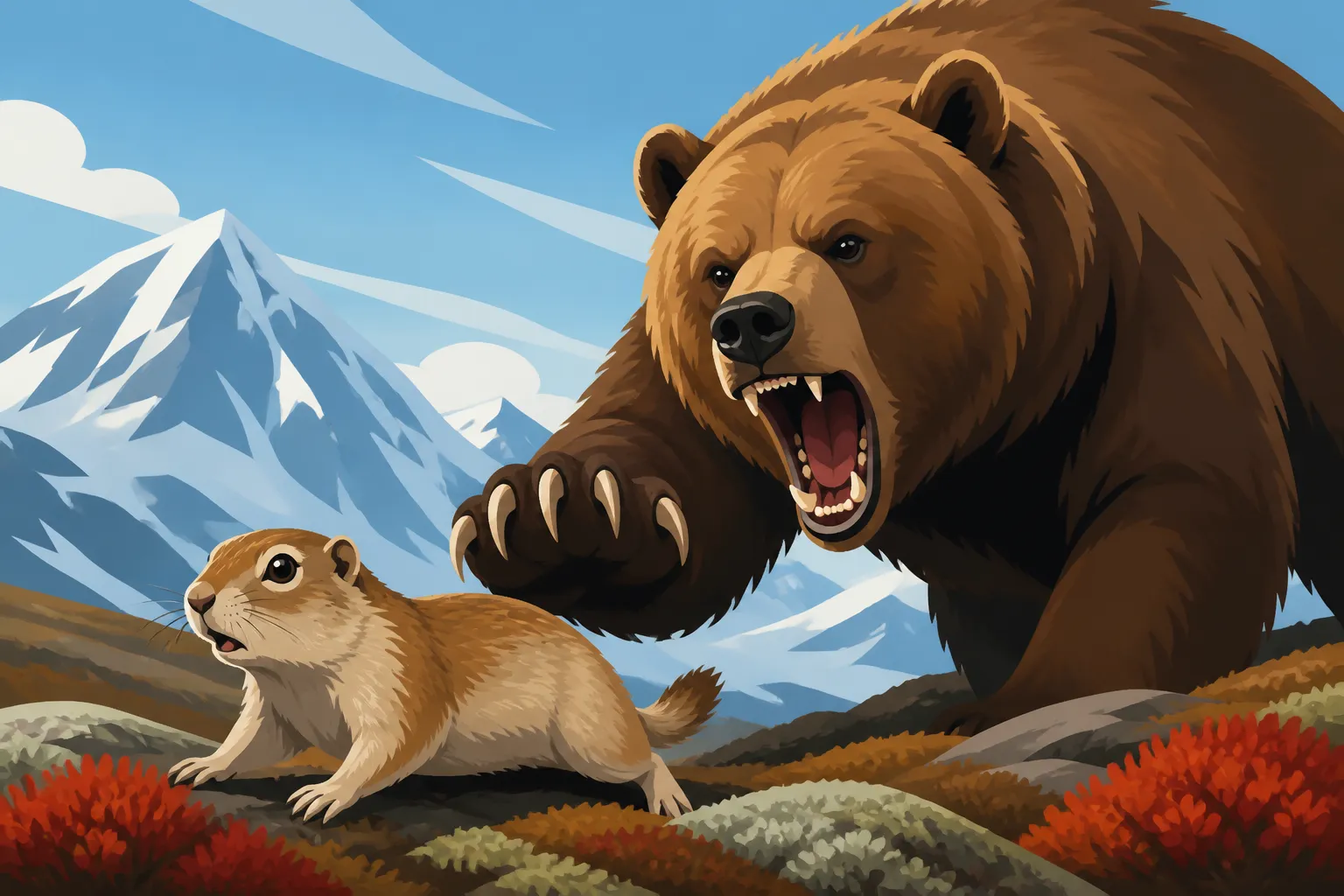
Watching a bear dig for ground squirrels is a testament to their strength and determination. It's not a gentle poke; it's a full-on excavation. Bears use their incredibly powerful forelegs, equipped with long, strong claws, to tear apart the earth. Their large heads and snouts are also instrumental, pushing aside soil and rocks. They might start with a sniff, zeroing in on a squirrel's burrow entrance or even detecting the scent of a network of tunnels beneath the surface. Once they commit, they can move an astonishing amount of dirt in a short period.
The result of this frantic digging is often a tell-tale sign for observant hunters: a series of fresh, conical or bowl-shaped depressions in the ground, sometimes several feet across and deep. These "diggings" are clear evidence that a bear has been working the area. We often look for these signs when scouting, especially in open country or on tundra slopes. It tells you exactly what that particular bear has been up to. If you're trying to figure out Interior Grizzly Behavior Versus Coastal Brown Bears, these diggings are more common with interior grizzlies who rely less on marine protein and more on terrestrial food sources like squirrels and roots. They are constantly looking for those concentrated protein packets.
Reading the Landscape for Squirrel Hotspots
Bears aren't just digging randomly; they're remarkably efficient at finding the best places. Arctic ground squirrels prefer to make their homes in well-drained soils, often on south-facing slopes, gravelly ridges, or the edges of tundra and alpine meadows. These areas provide good drainage, prevent their burrows from flooding, and allow for easier digging. They also tend to be sunny spots that warm up quickly in the spring, which means earlier vegetation growth for the squirrels to eat and an earlier emergence from hibernation.
A bear's keen sense of smell, combined with generations of learned behavior, helps them identify these prime locations. They will patrol these areas, especially in the spring after When Black Bears Emerge in Spring and in the fall, systematically working through likely terrain. If you're an avid backcountry hunter using tools like GoHunt for scouting, you might use topographical maps to identify these types of terrain features – the same dry ridges and open slopes that would attract ground squirrels. A good scouting app can help you visualize these high-probability areas, just as a bear inherently knows where to look. We often find that in certain drainages, the sheer number of old and fresh squirrel diggings tells you a lot about the local bear density and how reliant they are on these small mammals. It's a key indicator of a healthy, diverse food chain.
Broader Ecological Impact: Bear Health and Population Dynamics
The connection between Arctic ground squirrels and bears goes far beyond a simple meal. It's a relationship that deeply influences bear survival, reproductive success, and even their broader movements across the landscape. When these small prey animals thrive, so too do the larger predators that depend on them.
Survival and Reproduction Linked to Squirrel Abundance
For bears, especially sows, maintaining good body condition is paramount. A healthy, fat sow is more likely to successfully carry cubs to term, give birth to healthy offspring, and have the milk reserves needed to get them through their first critical months. If a sow doesn't manage to pack on enough weight from a varied diet that includes nutrient-dense foods like ground squirrels, she might not even conceive, or her cubs might have a lower chance of survival. This creates a direct link between the abundance of these small mammals and the reproductive success and long-term health of the bear population.
Consider a year where squirrel populations are low due to environmental factors, or perhaps a particularly harsh, late spring. Bears would struggle to find those early-season calories, leading to lower body weights. This ripple effect can impact the next generation of cubs. Conversely, years with booming squirrel numbers often coincide with robust bear populations. While large game like moose calves are also important, and we often discuss Predation Pressure on Alaska Moose Calves, bears need a constant input of energy for all their activities, and squirrels are a consistent, if small, contributor. It's all part of the complex energy equation that dictates whether a bear thrives or merely survives. Thinking about how the entire ecosystem works helps us grasp why we must always practice Bear Safety While Butchering a Kill in Alaska — a hungry bear is an unpredictable bear, and they are always looking for calories.
Influencing Bear Movement and Denning Patterns
The distribution and abundance of Arctic ground squirrels can also influence where bears spend their time and even where they choose to den. If a particular area has excellent ground squirrel habitat—those aforementioned sunny slopes and well-drained ridges—bears might be drawn to that area and stay there longer, especially during the spring and fall feeding periods. A large, productive squirrel colony essentially acts as a localized food magnet, holding bears in a specific basin or drainage.
This can impact how hunters approach an area. Knowing where these "squirrel cities" are can give you a clue as to where bears might be concentrated. For example, if you're scouting with GoHunt, and you identify prime squirrel habitat adjacent to suitable denning terrain, that might be a productive area to focus your attention. Bears often seek out protected, well-drained slopes for their dens, and if those same slopes offer abundant food in the shoulder seasons, it's a win-win for the bear. Furthermore, if an area is particularly rich in ground squirrels in the late fall, a bear might be more inclined to select a den site nearby, minimizing its energy expenditure as it prepares for winter. That’s why we always recommend a thorough Bear Fence Setup at a Meat Cache – bears are constantly thinking about the next meal, big or small.
Here's a quick look at how Arctic ground squirrels fit into the broader bear diet, highlighting their seasonal importance:
| Food Source | Primary Nutrient Contribution | Key Season(s) | Availability Factors | Importance for Bears |
|---|---|---|---|---|
| Arctic Ground Squirrels | Fat, Protein | Spring, Summer, Fall | Emergence, burrow location, population cycles | Critical early-season calories, consistent protein source, pre-denning fat |
| Salmon | Fat, Protein | Summer, Fall | Spawning runs, river access | High-calorie feast, crucial for coastal bears, intense fat gain |
| Berries | Carbohydrates, Antioxidants | Summer, Fall | Ripening times, elevation, yearly yield | Energy for fat deposition, diverse nutrient intake |
| Roots/Grasses | Carbohydrates, Fiber | Spring, Summer | Early green-up, availability in various habitats | Early sustenance, dietary filler, mineral intake |
| Large Game (Moose, Caribou) | Protein, Fat | Year-round (opportunistic), more in fall/winter | Scavenging, predation success | High-reward protein, especially for interior grizzlies. See also What Dall Sheep Eat Above Timberline or Wolverine Home Range Size for other high-country food sources. |
As you can see, while salmon and large game often steal the spotlight, the Arctic ground squirrel plays a quiet, yet absolutely indispensable, role in ensuring Alaska's bears are well-fed and healthy. It's a reminder that even the smallest creatures can have a massive impact on the biggest predators.
Disclaimer
This article is for general informational purposes only and does not constitute professional advice. Laws, prices and regulations vary by location and change over time. Consult a qualified professional for guidance on your specific situation.