Why the Mulchatna Herd Collapsed
There's nothing quite like the ache of seeing a beloved hunting opportunity vanish, especially when it involves an iconic species like the caribou. For many Alaska hunters, the story of the Mulchatna caribou herd's collapse is a truly heartbreaking chapter, leaving behind questions about what happened and if recovery is even possible. This guide aims to peel back the layers of this complex issue, exploring the historical context, the devastating factors at play, and what we've learned from one of Alaska's most significant wildlife management challenges.
A Brief History of the Mulchatna Caribou Herd
The Mulchatna caribou herd once roamed vast stretches of southwestern Alaska, providing sustenance and incredible hunting opportunities for generations of Alaskans and non-residents alike. This herd, along with others like the Fortymile Caribou Herd Range and Migration, was a pillar of the region's ecosystem and a testament to the wild abundance of the Last Frontier. Its decline is a stark reminder of the delicate balance in nature and the complex challenges of wildlife management.
The Herd's Former Glory and Range
For decades, the Mulchatna caribou herd was a powerhouse, known for its sheer numbers and extensive migrations across some of Alaska's most remote and rugged landscapes. Its traditional range encompassed a massive area, stretching from the Nushagak and Mulchatna River drainages, east towards Lake Clark and the Alaska Range, and north into the Kuskokwim Mountains. This vast territory included diverse habitats, from open tundra and sparse forests to mountain slopes, providing ample forage and critical calving grounds. Hunters would often seek out this herd in specific Game Management Units, like Unit 19 and Unit 17, often relying on air charters to access the remote backcountry. The herd’s population peaked in the late 1990s, estimated at over 200,000 animals, making it one of the largest caribou herds in North America. These incredible numbers supported robust subsistence harvests for rural communities and drew hunters from all over the world, eager to experience an Alaskan caribou hunt. It was a time when the sheer sight of thousands of caribou moving across the landscape was a common, awe-inspiring occurrence.
Fluctuations Are Natural, But This Was Different
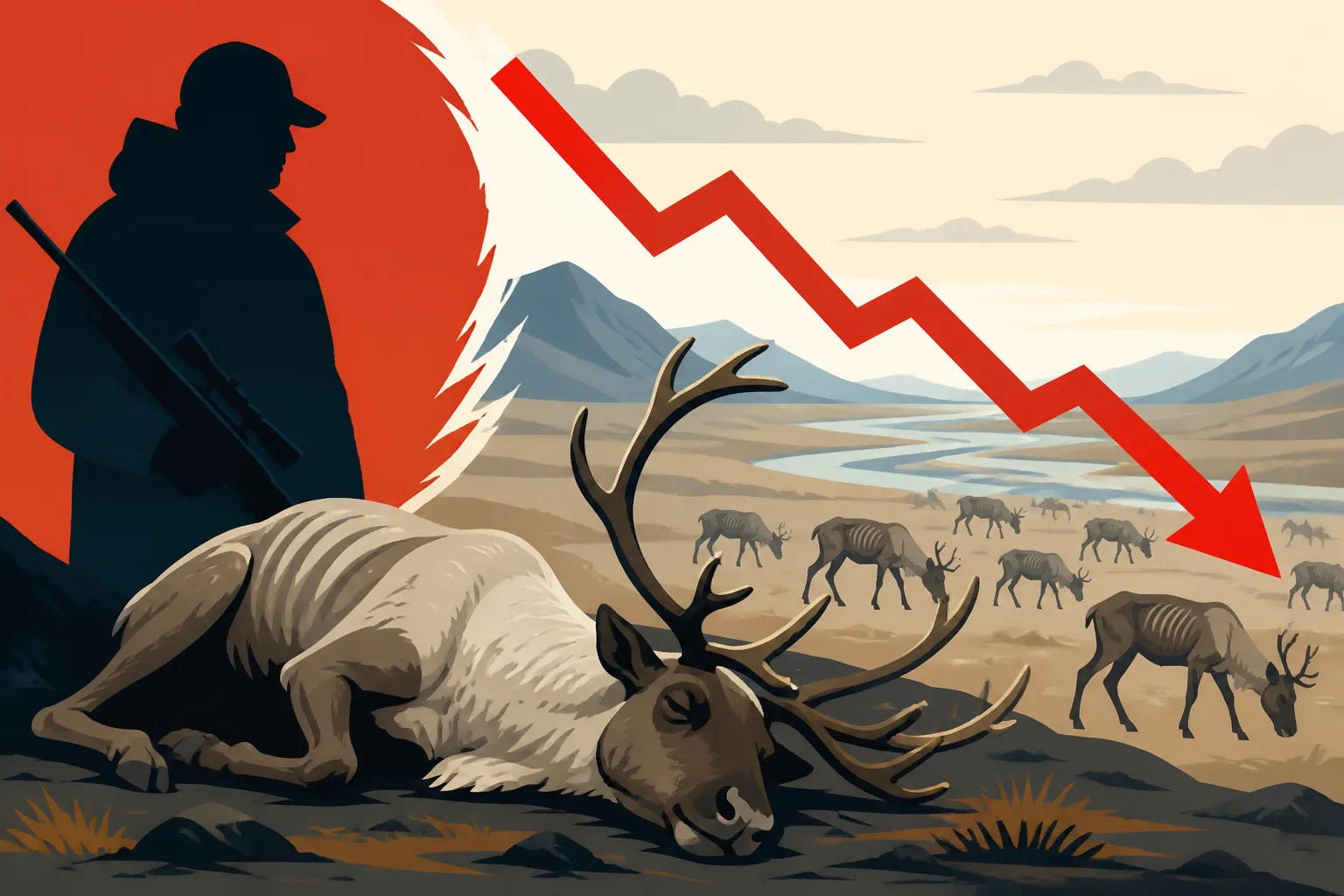
Caribou populations are inherently cyclical, experiencing natural ebbs and flows driven by a myriad of environmental factors. We see this in other herds across the state; some years are good, some are lean. However, the Mulchatna’s most recent downturn was far more severe and persistent than typical fluctuations, setting off alarm bells for biologists and hunters alike. Instead of a gradual dip followed by recovery, the herd entered a precipitous freefall that seemed to defy the usual mechanisms of natural regulation. Previous declines had always seen the herd rebound, often quite dramatically, after a few tough years. This resilience was expected, a hallmark of healthy caribou populations. Yet, the Mulchatna herd failed to show any signs of meaningful recovery, shrinking year after year to a fraction of its former size. This unprecedented collapse pointed to deeper, more systemic issues beyond the usual boom-and-bust cycles that caribou are known for, demanding a closer look at all potential contributing factors.
Unraveling the Causes of the Decline
Understanding why a majestic herd like the Mulchatna caribou could collapse is incredibly complex, akin to piecing together a vast puzzle with many missing parts. It's rarely one single factor, but rather a perfect storm of converging pressures that overwhelm a population's ability to cope and reproduce. Biologists have spent years investigating this particular herd's plight, examining everything from the changing landscape to the dynamics of predator-prey relationships and human influence.
Habitat Changes and Environmental Stressors
One of the primary concerns for the Mulchatna herd, and many other Alaskan wildlife populations, revolves around changes in their habitat. Caribou rely heavily on specific vegetation, particularly lichens, which are slow-growing and vulnerable to disturbance. Large-scale wildfires, which have become more frequent and intense in parts of Alaska, can decimate lichen fields, turning prime foraging areas into barren ground for decades. While fire is a natural part of the boreal forest ecosystem, shifts in fire regimes can have disproportionate impacts on caribou. Beyond fire, the effects of a warming climate are also undeniable. Changing snowpack depths and durations, earlier springs, and later falls can all disrupt caribou migration patterns and access to forage. I've personally seen how a late, heavy snow can drastically impact a herd’s ability to find food, especially when cows are pregnant or calves are newly born. I remember one tough spring when hunters were commenting on the poor body condition of animals from other herds, clearly stressed by the environmental conditions. These stressors compound, making caribou more vulnerable to other threats and reducing their overall reproductive success and calf survival rates. For hunters using resources like GoHunt, understanding historical migration routes in relation to burn scars and snow lines can sometimes offer clues, but the large-scale changes are harder to track.
Predation Pressure and Its Amplified Impact
Predation is a natural and necessary part of any ecosystem, but when a prey population is already under stress, normal predation rates can become an overwhelming burden. For the Mulchatna caribou, bears (both grizzly and black bears) and wolves are the primary predators. As the caribou herd began to decline for other reasons, the relative impact of predation would have naturally increased. Fewer caribou calves meant that each loss to a predator represented a larger percentage of the remaining recruitment into the herd. Essentially, as the herd shrank, the predators didn't necessarily disappear or reduce their numbers at the same rate. This created a situation where the predator-to-prey ratio became skewed, making it exceedingly difficult for the caribou to produce enough surviving calves to outpace the losses. Biologists refer to this as a "predator pit" – a state where predation prevents a declining prey population from recovering, even if the initial causes of the decline have eased. Efforts to manage predator populations in parts of the Mulchatna range have been a contentious topic, often sparking debate between different stakeholder groups. The goal is always to find a balance that allows for ecological health while also providing for human uses of wildlife.
Hunting Pressure and Management Adjustments
When caribou populations are booming, hunting can be a sustainable activity, providing food and recreation without significantly impacting herd health. However, as the Mulchatna herd began its severe decline, hunting pressure became another critical factor that needed immediate adjustment. It's tough for hunters to hear that their passion might be contributing to a problem, but wildlife managers have a responsibility to prioritize herd health above all else. In the face of rapidly dwindling numbers, the Alaska Department of Fish and Game (ADF&G) had to make increasingly stringent cuts to hunting quotas and seasons. Initially, these adjustments involved reducing bag limits, shortening seasons, and eventually, closing entire portions of the hunt. This wasn't an easy decision for anyone involved, as subsistence harvests are crucial for many rural Alaskan communities, and sport hunting brings significant economic benefit to the state. The decisions were made based on rigorous scientific data and population modeling, aiming to give the herd every possible chance to recover. The swiftness and severity of the closures reflected the dire state of the herd, underscoring the urgency of the situation to prevent further collapse. These difficult choices are a stark illustration of the complex give-and-take inherent in Alaska Hunting Seasons and Tag Rules Explained.
The Steep Slide: Key Years and Critical Closures
The Mulchatna caribou herd's decline wasn't an overnight event; it was a heartbreaking, multi-year process that saw numbers plummet from robust to critical. For anyone who loved hunting this herd, each new population estimate felt like a punch to the gut. The management decisions that followed, while necessary, were met with profound disappointment but also a shared understanding of the gravity of the situation.
The Official Closure of the Mulchatna Hunt
The turning point for the Mulchatna herd's hunting opportunities came in the early 2020s. After years of declining numbers and increasingly restrictive hunting regulations, the Alaska Department of Fish and Game (ADF&G) made the difficult but unavoidable decision to officially close the Mulchatna caribou hunt in 2021. This wasn't a partial closure or a reduced bag limit; it was a complete shutdown of all state hunting, followed by federal subsistence closures shortly thereafter, including for those holding Alaska Harvest Tickets, Registration Permits and Draw Permits. At its peak, the herd was estimated at over 200,000 animals in the late 1990s. By the time of the closure, estimates had fallen drastically, with some surveys indicating numbers potentially below 15,000 animals, and continuing to trend downwards. This dramatic drop triggered mandatory management actions designed to protect the remaining breeding stock and give the herd a chance to stabilize. The decision deeply impacted rural communities that had relied on the herd for generations for food security, forcing them to seek alternatives. It also meant a complete cessation of sport hunting, a beloved tradition for many, and a significant blow to the local economy.
Ongoing Monitoring and Management Efforts
Despite the closure, the work of wildlife management doesn't stop. ADF&G biologists continue to intensively monitor the Mulchatna herd, employing aerial surveys, radio-collaring programs, and other techniques to track population numbers, calf survival, and migratory patterns. The goal is to gather crucial data that can inform future management decisions, looking for any glimmer of hope that the herd is beginning to rebound. This constant vigilance is vital, as understanding The Mulchatna Herd Population Objective is key to setting future management goals. Concurrent with monitoring, predator control efforts have been implemented in some areas within the Mulchatna range, specifically targeting wolves and bears, in an attempt to reduce the predation pressure on the remaining caribou. These programs are often controversial but are sometimes deemed necessary when a prey population faces such a severe crisis. Additionally, ongoing research into habitat conditions, disease prevalence, and the specific factors affecting calf recruitment continues. The hope is that with reduced pressure from hunting and a decrease in predation, combined with favorable environmental conditions, the herd will eventually find its footing and begin a slow, but steady, recovery. For hunters eager to see the herd return, keeping up-to-date with ADF&G announcements is paramount, and sites like GoHunt can be great for consolidating this information.
Here’s a snapshot of the Mulchatna herd's population trend and management milestones:
| Year | Estimated Population | Key Management Action | Notes |
|---|---|---|---|
| Late 1990s | 200,000+ | General seasons, high quotas | Herd at peak, robust hunting opportunities. |
| Early 2000s | 100,000-150,000 | Reduced quotas, shortened seasons | First signs of decline, management adjustments begin. |
| Mid-2010s | 50,000-70,000 | Further reductions, area-specific closures | Decline accelerating, increased concern. |
| 2020 | <25,000 | Highly restricted hunts, emergency closures | Critical threshold reached, widespread awareness of severe decline. |
| 2021 | ~14,000 | Statewide Closure of Mulchatna Caribou Hunting (State & Federal) | All hunting ceased to protect breeding stock. |
| 2022-Present | <10,000 | Continued Closure, intensive monitoring, predator control efforts | Focus on recovery; population still critically low. |
Lessons Learned and the Future of Caribou Management
The collapse of the Mulchatna caribou herd serves as a sobering, yet invaluable, case study for wildlife managers, policymakers, and hunters across Alaska and beyond. It highlights the dynamic and often unpredictable nature of large ungulate populations in a changing environment, forcing a re-evaluation of how we approach conservation and sustainable use. While the current situation is grim, the experience has spurred important discussions and adaptations in wildlife management strategies.
Adaptive Management Strategies
One of the biggest takeaways from the Mulchatna experience is the reinforced importance of adaptive management. This isn't just a fancy term; it's a critical approach that involves continuously monitoring wildlife populations, assessing the effectiveness of management actions, and being flexible enough to adjust strategies as new information becomes available or conditions change. For example, if habitat conditions are deteriorating due to climate change, managers might explore habitat restoration or consider translocation options, though these are massive undertakings. When population models suggest a rapid decline, aggressive, sometimes unpopular, measures like complete hunting closures and predator control must be considered, and implemented quickly, rather than waiting until it's too late. The Mulchatna situation demonstrated that a slow, incremental approach might not be enough when a herd is in freefall. Moving forward, the emphasis is on more proactive and responsive strategies, utilizing real-time data to make swift decisions that prioritize the long-term health and resilience of Alaska’s caribou herds. This kind of flexibility is essential for future management of all game species in the state, from Alaska Moose: Where the Biggest Bulls Live to Dall Sheep in Alaska's Brooks and Alaska Ranges.
The Broader Implications for Alaska's Caribou
The Mulchatna's struggle isn't an isolated incident; it has broader implications for how we view and manage all of Alaska's iconic caribou herds. It acts as a powerful warning, urging vigilance for other herds that might be showing early signs of stress. Biologists are now more keenly focused on understanding the specific thresholds at which a herd becomes vulnerable to a "predator pit" or when habitat changes become truly detrimental. This means more intense scrutiny of population dynamics, calf recruitment rates, and environmental conditions across the state. The lessons from Mulchatna are directly influencing how other herds, such as the Western Arctic Herd or the Nelchina Herd, are monitored and managed, with an increased emphasis on early intervention and more conservative harvest strategies during periods of decline. The goal is to prevent another large-scale collapse by applying the hard-won knowledge from the Mulchatna experience to other vulnerable populations. This proactive approach ensures that the state can sustain its caribou populations, which are vital for both ecological balance and the cultural heritage of Alaska. It also impacts how hunters might approach Scouting a Unit From Satellite Imagery Before You Fly or assess the health of caribou herds in new areas.
How Hunters Can Help and Stay Informed
For hunters who care deeply about Alaska's wildlife, the Mulchatna story can feel disheartening, but it also presents an opportunity to be part of the solution. First and foremost, respecting closures and regulations is absolutely vital. These measures are put in place to give the herd the best possible chance at recovery, even if it means sacrificing a hunting season. Additionally, hunters can contribute valuable field observations. Reporting unusual sightings, animal conditions, or changes in behavior to ADF&G can provide crucial data points that supplement official surveys. Engaging in public processes, such as Board of Game meetings, allows hunters to voice their opinions and stay informed about management proposals. Supporting conservation organizations that fund caribou research and habitat projects is another tangible way to make a difference. Many hunters, myself included, frequently consult resources like GoHunt or the ADF&G website, for example, for information on Mulchatna Caribou Closure Since 2021 or to stay current on the latest season openings and closures in other areas. Being an informed and responsible hunter means staying educated about the health of the herds you pursue and understanding the complex factors influencing their survival, even when What Happens if Weather Traps You in Camp becomes a more immediate concern than herd numbers.
Disclaimer
The information provided in this guide is for general informational purposes only and is not intended as professional advice. Hunting regulations and wildlife management policies in Alaska can change frequently. Always consult the latest Alaska Department of Fish and Game regulations and federal subsistence regulations before planning any hunt.