Unit 23 Federal Closure to Nonlocal Hunters
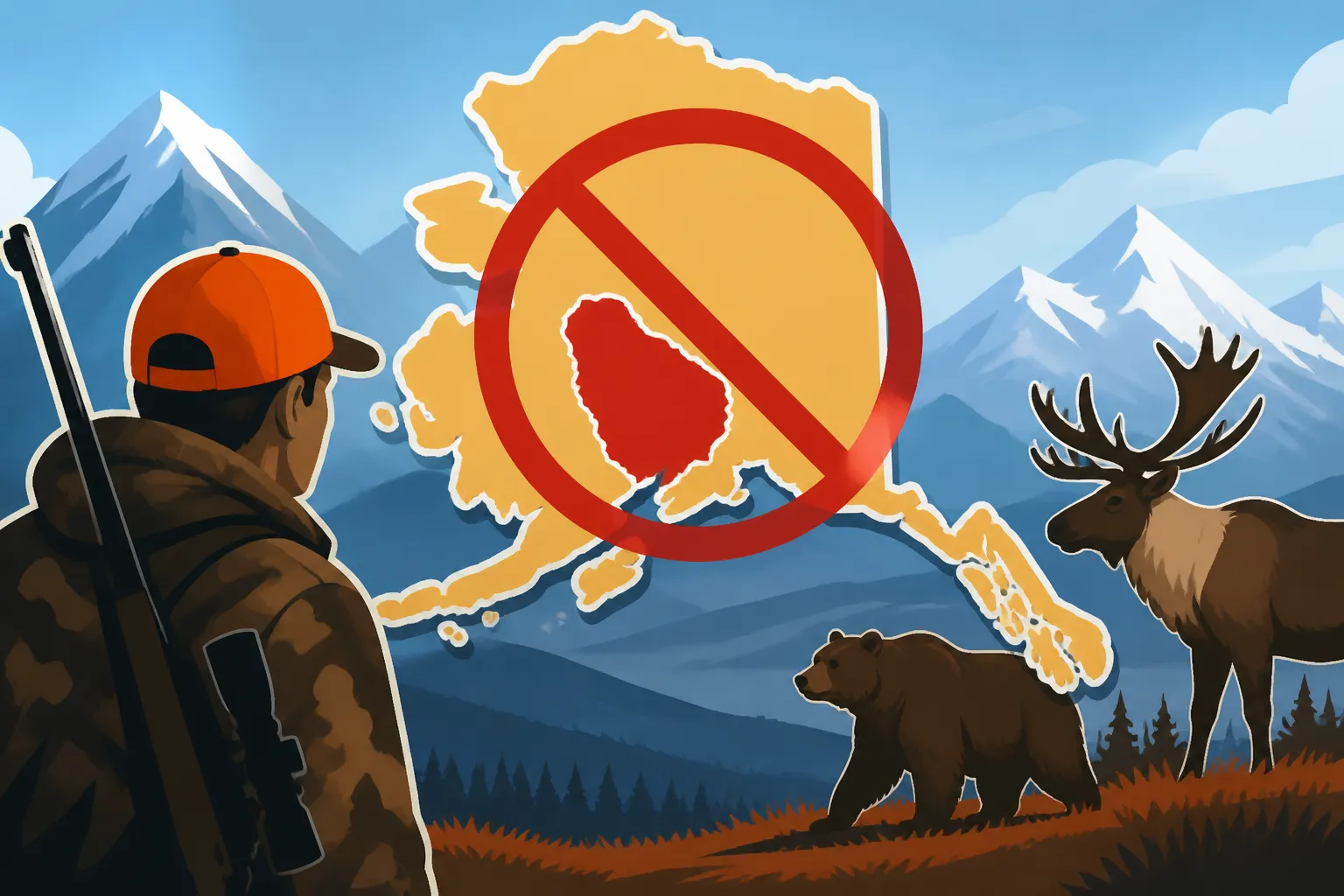
If you've ever dreamt of hunting Alaska's vast and wild Unit 23, only to stumble upon whispers of a "federal closure" for nonlocal hunters, you know the particular sting of bureaucratic confusion. It’s disheartening to plan a remote adventure, sometimes years in advance, only to discover that where you live dictates whether you can even participate. This guide is here to untangle the complexities of Unit 23's federal restrictions, explaining who is affected, why these rules exist, and how a monumental caribou herd dictates the fate of a hunting season.
Understanding Unit 23 and Its Unique Status
Unit 23, located in Northwest Alaska, is a massive expanse of land encompassing roughly 39 million acres, stretching from the Bering Sea coast deep into the Brooks Range. It’s a place of incredible wild beauty, home to vast caribou herds, grizzly bears, moose, and a network of traditional subsistence communities. The unique status of Unit 23, and indeed much of rural Alaska, stems from a long-standing federal mandate to prioritize subsistence hunting for qualifying rural residents.
This isn't just about land size; it's about a way of life. The communities within Unit 23 have historically relied on hunting, fishing, and gathering for their survival and cultural identity. When Congress passed the Alaska National Interest Lands Conservation Act (ANILCA) in 1980, it recognized this critical dependence, establishing a framework that gives priority to rural Alaskan residents for subsistence uses on federal public lands. This federal overlay creates a dual management system, where state regulations might apply differently or be superseded by federal rules depending on land ownership and the specific hunt. The "federal closure" you hear about isn't a blanket ban on all hunting, but rather a restriction on nonlocal or non-federally qualified hunters when certain conditions are met, particularly concerning iconic species like caribou.
The Western Arctic Caribou Herd and Population Thresholds
At the heart of Unit 23’s hunting regulations, especially for caribou, lies the health and population dynamics of the majestic Western Arctic Caribou Herd (WACH). This herd is one of the largest in North America, with its traditional range sprawling across much of Northwest Alaska, including all of Unit 23. The WACH is a vital resource for both subsistence users and those seeking to hunt caribou, but its numbers fluctuate dramatically over time, influenced by everything from predator-prey cycles to winter severity and habitat changes.
The federal subsistence program, which manages hunting on federal lands in Unit 23, uses population thresholds for the WACH as a key determinant for opening or closing seasons to different user groups. Essentially, when the herd's population dips below a certain management objective or threshold, federal managers implement increasingly restrictive measures to conserve the herd. This often means limiting harvest to only federally qualified rural residents first, and then, if the population continues to decline, even those harvests might be scaled back or closed entirely. You can learn more about how these numbers influence hunter access in our detailed post on the Western Arctic Herd Threshold for Unit 23 Access.
For nonlocal hunters, these thresholds are critical. A healthy, robust caribou population might allow for some limited nonresident or non-federally qualified harvests, but a significant decline almost guarantees a closure to those groups. The goal is to ensure that the primary subsistence needs of local communities are met, and the long-term health of the herd is secured. Understanding these dynamics is crucial for anyone hoping to hunt caribou in this region, as the rules can literally change from one season to the next based on survey results. The story of other herds, like the Mulchatna Herd Numbers and the Closure, serves as a stark reminder of how quickly these situations can evolve and impact hunting opportunities.
Who is a "Nonlocal Hunter" in the Eyes of the Law?
This is where many hunters, especially those new to Alaska's complex regulatory environment, can get tripped up. When we talk about "nonlocal hunters" in the context of Unit 23's federal closure, we're primarily referring to individuals who do not qualify as "rural residents" under federal subsistence guidelines. It's a critical distinction that goes beyond simply being an Alaska resident versus a nonresident from another state.
Defining Rural Residency for Federal Subsistence
Under ANILCA, "rural residents" are those who live in a community or area that has been designated as rural by the Federal Subsistence Board. This designation is based on population size, density, and traditional patterns of subsistence use. Essentially, if you live in a larger urban center like Anchorage, Fairbanks, Juneau, or even many of the smaller but developed road-system towns, you are generally considered an "urban resident" by federal standards, even if you are an Alaska state resident. This distinction directly impacts your ability to participate in federal subsistence hunts, including those in Unit 23 when special action is taken. Our article on Rural Residency and Federal Subsistence Eligibility in Alaska dives much deeper into these specific requirements.
The Difference Between State and Federal Regulations in Unit 23
It's vital to grasp that Unit 23 isn't a monolith of federal land. There are state lands, private lands (including Alaska Native Corporation lands), and federal lands all intertwined. The federal closure specifically applies to hunting on federal public lands within Unit 23, and usually targets caribou, which is often the species triggering these special actions. State regulations might allow for broader access on state lands, but the most productive hunting areas for species like caribou often fall within federal jurisdiction. This creates a confusing patchwork of rules that can make planning a hunt incredibly challenging without meticulous research. The overall framework for Alaska Hunting Seasons and Tag Rules Explained is always a good starting point, but always double-check the federal specific regulations for Unit 23.
Practical Challenges of Proving Residency
For those who believe they might qualify as a rural resident but reside outside a well-known rural community, proving federal rural residency can be a bureaucratic hurdle. It often involves providing documentation of your primary domicile, utility bills, voter registration, and other evidence to demonstrate a sustained physical presence in a federally recognized rural area. This isn't a simple box to check; it requires a genuine and established connection to a designated rural community. The system is designed to protect the very real and immediate needs of those who truly depend on these resources, and proving that dependence can be rigorous.
Navigating the Complexities: Strategies for Hunters
Facing the potential for a federal closure in Unit 23 can be daunting, but it doesn't mean you should give up on your Alaska hunting dreams. It simply means you need to be exceptionally well-informed, adaptable, and willing to consider alternatives. The state of Alaska, with its vast wilderness and diverse game populations, offers countless other opportunities.
Monitoring Herd Data and Regulatory Changes
The most crucial step for any hunter considering Unit 23, or any caribou hunt in Alaska, is to become a vigilant consumer of information. The Alaska Department of Fish and Game (ADF&G) and the Federal Subsistence Board regularly conduct aerial surveys of the Western Arctic Caribou Herd, publishing population estimates and trend data. These numbers directly influence season regulations. Emergency orders can close a season with little notice if herd numbers drop or if harvest quotas are met rapidly. This is where modern tools become invaluable. Websites and apps dedicated to hunting intelligence, like GoHunt, often compile and interpret these data streams, providing updated regulatory information, season forecasts, and even draw odds for various hunts. Services like GoHunt can help you track critical changes and announcements from both state and federal agencies, saving you countless hours of digging through dense regulations.
Considering Other Hunting Opportunities Outside Unit 23
While the allure of the WACH in Unit 23 is undeniable, Alaska is home to many other incredible caribou herds and diverse hunting opportunities. If Unit 23 is closed to nonlocal hunters, look to other Game Management Units (GMUs) that might have open seasons for nonresident or urban Alaska resident hunters. The Fortymile Caribou Herd Range and Migration, for example, offers another significant caribou hunting experience in the Interior, though it too has its own set of unique regulations and quotas that can change.
Beyond caribou, Alaska offers a wealth of big game. Consider a moose hunt in a road-accessible unit, a black bear hunt in Southeast Alaska, or even pursuing Sitka blacktail deer on Kodiak or Prince of Wales Island. These hunts often have more stable regulations for non-federally qualified hunters and can still provide an incredible Alaskan adventure. Tools from GoHunt can also help you explore and compare opportunities across different species and units, providing insights into success rates, access points, and regulatory nuances for each.
Importance of Thoroughly Checking Current Regulations
This cannot be stressed enough: always, always consult the most current official hunting regulations from both the Alaska Department of Fish and Game and the Federal Subsistence Board before planning or undertaking any hunt in Alaska. Regulations change annually, and sometimes even within a season via emergency order. What was open last year might be closed this year, and vice versa. Websites like GoHunt are fantastic resources for a consolidated view, but the official ADF&G and Federal Subsistence Management websites are the ultimate authority. Pay close attention to definitions of residency, specific unit boundaries (as detailed in our guide on Alaska Game Management Units and How They Are Numbered), species-specific regulations, and any emergency closures. Misinterpreting a rule can lead to severe penalties, including fines, confiscation of game, and loss of hunting privileges.
Hunting Access in Unit 23: A Quick Look
Understanding the shifting landscape of hunting access in Unit 23 is crucial for managing expectations and planning effectively. The table below provides a simplified overview, but remember, the actual regulations can be far more nuanced and are subject to immediate change based on herd conditions.
| Hunter Category | Western Arctic Caribou Herd (WACH) Population | Access Status in Unit 23 (Federal Lands) | Key Considerations |
|---|---|---|---|
| Federally Qualified Rural Resident | Above Threshold | Generally Open | Priority access for subsistence. Still subject to bag limits and reporting requirements. |
| Federally Qualified Rural Resident | Below Threshold | Generally Open, but with potential restrictions (e.g., cow caribou closure) | Continued priority, but conservation measures may still impact harvest. |
| Alaska Urban Resident | Above Threshold | Potentially Open via state regulations on state lands or specific federal permits | Access is secondary to federal subsistence. Often closed or highly restricted on federal lands, may have limited openings on state lands. Check specifics carefully. |
| Alaska Urban Resident | Below Threshold | Generally Closed | Access highly unlikely or impossible when the herd is in decline. |
| Nonresident (Other States/Countries) | Above Threshold | Potentially Open, but extremely restricted on federal lands | Often closed outright on federal lands; very limited or no access in times of concern. May be allowed for other species on state lands. |
| Nonresident (Other States/Countries) | Below Threshold | Generally Closed | Near-certain closure for caribou hunting on federal lands in Unit 23. |
It’s important to remember that this table is a generalization for caribou, which is often the species that triggers these closures. Other species in Unit 23, such as moose or bear, might have different regulatory frameworks. However, the federal priority for subsistence users remains a foundational principle for federal public lands across Alaska. For more comprehensive information on how different species are managed across the state, you can refer to our guide on Caribou Herds of Alaska and How They Move.
Disclaimer
Always consult the current year's Alaska Department of Fish and Game hunting regulations and Federal Subsistence Board regulations. Hunting rules and seasons can change rapidly, and it is the hunter's responsibility to know and follow all applicable laws. This guide is for informational purposes only and does not constitute legal advice.