Alaska Deer Season Opening Date on Kodiak
Planning a hunting trip to Alaska can feel like navigating a maze, especially when you're trying to pin down exact season dates for a specific species and location. If you've got your heart set on chasing Sitka blacktail deer on Kodiak Island, you're probably wondering when that first prime opportunity of the season rolls around. It's a valid concern, because missing the opener by a day or two can feel like you've lost precious hunting time in a short season. This guide is here to untangle the typical opening dates for Kodiak deer season and explain all the critical nuances you need to know to make your hunt successful.
The Traditional Opening Day for Kodiak Deer Season
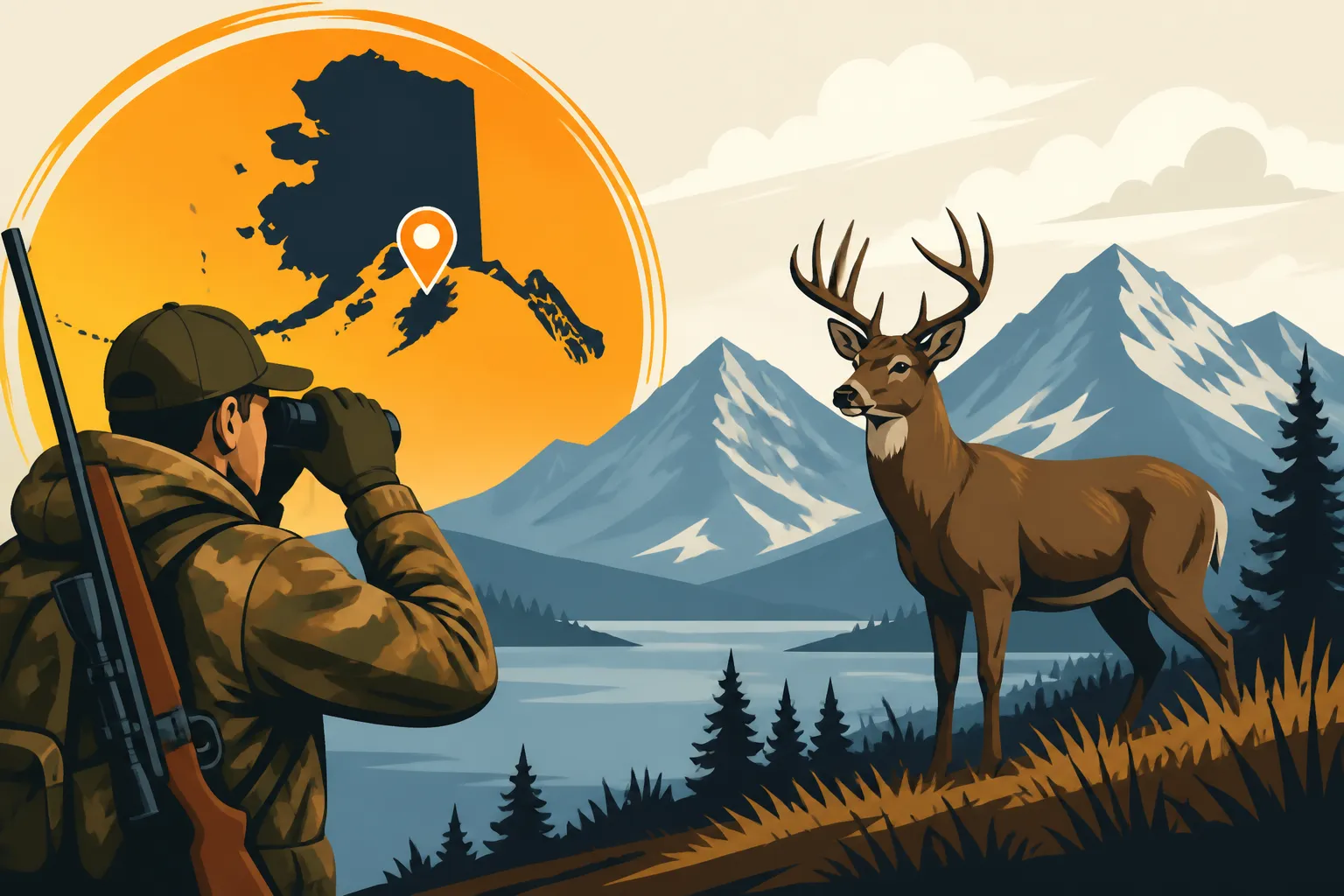
For many hunters eyeing the lush, deer-rich landscape of Kodiak Island, the calendar flips to one very important date: August 1st. This marks the general season opener for Sitka blacktail deer across most of the Kodiak Archipelago, which falls under Game Management Unit (GMU) 8. It's a day often anticipated with great excitement, signaling the start of opportunities to pursue these resilient deer in their stunning island habitat.
However, labeling just August 1st as "the" opening date can be a bit oversimplified, because the details matter immensely in Alaska. While the general season typically kicks off on this date, the specific regulations regarding bag limits, antler restrictions, and even which type of deer you can harvest (antlered vs. any deer) often evolve as the season progresses. It’s not just a single, static opening day that defines the entire hunt; rather, it’s the initial gateway into a season that unfolds with various stages and opportunities. Understanding these stages is paramount for any hunter planning to venture out.
Thinking about the early August opener means preparing for very different conditions than a hunt later in the fall. The weather is generally milder, the alders and brush are thick with green leaves, and the deer are often still high in the alpine feeding on lush vegetation. This initial window offers a unique challenge and reward, often involving extensive glassing and hiking in search of early-season bucks still in velvet.
Decoding Kodiak's Deer Season Structure and Bag Limits
Kodiak Island's deer hunting isn't a "one size fits all" scenario. While the August 1st opener is pretty standard, the specifics of what you can harvest and when are governed by the Alaska Department of Fish and Game (ADF&G) regulations, which are meticulously detailed and updated annually. It’s crucial not just to know when the season opens, but what kind of deer is legal at different times.
General Season Dates and Progressive Bag Limits
The general season for Sitka blacktail deer in GMU 8 typically runs from August 1st through December 31st. This provides a long window, but the bag limits change within that period. For instance, often during the very first part of the season, usually from August 1st to late August (e.g., August 24th), the bag limit might be restricted to one antlered deer. This early period focuses on ethical harvesting and allows hunters to scout and find mature bucks as they emerge from their summer ranges. It's a time for careful selection, as the deer are often less pressured and still operating on their summer patterns.
As the season progresses into late August and September, the bag limit for antlered deer typically increases, often to two antlered deer. This adjustment recognizes the increasing hunting pressure and provides more opportunity as deer begin to shift their behaviors. Then, in early October, the regulations often open up to allow for the harvest of "any deer" – meaning antlered or antlerless – with an additional deer added to the bag limit. This late-season flexibility is a significant draw for many hunters, especially those looking to fill their freezers. You can learn more about When Any Deer Becomes Legal on Kodiak and how this rule changes your hunting strategy.
| Season Period (Typical) | Antler Restriction | Bag Limit (Per Hunter) | Common Strategy/Conditions |
|---|---|---|---|
| August 1 – Late August | Antlered Deer Only | 1 Antlered Deer | High alpine, velvet bucks, milder weather, dense foliage |
| Late August – September 30 | Antlered Deer Only | 2 Antlered Deer | Bucks hardening antlers, moving lower, pre-rut scouting |
| October 1 – December 31 | Any Deer | 3 Antlered or Any Deer | Rut approaches, snow possible, deer moving to winter range |
Note: These dates and bag limits are typical and subject to annual changes by ADF&G. Always consult the current year's regulations.
Always Check the Current Year's Regulations
While the pattern described above is generally consistent, Alaska's hunting regulations are set by the Alaska Board of Game and are subject to annual adjustments and emergency orders. Relying on last year's regulations or outdated information can lead to severe consequences, including fines, license revocation, and game confiscation. Before you even buy your plane ticket, your first step should always be to visit the official ADF&G website or pick up the latest hunting regulations booklet.
The ADF&G publishes regulations well in advance of the season, usually by late spring or early summer. These booklets are goldmines of information, detailing specific hunt numbers, dates, bag limits, and any special conditions for all game management units. Furthermore, always be aware that emergency orders can be issued even during the season, closing areas or altering bag limits due to unforeseen circumstances like severe weather or unexpected population declines. Staying informed through the ADF&G website or signing up for email alerts is paramount. Tools like GoHunt can also be invaluable for keeping up with these changes and analyzing hunt statistics, offering a streamlined way to access critical information.
Kodiak's Unique Environment and Its Impact on Deer Season
Kodiak Island is an iconic hunting destination for good reason. Its rugged, rain-swept mountains, dense coastal forests, and abundant Sitka blacktail deer create a challenging but incredibly rewarding experience. However, the island's unique geography and climate heavily influence how and when you might choose to hunt during its long deer season.
The Terrain and Its Influence on Hunting Strategy
From the moment the season opens on August 1st, hunters are faced with Kodiak's formidable terrain. Much of the island is covered in thick Sitka spruce forests and alder thickets that can be almost impenetrable. Above the timberline, vast expanses of alpine tundra, often cloaked in fog or rain, offer opportunities for glassing. Access typically involves boats, bush planes, or navigating the limited Kodiak Island Road System Deer Hunting. The choice of access method will profoundly shape your hunting strategy, especially during the early season when deer are often higher up.
Hunters often find that as the season progresses, particularly once the first snows hit the high country, deer begin to move down to lower elevations and into the timber. This shift changes hunting tactics dramatically. What started as an alpine glassing endeavor in August might become a dense timber still-hunt or a beach-based excursion later in the fall. Understanding these environmental shifts is key to consistent success throughout the season.
Weather, Snow, and the Deer Cycle
Kodiak's weather is famously unpredictable and often wet, even in August. While early season hunts might be milder, you should always be prepared for cold rain, high winds, and rapidly changing conditions. These factors not only impact hunter comfort but also influence deer behavior and their accessibility. A prolonged period of heavy rain or an early, significant snowfall can push deer to different areas, concentrate them, or make travel difficult.
Later in the season, particularly from October through December, snow can become a major factor. While Deep Snow Winters and Alaska Deer Die-Offs can be a concern for deer populations, moderate snow can actually aid hunters by concentrating deer and making their tracks easier to follow. It also signals the approach of the rut, typically in November, when bucks become less cautious. Knowing the general Blacktail Rut Timing in Southeast Alaska can give you an edge, as Kodiak deer follow a similar breeding cycle. This late-season period, especially once "any deer" is legal, can be incredibly productive, but requires robust gear and a high tolerance for cold, wet conditions.
Preparing for Your Kodiak Deer Hunt: Beyond the Dates
Knowing the opening date is just the first step in a successful Kodiak deer hunt. A truly prepared hunter considers all the logistical and regulatory requirements well in advance. Alaska doesn't do anything halfway, and neither should you.
Essential Licenses and Tags
Before you even step foot on Kodiak, you'll need the proper documentation. Nonresidents must purchase an Alaska hunting license, which is your basic entry ticket. On top of that, you'll need to acquire a Sitka blacktail deer locking tag. Unlike some other species, Alaska residents typically do not need to purchase locking tags for deer. These tags are physical adhesive tags that must be attached to the animal immediately after harvest. Make sure you understand Deer Tags on Kodiak and What They Cost as a nonresident, as they add to your overall hunt budget.
Furthermore, all deer hunters, resident and nonresident alike, must obtain an Alaska Deer Harvest Ticket Requirement. This is a free permit that tracks harvest numbers and must be possessed while hunting. You can usually get these online or at ADF&G offices. Crucially, these harvest tickets also require you to report your harvest, even if you weren't successful, by a specific deadline. Failing to report can result in penalties and impact your ability to acquire permits in future seasons.
Gear Up for Kodiak's Wild Side
Kodiak Island is not a place for lightweight gear that can't handle the elements. From the August 1st opener straight through December, you need to be prepared for relentless moisture. High-quality waterproof and windproof outerwear is non-negotiable. Think beyond just a rain jacket; you'll want durable rain pants, waterproof boots that can handle boggy tundra and stream crossings, and waterproof gloves. Layering is key, as temperatures can fluctuate dramatically.
Beyond clothing, consider your optics. Kodiak's wide-open alpine areas demand good binoculars and a spotting scope for finding deer. A sturdy backpack capable of carrying extra layers, food, water, and eventually, meat, is essential. Due to the dense brush, a reliable headlamp is a must, especially if you anticipate being out after dark or tracking an animal in low light. For coastal hunting, especially during low tides, knowing Tide Tables and Beach Deer Hunting and having a sturdy pack can be critical for Packing a Deer Off a Beach at Low Tide.
Planning Your Access and Logistics
Deciding how you'll access your hunting area on Kodiak is a significant part of your planning. While the road system around Kodiak City offers some opportunities, truly remote experiences usually involve air taxis or charter boats. Booking these services well in advance is critical, especially for the popular early season. Researching different air taxi operators and their services, as well as understanding their pricing structures and weight limits, will prevent last-minute headaches.
Consider your camp setup as well. Are you planning a spike camp in the alpine, a base camp by a lake, or a boat-based hunt along the coast? Each option comes with its own set of gear requirements and logistical challenges. Think about food, water purification, communication devices (satellite messengers are highly recommended given Kodiak's remote nature), and bear safety. Kodiak is famous for its large brown bears, and every hunter needs to be acutely aware of bear country protocols.
Making the Most of Your Kodiak Deer Hunting Adventure
With the opening date of August 1st in mind and a solid understanding of the season's progression, you can start to strategize your Kodiak deer hunt for maximum success and enjoyment.
Early Season Strategy: Alpine Pursuits (August-September)
Hunting in August and early September on Kodiak generally means heading for higher elevations. At the season opener, bucks are often still in velvet, focused on feeding in the lush alpine basins and subalpine meadows. This is a prime time for glassing. Find a good vantage point, settle in, and meticulously scan the hillsides and avalanche chutes. Look for isolated bucks or small bachelor groups feeding in the open, especially at dawn and dusk.
Expect dense vegetation, including tall grass and alders, which can make stalking challenging. The weather can be milder, but constant rain and fog are always a possibility. Focus on areas with good feed and proximity to cover. Early season bucks can be less wary than those encountered later in the fall, but their advantage lies in the thick foliage and the vastness of the terrain. For more on this tactic, consider reading about Hunting Sitka Blacktail Deer in the Alpine Before Snow.
Late Season Strategy: Coastal and Rut-Driven Hunts (October-December)
As October rolls around and especially into November, the hunting dynamic on Kodiak shifts significantly. The cooler temperatures and the possibility of snow push deer from the high alpine down to lower elevations, often into the spruce forests or along the coastlines. This is also when the rut begins, usually peaking in mid-November. Bucks become more active, less cautious, and more focused on breeding, making them more vulnerable to calling and still-hunting tactics.
Hunting the coastal fringes, particularly during low tides, can be highly effective. Deer will often come out to feed on beach grasses and seaweed. This also presents unique challenges for game recovery, as you might be Packing a Deer Off a Beach at Low Tide before the tide comes back in. In the timber, still-hunting slowly and quietly, looking for fresh sign like rubs and scrapes, becomes the primary method. Calling, especially grunts and bleats, can be effective during the rut.
Leveraging Modern Resources for Your Hunt
In addition to the official ADF&G regulations, a wealth of resources can help you plan and execute your Kodiak deer hunt. Online forums, hunting blogs, and social media groups dedicated to Alaska hunting can provide valuable insights from experienced hunters. However, always take online advice with a grain of salt and cross-reference it with official sources.
Modern mapping applications and hunting apps, such as those offered by GoHunt, provide detailed topographic maps, land ownership overlays, and weather forecasts that are indispensable for navigating Kodiak's complex landscape. These tools can help you mark potential hunting spots, track your movements, and ensure you're always aware of your location relative to legal hunting areas. Using these resources can save you countless hours in the field and dramatically increase your chances of success.
Final Thoughts on the Kodiak Deer Opener
The August 1st opening date for Kodiak deer season isn't just a day on the calendar; it's the beginning of a truly remarkable hunting journey in one of Alaska's most iconic landscapes. From the high alpine pursuits of early August to the rut-fueled coastal hunts of late fall, Kodiak offers diverse and challenging opportunities for the Sitka blacktail enthusiast.
By understanding the seasonal nuances, meticulously preparing your gear, securing the necessary licenses and tags, and staying informed about the latest regulations, you'll be well-equipped to experience the magic of hunting Kodiak. Embrace the challenge, respect the wilderness, and cherish every moment spent pursuing these incredible deer on an island that truly embodies the spirit of Alaska hunting.
Disclaimer
The information provided in this guide is for general informational purposes only and is not a substitute for official regulations. Hunters are responsible for consulting the current year's Alaska Department of Fish and Game (ADF&G) hunting regulations for Game Management Unit (GMU) 8 and any emergency orders before hunting. Regulations can change annually.