Which Alaska Species Need a Locking Tag
Navigating Alaska's intricate hunting regulations can feel like trying to decipher a secret code, especially when you're dreaming of pursuing some of the world's most impressive big game animals. It's easy to feel overwhelmed, particularly for those new to the Last Frontier or accustomed to simpler tag systems elsewhere. This comprehensive guide aims to demystify one crucial aspect of Alaska hunting: understanding which iconic species require a special "locking tag" and what that means for your next adventure.
Alaska's Unique Approach to Big Game Tags
Before we dive into the specifics of locking tags, it's really helpful to grasp that Alaska's system isn't like many other states. We've got a layered approach designed to manage diverse populations across a massive and varied landscape. This isn't just about collecting a fee; it's about robust conservation efforts, ensuring sustainable harvests, and acknowledging the significant value these animals represent, both ecologically and economically. For many hunters, especially those traveling from outside, the sheer scale of the state and the complexity of its regulations can be daunting. It often feels like you need a legal degree just to understand what you can hunt, where, and with what.
Distinguishing Harvest Tickets, Registration Permits, and Draw Permits
It's common for hunters to lump all hunting paperwork under the umbrella of "tags," but in Alaska, there are actually distinct categories. You've got your general hunting license, of course, which is your basic entry ticket. Then come the permits and tags that allow you to actually hunt specific animals.
A harvest ticket is typically free and applies to more common species like caribou or black bear in many areas. You fill it out, carry it with you, and report your harvest online afterward. It’s primarily a data collection tool. Registration permits (RM hunts) are also generally free or low-cost, but they require you to "register" for a specific hunt in a specific area and sometimes report before you hunt. These hunts often have quotas and can close by emergency order once the quota is met, making timely reporting crucial. You can learn more about Alaska Harvest Tickets, Registration Permits and Draw Permits by checking out our detailed post. Finally, draw permits (DM hunts) are for species or areas where demand significantly outstrips supply, like certain moose or sheep hunts. These are competitive, and you apply months in advance, hoping to be drawn. Many platforms like GoHunt offer excellent resources for analyzing draw odds and application strategies for these highly sought-after permits.
What Exactly is a Locking Tag?
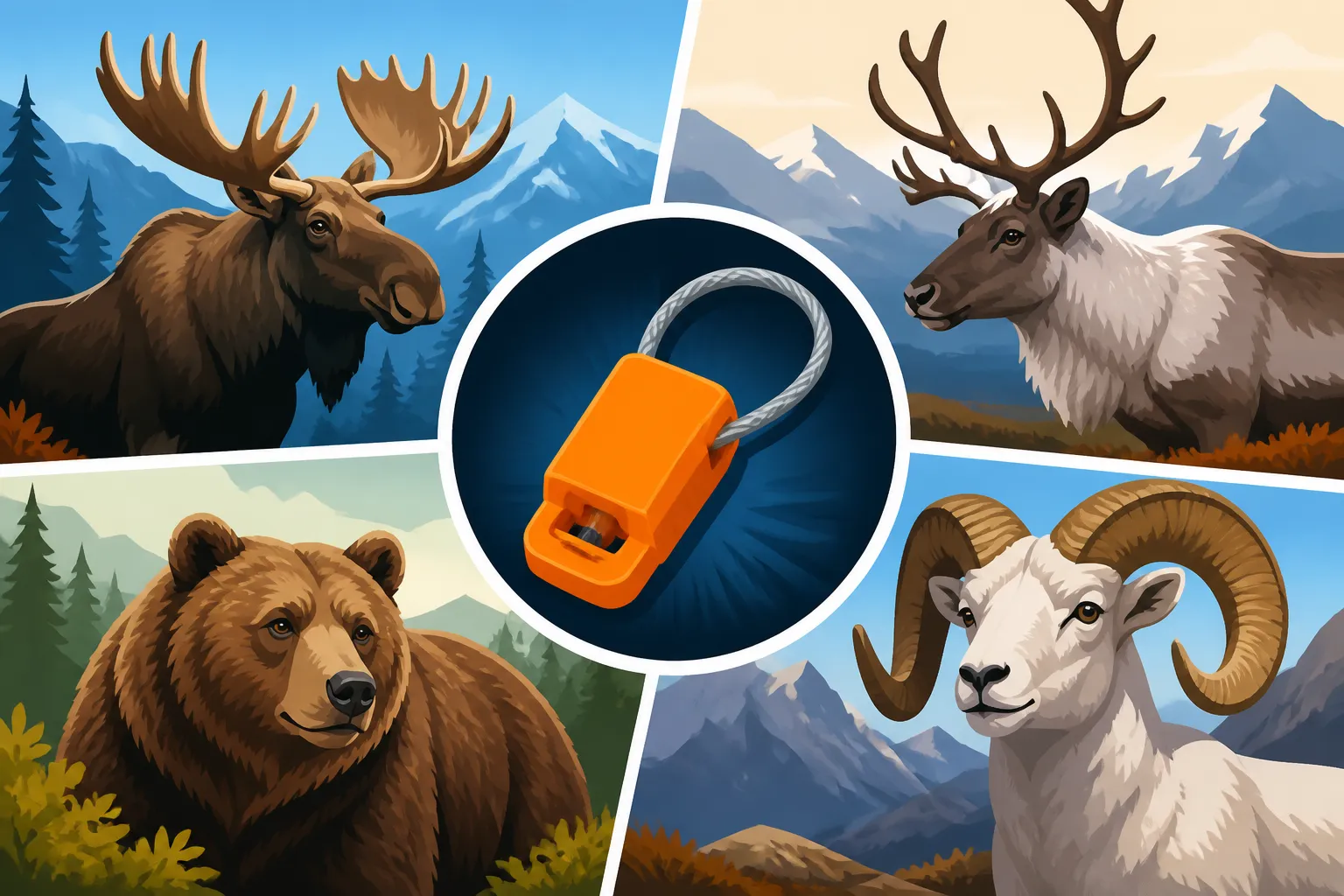
A locking tag is different. It's a physical, numbered metal or plastic tag that you purchase in addition to your hunting license, and in some cases, in addition to a draw or registration permit. The crucial part is right in the name: it "locks" onto the animal's hide or horn immediately after the kill. This isn't just a paper slip; it's a tangible, unique identifier that stays with the animal until it's processed and sealed. This system provides a clear, verifiable record of legal harvest and is a strong deterrent against poaching or improper take. The cost of these locking tags is usually significant, reflecting the high value and management intensity of the species they apply to. It’s part of the financial commitment, and let’s be honest, often a bit of a shock, when you're budgeting Licence, Tags and Fees for an Alaska Hunt.
The Big Game Species Requiring an Alaska Locking Tag
When you're dreaming of an Alaska hunt, odds are you're picturing one of these iconic animals. And if you are, you need to be ready for the locking tag requirement. These aren't just any game animals; they are the titans of the Last Frontier, managed with the utmost care due to their majestic nature, often lower populations, or specific conservation challenges.
Moose: The Lord of the Lowlands
Ah, the Alaska-Yukon moose – an absolute icon. These massive creatures dominate the willow flats and river bottoms of interior and southcentral Alaska. For non-residents, pursuing one of these magnificent animals almost always requires a locking tag. While residents might have access to certain harvest tickets or registration hunts, non-residents typically need to purchase a specific moose locking tag, often in conjunction with a draw permit for particular units. The size of these animals means a huge meat yield and an impressive trophy, making them a premier hunting target. Getting a locking tag for a moose is a serious investment, but the experience of Calling Moose in Alaska With a Scapula and a Cow Call and then bringing down one of these giants is unforgettable.
Moose management in Alaska often focuses on antler restrictions in many units to protect younger bulls and promote a healthy age structure. This means hunters need to be proficient in field judging a legal bull under Alaska antler rules, as a mistake can be costly, both in terms of fines and losing the opportunity to hunt. The locking tag ensures that each legally harvested moose is accounted for, tying directly into population monitoring and management goals.
Dall Sheep: The Alpine Ghost
The pursuit of Dall sheep is, for many, the pinnacle of Alaska hunting. These incredible white sheep live in the most rugged, remote, and breathtaking alpine environments of the Brooks and Alaska Ranges. Their sheer inaccessibility and the physical demands of the hunt elevate them to a special status. Consequently, a Dall sheep locking tag is mandatory for all hunters, resident or non-resident, seeking to harvest a ram. You’ll be in steep, unforgiving country, and the idea of packing a Ram Off a Cliff Face underscores the intense nature of this hunt.
The strict "full-curl" or "eight-year-old" rule for rams also means hunters must be highly skilled at How to Judge a Full-Curl Ram in the Field, often after hours of Glassing the Alaska Range: Finding Game Before You Move. The locking tag is affixed to the horn, and the skull must be sealed by ADF&G (Alaska Department of Fish and Game) within a specific timeframe after harvest. This rigorous system ensures that only mature rams are taken, protecting the breeding population and supporting the long-term health of these fragile high-country herds.
Brown and Grizzly Bear: Apex Predators
Alaska is home to the largest brown bears in the world, particularly along the coastlines where salmon runs fuel their massive growth. Interior grizzlies, though smaller, are no less formidable. Hunting either of these apex predators requires a locking tag for both residents and non-residents, with specific regulations varying by Game Management Unit (GMU) and subspecies (coastal brown bear vs. interior grizzly). This tag is one of the most expensive due to the iconic status and careful management of these powerful animals. Many hunters spend years planning a hunt for Alaska Brown Bears on the Coast Versus Interior Grizzlies.
Given the potential danger and the conservation status of bears, the locking tag system helps manage harvest numbers very precisely. Additionally, there are strict sealing requirements for bear hides and skulls, which include turning in specific teeth for aging purposes. This data is critical for monitoring bear populations and ensuring sustainable hunting opportunities. The cost of a Guided Alaska Brown Bear Hunt is high, reflecting the specialized knowledge and safety protocols required.
Mountain Goat: Coastal Cliff Dwellers
Hunting Alaska mountain goats is another physically demanding pursuit, often taking place in the steep, coastal cliff country of Southcentral and Southeast Alaska. Like Dall sheep, mountain goats are managed under strict guidelines, and a locking tag is required for all hunters. This is largely due to their relatively lower populations and the importance of preventing the harvest of nannies (females), which can have a disproportionately negative impact on herd recovery. Telling a Billy From a Nanny at Distance is a skill you must master.
Many goat hunts are draw permits, further emphasizing the limited opportunities and the value placed on each animal. The locking tag is attached to the horn, and as with sheep and bears, sealing the skull by ADF&G is mandatory. This strict management ensures that these unique animals, perfectly adapted to their rugged environment, continue to thrive for future generations.
Muskox: Arctic Relics
Muskox are ancient, shaggy bovids that roam the tundra of parts of Alaska, primarily on Nunivak Island, the Seward Peninsula, and a few other areas. They are a unique and challenging hunt, typically offered through very limited draw permits. A locking tag is absolutely required for anyone lucky enough to draw a Muskox in Alaska: Nunivak, Nelson and the North Slope permit.
Muskox populations are carefully managed to ensure their stability in their sensitive arctic habitats. The locking tag, combined with strict permit allocations, helps maintain healthy herds and provides valuable data on harvest trends. These hunts are often expeditionary, involving significant travel and logistics, making the locking tag just one piece of a much larger, often expensive, puzzle.
Bison: Plains Wanderers in the North
While not as widespread as some other big game, Alaska does have a few established bison herds, notably near Delta Junction and Farewell. These are managed through highly sought-after draw permits. If you're fortunate enough to draw one of these rare tags, a locking tag is required to harvest an Alaska bison. The Alaska Bison and Muskox Tags at the Top of the Scale are definitely a consideration for your budget.
Bison management in Alaska aims to balance population health with limited hunting opportunities, often to control herd size in specific areas or provide for subsistence needs. The locking tag plays a crucial role in regulating these harvests and gathering essential biological data.
Here's a quick overview of the major species that typically require a locking tag in Alaska for most hunters, especially non-residents:
| Species | Locking Tag Required (Non-Resident) | Typical Season (Varies by GMU) | Key Management Focus |
|---|---|---|---|
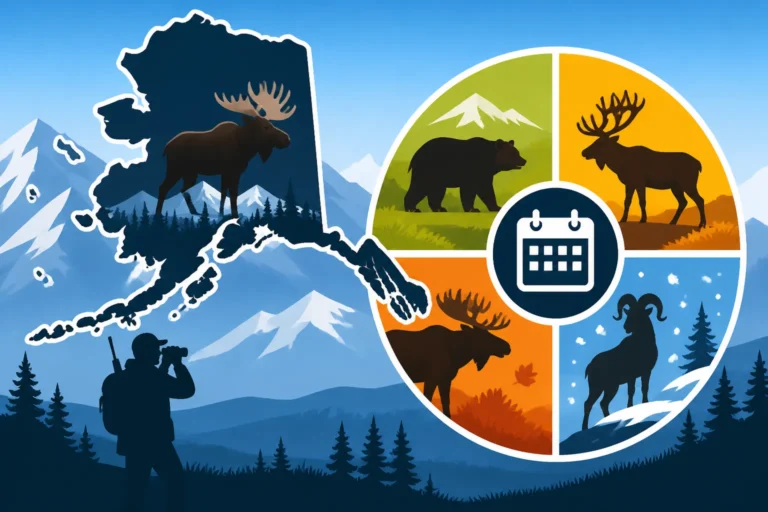
| Moose | Yes | Sept – Oct (Fall) | Antler restrictions, population health, meat harvest |
| Dall Sheep | Yes | Aug – Sept | Full-curl/age, mature ram harvest, population protection |
| Brown Bear | Yes | Spring & Fall | Population monitoring, trophy quality, habitat health |
| Mountain Goat | Yes | Aug – Oct | Nanny protection, herd stability, limited harvest |
| Muskox | Yes (Draw Permit) | Fall & Winter | Population stability in arctic habitats, limited harvest |
| Bison | Yes (Draw Permit) | Fall & Winter | Herd control, limited permits, population health |
It's absolutely vital to remember that regulations can and do change, and specific rules vary wildly by Game Management Unit (GMU) and year. Always consult the current Alaska Hunting Regulations booklet published by the Alaska Department of Fish and Game (ADF&G) for the most up-to-date and unit-specific information before any hunt.
The Mechanics of Attaching and Sealing Your Locking Tag
Once you’ve successfully harvested an animal requiring a locking tag, the work isn't over. In fact, some of the most critical steps involving your tag begin immediately after the kill. Mistakes here can invalidate your harvest, leading to significant penalties and the loss of your trophy and meat. This is where meticulous attention to detail really pays off.
Immediate Tagging Requirements
The moment your animal is down, the clock starts. Alaska regulations are very clear: you must immediately validate and attach your locking tag to the animal. "Immediately" means as soon as practical after the animal is recovered and you've confirmed it's deceased. You can't run off to celebrate, make phone calls, or start field dressing without taking care of the tag first. The tag must be securely affixed to the hide in a way that prevents its removal without destroying the tag itself. For animals like moose or caribou, this typically means piercing the ear or leg hide and securing the tag. For sheep or goats, it’s usually around the horn.
This immediate tagging is critical for several reasons. It prevents someone else from potentially tagging your animal, it prevents accidental re-use of a tag, and it provides clear proof of a legal harvest in the field. It's designed to leave no room for ambiguity. Hunters should carry pliers or a similar tool to help crimp the locking tag securely, as they are designed to be difficult to remove once applied. Understanding how long an Alaska locking tag stays on is crucial – it’s a permanent fixture until sealing.
Sealing Requirements and Deadlines
Beyond immediate tagging, most species that require a locking tag also have a "sealing" requirement. This means you must present the hide and/or skull, with the locking tag still attached, to an Alaska Department of Fish and Game (ADF&G) representative, typically a Fish and Game biologist or a designated rural vendor. This usually happens within a specified timeframe after the harvest, often 10 to 30 days, depending on the species and location. This process is crucial for official verification and data collection. For example, for bears, a premolar tooth is often extracted to determine the animal's age, and specific measurements of the hide (squaring a brown bear hide) or skull are taken.
Missing these sealing deadlines can lead to fines, confiscation of the trophy, and loss of hunting privileges. It's a serious matter, and hunters should factor this process into their hunt planning, especially if hunting in remote areas where returning to a sealing location might take extra time or require bush plane travel. For example, when you're looking at Cape and Skull Care for a Brown Bear Hide, you'll want to ensure you prepare it properly for sealing. Always confirm the specific sealing requirements and deadlines for your chosen species and GMU before you go into the field.
Why Locking Tags Matter for Conservation and Management
It's easy to view regulations as bureaucratic hurdles, especially when they add cost and complexity to an already challenging Alaska hunt. However, Alaska's locking tag system is far more than just paperwork. It's a cornerstone of the state's robust wildlife management and conservation efforts, designed to protect these incredible resources for generations to come.
Ensuring Sustainable Harvests
The primary purpose of locking tags is to provide accurate, real-time data on harvest numbers. By requiring a unique, physically attached tag for high-value species, ADF&G can precisely track how many animals are being taken. This data, combined with population surveys, habitat assessments, and biological research, allows wildlife managers to make informed decisions about season lengths, bag limits, and permit allocations. This is fundamental to ensuring sustainable harvests, meaning enough animals are left to reproduce and maintain healthy populations year after year. For species like Dall sheep, where population recovery can be slow, every single ram harvested needs to be carefully accounted for.
Without this stringent tracking, it would be much harder to detect overharvests or identify areas where populations might be struggling. The system creates accountability, allowing managers to adapt quickly if a population needs more protection or if harvest opportunities can be safely expanded.
Deterring Poaching and Illegal Activity
Locking tags are also a powerful deterrent against poaching and illegal hunting. Because the tag must be physically attached to the animal and cannot be removed without being destroyed, it creates a clear chain of custody. An untagged animal (where a tag is required) is immediately suspicious and indicates a potential violation. This system makes it much harder for individuals to take more than their legal limit, hunt out of season, or transport illegally harvested game.
The legal and financial penalties for tag violations are significant in Alaska, reinforcing the importance of adhering to these rules. This protection is vital for species that are high-value targets for poachers, such as brown bears and Dall sheep, where the trophy value can be very high. It protects the integrity of the hunting system and ensures that legal, ethical hunters are not undermined by those who break the law.
Gathering Vital Biological Data
Beyond simple harvest numbers, the sealing process for locking tag species is a critical opportunity for biologists to gather biological data. For example, specific teeth from bears and moose are collected to determine age, providing insights into population age structures and reproductive success. Measurements of horns and antlers contribute to understanding growth rates and genetic health. This data is invaluable for scientific research and long-term wildlife management.
This in-depth data collection allows ADF&G to track trends, understand the impacts of environmental changes, and fine-tune management strategies to ensure the health and resilience of Alaska's big game populations. It’s part of a larger ecological puzzle, and every hunter who properly tags and seals their animal contributes to that scientific understanding.
Common Misconceptions and Avoiding Pitfalls
Alaska's hunting regulations can feel like a labyrinth, and when it comes to locking tags, there are several common misunderstandings that can trip up even experienced hunters. Being aware of these can save you a lot of headache, and potentially a hefty fine. Always remember, ignorance of the law is never a valid excuse.
Non-Resident vs. Resident Requirements
A frequent point of confusion revolves around the difference in tag requirements for residents versus non-residents. While this guide primarily focuses on scenarios relevant to non-residents (who almost universally require locking tags for the species discussed), it's important to understand the nuances. In some cases, Alaska residents might be able to hunt certain species, like caribou or black bear, with just a harvest ticket or a free registration permit where a non-resident would need to purchase a locking tag. This is part of Alaska's unique resident preference system, acknowledging the local reliance on subsistence resources.
However, for truly iconic species like Dall sheep, brown bear, and mountain goat, even residents must purchase a locking tag. The financial commitment is usually lower for residents, but the physical tagging and sealing requirements remain the same. This distinction can be a trap for non-residents who hear about a "free caribou tag" from a resident friend and assume the same applies to them for a species like moose. Always double-check your specific residency status and the corresponding regulations.
The "Hunter in Possession" Rule
Alaska has strict rules about who can be "in possession" of an untagged game animal. This is often misunderstood. Essentially, the hunter whose name is on the locking tag must be the one who kills the animal, and that tag must be immediately attached. You cannot, for example, have a friend or guide kill an animal for you and then tag it with your tag, unless specific regulations allow it (which is rare for these big game species). This is crucial for maintaining the integrity of the harvest system.
This rule also extends to transport. If you're transporting an untagged animal that requires a locking tag, you are in violation. This can become complicated in group hunts or when using a transporter. Ensure every hunter understands their individual responsibility for tagging their own animal. When working with a transporter, such as those discussed in Fly-In Hunting: Working With an Alaska Transporter Pilot, they will also emphasize strict adherence to these rules.
Outfitter/Guide Responsibilities Versus Hunter Responsibilities
While a licensed Alaska Registered Guide-Outfitter or a Class-A Assistant Guide will certainly assist you and provide guidance on regulations, the ultimate legal responsibility for proper tagging and adherence to all laws rests with you, the hunter. Your guide is there to help you find and harvest the animal, and they are generally very knowledgeable about regulations. However, you can't simply defer all responsibility to them.
It's your locking tag, and it's your signature on the license and harvest report. Take the time to understand the requirements for the species you are hunting. Ask questions, even if you think they're basic. This ensures you're actively participating in the legal and ethical aspects of your hunt, not just the physical ones. Many outfitters provide detailed pre-hunt information that includes these vital regulations, and resources like GoHunt can further help you cross-reference details and prepare.
Planning Your Hunt Around Locking Tag Species
Embarking on an Alaska hunt for a locking tag species isn't something you decide on a whim. It requires significant planning, financial investment, and a deep understanding of the regulations. From booking well in advance to preparing for the physical demands, every detail counts.
Booking and Budgeting
For many locking tag species, especially Dall sheep and brown bear, booking a guided hunt often requires planning years in advance. Top guides have waiting lists that stretch for multiple seasons. This lead time is essential, not just for securing a spot, but also for budgeting. The cost of a guided hunt for these animals can be substantial, and the locking tag itself adds a significant expense. For example, you might be looking at what an Alaska Brown Bear Tag Costs.
When budgeting, remember to account for the hunting license, the locking tag, any associated draw or registration permit fees, travel to and from Alaska, bush flights, meat processing, trophy care, and potential taxidermy and shipping costs. Understanding the full financial picture upfront prevents unpleasant surprises down the road. Some hunters use resources like GoHunt to track draw success rates and plan their applications years in advance, which can also influence their booking timelines for guides.
Physical and Mental Preparation
Hunting locking tag species in Alaska isn't just a mental game; it's a profound physical challenge. Dall sheep and mountain goat hunts, in particular, demand peak physical fitness due to the extreme terrain, high altitudes, and heavy pack loads (Backpack Hunting in Alaska: Gear Weight and Meat Loads). Even moose hunts can involve significant slogging through swamps and dense brush, followed by the monumental task of Quartering a Bull Moose Alone in the Field.
Beyond the physical, the mental fortitude required for these hunts is immense. Weather can be brutal and unpredictable, success is never guaranteed, and the remoteness can be isolating. Training specifically for the demands of your chosen hunt, both physically and mentally, will significantly increase your chances of success and enjoyment. This includes practicing shooting positions on Alaska tundra and sidehills.
Researching Regulations and Units
Before you even think about buying a plane ticket, dive deep into the specific regulations for the Game Management Unit (GMU) you plan to hunt. Season dates, legal weapon types, bag limits, antler or horn restrictions, and sealing requirements can vary dramatically even within the same species across different units. The ADF&G regulations are your bible.
Pay close attention to any "Emergency Orders" that might close a season early due to quota attainment or adverse weather conditions, especially for registration hunts. While most locking tag hunts are either draw or general season, staying informed is always best. Understanding your hunting area, whether it's through Scouting a Unit From Satellite Imagery Before You Fly or talking to experienced hunters, will make all the difference. Knowing the land status in Alaska: State, Federal and Native Corporation is also crucial for legal access.
Disclaimer
Please be aware that hunting regulations in Alaska are subject to change by the Alaska Department of Fish and Game (ADF&G) and the Alaska Board of Game. While this guide provides general information, it is your responsibility as a hunter to consult the most current Alaska Hunting Regulations booklet and any emergency orders or announcements for the specific Game Management Unit (GMU) and species you intend to hunt. Always verify all dates, requirements, and legalities before embarking on your hunt.