Unit 19 and the Middle Kuskokwim Drainage
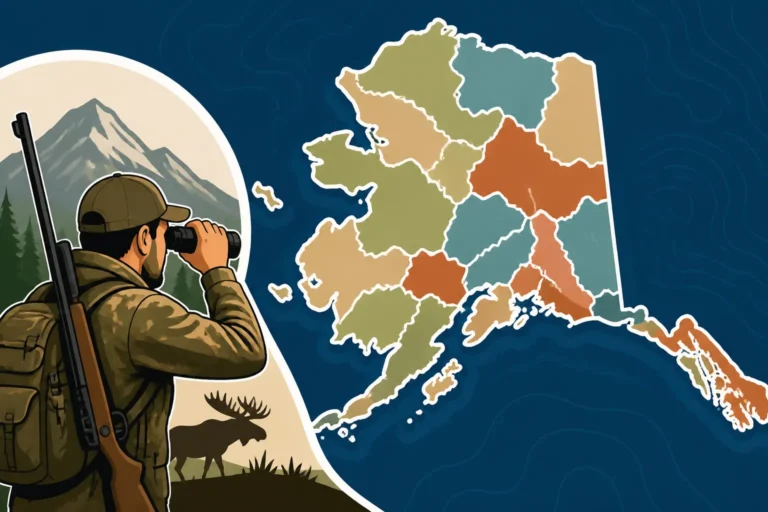
The vastness of Alaska is legendary, and few places embody that wild, untamed spirit quite like Unit 19, particularly its middle Kuskokwim drainage. For many hunters, this sprawling region represents the pinnacle of remote hunting, a true test of skill, endurance, and preparation. But let's be real, the idea of heading into a place with no roads, unpredictable weather, and potentially thousands of square miles of wilderness can feel utterly daunting. This guide is here to unravel the complexities of hunting Unit 19, helping you understand its unique challenges, prime opportunities, and the essential logistics involved in planning a successful and safe expedition into one of Alaska's most iconic hunting grounds.
Understanding Unit 19's Geography and Unique Challenges
Unit 19 is an immense area, part of the larger Kuskokwim River drainage, stretching across a significant portion of interior Alaska. It’s a place where the terms "remote" and "roadless" truly mean something, presenting both incredible opportunities and substantial hurdles for the intrepid hunter.
The Vastness of the Middle Kuskokwim
Imagine a landscape that goes on forever, defined by immense river systems, vast stretches of black spruce forests, open tundra, and countless lakes and sloughs. That's the middle Kuskokwim drainage. We're talking about an area so large that driving around it isn't an option, and even flying over it reveals a tapestry of wilderness that can make you feel incredibly small. This sheer scale is what draws many to Unit 19 – the promise of truly wild game in an undisturbed setting.
However, this vastness is also its primary challenge. There are no towns with paved roads reaching deep into the unit, no quick drives to resupply. Every piece of gear, every drop of fuel, and every bite of food must be carefully planned and transported in. Hunters often find themselves miles from any human settlement, relying solely on their own skills and equipment. The terrain itself can be challenging; dense willows along riverbanks can make for arduous hiking, while the spongy tundra can be a relentless slog, especially with a heavy pack. Getting turned around in such a homogeneous landscape of spruce and willow is a real concern without proper navigation tools.
River Systems as the Lifelines of Access
Given the lack of roads, the major river systems are not just features of the landscape; they are the literal lifelines of access into Unit 19. The Kuskokwim River itself, along with its numerous tributaries like the Swift, Aniak, Holitna, and Stony rivers, provides the primary arteries for travel. Many hunters utilize jet boats or rafts to navigate these waters, reaching areas otherwise inaccessible. This means that successful hunting in Unit 19 often hinges on understanding river dynamics, water levels, and the potential hazards like log jams and shallow gravel bars. A river that was navigable yesterday might be too low today, or a sudden rain could turn a calm stream into a raging torrent.
For deeper penetration into the backcountry, bush planes are indispensable. Pilots flying small aircraft, often Super Cubs or Beavers, can land on remote gravel bars along rivers or on suitable lakes. These air taxis are critical for reaching spike camps far from any human disturbance. However, this also means coordinating meticulously with your pilot, adhering to strict weight limits, and understanding that weather delays are not just a possibility, but an almost certainty at some point. Fly-In Hunting: Working With an Alaska Transporter Pilot goes into more detail on how to manage these crucial relationships.
Climate and Weather Considerations
The climate of interior Alaska, which Unit 19 falls under, is one of extremes. Summers can be surprisingly warm, but they bring with them a relentless onslaught of mosquitoes and other biting insects that can test even the most patient hunter. Fall, when most big game hunting occurs, sees rapidly changing conditions. You might start a hunt in comfortable 50-degree weather, only to wake up to a foot of snow and temperatures plummeting below freezing just a day or two later.
These drastic weather shifts don't just affect your comfort; they directly impact travel and hunting success. Rain can quickly swell rivers, making crossings dangerous or impossible. Early snow can cover tracks and make spotting game difficult, while also complicating meat salvage. Fog can ground bush planes for days, potentially stranding hunters beyond their planned pickup date. Being prepared for anything – from warm rain to heavy snow – is not just good advice; it's absolutely essential for survival and success in Unit 19.
Prime Species and Hunting Opportunities in Unit 19
Unit 19 is a big game hunter's paradise, offering a variety of species, though moose and caribou often take center stage. The sheer amount of undeveloped habitat means that game animals live in a truly wild state, responding to natural pressures and migrations.
Moose Hunting in the Kuskokwim Drainage
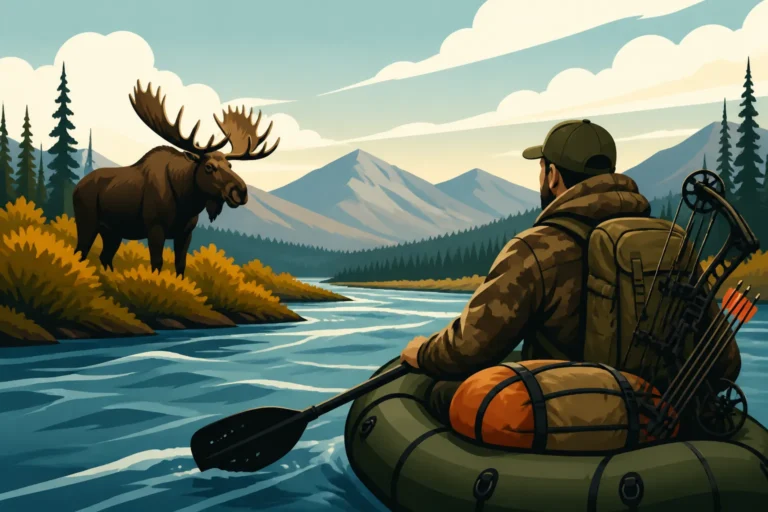
If there's one animal that defines hunting in Unit 19, it's the Alaska-Yukon moose. The extensive willow flats, river bottoms, and spruce forests provide ideal habitat for these giants, and the Kuskokwim drainage is renowned for producing large bulls. Moose hunting here often involves patience and strategy. Hunters might spend days glassing vast areas, calling during the rut, or slowly working their way along river systems. Float Hunting Alaska Rivers for Moose and Caribou is a fantastic resource if you're considering this approach, as it's a common and effective method for covering ground and accessing prime moose country in Unit 19.
The regulations for moose in Unit 19 can vary by subunit and year, often including antler restrictions (such as spike-fork or 50-inch spread minimums) to manage the population. This means that careful field judging is critical. There's nothing more frustrating than putting in the effort, finding a bull, only to realize it's sublegal. The reward, however, is substantial: a massive animal in a truly wild setting, often far from other hunters.
Caribou Migration and Opportunistic Hunts
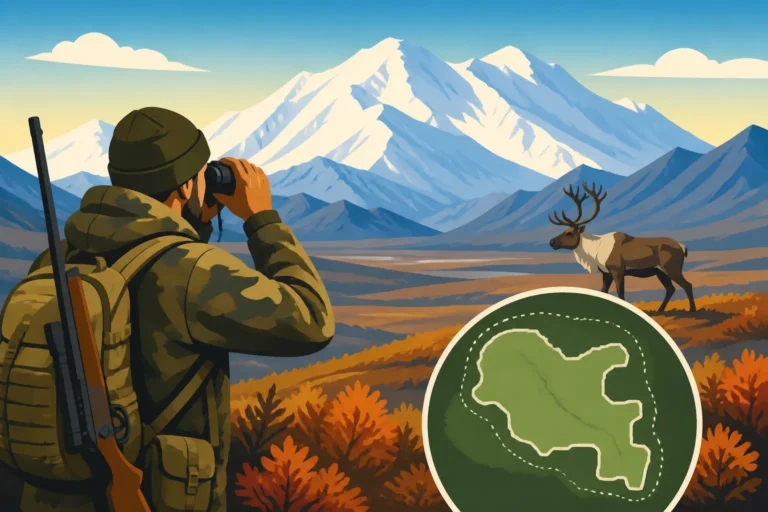
While Unit 19 isn't home to one of Alaska's massive, consistently migrating caribou herds in the same way some other units are, it does see caribou pass through, particularly from the Mulchatna and other smaller interior herds. These movements are less predictable than, say, the Western Arctic Herd, making caribou hunting in Unit 19 often an opportunistic affair. You might be hunting moose along a river and suddenly encounter a band of caribou moving through a burn or across an expanse of tundra.
Success with caribou here often hinges on flexibility and persistent scouting, sometimes aided by detailed mapping applications like onX Hunt, which can show you historical movement corridors if available from public data. Being in the right place at the right time is key. For a deeper dive into caribou behavior, you might want to read Caribou Herds of Alaska and How They Move. The good news is that if you're already set up for a moose hunt, adding a caribou tag to your license can provide a fantastic bonus opportunity if the migration aligns.
Black Bear and Grizzly Encounters
Unit 19 also offers robust opportunities for bear hunting, both black bears and interior grizzlies (which are genetically identical to coastal brown bears, just living further inland). Black bears are common throughout the timbered areas and along river corridors. They come in various color phases, from the typical black to cinnamon or even blonde, adding an element of surprise to identification. Spring hunts often focus on south-facing slopes as bears emerge from their dens, while fall hunts might see them foraging for berries or scavenging along salmon streams.
Grizzlies, while less numerous than black bears, are present and require a heightened level of awareness. These powerful animals demand respect and careful handling of kills. If you're successful on a moose or caribou, the scent can draw bears from miles around. This is where diligent meat care and strict bear safety protocols become paramount. Bear Safety While Butchering a Kill in Alaska offers crucial advice on how to manage these situations safely. Always carry appropriate bear defense, whether it's a powerful firearm, bear spray, or a combination of both, and know how to use it effectively.
Navigating Access and Logistics in a Roadless Unit
Hunting in Unit 19 is less about driving to a trailhead and more about orchestrating a complex logistical puzzle. Every decision, from how you get there to what you bring, has a ripple effect.
Bush Plane and Air Taxi Considerations
For most hunters venturing deep into Unit 19, a bush plane is the only practical way in. Choosing a reputable air taxi service is your first and most critical step. These operators are your literal lifelines to the wilderness. When you book, be prepared for detailed conversations about weight limits. Every pound counts, so gear selection becomes a brutal exercise in minimalism and efficiency. Don't be surprised if your gear needs to be split across two flights, or if you need to plan for a "deadhead" flight where the plane flies empty one way just to pick you up.
Always build in extra days for weather delays – a hard lesson many hunters learn too late. Fog, high winds, or heavy rain can ground planes for days, leaving you stranded in camp longer than anticipated. Clear communication with your pilot about your planned itinerary, check-in schedules, and emergency contacts is non-negotiable. Remember, your pilot is a professional, and their decisions about flying conditions are made with your safety, and their own, in mind.
River Travel: Jet Boats and Rafts
For those exploring the main Kuskokwim or its larger tributaries, jet boats offer mobility and the ability to cover significant distances. However, operating a jet boat in shallow, braided rivers like the Kuskokwim requires skill and local knowledge. Water levels fluctuate dramatically, exposing gravel bars and creating new hazards daily. A simple trip can turn into an epic saga of pushing a boat off a sandbar if you're not careful.
Float hunting, using rafts or canoes, is another popular and effective method, especially for moose. It allows you to quietly drift through prime habitat, covering miles of riverfront that would be impossible on foot. But float hunting has its own demands. Choosing the right river, understanding its current, rapids, and potential log jams is crucial. Choosing a Float Hunt River by Water Level and Length provides excellent insights into making these critical decisions. You'll need durable rafts, skilled paddlers or rowers, and a solid plan for securing your kill and meat during the float out.
| Access Method | Pros | Cons | Best Use |
|---|---|---|---|
| Bush Plane | Fast, deep penetration into roadless areas | Expensive, strict weight limits, weather-dependent | Remote spike camps, quick access to specific areas |
| Jet Boat | Covers long river distances, carries heavy loads | Requires skill, prone to shallow water/hazards, noisy | Exploring main rivers, hauling out large game |
| Raft/Float Hunt | Quiet, covers large linear distances, immersive | Slow, weather-dependent, harder to backtrack, limited range | Moose/caribou hunting along rivers, wilderness experience |
| Hiking/Backpack | Ultimate flexibility, silent, physically rewarding | Very slow, limited range, extremely physically demanding | Day hunts from camp, short moves between camps |
Essential Gear and Preparation for Remote Hunts
Because Unit 19 is so remote, your gear is your lifeline. This isn't the place to skimp or try out untested equipment. A robust shelter, capable of standing up to high winds and heavy rain or snow, is non-negotiable. Your sleeping system needs to be rated for temperatures well below what you expect, just in case. Navigation tools are paramount; a reliable GPS unit with pre-loaded maps (like those found on onX Hunt), a satellite communication device (like an InReach or Garmin Messenger) for checking in and emergencies, and a good old-fashioned map and compass are all absolute must-haves. Cellular service is virtually nonexistent in most of Unit 19.
Beyond the big items, think about redundancies. Extra batteries, repair kits for everything from your tent to your raft, and a comprehensive first-aid kit are critical. Water purification is essential, as you'll be relying on natural sources. Food planning needs to factor in potential delays; always pack more than you think you'll need. Remember, you're not just bringing gear for the hunt, but for survival and for the challenging task of packing out a very large animal.
Understanding Regulations and Responsible Hunting Practices
Alaska has a complex, but ultimately fair, system of hunting regulations designed to manage game populations responsibly. Before you even think about setting foot in Unit 19, a deep dive into the current regulations is paramount.
Harvest Tickets, Registration, and Draw Permits
Unit 19, like many parts of Alaska, utilizes a mix of permit systems. Some species might be available through over-the-counter harvest tickets, while others require registration permits (which can close on short notice if a quota is met) or even drawing permits, which you apply for months in advance. The specific requirements can change annually and by subunit, so always check the most recent Alaska Hunting Regulations booklet. This document is your bible. A great starting point to understand these nuances is Alaska Harvest Tickets, Registration Permits and Draw Permits.
Missing a reporting deadline for a harvest ticket or registration permit can lead to penalties and affect your eligibility for future hunts. It's a system built on hunter responsibility, and understanding it thoroughly before you leave home saves a lot of headaches later. Utilizing resources like GoHunt can help track these season dates and permit requirements for specific areas.
Meat Salvage and Ethical Considerations
Alaska has some of the strictest and most comprehensive meat salvage laws in the country. This isn't just about avoiding waste; it's about respecting the animal and the resource. For moose, this means salvaging all edible meat, which includes specific cuts like the ribs and neck. You cannot just take the choicest cuts and leave the rest. The logistics of packing out hundreds of pounds of meat from a remote kill site in Unit 19 are a major part of the hunt. This commitment is what separates a true Alaska hunter from a casual visitor.
Packing Out Meat in Alaska: The Salvage Law Hunters Must Follow details exactly what is required. Beyond the legal requirements, ethical hunting also means minimizing your impact on the land. Pack out everything you pack in, including trash and spent casings. Leave your camp cleaner than you found it. This ensures that the wild character of Unit 19 remains for future generations.
Remote Camp Protocols and Bear Awareness
In remote areas like Unit 19, bear awareness isn't just a suggestion; it's a critical component of every single day. Both black bears and grizzlies inhabit the area, and they are opportunistic. This means strict camp protocols are essential. All food, garbage, and scented items must be stored in bear-resistant containers or hung from trees well away from your sleeping area. A well-constructed Bear Fence Setup at a Meat Cache is also a smart investment, especially if you're leaving meat cached for any period.
When processing game, work quickly and efficiently. Keep a clean kill site and remove meat as swiftly as possible. Having a designated "dirty" area for processing that is far from your sleeping quarters helps minimize risk. Always be aware of your surroundings, especially when gutting or quartering an animal, as the smell can travel far. Carrying a powerful sidearm or bear spray, and knowing how to use it, offers an important layer of defense.
Planning Your Unit 19 Expedition
A successful hunt in Unit 19 isn't just about hunting skills; it's about meticulous planning, physical conditioning, and mental toughness. This is where many hunters, especially those new to Alaska, underestimate the challenge.
The Role of Outfitters and Transporters
For non-residents, understanding the distinction between an outfitter (guide) and a transporter is critical, especially if you plan to hunt species that require a guide. In Unit 19, most non-resident hunts for brown bear and Dall sheep (if present in specific subunits) require a licensed guide or a second-degree-of-kinship relative. For moose, caribou, and black bear, non-residents can hunt unguided, but often rely on transporters to get them into and out of the backcountry.
Alaska Transporters and What They Legally Provide explains this role in detail. A transporter provides the means to get you to your hunting area and pick you up, but they cannot assist in the actual hunting, scouting, or recovery of game. Choosing a reputable transporter with experience in Unit 19 is vital. Ask for references, inquire about their safety record, and ensure their equipment is well-maintained. If you choose to go with a guide, research their history, success rates, and what their specific package includes. This upfront due diligence will prevent many potential disappointments.
Physical Preparation and Mental Fortitude
Hunting Unit 19 is physically demanding. You'll likely be walking miles through uneven terrain, often slogging through willows, mud, or snow, all while carrying a heavy pack. If you're successful, you'll then be adding hundreds of pounds of meat to that pack for the journey out. You don't need to be an Olympic athlete, but you do need solid cardiovascular fitness, strong legs, and a resilient back. Start a rigorous training regimen months before your hunt. Simulate packing heavy loads over varied terrain.
Beyond the physical, the mental aspect is equally important. The solitude, the relentless insects, the unpredictable weather, and the sheer effort involved can wear on even the most experienced hunter. Be prepared for long days, potential setbacks, and the feeling of isolation. A positive attitude, patience, and a strong dose of grit are just as crucial as your rifle or your boots. Hunting in Unit 19 is often a test of character as much as it is a test of hunting prowess.
Research and Mapping Tools
Thorough pre-trip research is non-negotiable. Start by poring over topo maps, satellite imagery, and any available harvest data for Unit 19. Identify potential landing strips or lakes, areas with good game habitat, and escape routes. Platforms like onX Hunt are incredibly valuable for this, allowing you to layer public and private land ownership, topo maps, and satellite imagery to identify key terrain features, drainage systems, and potential game corridors. You can mark waypoints, measure distances, and save maps for offline use, which is critical where there's no cell service.
Another excellent resource is GoHunt, which provides detailed research tools for hunting units across the West, including Alaska. It can help you analyze draw odds, historical harvest data, and expert insights that can inform your planning. Don't forget to look at historical weather patterns for your chosen hunting period. Scouting a Unit From Satellite Imagery Before You Fly can offer even more tips on how to effectively use these digital tools to your advantage. The more you know about the unit before you arrive, the higher your chances of success.
Best Times to Hunt Unit 19
The hunting season in Unit 19, like much of interior Alaska, is concentrated around the fall, with specific opportunities varying by species. Timing your hunt correctly can be the difference between a once-in-a-lifetime experience and a frustrating trip.
Early Fall for Moose and Caribou
September is undoubtedly the prime month for many big game species in Unit 19, especially moose. This is when the bull moose rut begins to kick into high gear, making calling extremely effective. Bulls are more active, less secretive, and more responsive to calls as they seek out cows. The weather in early September can still be mild, though cold snaps are always a possibility. This allows for better mobility and less challenging meat care. However, as the month progresses, temperatures drop, and the chances of snow increase significantly. You can learn more about specific opening dates in When Moose Seasons Open Across Alaska Units.
Caribou, if they are moving through the unit, can also be present during this time. While their movements are less predictable than moose, hunting in September offers the best chance for a mixed bag hunt. The fall colors are also spectacular, adding to the overall wilderness experience.
Late Fall for Trapping and Opportunistic Small Game
As October and November roll around, big game hunting opportunities generally decrease in Unit 19, with many seasons closing or becoming prohibitively difficult due to harsh weather and rapidly accumulating snow. However, for those interested in furbearers, this period can be prime for trapping wolf and wolverine, or hunting small game like ptarmigan for camp meat. The Kuskokwim is a vast system, and winter travel by snowmachine or dog team becomes the primary mode of access for local residents during this time. For the nonresident big game hunter, the sweet spot usually remains in early to mid-September.
Disclaimer
This article is for general informational purposes only and does not constitute professional advice. Laws, prices and regulations vary by location and change over time. Consult a qualified professional for guidance on your specific situation.