Unit 26 on Alaska’s North Slope
Hunting in Alaska's vast and wild Unit 26, encompassing a significant portion of the North Slope, is an endeavor that captures the imagination of many, but tests the mettle of all. This isn't your average hunting trip; it's an immersive journey into one of the planet's last true wildernesses, a place where unpredictable weather, extreme remoteness, and unique game species create a mosaic of profound challenges and unparalleled rewards. This guide is designed to peel back the layers of this formidable region, helping you understand the landscape, its wildlife, the logistics involved, and the intense preparation required to make a North Slope hunt a reality.
Understanding the Landscape of Unit 26
Unit 26 stretches across the top of Alaska, from the Bering Sea in the west to the Canadian border in the east. It's a land of extremes, defined by its Arctic character and immense scale. Understanding its geography and climate is the very first step toward planning any hunt here.
Geography and Subunits of the North Slope
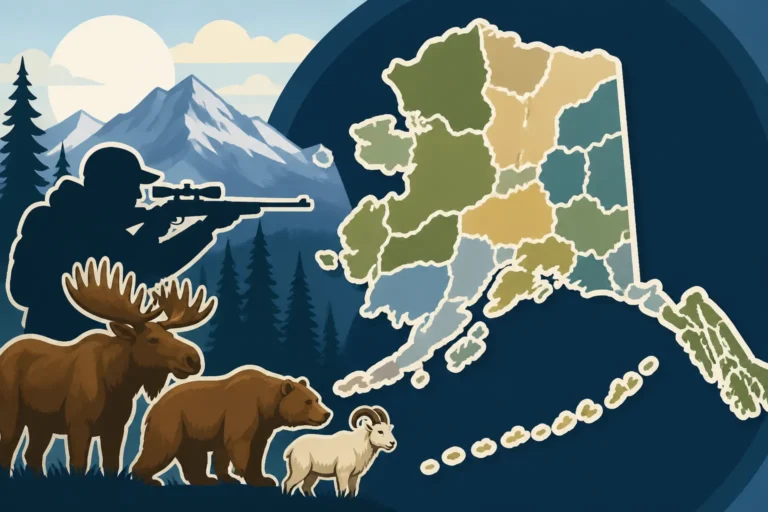
This game management unit is massive, broken down into three main subunits: 26A, 26B, and 26C. Each possesses its own distinct character, though all share the overarching theme of Arctic wilderness. Unit 26A covers the northwestern part, stretching towards the Chukchi Sea coast, characterized by rolling tundra, numerous lakes, and braided rivers. Unit 26B, home to the Dalton Highway corridor, spans the central North Slope, offering a mix of coastal plain, foothills, and the northern reaches of the Brooks Range. Unit 26C is the easternmost section, bordering Canada, known for its vast, unbroken tundra and proximity to the Arctic National Wildlife Refuge.
The terrain varies dramatically across these subunits. The Arctic Coastal Plain, which dominates much of Unit 26, is a seemingly flat expanse of permafrost-laden ground, dotted with countless thaw lakes (known as thermokarst lakes), pingos (ice-cored hills), and intricate river deltas. Walking here is less like a stroll and more like navigating a giant, soggy sponge, especially during the brief summer. Farther south, the foothills of the Brooks Range begin to rise, introducing more defined valleys, rocky outcroppings, and a bit of elevation that offers some relief from the flatlands. This elevation is key for spotting game and for finding drier ground for camp. Planning your trip requires pinpointing the exact subunit you intend to hunt, as regulations and access can differ significantly. You might be interested in Arctic Slope Hunting in Unit 26A or perhaps exploring Dalton Highway Access in Unit 26B.
Climate and Weather Realities
The weather on the North Slope isn't just a factor; it's often the defining element of any trip. Forget temperate forecasts; here, conditions can swing wildly and unpredictably, even in the "warmest" months. Summers are short, typically from late June through August, but even then, temperatures rarely climb above 60 degrees Fahrenheit and can plummet to freezing at a moment's notice. High winds are a constant companion, especially on the exposed tundra, and they dramatically amplify the cold, making 40 degrees feel like 10. You need to factor in this wind chill when packing and planning your days.
Rain, sleet, and even snow are possibilities any day of the year, including during prime hunting seasons in August and September. A bluebird day can turn into a whiteout blizzard within hours, grounding aircraft and making travel on foot treacherous. This means packing extreme cold weather gear is non-negotiable, even for what you might consider a late summer hunt. Layers are crucial, as are waterproof and windproof outer shells. The brief period of 24-hour daylight in mid-summer quickly recedes, and by late August, you'll experience rapidly shortening days, culminating in long, dark Arctic nights in the fall. This shrinking daylight window impacts your hunting hours, travel time, and overall psychological well-being in a remote camp.
Prime Game Species of Unit 26
Unit 26 is renowned for specific big game species that have adapted to its unique Arctic environment. While not every species is abundant throughout the entire unit, understanding their habits and habitats is crucial for a successful hunt.
Caribou: The Migratory Powerhouse
Caribou are, without a doubt, the flagship species of Unit 26. This region is a critical part of the range for both the Western Arctic Herd (WAH) and the Central Arctic Herd (CAH), two of Alaska's largest caribou populations. These animals are famous for their epic migrations, often covering hundreds of miles between wintering grounds and calving areas. Hunters typically try to intercept these herds along their migratory routes, which can shift year to year based on weather, forage, and herd dynamics. Success often hinges on being in the right place at the right time, a challenge that requires extensive research and a bit of luck. Learning about Caribou Herds of Alaska and How They Move is essential.
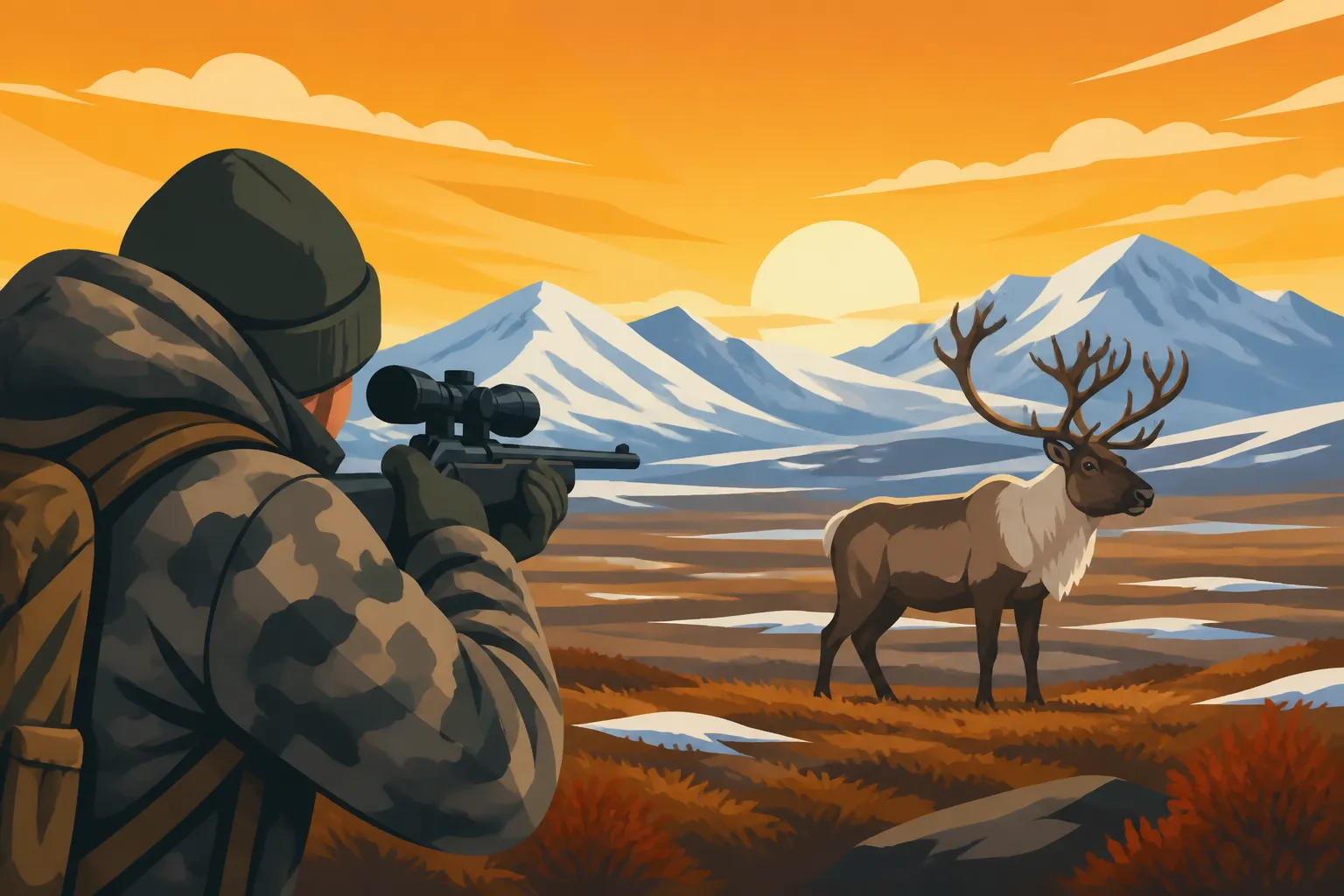
Hunting caribou here means being prepared for constant movement yourself. These animals don't stay put, and neither can you if you want to find them. Spot-and-stalk is a common method, requiring long hours behind binoculars, covering vast distances of uneven tundra, often pushing through boggy terrain or crossing braided rivers. Scouting these areas beforehand with satellite imagery on apps like onX Hunt can help identify potential migration funnels, river crossings, or preferred feeding grounds, giving you a crucial edge. Always keep a close eye on Alaska Caribou Seasons and the Winter Hunt Split, as hunting periods can vary and are often quota-based.
Muskox and Their Arctic Domain
While caribou might be the most common big game, muskox are arguably the most iconic Arctic species in Unit 26. These ancient animals, with their shaggy coats and formidable bosses, are a truly unique quarry. They primarily inhabit the coastal plain and foothills, often found in smaller, localized herds. Hunting muskox is typically a limited draw permit hunt, meaning opportunities are scarce and highly coveted. When you do secure a permit, expect a physically demanding hunt, often involving extensive walking over challenging tundra terrain to locate and stalk a herd.
Muskox are known for their defensive circle formation when threatened, which can make a clean shot challenging. Understanding their behavior and habitat is paramount. They often prefer areas with sedges and willows, which provide their primary forage, sometimes found along river drainages or slightly elevated areas. Unlike caribou, muskox don't undertake vast migrations, but they do move within their home ranges. Researching Muskox in Alaska: Nunivak, Nelson and the North Slope will provide more background on these fascinating animals and the unique aspects of their hunt.
Other Big Game: Bear, Sheep, and Wolves
Unit 26 also offers opportunities for other impressive big game, though generally at lower densities and often requiring more specialized hunts. Brown/grizzly bears are present, particularly in the Brooks Range foothills and river drainages. These are interior grizzlies, generally smaller than their coastal brown bear cousins, but no less formidable. Hunting them requires meticulous planning, an understanding of their seasonal movements, and an unwavering commitment to bear safety. For a deeper understanding, check out Alaska Brown Bears on the Coast Versus Interior Grizzlies.
Dall sheep inhabit the rugged mountains of the Brooks Range within Unit 26, offering some of the most challenging and visually spectacular hunts in Alaska. These hunts are physically demanding, requiring extreme fitness, alpine navigation skills, and the ability to glass vast areas for small specks of white. Wolves and wolverine also roam Unit 26. While less commonly targeted as primary species, they offer incidental opportunities for those prepared. Wolf populations fluctuate, often following caribou herds, and harvesting one is a testament to perseverance and keen observation. Knowing more about Wolves and Wolverine as Alaska Game Animals can give you an edge.
Navigating Access and Logistics
The sheer remoteness of Unit 26 means that access is one of the most significant challenges and cost factors of any hunt. There are very limited roads, and much of the area is only reachable by air or river.
Dalton Highway: The Lifeline and Its Restrictions
The Dalton Highway, an unpaved industrial road stretching from Fairbanks to Prudhoe Bay, serves as the primary ground access point into the central part of Unit 26. It's often called the "Haul Road" and is infamous for its rough conditions, sharp gravel, and limited services. Travelers should prepare their vehicles meticulously, carrying multiple spare tires, extra fuel, and a comprehensive emergency kit. Cell service is practically nonexistent along most of its length, reinforcing the need for satellite communication.
However, hunting directly off the Dalton Highway comes with strict regulations. A "corridor" typically extends five miles on either side of the road, and specific hunting methods and species may be restricted or prohibited within this zone. For instance, parts of the corridor are archery-only for certain species, or entirely closed to hunting. It's crucial to understand these rules, which are detailed in the Alaska hunting regulations, particularly the section on Dalton Highway Corridor Firearm Restrictions. Many hunters use the Dalton primarily as an access point to then backpack or use ATVs (where permitted) further into the backcountry, beyond the restricted corridor, or to reach river access points.
Fly-In Hunting Beyond the Road
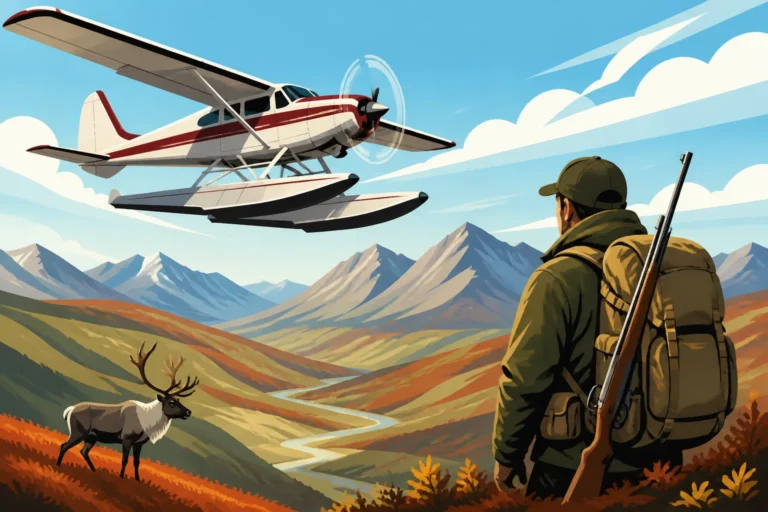
For true immersion into the vast, roadless wilderness of Unit 26, flying in via an air taxi is often the only viable option. Air taxis operate out of various base camps along the Dalton Highway or from communities south of the Brooks Range like Bettles or Fairbanks. This mode of transport allows hunters to access remote lakes, gravel bars, or tundra strips deep within the unit, far from any human disturbance. The expense of air charters can be substantial, and it often requires booking well in advance. Consider this a significant part of your budget and planning.
When coordinating with an air taxi, you'll need to discuss weight limits, fuel surcharges, and the specific type of aircraft (e.g., Super Cub for short strips, Beaver or Otter for larger loads on floats or wheels). Every ounce counts when flying into the bush, so meticulous gear selection is paramount. Remember that transporters only get you in and out; they do not provide guiding services, track game, or assist with a kill. You are entirely on your own once dropped off. Be sure to check into Fly-In Hunting Areas Across Interior Alaska and remember the importance of Sighting In Before You Fly to a Remote Alaska Camp after the jostle of a bush flight.
River Systems and Packrafting
The North Slope is crisscrossed by countless rivers and drainages, many of which can provide an avenue for deeper penetration into the backcountry. Float hunting, where you use rafts or packrafts to navigate a river system, can be an excellent way to cover ground and access areas that would otherwise be extremely difficult to reach on foot. This is particularly effective for caribou during migration, as they often follow river valleys. However, North Slope rivers are typically shallow, braided, and can be highly susceptible to water level changes, making navigation tricky.
Packrafting, utilizing lightweight, inflatable boats that can be packed into a backpack, has gained popularity for its versatility. These allow hunters to combine backpacking with river travel, floating sections of a river, then portaging over land to another drainage, or simply using the river as a return route after a successful kill far from a landing strip. This requires specialized gear and skills, including river reading, self-rescue, and an understanding of Packraft Weight Versus Load Capacity. Planning a route using topographic maps or digital mapping tools like onX Hunt is crucial, as is having contingency plans for low water or unexpected obstacles. For a more general overview, you might find Float Hunting Alaska Rivers for Moose and Caribou helpful, even if the species vary.
| Access Method | Pros | Cons | Ideal For |
|---|---|---|---|
| Dalton Highway | Relatively "easy" access point | Rough road, limited services, corridor rules | DIY hunters staying close, staging for deeper pushes |
| Air Taxi (Fly-in) | Deep wilderness access, covers vast distances | High cost, strict weight limits, weather dependent | Remote caribou, muskox, sheep, or bear hunts |
| Packrafting | Versatility, access to river corridors | Requires specialized gear/skills, water levels vary | Combining backpacking and river travel, extending reach |
| Backpacking | Ultimate self-reliance, quiet approach | Extremely physically demanding, slow progress | Spot-and-stalk within reasonable walking distance of access |
Essential Preparation for a Unit 26 Hunt
Successfully hunting Unit 26 isn't just about finding game; it's about being thoroughly prepared to survive and thrive in one of the world's harshest environments. Neglecting any aspect of preparation can turn a dream hunt into a nightmare.
Gear for Extreme Conditions
Your gear list for a North Slope hunt will look very different from a typical lower 48 or even Southcentral Alaska hunt. Extreme cold, persistent wind, and wet conditions are constants, even in late summer. Layered clothing is paramount. Start with good base layers (merino wool or synthetics), add insulating mid-layers (fleece or puffies), and top it off with a robust, waterproof, and windproof outer shell. Bring multiple sets of gloves, hats, and socks. Footwear must be waterproof, warm, and offer excellent ankle support for navigating uneven tundra. Many hunters opt for insulated rubber boots or high-quality mountaineering boots.
Shelter is another critical component. A four-season tent, designed to withstand high winds and heavy snow loads, is non-negotiable. Don't skimp on your sleeping system; a sleeping bag rated for well below freezing (0 to -20 degrees F is not excessive) and a high R-value sleeping pad are essential for warmth and comfort. Reliable cooking systems are also crucial. Jetboil or MSR WhisperLite stoves are popular, but bring ample fuel. Communication devices like satellite messengers (Garmin inReach, Zoleo) are not just conveniences; they are lifelines. Remember that Backpack Hunting in Alaska: Gear Weight and Meat Loads will be a major consideration, as every item adds to your burden.
Safety and Emergency Planning
Given the extreme remoteness and the vast distances to any form of assistance, comprehensive safety and emergency planning are paramount. Every member of your hunting party should carry a satellite communication device and know how to use it. Establish a detailed check-in schedule with a reliable contact back home, providing them with your exact hunt plan, expected travel routes, and emergency contacts. This ensures someone knows if you're overdue. Consider reviewing Signal Devices and Check-In Plans for Solo Alaska Hunts.
A wilderness first aid kit, far more comprehensive than a typical roadside kit, is essential. Knowledge of basic wilderness medicine can be invaluable. Bear safety is also a constant concern. While brown bears here are generally less habituated to humans than their coastal counterparts, they are still powerful predators. Carry bear spray, know how to use it, and have a reliable firearm for defense, especially at kill sites. Implement strict food storage and camp hygiene practices to minimize attractants. Understanding Bear Safety While Butchering a Kill in Alaska can save lives. Beyond equipment, mental preparedness for adversity, isolation, and physical discomfort is equally vital.
Regulations and Permits
Hunting in Unit 26 is governed by Alaska Department of Fish and Game regulations, which can be complex and change annually. It's your responsibility to know and follow all rules. For species like caribou, a readily available harvest ticket might be all that's required, though bag limits and season dates can vary by specific management unit and even subunit. For other species, particularly muskox, a limited draw permit is mandatory. These permits are highly competitive, requiring advance application and a good deal of luck. GoHunt's resources can be excellent for tracking draw odds and application timelines.
Always check the current year's hunting regulations booklet for Unit 26 specifically. Pay close attention to season dates, bag limits, weapon restrictions, and any special provisions for nonresidents or specific access corridors (like the Dalton). Emergency orders can also close seasons early due to quotas being met or unforeseen circumstances, so staying informed right up until your hunt date is vital. Having your hunting license and appropriate locking tags purchased well in advance is, of course, a given.
Strategies for Success on the North Slope
Beyond gear and logistics, successful North Slope hunting hinges on smart strategy, adaptability, and an understanding of the Arctic environment.
Scouting and In-Season Adaptability
Pre-season scouting is crucial, even if done remotely. High-quality satellite imagery, available through mapping apps like onX Hunt, allows you to meticulously study the terrain, identify potential migration corridors for caribou, locate suitable muskox habitat, mark good camping spots, and identify water sources. Look for drainages, saddles, or areas with distinct vegetation changes that might funnel animals. Don't just look for game; look for suitable travel routes and safe crossings. You can mark waypoints for potential kill sites and even plan your pack-out routes in advance.
Once you're in the field, however, adaptability is key. The Arctic is famous for its unpredictable nature. Caribou migrations can shift course overnight, muskox herds might be in an unexpected area, or weather can ground you for days. Be prepared to change your plans, abandon a strategy that isn't working, and move to new areas. This might mean extra miles on foot or utilizing an alternative pick-up point with your air taxi. The hunter who sticks rigidly to a pre-conceived plan without adjusting to real-time conditions often goes home empty-handed.
Field Care and Packing Out
Harvesting an animal in Unit 26 is only half the battle; getting the meat and trophy back to civilization is an equally significant, and often more arduous, challenge. Alaska has strict Packing Out Meat in Alaska: The Salvage Law Hunters Must Follow regulations, requiring hunters to salvage all edible meat. On the North Slope, this means being prepared to break down a caribou, muskox, or bear carcass in potentially cold, windy, and wet conditions. Have appropriate game bags (canvas or breathable synthetic) to protect the meat from flies, dirt, and ravens, while allowing it to cool.
Cooling the meat quickly is vital, even in cold weather, to prevent spoilage. Hang meat where possible, or spread it out on tarps if hanging isn't feasible. Protecting it from scavengers like bears, wolves, and foxes is a constant concern. The real test comes with the pack out. Whether it's backpacking quartered meat over miles of uneven, spongy tundra, or loading it onto a packraft, the physical exertion is immense. Plan your routes carefully, manage your loads, and break down meat into manageable pieces. While specific to moose, the principles of Quartering a Bull Moose Alone in the Field can certainly be applied to caribou or muskox, ensuring efficient field processing.
Disclaimer
This article is for general informational purposes only and does not constitute professional advice. Laws, prices and regulations vary by location and change over time. Consult a qualified professional for guidance on your specific situation.