Getting Into Kanuti Refuge by Float Plane
Hunting in Alaska's vast wilderness often conjures images of remote, untouched landscapes, and for good reason—much of the best hunting lies far beyond the road system. If you've been dreaming of chasing caribou or moose deep within the Kanuti National Wildlife Refuge, you've likely realized that getting there is half the battle. This guide is dedicated to breaking down the intricate logistics of accessing the Kanuti Refuge specifically by float plane, ensuring you understand the challenges, requirements, and incredible rewards of a true Alaskan backcountry hunt.
Understanding the Kanuti National Wildlife Refuge for Hunters
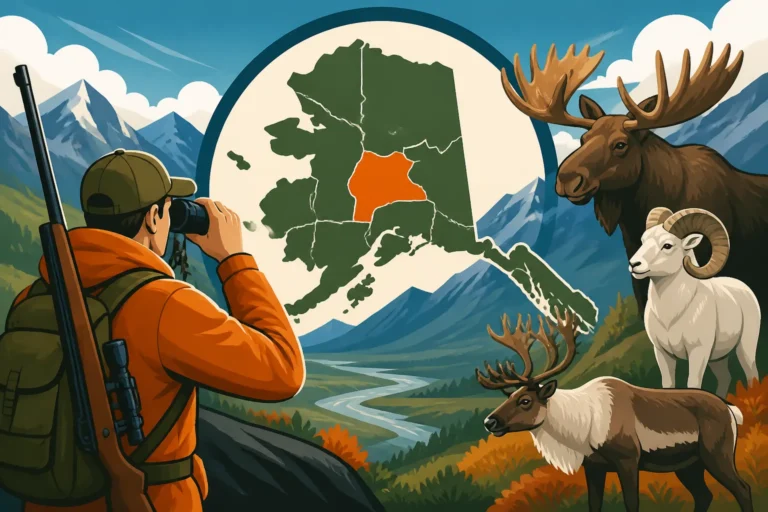
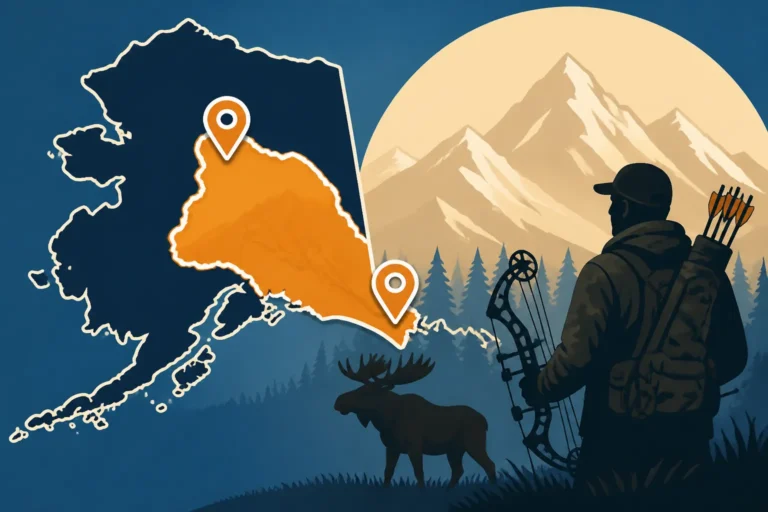
The Kanuti National Wildlife Refuge is an immense, sprawling expanse of central Alaska, covering over 1.6 million acres north of the Arctic Circle. It's a place where the boreal forest meets the tundra, a mosaic of wetlands, black spruce forests, and rolling hills that define the interior of the state. For hunters, it offers an incredible, truly wild experience that few places on earth can match.
What Makes Kanuti Unique for Hunting?
Kanuti is unique not just for its sheer size, but for its raw, untamed nature. There are no roads, no trails, and very little infrastructure within its boundaries. This means that any hunt here is a full-on wilderness immersion, demanding self-reliance and a solid understanding of remote operations. The refuge is home to healthy populations of moose and caribou, particularly the Western Arctic Herd, which often migrates through its western portions, and the Nelchina Herd, sometimes touching its eastern edges. Black bears are also prevalent, offering additional opportunities.
Imagine landing on a pristine lake, the only sound the distant call of a loon, knowing that for miles in every direction, it's just you and the Alaskan wild. This kind of isolation is what draws many hunters to Kanuti. It's a place where you truly disconnect from the modern world and reconnect with the primal rhythms of hunting. However, this also means that every piece of gear, every meal, and every safety measure must be meticulously planned and executed, as there's no popping into town for forgotten supplies. The challenges are real, but the rewards—a hard-earned trophy and an unforgettable wilderness experience—are immense.
General Hunting Regulations and Permits in Kanuti
Hunting within a National Wildlife Refuge like Kanuti involves a unique blend of federal and state regulations, which can sometimes feel like navigating a legal labyrinth. As a general rule, federal refuges often prioritize subsistence uses for local rural residents, while also allowing sport hunting under specific guidelines. For non-local or non-resident hunters, understanding these nuances is critical to ensure a legal and ethical hunt.
The U.S. Fish and Wildlife Service, which manages the refuge, works in conjunction with the Alaska Department of Fish and Game (ADF&G) to set seasons, bag limits, and specific regulations. You'll need a valid Alaska hunting license and any required tags for the species you intend to pursue, just like anywhere else in the state. However, on federal lands, there can be additional requirements. For instance, some areas or species might be managed under a federal subsistence program, which could mean restricted access or different season dates for those who don't qualify as federally-recognized subsistence users.
It's absolutely essential to consult the current Alaska Hunting Regulations booklet and the Kanuti National Wildlife Refuge specific regulations before you even begin planning. These documents will detail any specific permits or registration requirements for hunting within the refuge boundary, as well as any special rules regarding motorized access, camp locations, or weapon restrictions. Neglecting to do so could lead to a ruined hunt or, worse, legal trouble. Remember, ignorance of the law is never an excuse, especially when you're deep in the Alaskan backcountry. Always ensure you have a firm grasp of the rules, perhaps even contacting the refuge headquarters directly with specific questions. For more on navigating these federal requirements, check out Federal Subsistence Permits on Alaska Refuges.
The Logistics of Float Plane Access to Kanuti
Accessing Kanuti by float plane is truly the quintessential Alaska bush experience. It's not just a mode of transport; it's an integral part of the adventure. However, it requires careful planning, a clear understanding of limitations, and a healthy respect for the weather and the wilderness.
Choosing a Float Plane Service and Base of Operations
Your choice of air taxi is perhaps the most critical decision you'll make for a Kanuti float plane hunt. These aren't just pilots; they are often seasoned bush operators with invaluable knowledge of the area, weather patterns, and suitable landing zones. Fairbanks is a common base of operations for flights into the interior, offering several reputable air taxi services. Smaller communities like Bettles or Alatna, though further north and closer to the refuge, might offer more direct access but with fewer service providers and potentially higher costs to get to those communities first.
When selecting a float plane service, don't just shop for the lowest price. Ask about their experience flying into the Kanuti area specifically. Inquire about their safety record, the types of aircraft they operate (e.g., DeHavilland Beavers, Cubs, Cessnas), and their communication protocols. You want a pilot who is meticulous about safety, reliable, and communicates clearly. Discuss your intended hunting area, the size of your party, and the amount of gear you plan to bring. A good transporter will help you understand the practical limits of their aircraft and suggest the most efficient way to get you and your gear into your desired drop-off point. Remember, these pilots are the backbone of many remote Alaskan hunts, and building a good relationship with them is paramount. For a deeper dive into working with these critical partners, read Fly-In Hunting: Working With an Alaska Transporter Pilot.
Identifying Suitable Lakes and Rivers for Landing
Once you've chosen an air taxi, the next step is to pinpoint safe and legal landing sites within the refuge. This is where your mapping and scouting skills truly come into play. Float planes, by their nature, need sufficient water—a lake or a wide, slow-moving river—to take off and land safely. The ideal spot will have clear approaches, enough length for the plane, and be free of submerged obstacles or heavy currents.
Start by poring over topographical maps and satellite imagery. Tools like onX Hunt and GoHunt are incredibly valuable for this, allowing you to scout potential lakes, wide river bends, and sloughs from your computer or tablet long before you even leave home. Look for lakes with minimal surrounding hills or tall trees that could create difficult wind conditions or obstruct approaches. For river landings, identify stretches that are wide, deep enough, and relatively straight, free of sweepers (downed trees that can snag a plane's floats) or sandbars that might shift with water levels. Float Plane Lakes in Interior Alaska provides more detail on what to look for.
Your chosen air taxi pilot will have final say on landing sites, as they possess the real-world experience and current knowledge of water conditions. They might have preferred spots or advise against certain areas based on recent reconnaissance or water levels. Always defer to their judgment. It's a fine line between finding a perfect hunting spot and finding a safe, accessible landing zone, and sometimes a compromise is necessary. Flexibility in your landing spot can make or break your trip, as weather or water conditions can change rapidly. Consider scouting several alternative landing sites in case your primary choice isn't viable on the day of your flight. For river options, especially on larger interior rivers like the Innoko which skirts Kanuti, understanding the nuances of river landings is key, as explored in River Landings on the Innoko.
Weight Restrictions and Gear Considerations for Float Planes
This is where the rubber meets the sky, or rather, where your gear list meets the reality of aircraft limitations. Every bush plane has strict weight and balance limits, and unlike a commercial airliner, there's no extra cargo hold on a float plane just waiting to swallow your "just in case" items. You will be paying by the pound, and often, by the trip.
Think critically about every single item you pack. Do you really need that extra camp chair, or can you make do with a log or a comfortable pad? Can you share a single stove between two hunters instead of bringing two? Focus on lightweight, multi-purpose gear. Dehydrated food is your friend, as is a minimalist approach to clothing layers. Remember, you'll also be packing out meat, hide, and antlers, which add significant weight on the return trip. Some hunters even plan for two trips out—one for gear and one for game—which doubles your cost and requires perfect weather coordination.
Work closely with your air taxi to understand their specific weight limits per load and plan accordingly. It's common for two hunters to have a combined weight limit for gear on a float plane, and going over that will mean leaving items behind or paying for an additional flight. Pack your gear into durable, waterproof bags that are easily loaded and unloaded. Avoid bulky, rigid containers that don't conform to the plane's cargo space. Being disciplined about weight isn't just about saving money; it's about safety and ensuring your pilot can operate legally and efficiently. A detailed discussion on this topic can be found in Weight Limits on a Super Cub Drop.
Here's a quick comparison of common float plane types and their general capacities:
| Plane Type | Primary Use Case | Passenger Capacity (Excl. Pilot) | General Gear Capacity (Rough Estimate, Varies Wildly) | Notes |
|---|---|---|---|---|
| Cessna 185 | Versatile, smaller parties | 2-3 | 300-500 lbs (gear only) | Excellent for one or two hunters, good for smaller lakes. |
| DeHavilland Beaver | Workhorse, larger parties | 4-6 | 800-1200 lbs (gear only) | Iconic bush plane, ideal for two to four hunters with substantial gear. |
| Piper Super Cub | Light, agile, single hunter | 1 | 150-250 lbs (gear only) | Often used for scouting, small camps, or single hunter with minimal gear. |
| DeHavilland Otter | Heavy lift, bigger groups | 8-10 | 1500-2500 lbs (gear only) | Less common for individual hunting charters, more for larger operations. |
Note: These are very rough estimates. Actual capacity depends on fuel load, passenger weight, external cargo pods, and specific aircraft configuration. Always consult your air taxi.
Planning Your Hunt Once Inside Kanuti
Once your float plane has touched down and waved goodbye, you are truly on your own. This is the moment where all your pre-hunt preparation, your gear choices, and your mental fortitude will be tested. Remote hunting in Kanuti isn't just about finding an animal; it's about thriving in a challenging environment.
Navigating and Scouting Within the Refuge
With no trails and vast, often featureless terrain, navigation within Kanuti is a serious endeavor. Cell service is virtually non-existent, so your reliance on electronic devices must be backed up by traditional methods. A robust GPS unit loaded with detailed topographic maps is essential, but it should always be paired with physical maps and a compass. Know how to use them, even in adverse weather conditions that might render electronics useless. Alpine Navigation Without Cell Service provides further insights into dealing with loss of electronic guidance.
Before your trip, spend countless hours studying your maps. Identify key terrain features: drainages, ridgelines, willow flats, old burns, and small clearings. These are your landmarks. Mark potential game corridors, pinch points, and glassing knobs. Modern mapping apps like onX Hunt and GoHunt allow you to download offline maps, create waypoints, and draw routes that you can follow even without satellite internet. This pre-scouting, combined with the pilot's insight during your flight in, can save you invaluable time and effort once on the ground. Every time you leave camp, even for a short walk, take a compass bearing and pay attention to your surroundings. It's shockingly easy to get disoriented in seemingly flat terrain or dense timber, especially under a grey, overcast sky. Marking your kill site carefully before dark is another crucial skill, as discussed in Marking a Kill Site Before Dark.
Camp Setup and Bear Safety in Remote Wilderness
Your camp is your sanctuary in the Kanuti wilderness. Choosing the right spot, setting it up efficiently, and maintaining strict bear safety protocols are non-negotiable. Look for a camp location that offers some protection from the elements, access to clean water, and is ideally on a slight rise for drainage and visibility. Avoid setting up in thick willows or dense timber where bears might surprise you.
When it comes to bear safety, assume bears are always present. Interior grizzlies and black bears are common throughout Kanuti. All food, scented items (like toothpaste), and cooking gear must be stored separately from your sleeping area. This often means hanging a bear bag, using a bear-resistant container, or setting up an electric bear fence around your food cache. Never cook or eat in your tent. Keep a clean camp, packing out all trash and food scraps. Your rifle or bear spray should be immediately accessible, not buried in your tent or pack. Practice deploying both rapidly. When butchering an animal, the risk increases dramatically, so having a plan for Bear Safety While Butchering a Kill in Alaska is vital. Many hunters will set up an elaborate Bear Fence Setup at a Meat Cache to protect their hard-earned meat from scavenging animals.
Emergency Preparedness and Communication
Hunting in remote Alaska means being prepared for anything. Medical emergencies, severe weather, lost gear, or a downed animal requiring extra effort can all turn a hunt sideways. Your survival depends on your preparation and your ability to react calmly and effectively.
A satellite communication device, such as an InReach or a satellite phone, is not optional; it's a necessity. These devices allow you to check in with loved ones, receive weather updates, and, most critically, send an SOS signal in a true emergency. Develop a check-in schedule with your contact person back home and stick to it. If you miss a check-in, they'll know to initiate your pre-arranged emergency plan. Signal Devices and Check-In Plans for Solo Alaska Hunts offers excellent advice on these protocols.
Beyond communication, ensure you have a comprehensive first-aid kit and know how to use its contents. Carry fire starters, a signaling mirror, a whistle, and extra layers of clothing. Pack enough emergency food for several extra days, just in case weather delays your pickup. Leave a detailed trip plan with someone responsible, including your intended route, landing sites, and expected return date. This information is invaluable to search and rescue if something goes wrong. Always be realistic about your capabilities and the inherent risks of hunting in such a wild place. Leaving a Trip Plan With a Contact outlines the specifics of creating and sharing this essential document.
Disclaimer
This article is for general informational purposes only and does not constitute professional advice. Laws, prices and regulations vary by location and change over time. Consult a qualified professional for guidance on your specific situation.